8 Ways Acai Oil Transforms Hair Health
Acai oil is well-known for its ability to nourish and revitalise hair, offering numerous hair health benefits. This blog discusses eight ways in which acai oil can transform your hair.
Unveiling the Power of Acai: A Superfood for Your Hair
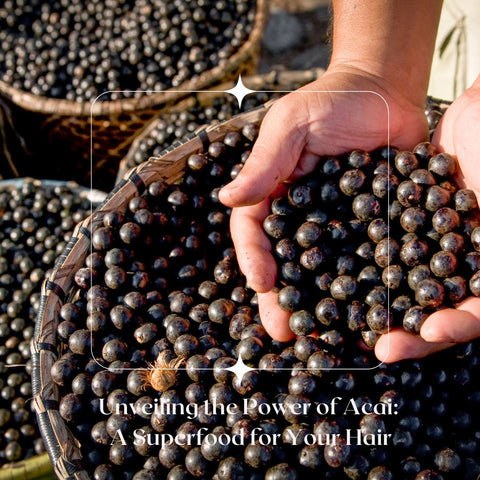
Acai is well-known for its nutritional benefits when consumed, but it also has remarkable benefits for hair health when applied topically. Acai is a true superfood for hair, providing numerous benefits for scalp health, hair growth, hydration, strength, colour protection, texture, and shine. Acai, whether used as an oil, extract, or ingredient in hair care products, can transform dull, dry, or damaged hair into healthy, vibrant locks.
The Nutrient Rich Profile of Acai Oil and Its Impact on Hair
Acai oil has a potent nutrient profile, making it extremely beneficial to hair health. Here's a look at the key nutrients in acai oil and how they affect hair:
-
Acai oil contains antioxidants such as vitamin C, anthocyanins, and flavonoids. These antioxidants help to protect the hair follicles and scalp from oxidative stress caused by free radicals, environmental pollutants, and UV radiation. By neutralizing free radicals, antioxidants help prevent damage to the hair shaft, reduce hair breakage, and maintain overall hair health.
-
Acai oil contains omega-3, omega-6, and omega-9 fatty acids, which are required for healthy hair. These fatty acids nourish and moisturise the hair follicles, promote scalp health, and increase the elasticity of the hair shaft. They also help to repair damage to the hair cuticle, making it smoother and easier to manage.
-
Acai oil contains high levels of vitamins A, B, and E, all of which are essential for hair growth and vitality. Vitamin A helps to regulate sebum production, which prevents dry scalp and promotes healthy hair growth. The vitamin B complex (which includes biotin, niacin, and pantothenic acid) promotes the production of keratin, the protein that comprises the hair shaft, resulting in stronger, more resilient hair. Vitamin E is a powerful antioxidant that protects hair from damage and promotes hair growth.
-
Acai oil contains minerals like iron, calcium, and zinc, which are necessary for healthy hair follicles and hair growth. Iron deficiency can cause hair loss and thinning, so getting enough iron is essential for keeping your hair healthy. Calcium regulates hair growth cycles and maintains the structural integrity of the hair shaft, whereas zinc is required for protein synthesis and DNA repair, both of which are necessary for healthy hair growth.
-
Acai oil contains phytosterols, which are plant-based compounds with anti-inflammatory properties that help soothe and calm the scalp. By reducing inflammation and irritation, phytosterols help create a healthy environment for hair growth and prevent conditions such as dandruff and scalp psoriasis.
Comparative Analysis: Acai Oil vs. Traditional Hair Care Oils
When comparing acai oil to traditional hair care oils, several factors must be considered, including nutrient profile, hair health benefits, texture, and application. In this blog, we will compare acai oil to traditional hair care oils such as coconut oil, argan oil, and jojoba oil. While acai oil has moisturising and conditioning properties that are similar to traditional hair care oils such as coconut oil, argan oil, and jojoba oil, its unique nutrient profile distinguishes it. Acai oil provides a wide range of hair health benefits, including antioxidant protection, scalp nourishment, and hair growth promotion, making it an excellent addition to any hair care regimen.
Scientific Insight: How Acai Oil Promotes Hair Growth and Strength
Acai oil promotes hair growth and strength due to its high nutrient content and a variety of bioactive compounds. Here's a scientific explanation of how acai oil promotes hair growth and increases hair strength:
-
Antioxidant Protection: Acai oil is high in antioxidants like polyphenols, flavonoids, and anthocyanins. These antioxidants help to neutralise free radicals and alleviate oxidative stress on the scalp and hair follicles. By protecting the hair follicles from damage caused by free radicals, acai oil creates a favorable environment for healthy hair growth.
-
Anti-Inflammatory Effects: Acai oil has anti-inflammatory properties due to the presence of compounds such as phenolic acids and phytosterols. Inflammation of the scalp can disrupt hair growth cycles and result in conditions like alopecia. By reducing inflammation, acai oil helps maintain scalp health and supports optimal conditions for hair growth.
-
Nourishment and Moisture: Acai oil contains essential fatty acids such as omega-3, omega-6, and omega-9. These fatty acids moisturise and nourish the scalp and hair follicles, promoting hair growth while preventing dryness and breakage. Adequate hydration is essential for keeping hair strong and elastic.
-
Scalp Health: A healthy scalp is essential for hair growth, and acai oil helps to promote scalp health in a variety of ways. It regulates sebum production, relieves scalp irritation and inflammation, and promotes the growth of healthy hair follicles. Acai oil also contains vitamins and minerals that nourish the scalp and improve circulation, allowing nutrients to reach the hair follicles more efficiently.
-
Hair Follicle Stimulation: Acai oil contains compounds such as procyanidin oligomers, which have been shown to promote hair growth by stimulating the activity of hair follicle stem cells. These compounds prolong the anagen (growth) phase of the hair growth cycle and stimulate the proliferation of hair follicle cells, resulting in thicker, fuller hair.
-
Environmental Protection: Acai oil contains tocopherols (vitamin E) and carotenoids, which help protect the hair from UV radiation, pollution, and harsh weather conditions. By forming a protective barrier on the hair shaft, acai oil minimizes damage and prevents hair breakage and split ends, promoting overall hair strength and resilience.
-
Enhanced Circulation: Acai oil's nutrients and bioactive compounds improve blood circulation to the scalp, delivering oxygen and essential nutrients to the hair follicles. Improved circulation promotes hair growth and ensures the efficient removal of metabolic waste products, which can impair hair follicle function.
Harnessing Acai Oil: Practical Tips for Luscious Hair
Harnessing the benefits of acai oil for luscious hair involves incorporating it into your hair care routine in various ways. Here are some practical tips for using acai oil to promote healthy, beautiful hair:
-
Use as a Scalp Treatment: Massage a few drops of acai oil into your scalp using your fingertips. Leave it on for at least 30 minutes or overnight to nourish the scalp, improve circulation, and promote hair growth. Wash your hair as usual to remove the oil.
-
Add to Hair Masks: Mix acai oil with other hair-healthy ingredients such as coconut oil, honey, or avocado to create a nourishing hair mask. Apply the mask to damp hair, focusing on the lengths and ends. Leave it on for 20-30 minutes before rinsing thoroughly.
-
Boost Your Conditioner: Add a few drops of acai oil to your regular conditioner to enhance its moisturizing and nourishing properties. Apply the conditioner as usual after shampooing, leave it on for a few minutes, then rinse thoroughly.
-
Use as a Leave-In Treatment: Apply a small amount of acai oil to damp or dry hair as a leave-in treatment. Focus on the mid-lengths and ends to hydrate and protect the hair from environmental damage. Acai oil helps tame frizz, add shine, and improve manageability.
-
Pre-Shampoo Treatment: Apply a generous amount of acai oil to dry hair before shampooing to provide deep hydration and protection. Leave it on for 30 minutes to an hour before shampooing as usual. This helps prevent moisture loss and protects the hair from damage during the washing process.
-
DIY Hair Serum: Mix acai oil with a lightweight carrier oil such as jojoba or argan oil to create a customized hair serum. Apply a small amount to damp or dry hair to add shine, tame flyaways, and protect against heat styling.
-
Scalp Massage: Incorporate acai oil into your scalp massage routine to stimulate circulation, promote relaxation, and nourish the scalp. Use gentle, circular motions to massage the oil into the scalp for a few minutes before washing your hair.
-
Overnight Treatment: For an intensive conditioning treatment, apply a generous amount of acai oil to damp hair before bedtime. Cover your hair with a shower cap or towel to prevent staining your pillowcase, and wash it out in the morning for soft, hydrated locks.
By incorporating these practical tips into your hair care routine, you can harness the benefits of acai oil for luscious, healthy hair. Whether used as a scalp treatment, hair mask, conditioner booster, or leave-in treatment, acai oil can help nourish, strengthen, and beautify your hair from root to tip.
DIY Acai Oil Treatments for Every Hair Type
Creating DIY acai oil treatments for various hair types is an excellent way to address specific hair concerns while reaping the benefits of this nourishing oil. Here are some DIY acai oil treatments appropriate for different hair types:
- Dry Hair: Ingredients are 2 tablespoons acai oil, 1 tablespoon coconut oil and 1 tablespoon honey. In a bowl, combine the acai oil, coconut oil, and honey until well blended. Apply the mixture to damp hair, focusing on the lengths and ends. Leave the treatment on for 30 minutes to an hour.
- Oily Hair: Ingredients are 2 tablespoons acai oil, 1 tablespoon apple cider vinegar and 1 tablespoon aloe vera gel. Mix the acai oil, apple cider vinegar, and aloe vera gel in a bowl. Apply the mixture to damp hair, concentrating on the scalp and roots. Leave the treatment on for 20-30 minutes.
- Fine Hair: Ingredients are 1 tablespoon acai oil, 1 tablespoon argan oil and 3 drops lavender essential oil. Combine the acai oil, argan oil, and lavender essential oil in a small bowl. Apply the mixture to damp hair, focusing on the mid-lengths and ends. Leave the treatment on for 15-20 minutes.
- Frizzy Hair: Ingredients are 2 tablespoons acai oil, 1 tablespoon shea butter and 5 drops rosemary essential oil. Melt the shea butter in a double boiler until smooth. Remove from heat and stir in the acai oil and rosemary essential oil. Allow the mixture to cool slightly, then apply it to damp hair, focusing on the ends. Leave the treatment on for 30 minutes to an hour.
- Damaged Hair: Ingredients are 2 tablespoons acai oil, 1 tablespoon jojoba oil and 1 tablespoon castor oil. Mix the acai oil, jojoba oil, and castor oil in a bowl until well combined. Apply the mixture to damp hair, starting from the roots to the ends. Gently massage the scalp for a few minutes to stimulate circulation. Leave the treatment on for 1-2 hours or overnight.
H3: "Incorporating Acai Oil into Your Daily Hair Care Routine"
Incorporating acai oil into your daily hair care routine is a simple and effective way to promote healthier, luscious hair. Here's how to easily incorporate acai oil into your daily hair care routine:
- Before washing your hair, apply a small amount of acai oil to the mid-lengths and ends. This protects the hair from damage while shampooing and prevents moisture loss.
- Add a few drops of acai oil to your regular shampoo and conditioner to boost their moisture and nourishing properties. Mix thoroughly before applying to ensure even distribution.
- After shampooing and conditioning, apply a pea-sized amount of acai oil to damp hair, concentrating on the lengths and ends. This helps to lock in moisture, reduce frizz, and add shine without weighing down the hair.
- Once or twice a week, massage acai oil into your scalp with your fingertips for a few minutes. This improves circulation, nourishes hair follicles, and promotes healthy hair growth.
- Use a small amount of acai oil as a natural styling aid to control flyaways, smooth frizz, and add shine to your hair. Apply a small amount to your palms and work it through your hair, concentrating on the areas that require extra attention.
- Before going to bed, apply a generous amount of acai oil to damp hair. Cover your hair with a shower cap or towel to avoid staining your pillowcase and leave it on overnight. Wash your hair in the morning for soft, hydrated locks.
- Mix acai oil with other natural ingredients like avocado, honey, or yoghurt for a weekly hair mask routine. Apply the mask to damp hair, leave it on for 20-30 minutes, and rinse thoroughly to reveal nourished, revitalised hair.
- Keep a small bottle of acai oil in your purse or bag for quick touch-ups during the day. Apply a drop or two to your palms and smooth over dry or frizzy hair for immediate hydration and shine.
Moisture and Repair: Acai Oil for Damaged and Dry Locks
Acai oil's rich nutrient profile and moisturising qualities can do wonders for dry, damaged hair. Acai oil can be used in the following ways to give your hair moisture and repair:
- Deep Conditioning Treatment: Combine your preferred deep conditioner with a couple of tablespoons of acai oil. After wetting your hair, apply the mixture and let it sit for 20 to 30 minutes. Rinse hair well with warm water to expose nourished, silky hair.
- Overnight Medical Care: Apply a generous amount of acai oil, paying special attention to the ends of your damp or dry hair, before going to bed. To avoid leaving stains on your pillowcase, wrap your hair in a towel or wear a shower cap. Wash your hair as usual in the morning to achieve incredibly moisturised and repaired hair.
- Split End Treatment: Apply a small amount of acai oil to the ends of your hair to combat split ends and prevent further damage. Concentrate on the tips of your hair, where split ends are most common, and apply the oil overnight for intensive repair.
- Leave-In Conditioner: After washing and conditioning your hair, apply a pea-sized amount of acai oil to damp hair, focusing on the lengths and ends. Leave the oil in your hair as a leave-in conditioner to provide ongoing moisture and repair throughout the day.
- Scalp Massage: Spend a few minutes massaging acai oil into your scalp to nourish the hair follicles and promote healthy hair growth. Massage the oil into your scalp in circular motions with your fingertips, then let it sit for 30 minutes to an hour before shampooing.
- Protective Styling Aid: To protect your hair from heat damage, apply a small amount of acai oil before styling it with heat tools. The oil forms a protective barrier around the hair shaft, preventing moisture loss and reducing damage from styling.
- DIY Hair Mask: Make a homemade hair mask by combining acai oil with honey, avocado, or yoghurt. Apply the mask to clean, damp hair and let it sit for 20-30 minutes before thoroughly rinsing. This DIY treatment will deeply moisturise and repair dry, damaged hair.
- Daily Moisturizing: Add acai oil to your daily hair care regimen by applying a small amount to dry or frizzy hair as needed. Use it to smooth flyaways, add shine, and keep your locks moisturised and repaired throughout the day.
Beyond Beauty: Understanding the Safety and Sustainability of Acai Oil
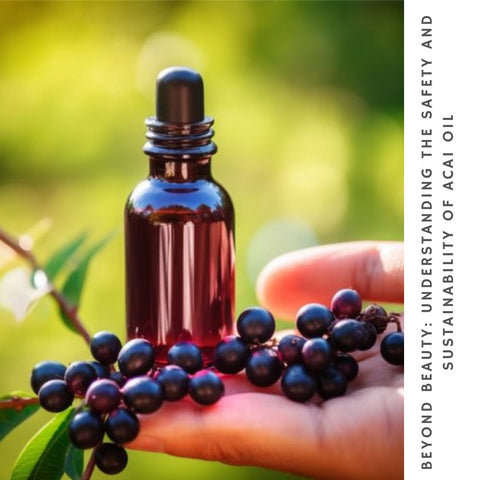
Beyond from its cosmetic benefits, understanding the safety and sustainability of acai oil is essential for responsible consumption. Understanding the safety and sustainability of acai oil requires considering sourcing practices, environmental impact, community benefits, and certifications. Consumers can benefit from the beauty benefits of acai oil while also supporting conservation efforts and sustainable development in the Amazon rainforest by purchasing products that are responsibly sourced and produced.
Navigating the Market: Choosing the Right Acai Oil Product
Navigating the market to find the best acai oil product requires careful consideration of several factors, including purity, sourcing, certifications, and personal preferences. Here's a guide to help you make an informed decision, covering purity and quality, sourcing and sustainability, certifications, packaging and presentation, reviews and reputation, and personal preferences. By taking into account purity, sourcing, certifications, packaging, reviews, and personal preferences, you can navigate the market and select the best acai oil product that aligns with your values while also meeting your hair care needs.
Ethical Sourcing: The Importance of Choosing Organic and Sustainable Acai Oil
Ethical acai oil sourcing is critical for environmental conservation, social responsibility, and community well-being. Here's why using organic and sustainable acai oil is important:
-
Environmental Conservation: Organic and sustainable acai oil production practices prioritise environmental stewardship while minimising negative effects on ecosystems. Organic farming methods avoid the use of synthetic pesticides, herbicides, and fertilisers, resulting in less chemical runoff and soil degradation. Sustainable harvesting practices ensure the long-term survival of acai palm trees and the surrounding rainforest ecosystem. Selective harvesting methods preserve biodiversity and wildlife habitats, which improves overall ecosystem health.
-
Protection of Biodiversity: Acai palm trees play an important role in the Amazon rainforest ecosystem, providing habitat and food for a variety of plants and animals. Sustainable harvesting practices help to preserve biodiversity by ensuring healthy acai palm populations and protecting the surrounding forest habitat. Consumers who choose organic and sustainable acai oil products support conservation efforts that protect the Amazon rainforest's rich biodiversity, which is home to thousands of plant and animal species.
-
Protection of Indigenous Rights: Acai oil harvesting and production creates economic opportunities for Amazonian indigenous communities. Sustainable sourcing practices respect indigenous peoples' rights and traditional knowledge, allowing them to benefit from the natural resources on their ancestral lands. Fair trade partnerships and community development initiatives ensure that indigenous communities receive fair wages, equal access to education and healthcare, and opportunities for cultural preservation and self-determination.
-
Reduction of Environmental Impact: Organic and sustainable acai oil production lowers the environmental impact of agricultural activities in the Amazon region. By avoiding the use of synthetic chemicals and implementing eco-friendly farming practices, producers can reduce soil erosion, water pollution, and deforestation associated with conventional agriculture. Sustainable sourcing practices prioritise resource conservation, reduce waste generation, and promote the use of renewable energy, thereby lowering the environmental impact of acai oil production.
-
Consumer health and safety: Organic acai oil products contain no synthetic pesticides, herbicides, or chemical fertilisers, lowering the risk of exposure to harmful residues. Organic certification ensures that acai oil is produced by strict environmental, health, and safety standards. By purchasing organic and sustainable acai oil products, consumers can reap the benefits of pure, natural ingredients while also supporting ethical sourcing practices that promote environmental and social responsibility.
Side Effects and Safety: What You Need to Know Before Using Acai Oil
Before using acai oil, it's important to understand the potential side effects and safety concerns. While acai oil is generally considered safe for topical use, there are a few things to consider, including skin sensitivity, purity and quality, allergic reactions, eye contact, ingestion, storage, and consultation with a healthcare professional. By keeping these safety considerations in mind and adhering to best practices for using acai oil, you can reap its potential benefits for skincare and haircare while reducing the risk of adverse reactions or side effects. If you have any concerns or experience any unexpected reactions, stop using the product and seek medical attention right away.
Elevating Hair Care: The Future of Acai Oil in Beauty Regimens

The future of acai oil in beauty regimens appears bright, with the potential to improve hair health, sustainability, and consumer satisfaction. As beauty brands continue to innovate and prioritise natural, effective, and ethical ingredients, acai oil is expected to play an important role in the future of hair care.