Aminexil for Hair Fall: Does It Support Hair Regrowth?
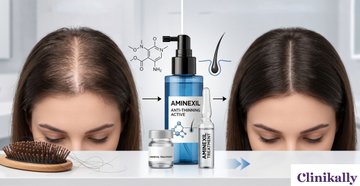
Aminexil has become a buzzword in hair care for anyone dealing with thinning hair and early signs of hair loss. You’ll spot it in a lot of modern hair serums and scalp treatments, and for good reason. People reach for Aminexil to fight hair fall, help stop too much shedding, and, maybe most importantly, support real hair regrowth you can actually see. Whether you’re starting to notice a widening part or more hairs in your brush, Aminexil is out there promising to strengthen roots, boost scalp health, and thicken up your hair. Unlike old-school hair oils, this stuff has some clinical research behind it, and a lot of people say it leaves their hair looking fuller and healthier. As more folks look for non-invasive ways to handle hair issues, Aminexil-based products just keep getting more popular, especially for those hoping to manage receding hairlines and stress-induced hair fall as naturally as possible.
What Is Aminexil?
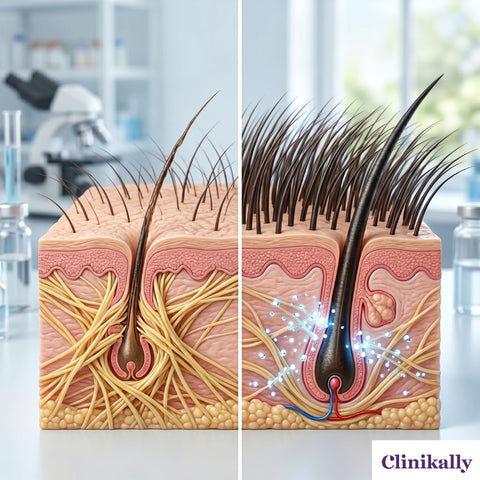
Aminexil is a widely recognized anti-hair loss ingredient designed to help reduce hair thinning, strengthen weakened hair follicles, and support healthier hair growth over time. Commonly recommended for men and women experiencing excessive hair fall, receding hairlines, postpartum shedding, or stress-induced hair thinning, Aminexil-based hair serums are gaining popularity in advanced scalp care routines. Hair thinning often occurs due to factors like genetics, hormonal imbalance, poor scalp circulation, pollution, nutritional deficiencies, and chronic stress, all of which can weaken the hair growth cycle. By helping maintain scalp flexibility and improving root anchorage, Aminexil may support fuller-looking, denser hair. Its growing presence in dermatologist-recommended hair regrowth treatments reflects increasing demand for science-backed hair fall solutions
Aminexil vs Minoxidil
Aminexil, also known as Diaminopyrimidine Oxide, is a cosmetic ingredient used in products for hair thinning and hair fall. It is thought to support the scalp around the hair follicle and may help maintain hair anchoring. Aminexil is commonly used in scalp care products designed to reduce hair fall and support healthier looking, fuller hair. However, more research is needed to establish how well it supports hair regrowth.
Aminexil is often compared with minoxidil because both are used in products for people concerned about hair thinning. However, they work in different ways. Minoxidil has been studied more extensively and may support hair growth by influencing the hair growth cycle. Aminexil is mainly proposed to support the scalp environment and hair anchoring. Therefore, Aminexil vs Minoxidil is less about choosing one over the other and more about understanding how their roles and evidence differ.
Hair Shedding vs Hair Breakage
Understanding the difference between hair shedding and hair breakage is essential when choosing the right hair fall treatment, scalp care routine, or hair growth serum. Although both conditions can make hair appear thinner and less healthy, they occur for completely different reasons and require targeted solutions. Identifying whether you are dealing with excessive hair shedding or damaged hair breakage can help improve the effectiveness of anti-hair fall products, strengthening shampoos, scalp serums, and hair regrowth treatments while preventing further thinning and loss of density.
-
Hair shedding starts from the root: Shedding occurs when the entire hair strand falls out from the scalp, often showing a small white bulb at the root. It is commonly linked to stress, hormonal imbalance, postpartum hair loss, seasonal hair fall, nutritional deficiencies, or scalp conditions affecting the hair growth cycle.
-
Hair breakage happens along the hair shaft: Breakage is caused by weakened, brittle hair snapping midway instead of falling from the root. Frequent heat styling, chemical treatments, hair coloring, over-washing, UV exposure, and lack of hydration are major triggers of damaged hair and split ends.
-
Shedding affects hair density over time: Excessive shedding can lead to visible thinning hair, widened part lines, and reduced scalp coverage. This is why many people search for hair regrowth serums, Aminexil treatments, Minoxidil alternatives, and scalp strengthening solutions to support healthier follicle function.
-
Breakage mainly affects hair length and texture: Hair breakage makes strands appear frizzy, rough, uneven, and difficult to manage. Even if the scalp has active hair growth, broken strands prevent hair from looking thick, smooth, or voluminous.
-
Scalp health plays a major role in shedding: Poor scalp circulation, inflammation, dandruff, oil buildup, and clogged follicles can contribute to increased hair fall. Using scalp exfoliators, anti-hair thinning serums, and nourishing scalp treatments may help improve the scalp environment.
-
Hair fiber damage causes breakage: Dryness, protein loss, and weakened cuticles increase the risk of snapping and split ends. Repair-focused hair masks, keratin treatments, bond-repair products, and hydrating conditioners are often recommended for damaged hair repair.
-
Treatment strategies are completely different: Shedding-focused routines prioritize hair growth ingredients like Aminexil, peptides, caffeine, biotin, and scalp serums, while breakage-focused care relies more on strengthening shampoos, moisturizing masks, leave-in treatments, and heat protection products.
-
Both conditions can happen together: Many individuals experience hair shedding and breakage simultaneously due to stress, pollution, poor diet, overstyling, or harsh hair care routines. A balanced approach combining scalp care and strand repair is often the most effective solution for healthier-looking hair.
Recognizing whether your concern is rooted in scalp-related hair shedding or external hair breakage can completely change your hair care strategy and improve long-term results. Choosing the right anti-hair fall treatment, repairing damaged strands, and supporting overall scalp health are key steps toward achieving stronger, thicker, and visibly healthier hair while minimizing future thinning and breakage.
What Does Hair Regrowth Mean?
Now, if you’re starting a hair regrowth journey, here’s what matters: results look different for everyone. Your scalp’s condition, the stage of hair loss, your genes, what you eat, stress levels, everything plays a part. For some people, regrowth just means thicker coverage where hair used to be sparse; for others, it’s about finally seeing less hair in the shower drain and holding onto what’s left. Modern serums blend Aminexil with peptides, caffeine, and botanicals to help revive weak roots and support healthier hair cycles. This is why terms like hair thickening serum, scalp treatment for thinning hair, and hair density improvement continue trending across dermatologist-recommended hair care and advanced scalp therapy routines.
It’s normal to hope for instant results. But honestly, most people see progress first as less daily hair fall, not overnight regrowth. Maybe you spot fewer hairs on your pillow, maybe your part looks a bit fuller, or the texture starts to feel stronger. Consistency with scalp serums, hair strengthening shampoos, and nutrient-rich hair care products plays a major role in supporting long-term hair health and minimizing future thinning. Since hair growth occurs gradually through natural growth cycles, realistic expectations are essential when using hair loss treatments, Minoxidil alternatives, or scalp nourishment solutions. Hair just doesn’t grow back instantly. Instead, it happens bit by bit. Keeping your goals clear, whether you want thicker hair, less breakage, or just less shedding, makes it easier to find the routine that works for you.
How Does Aminexil Work?
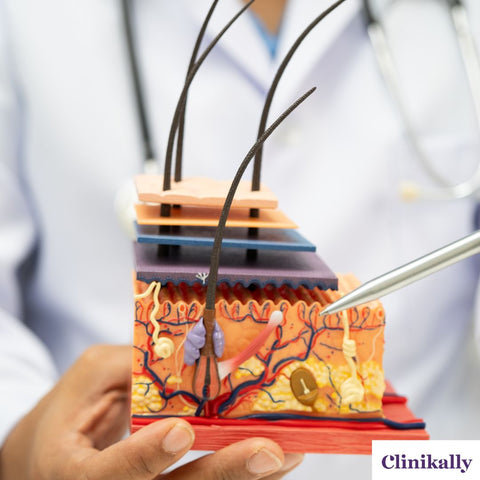
Aminexil is widely recognized in advanced hair care for its potential role in supporting a healthier follicle environment, improving scalp condition, and reducing excessive hair shedding linked to thinning hair. Often used in dermatologist-recommended anti-hair fall serums, Aminexil is associated with maintaining scalp flexibility and supporting collagen balance around hair follicles, which may help improve root anchorage and reduce premature hair loss. A healthier scalp environment is essential for stronger, fuller-looking hair growth, especially in cases of stress-related hair fall, hormonal thinning, and weakened hair density. Frequently combined with peptides, biotin, caffeine, and botanical extracts, Aminexil-based scalp treatments are increasingly popular in modern hair regrowth routines targeting hair strengthening, scalp nourishment, and visible hair density improvement for both men and women.
Aminexil and Perifollicular Fibrosis
Perifollicular fibrosis is an increasingly discussed topic in advanced hair loss research and scalp health science, especially among individuals dealing with thinning hair, excessive shedding, and reduced hair density. The term refers to the buildup or stiffening of collagen around hair follicles, which may affect the scalp environment and interfere with healthy hair growth cycles. Many modern anti-hair fall treatments, scalp serums, and hair regrowth solutions are now designed to support healthier follicle function and improve scalp flexibility as part of a long-term hair restoration strategy.
-
The Perifollicular Fibrosis process may create a tighter, less flexible environment around the follicle, potentially affecting nutrient flow, follicle support, and healthy hair anchorage over time.
-
Researchers studying androgenetic alopecia, stress-related hair fall, and chronic scalp inflammation have explored how collagen buildup around follicles may contribute to progressive hair miniaturization and reduced hair density.
-
Persistent irritation, dandruff, excess oil buildup, pollution exposure, and poor scalp health can contribute to inflammatory stress around follicles, potentially impacting normal hair growth patterns.
-
Proper scalp circulation, balanced hydration, and reduced inflammation help support stronger roots, healthier hair retention, and improved scalp resilience.
-
As follicles become weaker or compressed over time, hair may appear finer, shorter, and less dense, contributing to visible scalp exposure and widening part lines.
-
Aminexil-based hair serums are often marketed for supporting scalp flexibility and helping maintain a healthier follicle environment in anti-hair thinning routines.
-
Peptides, caffeine, biotin, niacinamide, botanical extracts, and scalp-nourishing actives are commonly paired with Aminexil in hair regrowth serums targeting weakened roots and excessive hair shedding.
-
Addressing thinning hair, scalp imbalance, and chronic shedding early may help improve hair retention and support fuller-looking hair before advanced follicle weakening progresses further.
Understanding perifollicular fibrosis highlights why scalp health plays such a major role in hair regrowth and anti-hair fall treatments. Supporting scalp flexibility, minimizing inflammation, and strengthening weakened follicles through targeted scalp care routines may help improve overall hair density, reduce excessive shedding, and encourage healthier-looking hair growth over time.
Why Stronger Roots Is Often Framed as Better Retention (Not Instant New Growth)
A healthy scalp micro-environment plays a major role in maintaining stronger hair roots, improving hair retention, and reducing excessive hair shedding. In many modern anti-hair fall treatments, the phrase “stronger roots” usually refers to helping existing hair stay anchored longer rather than delivering instant visible hair regrowth. Supporting scalp health, follicle stability, and balanced hydration can gradually improve overall hair density and reduce thinning over time.
-
Stronger roots focus on hair retention: Many hair growth serums aim to reduce daily hair fall by helping existing strands remain attached to the scalp for longer.
-
Scalp health affects follicle performance: Poor scalp circulation, oil buildup, dandruff, and inflammation may weaken follicles and contribute to premature shedding.
-
Hair regrowth is usually gradual: Visible density improvement often starts with reduced shedding, less breakage, and healthier-looking strands before new growth becomes noticeable.
-
Aminexil and scalp serums target follicle support: Ingredients like Aminexil, peptides, caffeine, and biotin are commonly used in anti-hair thinning treatments to support scalp balance and stronger-looking roots.
-
Hydration and scalp flexibility matter: A nourished scalp environment may help maintain healthier follicles and improve overall hair resilience.
-
Consistency is essential for results: Daily use of scalp treatments, hair strengthening shampoos, and nourishing serums is often recommended for long-term hair care support.
Understanding the difference between improved hair retention and instant hair growth helps create more realistic expectations from hair regrowth treatments. By supporting scalp balance, strengthening weakened follicles, and reducing excessive shedding, targeted scalp care routines can contribute to fuller-looking, healthier hair over time.
What Does the Evidence Say About Aminexil?
Recent research on Aminexil shows it can help cut down on excessive hair shedding, boost scalp support, and anchor hair roots more firmly for people dealing with thinning hair or early hair loss. Scientists often zero in on diaminopyrimidine oxide (Aminexil’s formal name) and its ability to maintain scalp flexibility while keeping collagen around hair follicles healthier. Several studies and head-to-head comparisons have found people who consistently use Aminexil-based serums see less daily hair fall, hold onto more hair, and notice better hair quality. Because of these results, you’ll find Aminexil cropping up more in anti-hair fall serums, scalp-strengthening treatments, and dermatologist-recommended formulas targeting weak roots, stress-related shedding, or mild androgenetic alopecia.
Despite growing interest in Aminexil, Minoxidil still holds stronger clinical evidence and dermatology support, especially for visible hair regrowth and bumping up hair density in androgenetic alopecia. It’s been studied a lot longer, is FDA-approved, and its track record covers plenty of clinical trials confirming it can extend the hair growth phase, plump miniaturized follicles, and help grow thicker hair over time. Aminexil research is newer and mostly centers on keeping hair from shedding prematurely and supporting the scalp environment. It doesn’t always deliver the kind of dramatic regrowth Minoxidil does. That’s why most modern routines use Aminexil as a supporting player for scalp health, while Minoxidil stays front and center as the go-to treatment for real regrowth and density.
Is Aminexil Approved for Hair Loss?
Aminexil is widely available in cosmetic hair care products, including anti-hair fall serums, scalp treatments, and hair thinning solutions marketed for improving hair retention and supporting healthier-looking hair density. Unlike Minoxidil, which is classified as a drug and requires regulatory approval to treat pattern hair loss, Aminexil shows up as a cosmetic ingredient aimed at supporting and strengthening hair. That’s important for consumers who are weighing clinically proven regrowth options against more cosmetic approaches meant for mild thinning or shedding. Since Aminexil formulas are usually lightweight and non-greasy, people often reach for them daily when they want accessible, scalp-friendly products in their routine.
Personalizing Your Aminexil Routine

Personalising your Aminexil routine is important for achieving better hair retention, improving scalp health, and supporting healthier-looking hair growth based on your specific hair concerns and lifestyle factors. For stress-related shedding, postpartum hair loss, or early thinning, you might want to pair Aminexil serums with scalp-strengthening shampoos, peptide treatments, biotin supplements, or hydrating products. Your scalp type, oil levels, hair texture, environment, and styling habits all shape how your anti-hair fall routine works over time. Many hair growth routines recommended by dermatologists now lean on lightweight Aminexil serums alongside caffeine, niacinamide, or plant extracts to boost root strength, cut back on shedding, and promote density with steady care.
How to Use Aminexil in Your Hair Care Routine
Adding Aminexil to your hair care routine can help support healthier scalp conditions, improve hair retention, and reduce excessive hair shedding linked to thinning hair and weakened roots. Commonly found in anti-hair fall serums and scalp treatments, Aminexil is often used as part of a consistent hair growth routine designed to strengthen follicles and support fuller-looking hair over time.
-
Apply on a clean scalp: Use Aminexil rich serum like Be Bodywise Hair Growth Serum Roll-On on a freshly washed or dry scalp to improve absorption and support better scalp care results.
-
Target thinning areas directly: Focus application on hairline gaps, crown thinning, widened part lines, or areas with noticeable hair fall.
-
Massage gently into the scalp: A light scalp massage may help distribute the hair growth serum evenly and support scalp circulation.
-
Use consistently for best results: Daily or regular use is important in most anti-hair thinning routines to support hair retention and reduce excessive shedding.
-
Pair with a scalp-friendly shampoo: Sulphate-free shampoos, strengthening cleansers, and scalp balancing formulas may help maintain a healthier follicle environment. Densita Everyday Clarifying Shampoo can be used.
-
Combine with supportive ingredients: Aminexil is often used alongside peptides, caffeine, biotin, niacinamide, and botanical extracts in advanced hair regrowth treatments.
-
Avoid excessive heat and harsh styling: Reducing heat damage, tight hairstyles, and chemical treatments may help improve overall hair density and minimize breakage.
-
Track gradual progress: Early improvements may include less daily hair fall, stronger-looking strands, and healthier scalp condition before visible hair regrowth becomes noticeable.
A consistent Aminexil hair care routine works best when combined with proper scalp maintenance, balanced nutrition, and healthy hair habits. By supporting stronger roots, improving scalp balance, and reducing premature shedding, Aminexil-based scalp serums can become an important part of a long-term hair strengthening and hair density improvement strategy.
Ingredients to Pair with Aminexil
Pairing Aminexil with complementary hair care ingredients and scalp support products can help create a more effective anti-hair fall routine for thinning hair, weakened roots, and excessive shedding. Since Aminexil-based hair serums are commonly used to support scalp health and improve hair retention, combining them with targeted scalp care, nourishing treatments, and hair strengthening ingredients may help improve overall hair density and long-term hair growth support.
-
Peptides for stronger-looking hair: Hair peptides are commonly paired with Aminexil to support scalp nourishment, healthier follicles, and improved hair density.
-
Caffeine for scalp stimulation: Caffeine-based scalp serums and shampoos are popular for supporting scalp circulation and reducing hair thinning appearance.
-
Biotin for hair strengthening: Biotin supplements and hair care products may help improve hair texture, reduce brittleness, and support healthier hair growth routines.
-
Niacinamide for scalp balance: Niacinamide helps support scalp hydration, oil control, and barrier health, making it useful in scalp care routines for thinning hair.
-
Botanical extracts for scalp comfort: Ingredients like rosemary, ginseng, redensyl-inspired blends, and plant extracts are often included in hair regrowth serums for additional scalp support.
-
Protein and keratin treatments for breakage control: Strengthening damaged hair strands can help reduce split ends and improve overall hair fullness alongside scalp-focused treatments.
-
Sulphate-free shampoos for gentle cleansing: Mild shampoos help maintain scalp balance without over-drying the scalp or weakening fragile hair roots.
-
Balanced nutrition and hydration: Iron, zinc, protein, omega fatty acids, and adequate hydration are important for supporting healthy hair growth and minimizing excessive shedding.
Combining Aminexil with scalp-friendly ingredients, strengthening hair care products, and healthy lifestyle habits can help improve overall hair support and retention over time. A well-rounded hair growth routine focused on scalp health, reduced breakage, and follicle nourishment is often more effective for achieving fuller-looking, healthier, and stronger hair.
When to See a Dermatologist
While Aminexil-based hair serums and anti-hair fall treatments can support scalp health and reduce excessive shedding, some hair concerns may require personalised professional evaluation for accurate diagnosis and targeted treatment. Persistent hair thinning, sudden hair loss, patchy bald spots, scalp irritation, or long-term excessive shedding can sometimes be linked to hormonal imbalance, nutritional deficiencies, thyroid disorders, autoimmune conditions, chronic stress, or underlying scalp diseases that may not improve with over-the-counter hair growth products alone.
-
Rapid or severe hair loss: Sudden increases in daily hair fall or quickly worsening thinning hair may require professional scalp and hair assessment.
-
Patchy hair loss or bald spots: Uneven hair loss patterns could indicate conditions like alopecia areata or scalp-related disorders needing specialized care.
-
Persistent scalp irritation: Chronic itching, redness, dandruff, inflammation, or scalp sensitivity may affect follicle health and hair retention.
-
No improvement after consistent routine use: If anti-hair fall serums, scalp treatments, or hair strengthening products show little progress after several months, professional guidance may help identify underlying triggers.
-
Hormonal or medical hair loss concerns: Hair thinning associated with PCOS, postpartum changes, thyroid imbalance, menopause, or nutritional deficiencies often benefits from a more personalized treatment plan.
-
Excessive breakage alongside shedding: Severe hair fragility, split ends, and damaged hair texture may require both scalp-focused and hair repair strategies.
-
Interest in advanced hair regrowth treatments: Dermatologists and hair specialists can guide the safe use of clinically supported options like Minoxidil, prescription therapies, scalp procedures, or combination treatments.
Seeking personalised professional advice can help create a more effective and realistic hair regrowth strategy tailored to your scalp condition, hair type, lifestyle, and long-term goals. Early intervention, accurate diagnosis, and targeted scalp care are often key to improving hair density, reducing excessive shedding, and maintaining healthier-looking hair over time.
Final Thoughts on Building the Right Aminexil Routine
In the end, building an Aminexil routine is about creating a steady, scalp-focused plan to support hair retention, healthier follicles, and better density for the long haul and not expecting overnight miracles. Using Aminexil-based serums with scalp-friendly shampoos, nourishing peptides, caffeine, biotin, and balanced habits can boost scalp health and gradually cut down shedding. Since everyone’s thinning situation is different, you’ll get the best results by tailoring your routine to your own scalp, lifestyle, stress, and hair goals. With more people looking for science-backed hair solutions and dermatologist-approved scalp care, Aminexil’s popularity keeps climbing as a modern option for anyone wanting fuller, stronger, and healthier hair.