Best Antifungal Creams for Private Area
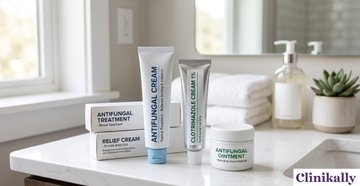
Fungal infections in the private area are common and can affect both men and women. They usually develop in warm, moist areas such as the groin, inner thighs and external genital skin, causing symptoms like itching, redness, burning, irritation and rashes. If left untreated, these infections may worsen or keep coming back.
Fortunately, you can treat and get rid of most superficial fungal infections with the right antifungal cream. However, choosing the best antifungal cream for private area depends on the type of fungal infection, its severity and the affected area. While many antifungal creams are suitable for both men and women, they are intended only for treating external fungal infections affecting the skin around the private area.
In this blog, we'll discuss the common causes and symptoms of fungal infections, review some of the best antifungal creams for private area and explain how to choose and use them correctly.
What Causes Fungal Infections in the Private Area?
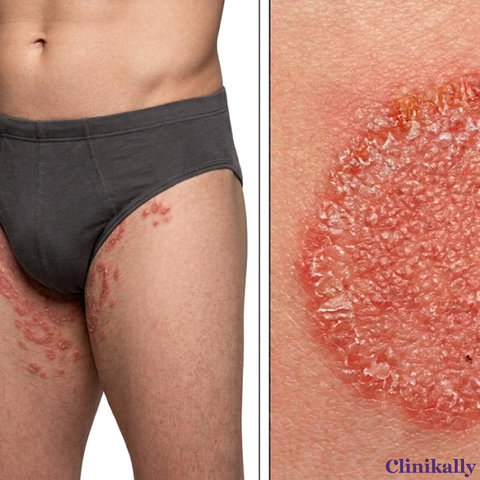
Fungal infections in the private area occur when fungi overgrow on the skin. The most common causes include dermatophytes, which cause infections such as tinea cruris (jock itch), and Candida yeast, which can cause superficial skin infections in moist skin folds. Here are some factors that can increase the risk of developing a fungal infection in the private area:
-
Excessive sweating: Sweat trapped around the groin creates a warm, moist environment where fungi can thrive.
-
Tight or non-breathable clothing: Tight fitting or synthetic fabrics reduce airflow and trap heat and moisture against the skin.
-
Friction: Continuous rubbing between the thighs or from tight clothing can damage the skin, making it easier for fungi to grow.
-
Poor hygiene or inadequate drying: Not drying the area properly after bathing, swimming, or exercise can encourage fungal growth.
-
Diabetes: High blood sugar levels may increase the risk of recurrent fungal infections.
-
Weakened immune system: Certain medical conditions and medications can reduce the body's ability to fight fungal infections.
-
Recent antibiotic use: Antibiotics may disrupt the normal balance of microorganisms on the skin, allowing fungi such as Candida to overgrow.
-
Sharing personal items: Sharing towels, clothing, or undergarments with an infected person may increase the risk of transmission.
Keeping the private area clean and dry, wearing breathable cotton underwear and seeking early treatment can help reduce the risk of fungal infections and prevent them from recurring.
Symptoms That May Indicate a Fungal Infection
Recognizing the symptoms early can help you choose the best antifungal cream for private area and begin treatment before the infection worsens. While symptoms may vary depending on the type of fungus, the most common signs include:
-
Intense itching: Persistent itching is often the earliest and most noticeable symptom. It may become worse after sweating, exercising, or wearing tight clothing.
-
Redness and rash: A fungal infection typically causes a red or discoloured rash with well-defined edges. The rash may gradually spread to the surrounding skin if left untreated.
-
Burning or irritation: The affected area may sting or burn, particularly after friction, physical activity, or prolonged moisture exposure.
-
Flaky, scaly, or peeling skin: As the infection progresses, the skin may become dry, cracked, scaly, or start to peel.
-
Ring shaped rash: In infections such as ringworm (tinea cruris), the rash may appear circular with a raised, well-defined border and a clearer center.
-
Discomfort during daily activities: Itching, irritation, and inflammation may make walking, exercising, or sitting uncomfortable.
Although some people may notice an unusual odor, odor alone is not a reliable sign of a fungal infection and may be caused by other skin or medical conditions. Also, not every itchy rash in the private area is caused by a fungal infection. Conditions such as contact dermatitis, eczema, psoriasis, bacterial skin infections and certain sexually transmitted infections can produce similar symptoms. If your symptoms are severe, keep recurring or do not improve with treatment, consult a dermatologist for an accurate diagnosis.
6 Best Antifungal Creams for Private Area
Choosing the best antifungal cream for private area depends on the type of fungal infection, the active ingredient, and your dermatologist's recommendation. Some creams work better against dermatophyte infections such as jock itch and ringworm, while others are more effective for yeast related skin infections. The following creams are commonly prescribed for treating external fungal infections affecting the groin, inner thighs, and external genital skin:
|
Product |
Key Composition |
Best For |
|
Luliconazole |
Jock itch, ringworm, dermatophyte infections |
|
|
Ketoconazole |
Yeast and superficial fungal skin infections |
|
|
Luliconazole |
Tinea cruris, ringworm, athlete's foot |
|
|
Ciclopirox Olamine |
Broad spectrum superficial fungal infections |
|
|
Sertaconazole |
Dermatophyte and yeast skin infections |
|
|
Eberconazole |
Superficial fungal infections with itching and redness |
1. Luliporus XL Cream
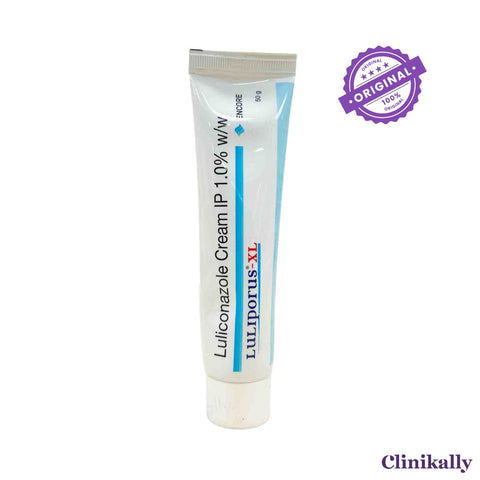
This antifungal cream for private area contains 1% Luliconazole that helps treat superficial fungal infections such as jock itch (tinea cruris) and ringworm affecting the groin and surrounding skin. Let’s understand why it stands out:
-
Effective Against Dermatophytes: It is commonly prescribed for fungal infections such as jock itch and ringworm.
-
Relieves Itching and Redness: It helps reduce itching, irritation, and redness caused by fungal infections.
-
Suitable for Localized Skin Infections: It is commonly prescribed for fungal infections affecting the groin, inner thighs, and other skin folds.
2. Mesoketz Cream
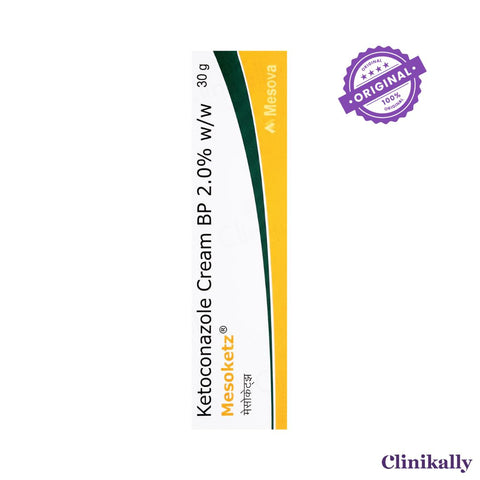
It contains 2% Ketoconazole which is a broad-spectrum antifungal medication that helps treat fungal and yeast infection. Here are some of its benefits that makes it one of the best antifungal creams for private parts:
-
Broad-Spectrum Antifungal: It is an effective treatment for both dermatophytes and Candida species.
-
Suitable for Moist Skin Folds: It is commonly prescribed for fungal infections affecting warm and moist areas of the body.
-
Helps Restore Healthy Skin: It supports recovery by controlling fungal overgrowth.
3. Lulinox-30 Cream
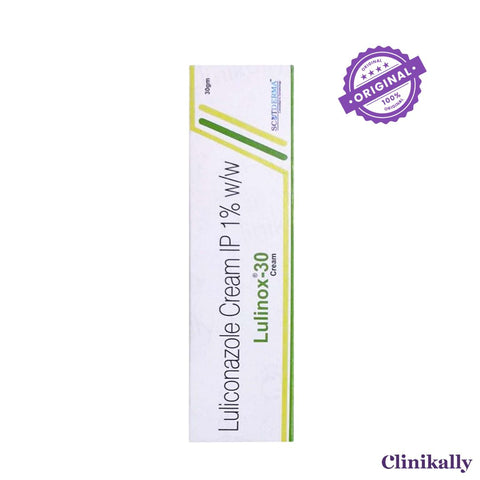
This antifungal cream is formulated with 1% Luliconazole, which is commonly prescribed to treat dermatophyte infections such as jock itch and ringworm affecting the groin and surrounding skin. Here are some of its key benefits:
-
Treats Ringworm: It helps manage ringworm affecting the groin and surrounding skin.
-
Controls Fungal Growth: It works by stopping fungi from multiplying and spreading.
-
Relieves Common Symptoms: It helps reduce itching, burning, redness and scaling.
4. Ciclocan Cream
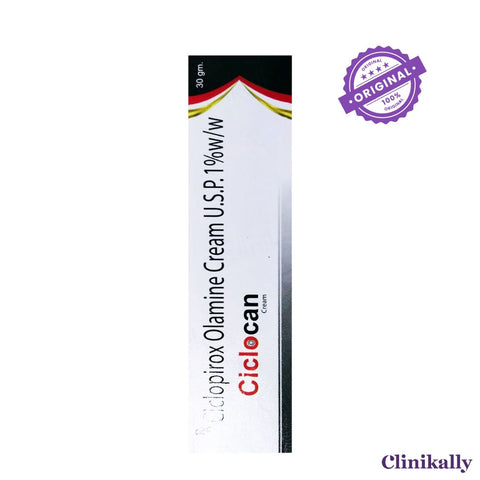
This cream contains 1% Ciclopirox Olamine, a broad-spectrum antifungal agent that works against different types of fungi responsible for superficial skin infections. It also helps relieve irritation associated with fungal infections. Here’s why it stands out:
-
Broad-Spectrum Action: It helps treat a wide range of superficial fungal skin infections.
-
Relieves Discomfort: It helps reduce itching, redness, and irritation.
-
Additional Antibacterial Action: It also has activity against certain bacteria, making it useful in selected mixed skin infections.
5. Onabet Cream
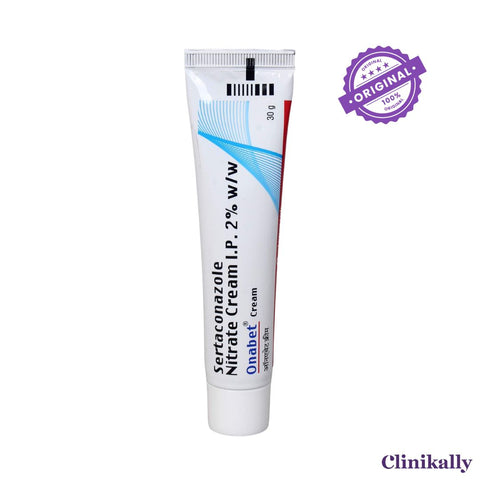
This antifungal cream for private parts is formulated with 2% Sertaconazole. It is often prescribed for fungal skin infections such as jock itch and ringworm by dermatologists. Let's have a look at its key benefits:
-
Treats Jock Itch and Ringworm: It helps manage common fungal infections affecting the groin.
-
Provides Itch Relief: It helps reduce itching and discomfort caused by fungal infections.
-
Broad Antifungal Activity: It is effective against various fungi responsible for superficial skin infections.
6. Eberfine Cream
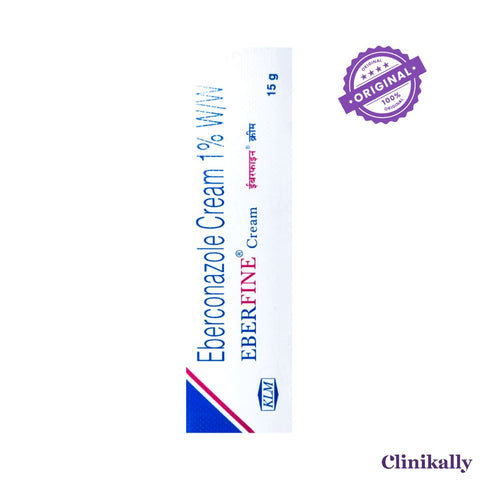
It contains Eberconazole, an antifungal medication used to treat superficial fungal infections caused by dermatophytes and yeast. It works by inhibiting the production of ergosterol, an essential component of the fungal cell membrane, helping eliminate the infection. Here are some of its benefits that makes it stand out:
-
Controls Fungal Infections: It helps treat fungal infections affecting the groin and surrounding skin.
-
Reduces Itching and Redness: It provides relief from irritation and inflammation caused by fungal infections.
-
Supports Skin Recovery: It helps improve the appearance of the affected skin as the infection clears.
How to Choose the Best Antifungal Cream for Your Condition

With several treatment options available, choosing the best antifungal cream for private area can feel confusing. The right cream depends on the type of fungal infection, the affected area, and the severity of your symptoms. Here are some of the factors you should consider before choosing an antifungal cream for private area:
-
Identify the Type of Infection: Different fungi respond to different antifungal ingredients. An accurate diagnosis helps ensure you receive the most effective treatment.
-
Consider the Affected Area: Choose a cream intended for external fungal infections affecting the groin, inner thighs, or external genital skin. Internal vaginal infections require different treatments.
-
Assess the Severity: Mild infections often improve with topical antifungal creams, while recurrent or widespread infections may require additional medical treatment.
-
Check the Active Ingredients: Formulations such as Luliconazole, Ketoconazole, Sertaconazole, Ciclopirox, and Eberconazole are commonly prescribed for different types of superficial fungal infections.
-
Avoid Self Medication: Before using an antifungal cream for private area, consult a dermatologist to confirm that your symptoms are caused by a fungal infection and to choose the most appropriate treatment.
How to Apply Antifungal Cream Correctly
The effectiveness of an antifungal cream for private area depends not only on the medicine but also on how you use it. You can follow these simple steps that can help you improve your treatment outcomes:
-
Clean and Dry the Area: Gently clean the affected skin and pat it completely dry before applying the cream.
-
Apply a Thin Layer: Apply a thin layer to the affected skin and surrounding area as directed by your dermatologist.
-
For External Use Only: Use these creams only on the external skin unless your dermatologist advises otherwise.
-
Wash Your Hands: Wash your hands before and after application to help prevent the spread of infection.
-
Complete the Treatment: Continue using the cream for the full duration prescribed, even if your symptoms improve.
Tips to Prevent Fungal Infections from Returning
Prevention is just as important as treatment. Even after using the best antifungal cream for private area, fungal infections can return if the conditions that promote fungal growth persist. The risk of recurrent fungal infection can be reduced by incorporating these simple habits in your routine:
-
Wear Breathable Fabrics: Choose loose fitting cotton underwear and avoid tight or non-breathable clothing that traps heat and moisture.
-
Change Out of Sweaty Clothes: Change into clean, dry clothes as soon as possible after exercising or excessive sweating.
-
Keep the Area Clean and Dry: Gently cleanse the affected area daily and dry it thoroughly after bathing or swimming.
-
Avoid Sharing Personal Items: Do not share towels, undergarments or clothing, as fungal infections can spread through contaminated items.
-
Manage Underlying Health Conditions: Conditions such as diabetes can increase the risk of recurrent fungal infections. Following your prescribed treatment plan may help reduce recurrence.
-
Use Antifungal Powders if Recommended: If you're prone to recurrent fungal infections or excessive sweating, your dermatologist may recommend an antifungal powder to help keep the area dry.
Common Mistakes to Avoid
Even the best antifungal cream for private area may not work as expected if it isn't used correctly. Avoid these common mistakes to improve your treatment outcomes:
-
Using Steroid Creams Without Medical Advice: They can mask symptoms and make fungal infections worse.
-
Self-Diagnosing: Not every itchy rash is a fungal infection. Consult a dermatologist if symptoms persist or recur.
-
Wearing Tight Clothing: Tight, non-breathable fabrics trap heat and moisture, encouraging fungal growth.
-
Ignoring Symptoms: Delaying treatment can allow the infection to spread and become harder to treat.
-
Stopping Treatment Too Early: Complete the treatment as prescribed, even if symptoms improve.
When Should You See a Dermatologist?
Most superficial fungal infections respond well to the right antifungal treatment. However, not every itchy or red rash in the private area is caused by a fungal infection, and some cases may require medical evaluation. If your symptoms don't improve or you notice any of the following warning signs, consult a dermatologist:
-
No Improvement: Your symptoms persist, worsen or do not improve despite using the prescribed antifungal treatment.
-
Severe Pain or Skin Damage: The affected area becomes painful, bleeds, develops cracks or starts oozing fluid.
-
Signs of a Secondary Infection: Pus, swelling, yellow crusting, increasing warmth or fever may indicate a bacterial infection.
-
Recurring Infections: Frequent fungal infections may be linked to underlying conditions such as diabetes or a weakened immune system.
-
Widespread Rash: The infection spreads to nearby skin or affects multiple areas of the body.
Early diagnosis and appropriate treatment can help relieve symptoms, prevent complications, and reduce the risk of recurrent fungal infections.
Final Thoughts: Treating Fungal Infections Effectively
Fungal infections in the private area are common, but they can usually be treated effectively with the right diagnosis and appropriate antifungal medication. Choosing the best antifungal cream for private area depends on the type of fungal infection, the affected area, and your dermatologist's recommendation. Along with treatment, maintaining good hygiene and wearing breathable clothing can help reduce the risk of recurrence.
If your symptoms persist, worsen, or keep coming back despite treatment, consult a dermatologist for an accurate diagnosis and the most appropriate treatment. Early medical care can help clear the infection effectively and prevent future recurrence.