Best Hair Fall Treatments for Men: A Comprehensive Guide
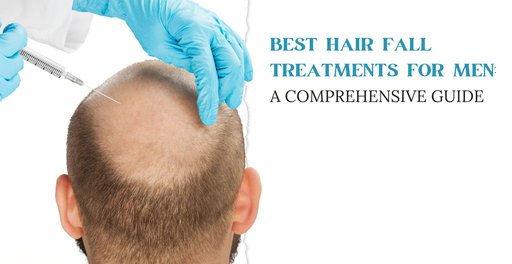
Hair loss is a common problem among men, and choosing the proper therapy can be critical for retaining confidence and overall hair health. This article provides a detailed guide to the finest hair fall remedies for guys.
Understanding Hair Fall in Men
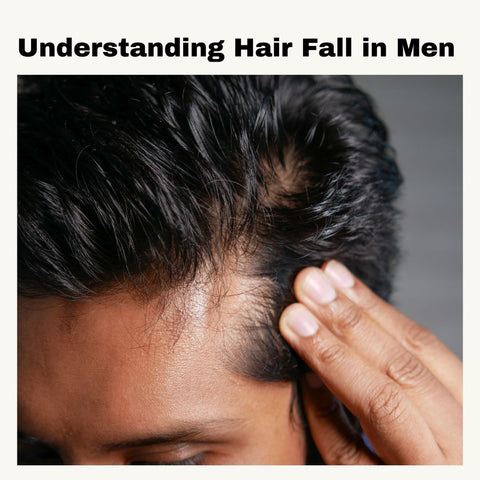
Alopecia (hair loss) can affect your scalp or your body, and it can be transient or permanent. It can be caused by genes, hormonal imbalances, medical disorders, or just the natural aging process. Anyone can lose head hair, but men are more likely to do so. Baldness is commonly defined as significant hair loss from the scalp. The most prevalent cause of baldness is hereditary hair loss which occurs with age. Some people prefer to let their hair loss go untreated and unhidden. Others may conceal it with haircuts, makeup, hats, or scarves. Others pick one of the available treatments to prevent additional hair loss or to restore growth.
Common Causes of Hair Fall in Men
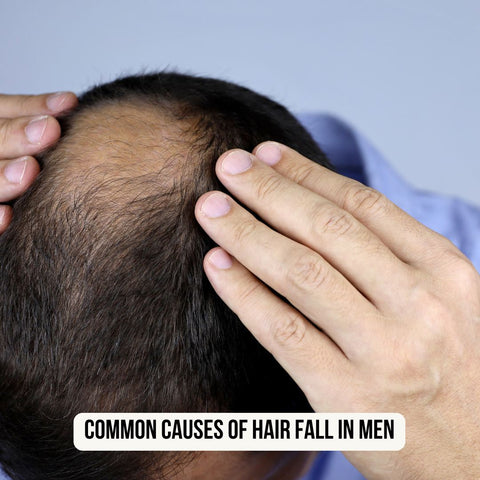
Male pattern baldness is linked to your genetics and male sex hormones. It usually starts with a receding hairline and then progresses to crown thinning. A follicle is a tiny hole (cavity) in the skin where each strand of hair resides. Baldness develops when the hair follicle shrinks over time, resulting in shorter, finer hair. Finally, the follicle stops producing new hair. The follicles are still alive, indicating that new hair can grow.
Recognizing the Early Signs of Hair Loss
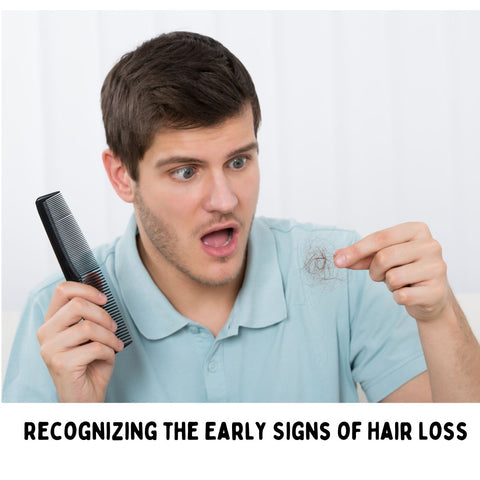
The symptoms of baldness can vary from individual to person. Some people lose hair around their temples, while others may notice a change in their hairline. Common signs of hair loss are hairline retraction, thinning, widening parts, hair coming out in clumps, and losing hair on your entire body.
Medical Treatments for Hair Fall
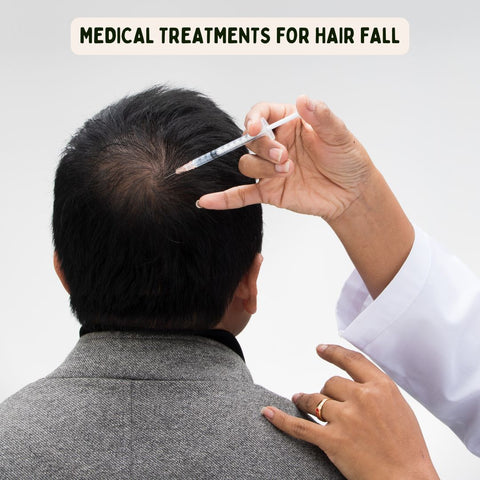
Hair weaving, hairpieces, or a change in hairdo can help to mask hair loss. This is typically the least expensive and safest treatment for male baldness.
- Minoxidil: Usage and Effectiveness
Minoxidil (Rogaine) is a topical solution applied to the scalp to increase hair follicles. Many men find it reduces hair loss and helps them grow new hair.
- Finasteride: How It Works and Potential Side Effects
Finasteride (Propecia, Proscar) blocks the growth of the overly active type of testosterone associated with baldness and reduces hair loss. It performs slightly better than minoxidil. When you stop using this medication, your hair will begin to fall out again.
- Prescription Medications: What You Need to Know
Prescription drugs such as finasteride, dutasteride, and oral minoxidil are effective men's hair loss treatments. Every medicine has benefits, side effects, and considerations.
Non-Medical Treatments and Solutions
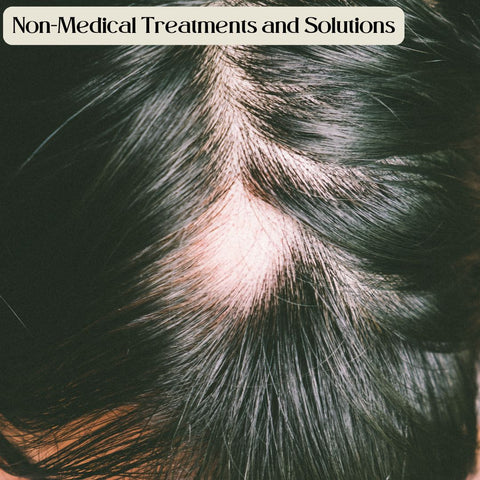
Non-medical treatments include a variety of approaches, including topical or natural remedies, treatments, and lifestyle changes.
- PRP (Platelet-Rich Plasma) Therapy
Platelet-rich plasma (PRP) is injected into the scalp to promote hair growth. This entails extracting your blood, high in platelets, and injecting the areas of hair loss over sessions.
- Low-Level Laser Therapy (LLLT)
Low-level laser Therapy (LLLT) is a potential therapy for men who are losing hair. It is non-invasive, painless, and effective. Regular use, together with other therapies and a healthy lifestyle, can help achieve the best outcomes. A consultation with a healthcare practitioner or dermatologist can help establish whether LLLT is a good option for your hair loss condition and how to include it in your treatment plan.
- Hair Transplants: Procedure and Recovery
Hair transplants involve extracting small plugs of hair from growing areas and inserting them in balding areas. The process normally requires several sessions and can be costly.
Natural and Home Remedies for Hair Fall
-
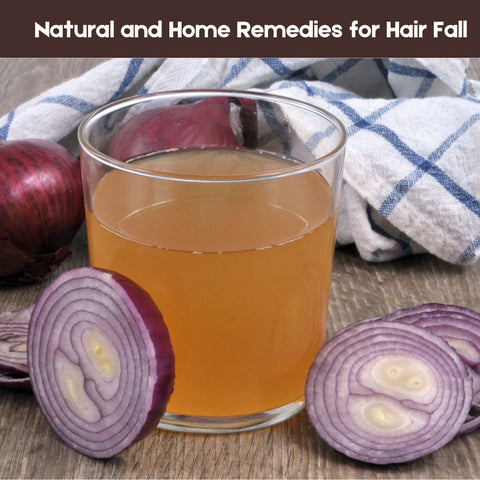
Onion Juice: Onions are like haircare superheroes, endowed with antimicrobial properties. They are an excellent element for combating scalp infections and increasing blood circulation, thereby preventing hair loss.
-
Apple Cider Vinegar: Dirt and germs can clog your hair follicles, preventing beneficial oils from soaking in. Fix it by rinsing your hair and scalp with apple cider vinegar and water after shampooing.
-
Coconut Milk: Coconut is a hydrating powerhouse! Coconut oil or coconut milk can help to rejuvenate your hair follicles. Massage the coconut milk into your roots, then wait 10 minutes before washing it off.
-
Olive oil is high in fatty acids, antioxidants, and strengthens hair follicles. It not only soothes the scalp but also promotes hair development.
Essential Oils and Their Benefits

Some essential oils, for example, rosemary, orange, lavender, and lemon, are reported to help with hair loss. Orange and lemon essential oils are known for their boosting properties. Citrus fruits contain a chemical compound known as limonene, which has numerous qualities.
- Nutrient-Rich Diet for Hair Health
Biotin, which comes from plant seeds and leaves, boosts keratin production, increases hair follicle function, and decreases hair loss. Vitamin E promotes scalp health, while Keranat inhibits hair loss. If you are pregnant or taking medications, consult your doctor.
- Herbal Treatments and Supplements
Some of the most excellent vitamins for regular hair include vitamin A, biotin, vitamin C, vitamin D, and vitamin E. Biotin promotes the development of keratin, the hair protein that makes up the hair.
Lifestyle Changes to Combat Hair Fall
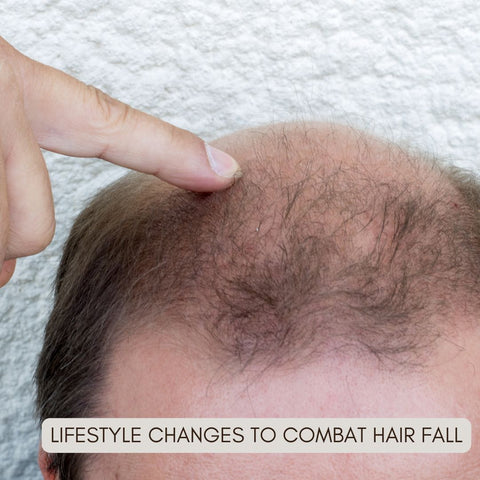
One of the leading causes of hair loss is a lack of sleep. Your body requires enough sleep to produce adult stem cells, and stress from a lack of sleep can trigger hair loss. If your hair loss is caused by a lack of sleep, reducing tension and obtaining more sleep will help reverse it.
- Stress Management Techniques
-
Meditation, and breathing exercises.
-
Relieve tension.
-
Ensure that you are eating a balanced diet.
-
Platelet Rich Plasma (PRP) treatment
-
Try a low-level light treatment.
-
Incorporate positive activities into your daily routine.
- Proper Hair Care Routine
Dermatologists recommend these simple tips for maintaining healthy hair.
-
Wash your oily hair more frequently.
-
Concentrate the shampoo on the scalp.
-
Apply conditioner after each shampoo.
-
Concentrate the conditioner on the tips of your hair.
-
Choose a shampoo and conditioner that is designed specifically for your hair type.
-
When swimming, make sure to protect your hair.
- Avoiding Harmful Hair Practices
Excessive heat styling, tight hairstyles, over-washing, chemical treatments, inadequate nutrition, scalp health, vigorous brushing or combing, and skipping regular trims are all damaging hair practices to avoid.
Innovative Hair Fall Solutions
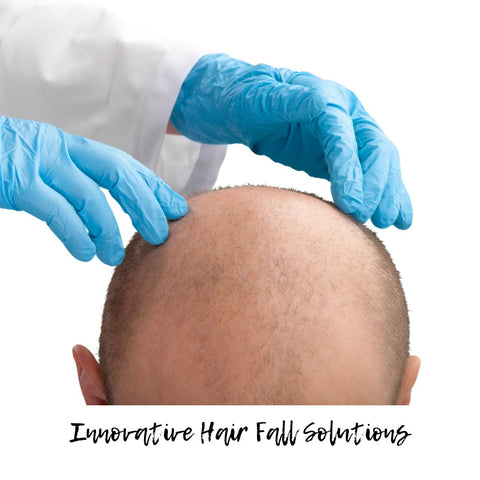
The microneedle patch distributes immune-regulating chemicals that can train T cells not to attack hair follicles, promoting hair regrowth. It is a promising innovation for hair fall problems.
- Scalp Micropigmentation
Scalp micropigmentation is a cosmetic procedure for thinning or hair loss. It is sometimes referred to as a hair tattoo. A provider uses thin, little needles to apply tiny dots of pigment (color) to the scalp. These dots create the appearance of fuller hair. Scalp micropigmentation pigments are permanent inks made for cosmetic use.
Scalp micropigmentation performed by a qualified specialist has the potential to conceal thinning regions of your scalp, birthmarks, and scars.
- Hairpieces and Wigs: Modern Options
Modern hairpieces and wigs provide practical and fashionable options for men facing hair loss. With so many different materials, styles, and attachment methods available, it's now easier to select a hairpiece that fits your needs and lifestyle. Consulting with a specialist can assist you in choosing and customizing the ideal solution, resulting in a natural appearance and a comfortable fit.
- Hair Thickening Fibers and Sprays
Hair-thickening fibres and sprays are simple solutions for men whose hair is thinning. They give rapid volume and coverage, increasing confidence and attractiveness. These techniques provide temporary results, are adaptable, affordable, and can be used with other hair treatments for optimal results.
Evaluating the Cost and Accessibility of Treatments
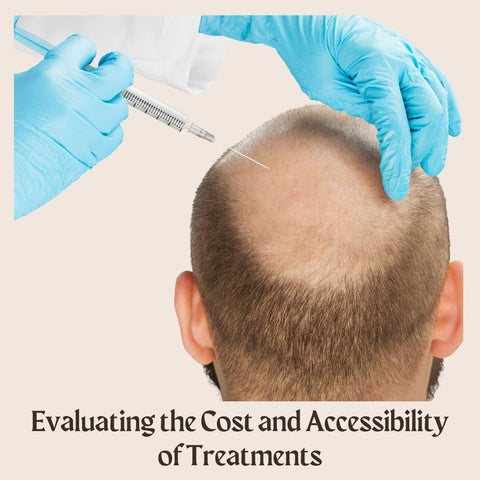
The cost and accessibility of hair loss treatments vary greatly, ranging from low-priced over-the-counter medicines to surgical procedures.
- Comparing the Costs of Medical vs. Non-Medical Treatments
The cost of a hair transplant ranges from Rs 35,000 to Rs 2,65,000. It is an effective and safe treatment that provides a permanent solution to hair loss.
- Insurance and Financing Options
Several hair transplant clinics provide financing or payment plans to help patients manage treatment costs.
Frequently Asked Questions
Frequently Asked Questions are provided below:
-
Question: How Long Does It Take to See Results?
-
Answer: Each type of hair loss treatment requires a different amount of time to produce results. Symptoms usually appear after several months of receiving multiple or regular treatments. Expect to see benefits after three to six months.
-
Question: Are There Any Side Effects?
-
Answer: Hair transplants have few long-term adverse effects, such as scars or irregular hair growth, and these difficulties are frequently related to the surgeon's ability and technique.
-
Question: How Do I Choose the Right Treatment for Me?
-
Answer: Understanding your specific needs and preferences is important for selecting the best hair treatment. Different treatments will help you decide which treatment is best for your hair, whether you choose the DIY route or visit a professional at a salon.
Finding the Best Hair Fall Solution for You
-
Eat a well-balanced diet.
-
Drink water to hydrate yourself.
-
Choose good shampoo and conditioner.
-
Keep your scalp clean, and wash your hair frequently.
-
Avoid using heat-styling tools and chemicals.
-
Manage stress.
-
Avoid tightly bound hairstyles, which can pull on the scalp's skin.
-
Straighten your hair with a wide-toothed comb after it has been washed.
-
Protect your hair from the sun and harsh environmental conditions.
-
Apply hair masks and coconut oil.
Final Thoughts and Recommendations
Understanding the treatments, costs, and benefits is essential for managing hair loss. You can attain the most significant potential results by consulting with professionals, considering your unique circumstances, and remaining patient and consistent with your selected treatments. Whether you choose medical therapies, lifestyle adjustments, or cosmetic remedies, the goal is to discover a way that makes you feel confident and comfortable about your appearance.
Conclusion
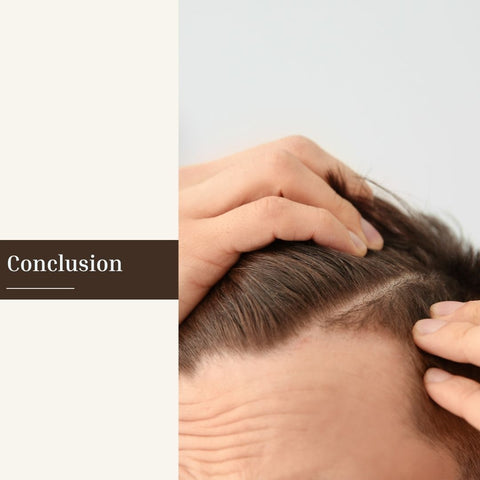
Hair loss can be difficult, but several therapies can help control and reverse the issue. Medical treatments like Minoxidil and Finasteride, surgical procedures like hair transplants, and non-medical approaches like hairpieces, wigs, and thickening fibers have advantages and disadvantages.