Best Creams for Keratosis Pilaris: Dermatologist Picks
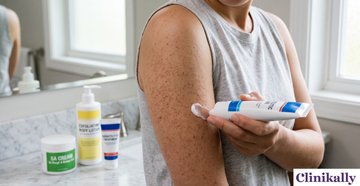
Keratosis pilaris (KP) can leave your arms, thighs, or buttocks covered with tiny bumps that may be difficult to manage. Commonly known as chicken skin, KP is a harmless condition that occurs when keratin builds up around hair follicles, giving your skin a rough or uneven appearance.
Although KP does not usually require medical treatment, it can be a persistent skincare concern. Regular moisturizing and gentle exfoliation can help improve its appearance. In this blog, we will discuss what this condition is, some of the best creams for keratosis pilaris, the ingredients to look for, and how to choose and use them effectively.
What Is Keratosis Pilaris?
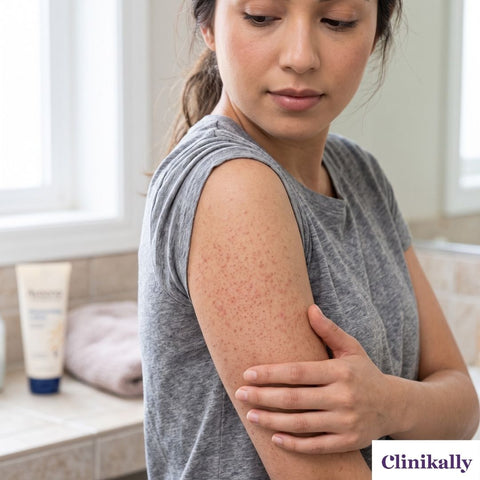
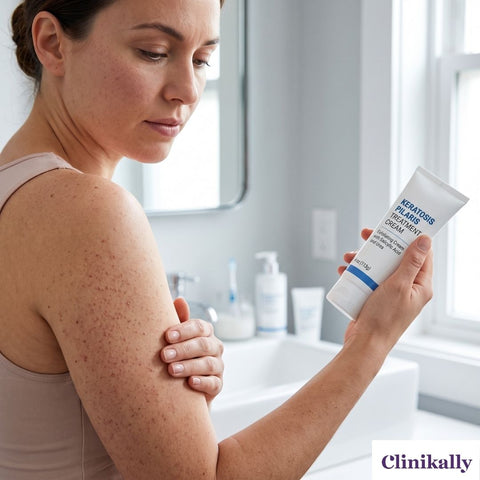
Keratosis pilaris is a common skin condition that causes small, raised bumps around the hair follicles. It most often appears on the outer upper arms and thighs, but the buttocks and cheeks can also be affected. The bumps may be skin coloured, white, pink, red, brown, or darker than the surrounding skin, depending on the skin tone and level of inflammation.
Although KP does not usually cause significant discomfort, the affected areas may feel rough, dry, or slightly itchy. The bumps can also become more noticeable when the skin is dry, particularly during colder or drier weather. For most people, KP is mainly a cosmetic concern rather than a painful or harmful skin condition.
What Causes the Rough Bumps?
The exact cause of keratosis pilaris is not completely understood. However, the condition is linked to abnormal keratinization around the hair follicles. Keratin is a protein that helps form and protect the outer layer of the skin. In KP, excess keratin can collect around the follicle and form small plugs, which give the skin its characteristic bumpy texture.
Genetic factors appear to play a role in KP, and the condition often runs in families. It is also associated with certain skin conditions, including ichthyosis vulgaris and, in some studies, atopic dermatitis. Environmental factors, including dry or cold weather, may make the bumps more noticeable by increasing skin dryness.
Can Keratosis Pilaris Be Cured?
There is no treatment that permanently prevents keratosis pilaris from returning. The condition can improve with regular skincare, but the bumps may come back when treatment is stopped.
However, consistent use of moisturizers and keratolytic ingredients can help reduce roughness and make the bumps less noticeable. KP may also become less noticeable with age, although it can persist or return over time.
What Does a Cream for Keratosis Pilaris Do?
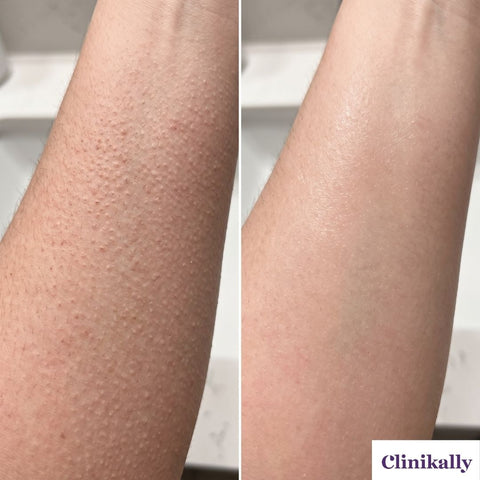
A cream for keratosis pilaris can help address two common concerns associated with KP: excess keratin buildup and dry, rough skin. Formulas often combine keratolytic and moisturizing ingredients, which work mainly in two ways:
-
Keratolytic Action: Ingredients such as urea, lactic acid, salicylic acid, and glycolic acid can help loosen excess keratin and improve rough, uneven skin texture.
-
Moisturizing and Barrier Support: Ceramides, hyaluronic acid, and emollients help hydrate the skin, reduce dryness, and support the skin barrier.
How to Choose the Best Cream for Keratosis Pilaris
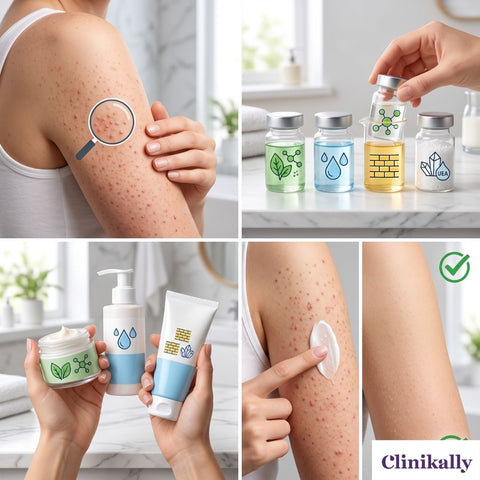
When choosing a cream for keratosis pilaris, it is important to go beyond the product label and look for the ingredients that can address both keratin buildup and dryness. Some key ingredients to look for include:
-
Urea: It hydrates and softens rough, thickened skin. At higher concentrations, it also has keratolytic properties.
-
Salicylic Acid: It helps loosen excess keratin and dead skin cells around hair follicles.
-
Lactic Acid and Glycolic Acid: These help exfoliate the skin and improve rough texture. Lactic acid can also support skin hydration.
-
Ceramides and Emollients: These help reduce moisture loss and support the skin barrier, especially when KP causes dryness.
6 Best Creams for Keratosis Pilaris
Finding the best cream for keratosis pilaris can be confusing, especially when there are too many options with different formulations available. An ideal one should address the concerns that commonly accompany KP, including rough texture, dryness, and keratin buildup. To make your choice easier, we have curated some of the best creams for KP recommended by dermatologists:
|
Product |
Key Composition |
Benefits |
|
Urea, Lactic Acid, Ceramides |
Helps exfoliate rough skin, soften keratin buildup, hydrate, and support the skin barrier |
|
|
Lactic acid (Ammonium Lactate) |
Helps exfoliate and soften rough, dry skin |
|
|
Urea, Lactic Acid, Glycolic Acid |
Helps loosen keratin buildup while hydrating and softening rough skin |
|
|
Urea, Lactic Acid |
Helps hydrate and soften dry, rough, and thickened skin |
|
|
Urea, Glycolic Acid |
Helps moisturize and improve the feel of rough, dry skin |
|
|
Glycolic Acid, Urea |
Helps exfoliate and soften rough skin while providing hydration |
1. CeraVe SA Smoothing Cream For Dry, Rough, Bumpy Skin
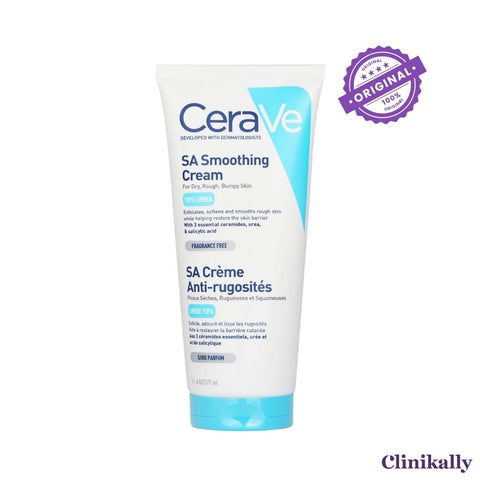
CeraVe SA Smoothing Cream is formulated for dry, rough, and bumpy skin. Its combination of exfoliating, moisturizing, and barrier-supporting ingredients makes it an option for KP, particularly when dryness and rough texture are concerns. Here are some of its benefits:
-
Smooths Rough Skin: Helps improve the feel and appearance of rough, bumpy areas.
-
Provides Moisture: Helps keep dry skin hydrated and comfortable.
-
Supports the Skin Barrier: Helps maintain the skin's protective barrier.
2. IPCA Lacsoft Cream
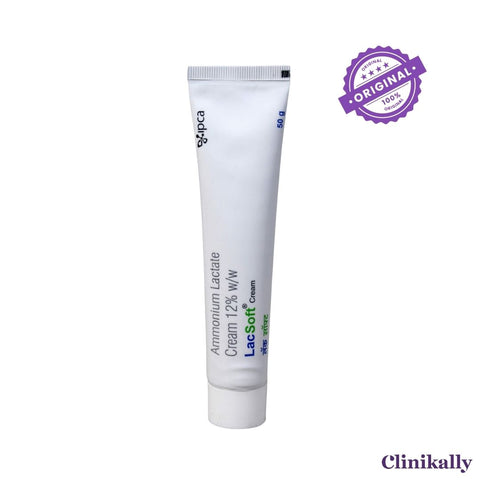
IPCA Lacsoft Cream contains lactic acid and is formulated for dry, rough, and scaly skin. Its exfoliating and moisturizing properties may make it useful when KP is associated with rough texture and dryness. Here’s why it stands out:
-
Improves Rough Texture: Helps make uneven skin feel smoother.
-
Softens Dry Areas: Helps improve the feel of dry, rough skin.
-
Supports Gentle Exfoliation: Helps reduce surface buildup with regular use.
3. Logifeel IMF Cream
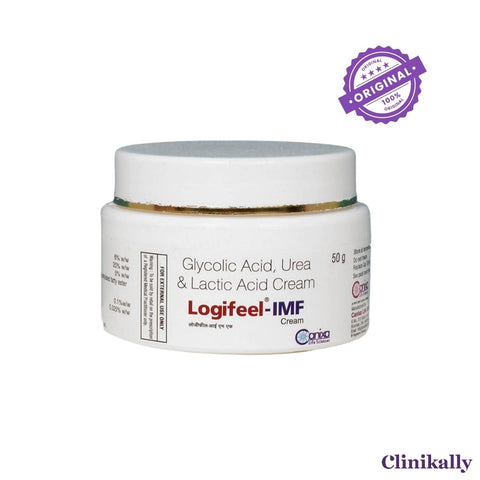
Logifeel IMF Cream combines exfoliating and moisturizing properties and is formulated for rough, dry, and thickened skin. It may be useful for KP when both rough texture and dryness are concerns. Some of its key benefits are:
-
Targets Rough Texture: Helps improve the feel of thickened, uneven skin.
-
Provides Moisture: Helps reduce dryness and maintain skin softness.
-
Improves Skin Feel: Regular use can help make affected areas feel smoother.
4. Remoiz Urea Cream
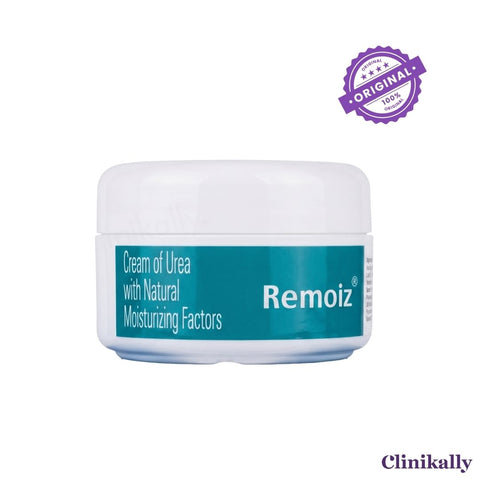
Remoiz Urea Cream is formulated to moisturize and soften dry, rough, and scaly skin. Its moisturizing and keratolytic properties may make it an option when KP is accompanied by dryness and rough texture. Let’s understand what makes it stand out:
-
Softens Rough Skin: Helps make dry, thickened areas feel softer.
-
Improves Hydration: Helps replenish moisture in dry skin.
-
Reduces Flaking: Regular moisturization can help minimize dry, flaky skin.
5. Emolliz Cream
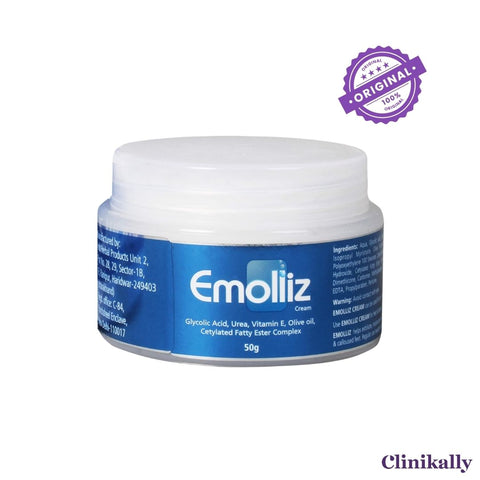
Emolliz Cream provides exfoliating and moisturizing care for rough, dry, or thickened skin. It may be useful for KP when uneven texture and dryness occur together. Let’s have a quick look at some of its benefits:
-
Smooths Rough Texture: Helps improve the feel of uneven skin.
-
Moisturizes Dry Areas: Helps maintain hydration and softness.
-
Supports Skin Comfort: Helps reduce dryness-related tightness.
6. Logifeel Glycolic Acid & Urea Cream
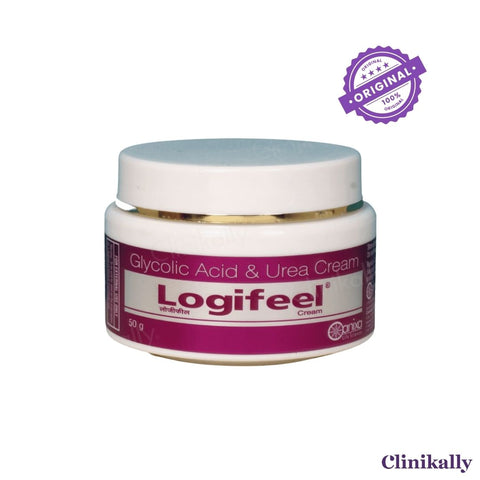
Logifeel Glycolic Acid & Urea Cream combines exfoliating and moisturizing properties for rough, thickened, and dry skin. It may be useful when KP is accompanied by noticeable roughness and dryness. Here’s what makes it stand out:
-
Smooths Rough Skin: Helps improve surface texture.
-
Softens Thickened Areas: Helps make rough skin feel softer.
-
Maintains Hydration: Helps keep treated skin moisturized.
How to Use a Keratosis Pilaris Cream
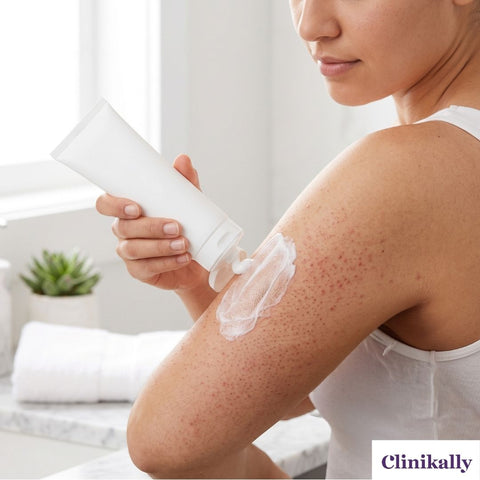
Even the right cream for keratosis pilaris may not give the desired results if it is not used correctly. Following the product directions, using it consistently, and allowing your skin to adjust to exfoliating ingredients can help you get better results. Here are some simple steps to use a cream for KP correctly:
-
Apply as Directed: Follow the product instructions for the recommended amount and frequency.
-
Moisturize Regularly: Apply moisturizing creams after bathing to help reduce dryness and maintain hydration.
-
Start Slowly: If using an exfoliating formula, begin less frequently if your skin is sensitive and increase use as tolerated.
-
Use Sunscreen: Apply broad-spectrum SPF 30 or higher to exposed skin during the day.
-
Avoid Irritated Skin: Do not apply exfoliating creams to broken, irritated, or inflamed skin.
What Not to Do When You Have Keratosis Pilaris
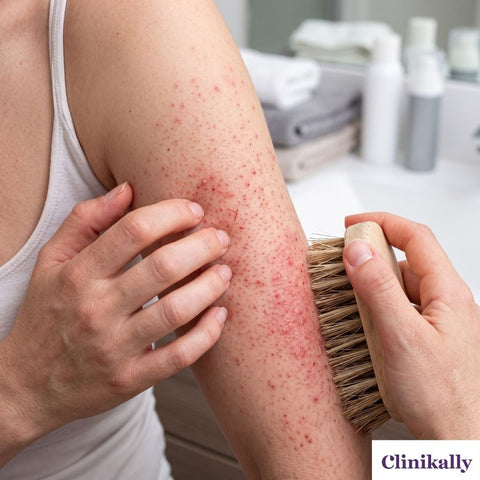
Managing keratosis pilaris isn't just about choosing the right cream. Certain skincare habits can increase dryness and irritation, making rough or bumpy skin more noticeable. Here are some common mistakes to avoid:
-
Do Not Pick or Scratch: Picking or squeezing the bumps can cause irritation, dark spots, and skin damage.
-
Avoid Harsh Scrubbing: Loofahs, pumice stones, and abrasive scrubs can irritate the skin and worsen roughness.
-
Avoid Very Hot Showers: Hot water can increase dryness and make rough skin feel worse.
-
Keep Moisturizing: Regular moisturization helps reduce dryness and maintain softer, smoother skin.
When Should You See a Dermatologist?
Keratosis pilaris can usually be managed with a consistent skincare routine, but not every case responds the same way. A dermatologist can help confirm the diagnosis and recommend appropriate treatment when the bumps change, become uncomfortable, or do not improve with home care. You should consult a dermatologist if:
-
The Bumps Become Painful or Inflamed: Pain, swelling, warmth, or pus may indicate infection or another skin condition.
-
Home Care Is Not Helping: If KP does not improve with regular skincare, consult a dermatologist.
-
The Symptoms Become Severe: Rapidly worsening bumps, significant inflammation, or severe itching should be evaluated by a dermatologist.
-
You Need Prescription Treatment: A dermatologist can recommend prescription options when needed.
Final Thoughts
The best cream for keratosis pilaris is not necessarily the strongest exfoliating formula. Creams containing ingredients such as urea, lactic acid, salicylic acid, and glycolic acid can help improve rough, bumpy skin, while moisturizing ingredients support hydration and the skin barrier. Choose a formula based on your skin's needs and tolerance.
Managing KP requires patience and consistent skincare. Regular moisturization, gentle exfoliation, and avoiding harsh scrubbing can help keep the skin smoother and reduce the appearance of bumps. If your KP persists, worsens, or does not respond to home care, consult a dermatologist for guidance.