Best Creams for Psoriasis: Dermatologist Recommended
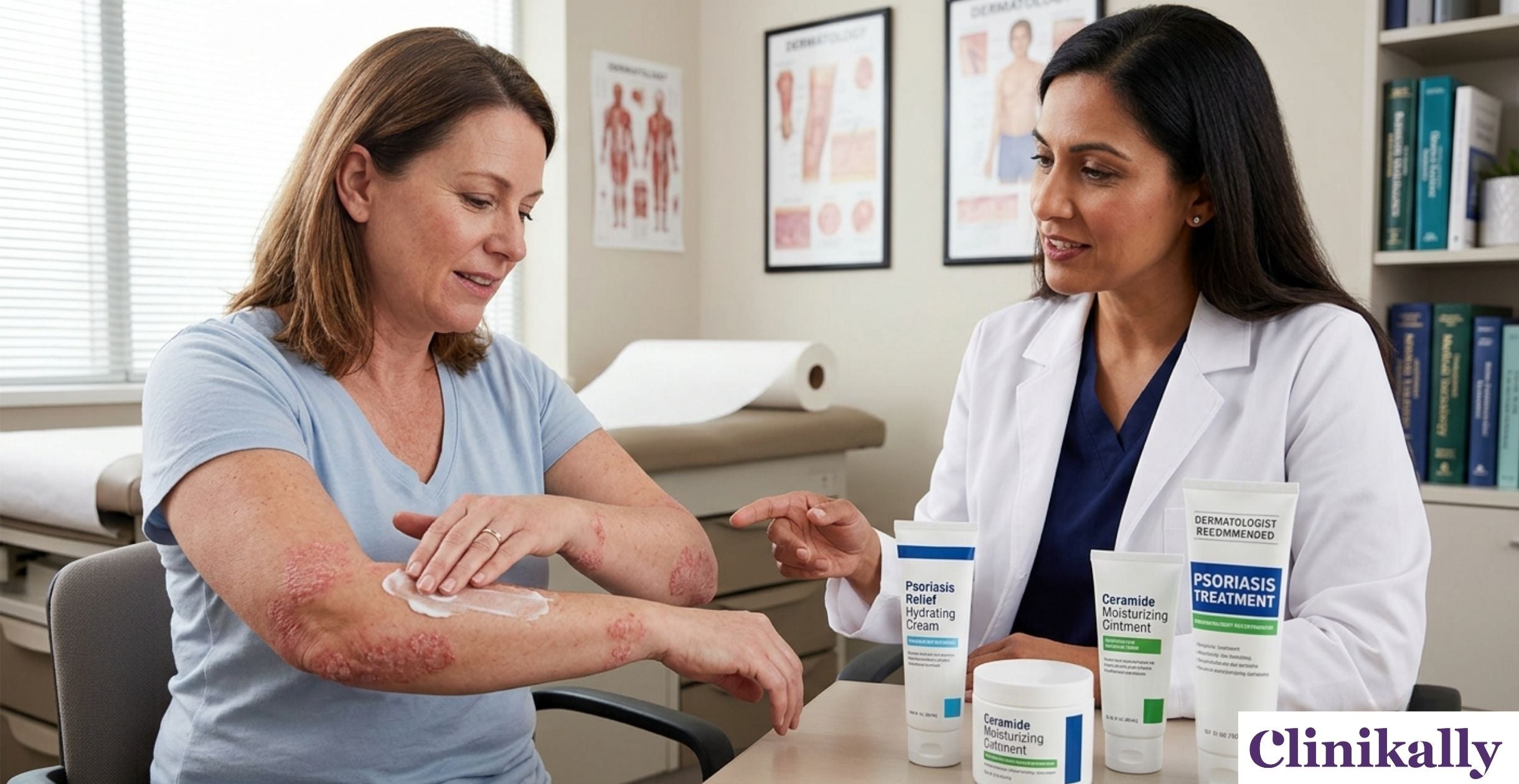
Living with psoriasis can be frustrating, especially when visible patches affect your skin's appearance and comfort. Finding a suitable cream can be an important part of managing localized psoriasis and supporting everyday skin care.
However, there is no single cream that is best for everyone with psoriasis. The right topical product can vary depending on the individual and may include prescription treatment when needed. In this blog, we'll review some of the best creams for psoriasis, discuss their key benefits, and help you understand the options available for psoriasis treatment.
What Is Psoriasis?
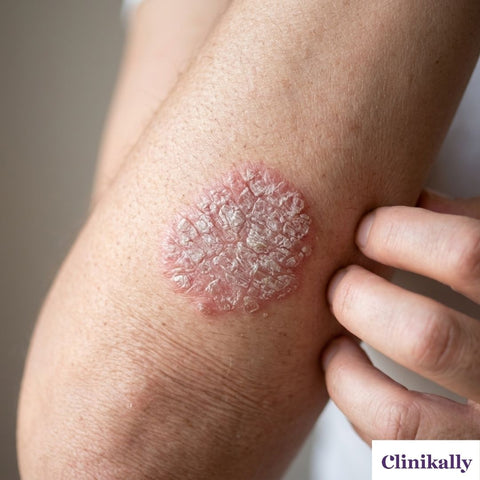
Psoriasis is a chronic, immune mediated inflammatory skin disease. It develops when an overactive immune response causes skin cells to grow and reach the skin's surface faster than normal. This leads to a buildup of skin cells that forms thick, raised, scaly patches called plaques. Plaque psoriasis is the most common form and often causes well defined red or inflamed patches with silvery white scales. Itching, dryness, burning, and skin cracking may also occur.
Psoriasis is not contagious and can affect people of any age. Symptoms may come and go, with periods of flare ups and improvement. Infections, stress, skin injuries, and certain medications may trigger or worsen symptoms, while smoking and alcohol use may be associated with more severe disease. Psoriasis can also affect the nails and joints, with joint pain, swelling, or stiffness potentially indicating psoriatic arthritis.
Can Creams for Psoriasis Help?
Yes, topical creams are an important part of psoriasis treatment, particularly when psoriasis affects limited areas of the skin. Depending on the formulation, a psoriasis treatment cream may help reduce inflammation, soften thick scales, or relieve dryness and support the skin barrier.
-
Reduce Inflammation: Topical corticosteroids help reduce inflammation, redness, swelling, and itching.
-
Soften Thick Scales: Salicylic acid and urea help loosen excess scales. Salicylic acid should be used cautiously over large areas or as directed.
-
Relieve Dryness: Moisturizers, ceramides, and emollients hydrate the skin and support the skin barrier.
What Should You Look for in a Psoriasis Cream?

When choosing a psoriasis cream, pay attention to its ingredients, potency, formulation, and intended use. These factors can help determine whether a product is suitable for dryness, scaling, inflammation, or a specific treatment need.
-
Moisturizing Ingredients: Ceramides, glycerin, petrolatum, and other, and other emollients help relieve dryness and support the skin barrier.
-
Keratolytic Ingredients: Salicylic acid and urea can soften and loosen thick scales and may improve penetration of some topical medicines. Salicylic acid should be used cautiously over large areas.
-
Anti-inflammatory Medicines: Topical corticosteroids reduce inflammation during flares. Their potency should be appropriate for the affected area and severity and used as directed.
-
Vitamin-D Analogs: Calcipotriol, also known as calcipotriene, may be prescribed for plaque psoriasis, alone or in combination with topical corticosteroids.
-
A Suitable Formulation: Creams work well for many areas, while ointments may be more suitable for very dry or thick plaques.
6 Best Creams for Psoriasis
Finding a suitable psoriasis cream can help manage the skin changes and discomfort associated with the condition. The products below include moisturizing and medicated options, with ingredients that serve different roles in psoriasis care. Based on their ingredients and intended use, here are some creams that may help address dryness, scaling, inflammation, and other psoriasis-related skin symptoms:
|
Product |
Key Ingredients |
Benefits |
|
Salicylic Acid, Niacinamide, Urea, Ceramides |
Helps soften scales, moisturize dry skin, and support the skin barrier. |
|
|
Mometasone Furoate |
Helps reduce inflammation, redness, and itching. |
|
|
Mometasone Furoate |
Helps control inflammation, itching, and redness. |
|
|
Desonide |
Low potency corticosteroid that helps reduce inflammation and itching. |
|
|
Mometasone Furoate |
Helps reduce inflammation, redness, and itching. |
|
|
Mometasone Furoate |
Helps control inflammation and associated itching and irritation. |
1. Psoramist Cream
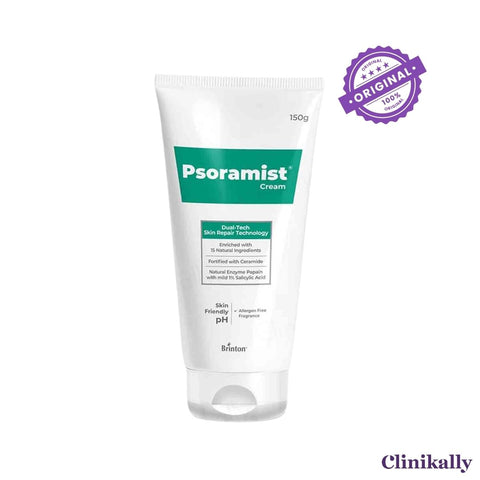
Psoramist Cream combines salicylic acid, urea, niacinamide, papain, and ceramides for care of dry, scaly skin. Its formulation focuses on softening scales while providing moisturizing and barrier-supportive care. Some of its key benefits include:
-
Softens Scales: Salicylic acid and urea help loosen and soften thick, excess scales.
-
Supports the Skin Barrier: Ceramides and moisturizing ingredients help reduce dryness and support skin barrier function.
-
Moisturizes Skin: Emollient ingredients help improve skin hydration and comfort.
2. Ezimet Cream
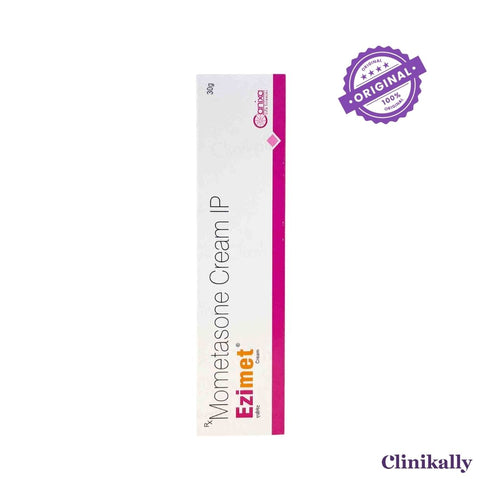
Ezimet Cream contains mometasone furoate 0.1%, a topical corticosteroid that helps reduce inflammation and associated symptoms in inflammatory skin conditions. It is a prescription product and should be used only as directed by a healthcare professional. Some of its key benefits include:
-
Reduces Inflammation: Mometasone helps suppress inflammatory activity in the skin.
-
Relieves Itching: It can help reduce itching associated with inflammatory skin conditions.
-
Calms Redness: Controlling inflammation can help reduce redness and swelling in affected areas.
3. Belmoz 0.1% Cream
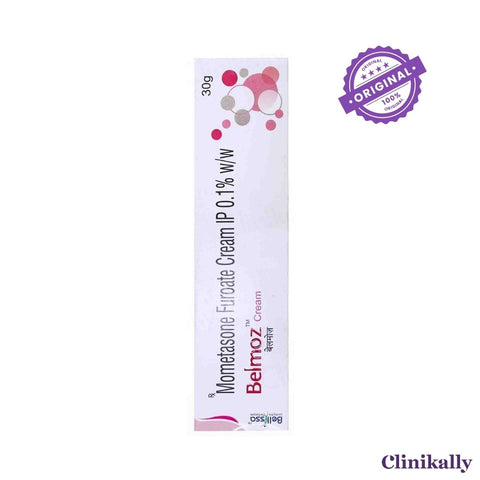
Belmoz 0.1% Cream contains mometasone furoate 0.1%, a topical corticosteroid used for inflammatory skin conditions. It may be prescribed for psoriasis and other steroid responsive conditions to help control inflammation and related symptoms. Its key benefits include:
-
Controls Inflammation: Mometasone helps reduce inflammatory activity in affected skin.
-
Eases Itching: Its anti-inflammatory action can help relieve itching and discomfort.
-
Reduces Redness: Controlling inflammation may help improve redness and swelling.
4. Desowen Cream
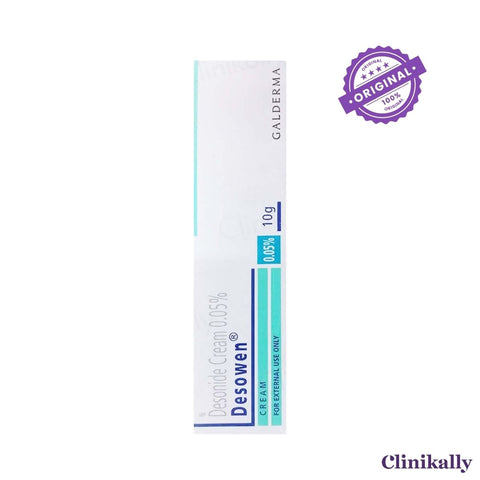
Desowen Cream contains desonide 0.05%, a low potency topical corticosteroid used to reduce inflammation and itching associated with certain inflammatory skin conditions. Its lower potency may be appropriate when a milder corticosteroid is needed, but it should still be used according to medical advice. Some of its key benefits include:
-
Reduces Inflammation: Desonide helps suppress inflammatory activity in the skin.
-
Relieves Itching: It can help ease itching associated with inflamed skin.
-
Offers Lower Potency Treatment: Desonide provides a milder corticosteroid option when appropriate for the affected area.
5. Momilot Cream
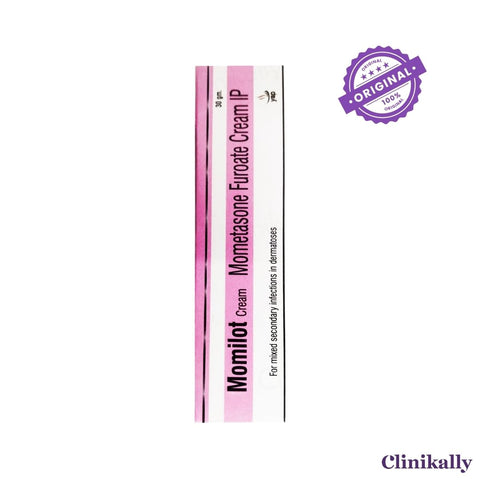
Momilot Cream contains mometasone furoate 0.1%, a topical corticosteroid used to manage inflammatory skin conditions such as psoriasis. It can help control inflammation and associated symptoms when prescribed and used appropriately. Some of its key benefits include:
-
Calms Inflammation: Mometasone reduces inflammatory activity in affected skin.
-
Helps Relieve Itching: It can ease itching linked to skin inflammation.
-
Improves Redness: Redness and swelling may decrease as inflammation is controlled.
6. Mfsone Cream
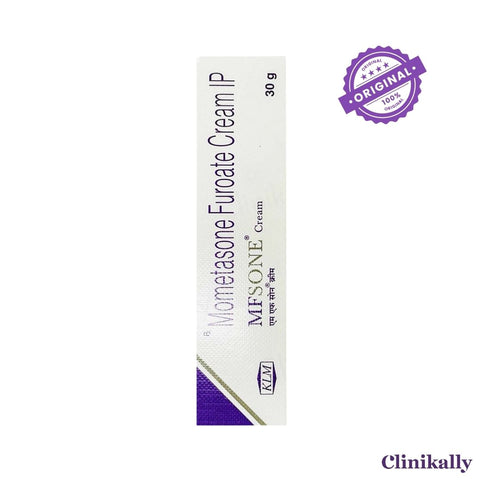
Mfsone Cream contains mometasone furoate 0.1%, a topical corticosteroid used for inflammatory skin conditions, including psoriasis. It is intended for targeted treatment and should be used according to a healthcare professional's instructions. Here are some of its key benefits:
-
Reduces Inflammation: Mometasone helps control inflammatory activity in the skin.
-
Eases Itching and Irritation: It can help relieve symptoms associated with skin inflammation.
-
Helps Control Localized Symptoms: Appropriate use can help manage inflammation in affected areas.
How to Choose the Best Cream for Psoriasis

The suitability of a psoriasis cream depends on factors such as the affected area, plaque thickness, skin sensitivity, and extent of psoriasis. Keep the following considerations in mind when choosing a product:
-
Consider the Body Area: The face, groin, and skin folds need more cautious treatment than thicker skin on the elbows and knees.
-
Check the Treatment Type: Choose between moisturizing care and medicated treatment based on your needs and medical advice.
-
Match Plaque Thickness: Thick plaques may benefit from scale softening products, while thinner plaques may need less intensive care.
-
Consider Skin Sensitivity: Choose gentle, fragrance free products if your skin is easily irritated.
-
Follow Corticosteroid Directions: Use prescription steroid creams only at the recommended strength, frequency, and duration.
-
Consider the Extent: Topical treatment may be enough for limited psoriasis, while more extensive disease may require additional treatment.
When Should You See a Dermatologist for Psoriasis?

Mild, localized psoriasis may sometimes be managed with moisturizers and topical treatment, but professional evaluation is important when symptoms are persistent, extensive, or difficult to control. You should consult a dermatologist if:
-
Widespread Psoriasis: Psoriasis covers large or multiple areas of your body.
-
Persistent Symptoms: Symptoms persist, worsen, or do not improve with appropriate self care.
-
Skin Changes: Plaques crack, bleed, become painful, or develop signs of infection such as pus or increasing warmth.
-
Joint Symptoms: You experience joint pain, swelling, or prolonged morning stiffness along with skin symptoms.
-
Steroid Guidance: You are using or planning to stop a prescription corticosteroid and need guidance on safe use.
Final Thoughts
Managing psoriasis is about finding an approach that suits your skin and treatment needs rather than relying on a single “best” cream. The right product can support symptom control and skin comfort, while prescription treatments may be needed when psoriasis is more persistent or difficult to manage.
If your symptoms are not improving, keep recurring, or involve sensitive areas or your joints, speak with a dermatologist for appropriate care.