Dark Eyelids: Comprehensive Guide to Causes, Treatments, and Prevention
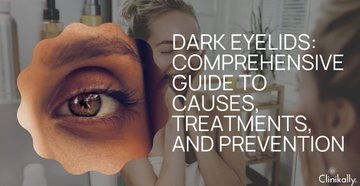
Dark eyelids are a common cosmetic concern that can affect anyone, often resulting in a tired or aged appearance. Understanding the various causes—from genetic predispositions and ageing to lifestyle factors and environmental influences—is key to addressing this issue effectively. This comprehensive guide explores the underlying reasons for dark eyelids, offers a range of treatments from home remedies to professional dermatological interventions that aid in skin brightening for eyelids, and provides preventative measures to maintain brighter, healthier eyelids. In addition, Clinikally also provides various dermatologist tips for dark eyelids so as to minimise and overcome it. By gaining insight into these aspects, you can adopt a holistic approach to managing and preventing dark eyelids, enhancing your overall facial appearance.
The Root of the Problem: What Causes Dark Eyelids?
Dark eyelids can be caused by a variety of factors, including:
-
Genetics: Some people naturally have darker eyelids due to their genetic makeup. This is one of the foremost dark eyelids causes.
-
Hyperpigmentation: This can result from an overproduction of melanin in the skin around the eyes. Factors like sun exposure, hormonal changes, and certain medications can contribute to hyperpigmentation.
-
Allergies: Chronic eye rubbing due to allergies can lead to darkening of the eyelids.
-
Age: As we age, the skin around the eyes can become thinner and more transparent, making underlying blood vessels more visible and giving the appearance of dark circles.
-
Lifestyle Factors: Lack of sleep, poor diet, smoking, and excessive alcohol consumption can contribute to the appearance of dark eyelids.
-
Medical Conditions: Conditions such as anaemia, thyroid problems, and eczema can cause or exacerbate dark eyelids.
-
Inflammation: Conditions that cause inflammation, such as eczema or dermatitis, can lead to hyperpigmentation around the eyes.
-
Stress: High stress levels can affect your skin's appearance, including causing dark circles or eyelids.
Addressing the underlying cause, such as improving sleep habits, managing allergies, or protecting the skin from sun exposure, can help reduce the appearance of dark eyelids. In some cases, consulting a dermatologist may be necessary for specific treatments.
Hyperpigmentation Explained: A Deep Dive into Dark Eyelids
Hyperpigmentation, a condition where patches of skin become darker than the surrounding areas, is a key factor in the development of dark eyelids. This occurs when an excess of melanin, the pigment responsible for skin colour, is produced and deposited in the skin. Factors such as sun exposure, hormonal changes, inflammation, and certain medications can trigger this overproduction of melanin. Understanding the causes and mechanisms of hyperpigmentation is crucial for effectively addressing and managing dark eyelids.
Lifestyle and Environmental Factors: Unseen Contributors to Dark Eyelids
Lifestyle and environmental factors can significantly contribute to the development of dark eyelids, often in subtle and interrelated ways. Understanding these factors can help in addressing and potentially mitigating their effects. Here’s a detailed look at how these elements come into play:
1. Lack of Sleep
A. Mechanism
-
Increased Blood Flow: Poor sleep increases blood flow to the area around the eyes, which can cause the skin to appear darker.
-
Fluid Retention: Sleep deprivation can lead to fluid retention, causing puffiness and dark circles.
B. Impact: Chronic lack of sleep can lead to permanent darkening of the eyelids over time.
2. Poor Diet
A. Mechanism
-
Nutrient Deficiency: Deficiencies in iron, vitamins C and E, and other essential nutrients can lead to poor skin health and discoloration.
-
Dehydration: Insufficient water intake can make the skin appear dull and exacerbate dark circles.
B. Impact: Diets high in salt and sugar can also cause fluid retention and inflammation, contributing to darker skin around the eyes.
3. Smoking
A. Mechanism
-
Vasoconstriction: Nicotine causes blood vessels to constrict, reducing blood flow and oxygen to the skin, which can lead to a darker appearance.
-
Collagen Breakdown: Smoking accelerates the breakdown of collagen, thinning the skin and making blood vessels more visible.
B. Impact: Chronic smoking can lead to permanent changes in skin pigmentation and elasticity.
4. Excessive Alcohol Consumption
A. Mechanism
-
Dehydration: Alcohol dehydrates the body, including the skin, making it look dull and lifeless.
-
Liver Function: Excessive drinking can affect liver function, leading to poor toxin removal and skin discoloration.
B. Impact: Frequent alcohol consumption can exacerbate the appearance of dark circles and puffiness around the eyes.
5. Sun Exposure
A. Mechanism
-
UV Radiation: UV rays increase melanin production, which can lead to hyperpigmentation and darkening of the skin around the eyes.
-
Skin Damage: Prolonged sun exposure damages skin cells and accelerates ageing, making dark circles more prominent.
B. Impact: Not using sun protection can cause cumulative damage, leading to persistent darkening of the eyelids.
6. Stress
A. Mechanism
-
Hormonal Changes: Stress increases the production of cortisol, which can affect skin health and pigmentation.
-
Sleep Disruption: Stress often leads to poor sleep quality, contributing to dark circles.
B. Impact: Chronic stress can lead to long-term changes in skin appearance and health.
7. Environmental Pollution
A. Mechanism
-
Oxidative Stress: Pollutants can cause oxidative stress, damaging skin cells and leading to hyperpigmentation.
-
Inflammation: Environmental toxins can cause inflammation and irritation, resulting in darker skin around the eyes.
B. Impact: Living in areas with high pollution levels can accelerate skin aging and discoloration.
8. Allergies
A. Mechanism
-
Histamine Release: Allergic reactions release histamines, which cause inflammation and blood vessel dilation, leading to dark circles.
-
Rubbing Eyes: Frequent rubbing due to itchiness can damage the delicate skin around the eyes, causing darkening.
B. Impact: Managing allergies can significantly reduce the incidence of dark eyelids.
The Role of Genetics and Aging in Eyelid Darkening
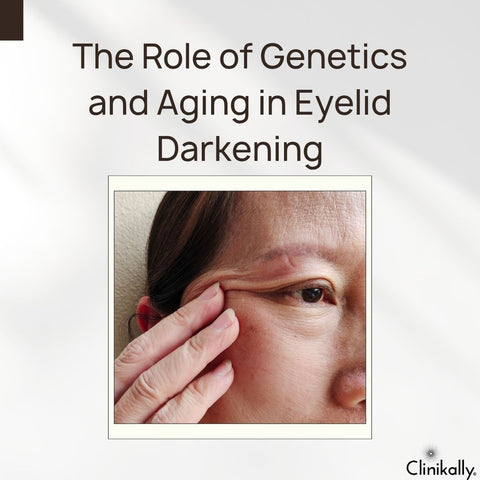
Dark eyelids, a common cosmetic concern, can be influenced by a variety of factors, with genetics and ageing playing significant roles. While lifestyle and environmental factors contribute to the development of dark circles, the underlying genetic makeup and the natural ageing process are pivotal in determining the extent and persistence of this condition. Understanding how genetics and ageing impact eyelid darkening can help in developing effective strategies for prevention and management.
The Role of Genetics in Eyelid Darkening
Individuals with a genetic predisposition may notice dark eyelids from a young age, and these may persist despite changes in lifestyle or environment.
-
Inheritance: Dark eyelids can be inherited, meaning that if your parents or grandparents had dark circles, you might be more likely to develop them as well. This is due to the genetic makeup that affects skin pigmentation and structure.
-
Skin Pigmentation: People with darker skin tones (higher melanin content) are more prone to hyperpigmentation around the eyes. Genetic factors can influence how much melanin your skin produces, leading to darker eyelids.
-
Vascular Structure: Genetics also determine the thickness of the skin and the density of blood vessels around the eyes. Thinner skin or more visible blood vessels can make the area appear darker.
The Role of Aging in Eyelid Darkening
-
Collagen Loss: As we age, the body produces less collagen, a protein that helps maintain skin’s firmness and elasticity. Reduced collagen levels lead to thinner skin, making blood vessels beneath the surface more visible.
-
Fat Redistribution: Aging can cause fat to redistribute or diminish around the eyes, leading to a hollowed appearance and more pronounced dark circles.
-
Elastin Degradation: Along with collagen, elastin fibres also degrade over time. This contributes to less elastic, sagging skin, which can cast shadows around the eyes, making them look darker.
-
Skin Laxity: Reduced skin elasticity means that the skin around the eyes becomes looser and more prone to wrinkling and sagging, which can create shadows and emphasise dark circles.
-
Melanin Production: Aging can alter melanin production, sometimes leading to hyperpigmentation around eyes due to its delicate structure.
-
Sun Damage: Cumulative sun exposure over the years can cause age spots and increased pigmentation around the eyes, exacerbating the appearance of dark eyelids.
-
Blood Flow: As circulation slows with age, blood can pool in the capillaries beneath the eyes, causing a bluish or dark tint. The reduced efficiency in blood circulation can make veins more prominent and contribute to dark circles.
Combined Effects of Genetics and Aging
When genetic predispositions and ageing processes combine, the impact on eyelid darkening can be more pronounced. For example, someone genetically predisposed to thinner skin or more melanin may see these effects intensify with age. Genetics also play a role in how well your skin can repair itself. Some people may age with fewer visible signs of dark circles due to more resilient skin structures, while others may experience significant darkening.
Turning the Light On: Solutions for Dark Eyelids
Addressing dark eyelids involves a combination of lifestyle adjustments, skincare routines, and professional treatments. Ensuring adequate sleep, maintaining a balanced diet, and protecting the skin from sun exposure are essential first steps of treatment for dark eyelids. Incorporating skincare products with ingredients like vitamin C, alpha arbutin, and tranexamic acid can help lighten pigmentation and improve skin elasticity. For more persistent cases, professional treatments such as chemical peels, laser therapy, or fillers may be effective. By understanding and tackling the underlying causes, it is possible to significantly reduce the appearance of dark eyelids.
From Nature's Bounty: Home Remedies to Brighten Eyelids

Brightening dark eyelids can be achieved with several simple and natural home remedies. Here are some effective DIY treatments and natural remedies for dark eyelids:
1. Cucumber Slices
-
How to Use: Place chilled cucumber slices over your closed eyes for 10-15 minutes.
- Benefits: Cucumbers have skin-lightening properties and are rich in antioxidants, helping to reduce dark circles and refresh the skin.
2. Potato Juice
-
How to Use: Grate a raw potato and extract its juice. Soak cotton pads in the juice and place them on your eyelids for 10-15 minutes.
- Benefits: Potatoes contain natural bleaching agents and vitamins that help lighten dark pigmentation.
3. Green Tea Bags
-
How to Use: Steep green tea bags in hot water, then cool them in the refrigerator. Place the chilled tea bags over your eyes for 10-15 minutes.
- Benefits: Green tea is rich in antioxidants and tannins, which help reduce puffiness and lighten dark circles.
4. Almond Oil
-
How to Use: Gently massage a few drops of almond oil into the skin around your eyes before bed and leave it on overnight.
- Benefits: Almond oil is rich in vitamin E and has anti-inflammatory properties that can help lighten dark eyelids and nourish the skin.
5. Milk and Honey
-
How to Use: Mix equal parts of milk and honey and apply the mixture to your eyelids. Leave it on for 10-15 minutes, then rinse with lukewarm water.
- Benefits: Milk contains lactic acid, which can lighten skin, while honey is a natural humectant that hydrates and soothes the skin.
6. Cold Compress
-
How to Use: Apply a cold compress or chilled spoon to your eyelids for a few minutes.
- Benefits: The cold helps reduce blood flow to the area, decreasing puffiness and dark circles.
7. Rose Water
-
How to Use: Soak cotton pads in rose water and place them over your closed eyes for 10-15 minutes.
- Benefits: Rose water has astringent and anti-inflammatory properties that can help soothe and lighten the skin around the eyes.
8. Turmeric Paste
-
How to Use: Mix a small amount of turmeric powder with pineapple juice to make a paste. Apply it to the dark areas around your eyes and leave it on for about 10 minutes before rinsing off.
- Benefits: Turmeric has anti-inflammatory and antioxidant properties that can help reduce pigmentation and brighten the skin.
Using these home remedies regularly can help improve the appearance of dark eyelids over time. However, it's important to perform a patch test before trying any new treatment to ensure you don't have an allergic reaction.
The Power of Skincare: Topical Treatments That Work
Addressing eyelid pigmentation effectively involves the use of various topical treatments, each with distinct mechanisms of action and specific application guidelines.
1. Vitamin C Serum: Vitamin C is a powerful antioxidant that helps brighten the skin by reducing melanin production. Apply a small amount of vitamin C serum to the eyelids and the area around the eyes once or twice daily. A very effective serum containing Vitamin C for eye area is Dermalogica Biolumin-C Eye Serum that targets visible signs of ageing around the eye. Also the property of collagen boosting for delicate eye skin is exhibited by Vitamin C.
2. Retinoids (Retinol): Retinoids promote cell turnover and collagen production, which can help lighten pigmentation and improve skin texture. Apply a pea-sized amount of retinol cream around the eyes at night, avoiding direct contact with the eyes. Start with a lower concentration and gradually increase as tolerated. Verso Super Eye Serum With Retinol 8 is very promising.
3. Hydroquinone: Hydroquinone is a skin-lightening agent that reduces the formation of melanin. Use hydroquinone cream on the pigmented areas as directed by a dermatologist, typically once daily. It’s important to follow medical guidance due to potential side effects.
4. Niacinamide (Vitamin B3): Niacinamide helps to lighten hyperpigmentation, reduce inflammation, and improve skin barrier function. Apply a niacinamide-containing product like Clinikally The Ultimate NIA (10% Niacinamide) Serum to the eyelid area twice daily.
5. Kojic Acid: Kojic acid inhibits the enzyme tyrosinase, which is involved in melanin production, thus lightening pigmented areas. Apply kojic acid cream or serum to the affected areas once daily, preferably at night. Clinikally Pigment Corrector Cream is highly recommended.
6. Azelaic Acid: Azelaic acid has anti-inflammatory and melanin-inhibiting properties, making it effective for treating hyperpigmentation. Apply azelaic acid product like Sesderma Azelac Moisturizing Gel to the eyelids once or twice daily.
7. Alpha Arbutin: Alpha arbutin is a natural skin lightener that reduces melanin production. Apply a serum containing alpha arbutin to the pigmented areas twice daily. Beauty of Joseon Rice + Arbutin Glow Deep Serum is a great choice!
8. Licorice Extract: Licorice extract contains glabridin, which inhibits melanin production and reduces pigmentation. Use a cream or serum with licorice extract like Clinikally UltraHeal Under Eye Cream on the eyelids twice daily.
9. Sunscreen: Sunscreen prevents further pigmentation by protecting the skin from UV radiation, which can exacerbate dark circles. Apply a broad-spectrum sunscreen with SPF 30 or higher around the eyes every morning. Clinikally SunProtect Sunscreen SPF 50/PA+++ is highly recommended by dermatologists as UV protection for eyelids is very crucial.
Using these topical treatments consistently can help reduce pigmentation and brighten the skin around the eyes. However, it is advisable to consider the following points while using any product.
-
Patch Test: Always perform a patch test before applying new products to ensure no allergic reactions occur.
-
Gentle Application: The skin around the eyes is delicate, so apply products gently without rubbing or tugging.
-
Consistency: Consistent use over several weeks or months is necessary to see noticeable improvements.
-
Dermatologist Consultation: For persistent pigmentation or if you're unsure about which products to use, consult a dermatologist for personalised advice and treatment options.
When to Seek Professional Help: Dermatological Treatments for Lasting Results
While home remedies and over-the-counter products can be effective for mild cases of dark eyelids, professional help may be necessary for more persistent or severe pigmentation issues. Consulting a dermatologist can provide access to advanced treatments that offer lasting results. Here are some instances and professional treatments for eyelids hyperpigmentation to consider:
1. Persistent Hyperpigmentation
-
Indication: If dark eyelids do not improve with consistent use of topical treatments or if the pigmentation worsens over time.
-
Treatment Options: Dermatologists may prescribe stronger topical treatments such as higher concentration retinoids, hydroquinone, or combination creams that are not available over the counter.
2. Inflammatory Conditions
-
Indication: Conditions like eczema, dermatitis, or chronic allergies that contribute to dark eyelids.
-
Treatment Options: A dermatologist can recommend anti-inflammatory treatments, medicated creams, or allergy management strategies to address the underlying cause and improve skin appearance.
3. Advanced Cosmetic Procedures
-
Chemical Peels: These involve applying a chemical solution to exfoliate the top layers of skin, promoting new, lighter skin growth.
-
Laser Therapy: Laser treatments can target melanin deposits and stimulate collagen production, effectively reducing pigmentation.
-
Microneedling: This procedure uses tiny needles to create micro-injuries in the skin, stimulating collagen production and improving skin texture and pigmentation.
-
PRP (Platelet-Rich Plasma) Therapy: PRP involves injecting the patient’s own platelet-rich plasma into the skin to promote healing and reduce pigmentation.
4. Structural Skin Changes
-
Indication: Significant skin thinning, loss of elasticity, or fat redistribution due to ageing.
-
Treatment Options: Fillers and other injectable treatments can restore volume and reduce the shadowing effect that contributes to dark circles. Radiofrequency and ultrasound treatments can also help tighten the skin.
5. Monitoring and Maintenance
-
Indication: To maintain results from dermatological treatments and prevent recurrence.
-
Treatment Options: Regular follow-up appointments with a dermatologist to monitor progress, adjust treatments as necessary, and receive maintenance therapies.
By seeking professional help, individuals can benefit from tailored treatments that address the specific causes of their dark eyelids, leading to more effective and lasting results. Dermatologists can also provide guidance on combining home care with professional treatments to achieve the best outcomes.
Beyond Treatment: Preventative Measures for Brighter Eyelids
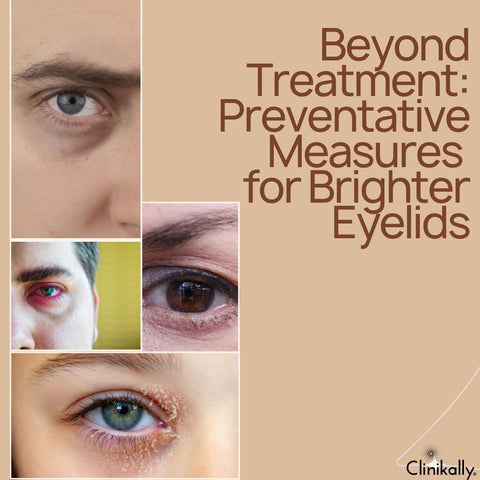
Preventing the development of dark eyelids involves a combination of lifestyle choices, skincare routines, and protective measures. Here are some effective strategies for Preventing dark eyelids and to maintain brighter, healthier eyelids:
1. Adequate Sleep
- Importance: Ensuring 7-9 hours of quality sleep each night helps reduce puffiness and dark circles by allowing the body to repair and regenerate skin cells.
- Tip: Maintain a consistent sleep schedule and create a relaxing bedtime routine to improve sleep quality.
2. Balanced Diet
- Importance: A diet rich in vitamins and minerals supports overall skin health. Nutrients like vitamin C, vitamin E, and iron are particularly beneficial.
- Tip: Include a variety of fruits, vegetables, lean proteins, and whole grains in your diet. Stay hydrated by drinking plenty of water.
3. Sun Protection
- Importance: UV radiation can increase melanin production and exacerbate pigmentation. Protecting the skin from sun exposure prevents darkening.
- Tip: Apply a broad-spectrum sunscreen with SPF 30 or higher around the eyes daily. Wear sunglasses and a wide-brimmed hat when outdoors.
4. Gentle Skincare
- Importance: The skin around the eyes is delicate and requires gentle care to avoid irritation and inflammation that can lead to darkening.
- Tip: Use mild, hypoallergenic products specifically formulated for the eye area. Avoid rubbing or tugging at the skin when applying or removing makeup.
5. Moisturization
- Importance: Keeping the skin well-hydrated improves its elasticity and reduces the appearance of fine lines and dark circles.
- Tip: Use a hydrating eye cream containing ingredients like hyaluronic acid, glycerin, or ceramides twice daily.
6. Avoid Smoking and Excessive Alcohol
- Importance: Smoking and heavy alcohol consumption can deplete essential nutrients, reduce blood flow, and damage skin cells, leading to dark eyelids.
- Tip: Quit smoking and limit alcohol intake to maintain healthy skin.
7. Manage Allergies
- Importance: Allergies can cause inflammation and frequent eye rubbing, which can darken the skin around the eyes.
- Tip: Use antihistamines to manage allergy symptoms and avoid known allergens. Apply a cold compress to soothe itchy eyes instead of rubbing them.
8. Stress Management
- Importance: High stress levels can affect sleep quality and overall skin health, contributing to dark circles.
- Tip: Practise relaxation techniques such as yoga, meditation, and deep breathing exercises to manage stress effectively.
9. Regular Exercise
- Importance: Physical activity improves blood circulation and promotes overall health, which can enhance skin appearance.
- Tip: Aim for at least 30 minutes of moderate exercise most days of the week.
By incorporating these preventative measures into your daily routine, you can help maintain brighter, healthier eyelids and reduce the likelihood of developing dark circles.
The Essential Skincare Routine: Preventing Further Darkening
Maintaining a consistent skincare routine is crucial for preventing further darkening of the eyelids and promoting a brighter, healthier appearance. By combining gentle cleansing, effective hydration, sun protection, and targeted treatments, you can address the underlying causes of pigmentation and keep your skin looking its best. There is no separate eyelid skincare routine, but here are some key steps to incorporate into your daily routine to prevent further darkening of the eyelids.
1. Cleanse Gently: Use a mild, hypoallergenic cleanser like Cetaphil Gentle Skin Cleanser specifically for the eye area. Avoid harsh scrubbing or rubbing.
2. Hydrate: Apply a hydrating eye cream with ingredients like hyaluronic acid or glycerin twice daily. ISDIN K-Ox Eyes Cream is a great product!
3. Protect: Use broad-spectrum sunscreen (SPF 30 or higher) around the eyes daily. Aclaris Photon 360 Matte Sunscreen Gel SPF 50+ PA+++ provides protection against UVA, UVB, IR Rays and Visible Light. Wear sunglasses to protect from UV rays.
4. Nourish: Incorporate serums with vitamin C or niacinamide to brighten and reduce pigmentation. Apply products with antioxidants to protect against environmental damage as antioxidants for eye health are very vital. Aveil C-Nu Vitamin C Serum keeps the skin hydrated and aids in skin repair.
5. Treat: Use targeted treatments like retinoids or peptides at night to boost collagen and reduce pigmentation. Consider professional advice for persistent darkening. Au.ric Retinol Serum is a powerful anti-ageing formula.
6. Lifestyle Support: Ensure adequate sleep and manage stress. Maintain a balanced diet and stay hydrated. Adverse Lifestyle factors affecting eyelids and overall health should be avoided.
Lifestyle Tweaks: Small Changes with Big Impact on Eye Health

Making simple lifestyle adjustments can significantly enhance the brightness of your eyelids. Prioritise getting adequate sleep, maintain a balanced diet rich in essential nutrients, and stay well-hydrated. Protect your skin from sun damage by using sunscreen and wearing sunglasses. Avoid smoking and limit alcohol consumption to support overall skin health. Manage stress through relaxation techniques like yoga and meditation, and ensure regular exercise to boost circulation. These small changes can collectively have a big impact on maintaining brighter, healthier eyelids.
The Importance of Sun Protection: Safeguarding Your Eyelids
Protecting your eyelids from sun damage is crucial for preventing pigmentation and maintaining healthy skin. The delicate skin around the eyes is particularly vulnerable to UV radiation, which can increase melanin production and lead to darkening. Regularly applying a broad-spectrum sunscreen with SPF 30 or higher around the eyes helps block harmful rays and prevent further pigmentation. Wearing sunglasses and a wide-brimmed hat adds an extra layer of protection, reducing exposure and shielding your eyelids from direct sunlight. By incorporating sun protection into your daily routine, you can safeguard your eyelids and keep them looking bright and healthy.
Your Personalized Eyelid Care Guide: From Darkness to Light
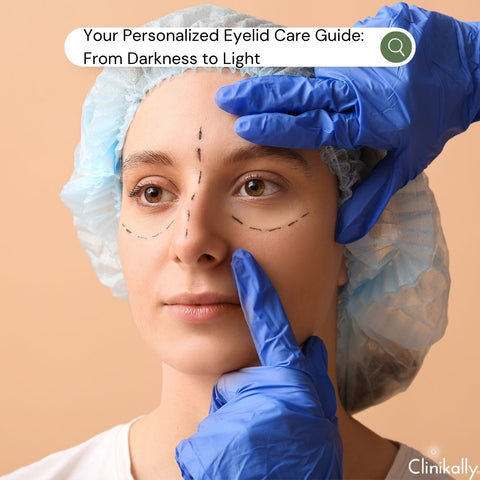
Understanding the various causes of dark eyelids and implementing targeted treatments and preventative measures can significantly enhance their appearance. By incorporating lifestyle adjustments, using effective skincare products, and seeking professional help when needed, you can transform your eyelids from dark to bright. The above mentioned and discussed personalised guide provides the knowledge and tools necessary to achieve healthier, more vibrant eyelids, ensuring your eyes reflect a well-rested and youthful look.