Dermaplaner Tools vs. Razors: Choosing the Best Option
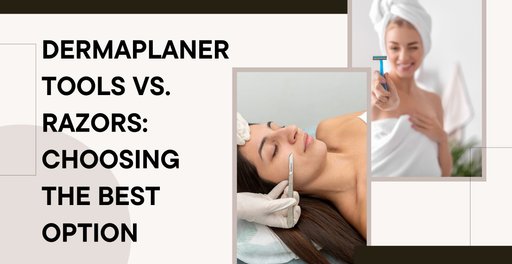
Choosing between dermaplaning equipment and razors for facial hair removal is influenced by a variety of factors, including your skin type, preferences, and intended outcome. This blog provides a comparison to help you decide which choice is best for you.
Understanding Dermaplaning and Shaving: The Basics
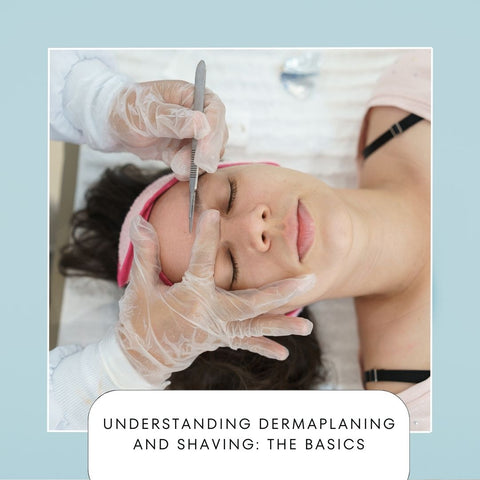
Let's look at the fundamentals of dermaplaning and shaving:
- Dermaplaning: Dermaplaning is a cosmetic technique that involves exfoliating the skin and removing fine vellus hair (peach fuzz) off the face with a specialized tool known as a dermaplaner or scalpel.
- Shaving: Shaving is the process of trimming and removing hair from different regions of the body, including the face, using a razor or electric shaver.
The approach you use depends on your skincare goals, skin sensitivity, and preferences. Dermaplaning is good for people looking for exfoliation advantages in addition to hair removal, whereas shaving is a quick and easy alternative for just hair removal.
What Is Dermaplaning? Exploring the Exfoliation Technique
Dermaplaning is a cosmetic procedure that exfoliates the skin and removes fine vellus hair (also known as peach fuzz) on the face. It's done using a specialized tool called a dermaplaner or scalpel. Dermaplaning provides various skin benefits, including exfoliation, hair removal, increased product absorption, and improved skin texture. It's a popular choice for individuals aiming for smoother, brighter skin, and it may be used as part of a full skincare routine to keep skin appearing healthy and youthful.
How Shaving Works: The Mechanism of Hair Removal
Shaving is a simple and effective method of hair removal that involves cutting hair on the skin's surface. It is suitable for the majority of people and produces speedy results with proper technique and care. Understanding the mechanics of shaving and following optimal practices will help you attain smooth, hair-free skin with minimal irritation.
Key Differences: Dermaplaning Tools vs. Razors

Dermaplaning instruments and razors are both used to remove facial hair, although they have very different designs, purposes, and applications. Here are the main distinctions between dermaplaning equipment and razors:
- Dermaplaning tools are designed specifically for exfoliation and fine hair removal, resulting in finer skin texture and better product absorption.
- Razors (both manual and electric) are primarily intended for hair removal, providing convenience and versatility across multiple body locations.
The decision between dermaplaning equipment and razors is based on your skincare goals, skin sensitivity, and preference for exfoliation benefits over straightforward hair removal. Dermaplaning instruments are best for precision exfoliation and facial hair removal, whereas razors are rapid and effective for hair removal on other parts of the body.
Dermaplaner Tools: Pros, Cons, and How to Use Them
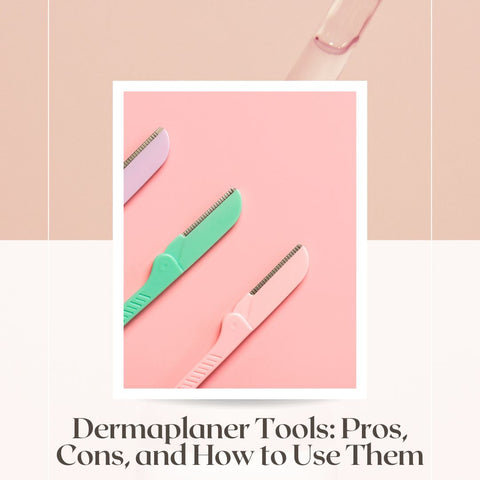
Dermaplaning tools are specialized equipment that exfoliates the skin and removes fine vellus hairs (peach fuzz) off the face. Here's an overview of their advantages, disadvantages, and how to use them effectively:
Pros:
- Effectively removes dead skin cells from the skin's surface, promoting smoother and brighter skin.
- Removes fine vellus hair (peach fuzz), which can enhance the smoothness and appearance of the skin.
- Enhances the absorption of skincare products by removing the barrier of dead skin cells and
- Provides a smooth canvas for makeup application, allowing for a flawless finish.
- It's a non-invasive procedure that doesn't require chemicals or downtime, making it suitable for most skin types.
Cons:
- Improper technique or excessive pressure can lead to skin irritation, redness, or small cuts.
- Dermaplaning may exacerbate active acne or inflamed skin areas, so it's generally avoided in these cases.
- Requires regular cleaning and blade replacement to ensure hygiene and effectiveness.
- Professional-grade dermaplaning tools may be more effective and safer when used by trained professionals.
How:
- Start with clean, dry skin. Remove any makeup, oils, or debris using a gentle cleanser. Optionally, you can apply a toner to balance the skin's pH levels and prepare it for exfoliation.
- Hold the dermaplaning tool at a 45-degree angle to the skin's surface. This angle allows for gentle and effective scraping.
- Begin at the forehead or cheek area, and gently glide the dermaplaning tool in short, upward strokes against the direction of hair growth. Avoid applying too much pressure. Let the blade do the work without pressing too hard on the skin. Continue across the entire face, focusing on areas with peach fuzz or dry patches. Take care around sensitive areas like the nose and lips.
- After dermaplaning, rinse your face with cool water to remove any remaining dead skin cells or hair. Apply a soothing moisturizer or serum to hydrate the skin and calm any potential irritation. Avoid direct sunlight and apply sunscreen (SPF 30 or higher) if going outside, as the skin may be more sensitive after exfoliation.
- Clean the dermaplaning tool thoroughly after each use to prevent bacteria buildup. Replace blades as recommended by the manufacturer to ensure optimal performance and hygiene.
Benefits of Dermaplaner Tools: Exfoliation, Hair Removal, and More

Dermaplaner tools provide many skin benefits, with the primary focus being on exfoliation, hair removal, and improving overall skincare results. Here are the main advantages of using derma-planer tools:
- Exfoliation: Dermaplaning effectively exfoliates the skin by gently scraping away the top layer of dead skin cells. This technique reveals the smoother, more luminous skin beneath. Dermaplaning improves skin texture by removing dead skin cells, leaving it softer and more even. Exfoliation stimulates cell turnover, which can result in a more youthful complexion and reduced appearance of fine lines and wrinkles over time.
- Hair Removal: Dermaplaner tools are intended exclusively for removing fine vellus hairs from the face. This removal can smooth the skin and improve makeup application. Unlike traditional hair removal therapies such as waxing or laser treatments, dermaplaning produces transient hair removal benefits that can persist for many weeks.
- Skincare Benefits: Dermaplaning improves the penetration and efficacy of skincare products by removing the top layer of dead skin cells and peach fuzz. This enables serums, moisturizers, and treatments to penetrate the skin better and deliver active ingredients. Dermaplaning, when applied regularly, can help brighten the face by eliminating dullness produced by dead skin and fine hair.
- Makeup Application: Dermaplaning provides a smoother surface for makeup application. Foundation and other beauty products apply more evenly, giving a perfect finish. Removing peach fuzz prevents cosmetics from clinging to fine hairs, which can make them more visible in certain lighting conditions.
- Non-Invasive and Suitable for Most Skin Types: Dermaplaning is a non-invasive process that does not use chemicals or harsh materials. It is suitable for most skin types. It is well-accepted by the majority of skin types, including sensitive skin. Dermaplaning requires little to no downtime, making it an ideal choice for those with busy schedules.
Risks and Safety Considerations of Dermaplaning at Home
Dermaplaning, while generally safe, has some risks and considerations, especially when performed at home. Here are the main risks and safety problems you should be aware of if you're considering dermaplaning at home.
- At-home dermaplaning Risks include skin irritation and sensitivity, infection, worsening of skin conditions, and the risk of ingrown hairs.
- Safety considerations for at-home dermaplaning include selecting the right tool, properly preparing your skin, following proper technique, hygiene and maintenance, and consulting a professional.
You may successfully enjoy the advantages of dermaplaning at home and reduce potential consequences by being aware of these dangers and taking the appropriate safety precautions. Stop using and consult a healthcare provider if you continue to feel irritated or uncomfortable.
Tips for Using Dermaplaner Tools: Achieving Safe and Effective Results
It is essential to use dermaplaner tools carefully and effectively to minimize the risks of damage or irritation and get the desired results. Prepare your skin properly, select the appropriate dermaplaner tool, apply the right technique, keep safety in mind, post-dermaplaning care, hygiene and maintenance, and keep an eye on skin reactions are some recommendations to help you use dermaplaner tools at home. You may safely and efficiently use dermaplaner equipment at home to get smoother, more radiant skin by paying attention to technique and by following these guidelines. For individualized advice, speak with a dermatologist or skincare specialist if you have any concerns or recurring skin problems.
Razors for Facial Hair Removal: Are They a Good Alternative?

Razors can be a convenient and effective method for removing facial hair, providing instant results without the need for expert assistance. However, they should be used with caution to avoid irritation and wounds, particularly on delicate regions of the face. Using the right razor and proper shaving practices will help you attain smooth, hair-free skin while minimizing discomfort. If you have specific skin concerns or are prone to irritation, speak with a dermatologist for tailored advice on the best hair removal treatments for your skin type.
Using Razors for Facial Hair: Pros and Cons

Using razors to remove face hair has both advantages and downsides. Here's an overview of the pros and cons to consider.
Pros:
- Razors are commonly accessible and reasonably priced in drugstores, supermarkets, and online. They are simple to operate at home and do not require any specific knowledge or expertise.
- Shaving produces immediate hair removal results. It effectively trims hair near the skin's surface, leaving a smooth finish that lasts many days.
- Razors can be used on several face areas, including the upper lip, chin, cheeks, and jawline. They are adaptable to targeting specific areas with fine or coarse hair.
- Shaving with razors is non-invasive and suitable for most skin types, including sensitive skin. It uses no chemicals or heat, making it a simple option for many.
- Razors are more affordable than other hair removal options such as waxing or laser treatments. Disposable razors are extremely affordable and easily replaced.
Cons:
- Shaving can irritate, especially if done incorrectly. Razor burn, redness, and ingrown hairs are all possible, especially if you have sensitive skin or dull blades.
- Shaving, as opposed to waxing or laser treatments, removes hair only temporarily. Hair regrows in a few days and requires frequent maintenance to stay smooth.
- Improper technique or the use of a dull razor blade increases the risk of cuts, nicks, and abrasions to the skin. Careful handling and sharp blades are required to reduce this risk.
- Razors require regular maintenance to ensure effectiveness and hygiene. Blades should be cleaned after each use and replaced frequently to prevent bacterial buildup and maintain sharpness.
- Shaving can sometimes lead to ingrown hairs, where hair curls back into the skin instead of growing outward. This can cause bumps or irritation, especially in areas with coarse hair.
Safety Tips for Using Razors on Your Face

Using razors on your face necessitates precise technique and attention to safety to reduce the danger of irritation, cuts, and other problems. Some important safety guidelines for shaving your face with razors include: properly preparing your skin, choosing the right razor, using shaving cream or gel, shaving technique, rinsing and moisturizing, and cleaning and storing your razor. By following these safety precautions and practicing proper shaving habits, you can attain smooth, well-groomed facial skin while reducing the chance of irritation or cuts. If you have sensitive skin or experience recurrent discomfort, you should consider changing your shaving practice or seeking personalized guidance from a dermatologist.
How Razors Compare to Dermaplaner Tools: Which Is Better for Your Skin?

Both razors and dermaplaner tools offer advantages based on your skincare goals and preferences. Razors are useful for rapid hair removal, but they may require extra attention to avoid irritation. Dermaplaner tools provide additional exfoliating advantages and can help improve skincare product absorption. When deciding between the two procedures, take into account your skin's sensitivity, desired outcomes, and willingness to invest in upkeep. If you are unsure, speaking with a dermatologist can provide personalized recommendations based on your skin type and problems.
Choosing Between Dermaplaner Tools and Razors: Factors to Consider
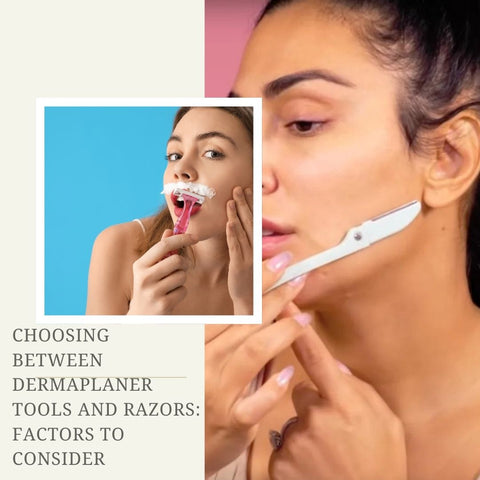
The decision between dermaplaner equipment and razors is based on your skincare goals, skin sensitivity, and desire for exfoliation versus rapid hair removal. Dermaplaner tools are perfect for people looking for more exfoliation and skincare advantages, whilst razors are convenient and provide fast hair removal results. Evaluate these variables to determine which option best fits your skincare routine and desired results. If you're unsure, using both procedures or consulting a skincare professional might help you make an informed decision.
Skin Type: Which Tool Is Suitable for Your Skin Sensitivity?
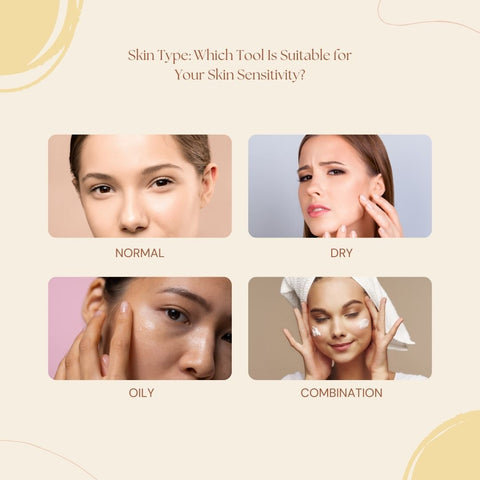
Choosing the correct tool for your skin sensitivity is determined by a variety of factors, including your skin type, concerns, and preferences. Considerations for Different Skin Types:
- Normal Skin: Dermaplaner tools and razors can be used on normal skin. To avoid irritation, use sharp-bladed tools and follow good technique.
- Sensitive Skin: Dermaplaner tools may be better suited to delicate skin because of their gentler exfoliation and hair removal technique. To minimize irritation, use instruments specialized for delicate skin, such as single blades and cautious application.
- Oily Skin: Dermaplaner tools and razors are both suitable for oily skin. Cleanse well before and after usage to avoid clogged pores and outbreaks.
- Dry Skin: Dermaplaner tools can be useful for dry skin since they exfoliate dead skin cells and improve product absorption. To minimize further dryness, use moisturizing products and avoid applying too much pressure during application.
- Combination Skin: Dermaplaner tools and razors can be used on combination skin, with techniques varying according to the location of the face. Pay attention to the demands of oily and dry regions, and use appropriate skincare products after use.
Hair Removal Goals: Precision vs. Full-Face Coverage

When contemplating hair removal goals, whether accuracy or full-face coverage, it is critical to understand your requirements and preferences. To help you decide, here's a comparison of full-face coverage and precision hair removal.
Precision Hair Removal:
- Focuses on specific areas of the face, such as the upper lip, chin, eyebrows, or jawline.
- Requires precision for shaping eyebrows or removing fine hair in small, defined areas.
- Allows for detailed grooming and shaping, achieving clean lines and defined contours.
Full-Face Coverage:
- Aims to remove hair across the entire face, including cheeks, forehead, and jawline.
- Seeks to achieve an even, hair-free complexion across all facial areas.
- Provides quick hair removal for larger surface areas in a single session.
Knowing these differences will help you select the method that will best help you achieve your hair removal objectives and improve your skincare routine as a whole.
Budget and Accessibility: Comparing the Cost and Availability of Tools
Depending on your tastes, financial situation, and desired level of hair removal, you can choose between dermaplaner instruments and razors. For simple and quick hair removal, razors are affordable and widely accessible, but dermaplaner instruments provide further skincare advantages but may come with a larger initial cost. Making an educated choice that fits both your budget and hair removal regimen can be aided by evaluating your priorities and long-term expenses.
Dermaplaning vs. Shaving: Addressing Common Myths and Misconceptions

Both shaving and dermaplaning are efficient ways to remove facial hair, and they both have their advantages. While shaving offers rapid and effective hair removal, dermaplaning concentrates on exfoliation and hair removal for smoother skin texture and improved skincare product absorption. Selecting the technique that best fits your skincare objectives and preferences can be made easier by being aware of these variations and busting common misconceptions. When used carefully, both utilizing razors at home and getting professional dermaplaning can be safe and effective.
Myth: Dermaplaner Tools Cause Hair to Grow Back Thicker
Dermaplaner tools are both safe and effective for exfoliating the face and removing hair. They do not disrupt hair development patterns or cause hair to regrow thicker. This myth most likely stems from the transitory sensation of blunt hair tips following removal, which is not a permanent alteration in hair structure or development.
Myth: Shaving Leads to Faster Hair Regrowth
Shaving is a safe and effective way to get rid of hair on the skin's surface. It does not speed up hair renewal or encourage hair to grow thicker. Any perceived changes in hair structure or appearance after shaving are only transient and do not affect the underlying hair development process.
Myth: Dermaplaning and Shaving Are Only for Certain Skin Types
Dermaplaning and shaving are not limited to specific skin types. Individuals with different skin types can safely and efficiently incorporate these hair removal treatments into their skincare routines if they use the right technique and products. Adjustments may be required based on individual skin sensitivities and preferences, ensuring a tailored approach to attain the best results.
Results and Maintenance: What to Expect from Dermaplaner Tools and Razors

Both dermaplaner equipment and razors provide excellent face hair removal treatments, each with its own set of advantages and maintenance requirements. Dermaplaning offers additional exfoliating advantages and improves product absorption, making it an ideal choice for people trying to improve skin texture. Razors remove hair quickly and easily, making them excellent for routine maintenance. Understanding these distinctions will allow you to select the method that best suits your skincare routine and maintenance preferences. Regular maintenance, good hygiene practices, and the right products are all necessary for achieving and maintaining smooth, healthy-looking skin.
Dermaplaning Results: Achieving Smooth and Radiant Skin
Dermaplaning provides both immediate and long-term benefits for developing smooth, vibrant skin. Dermaplaning improves skin texture, promotes a brighter complexion, and increases product absorption by effectively eliminating vellus hair and dead skin cells. Regular maintenance and good skincare aftercare assist in preserving these effects, making dermaplaning an important part of your skincare routine for glowing and healthy-looking skin.
Razor Results: Maintaining Hair-Free Skin
Razors are a convenient and effective way to keep hair off your face. With proper technique and aftercare, shaving can leave your skin smooth and hair-free. Regular maintenance and attention to skincare can help maintain a comfortable and effective shaving experience, making razors a viable option for face hair removal.
Maintenance Tips for Prolonging the Effects of Hair Removal

Maintaining smooth, hair-free skin following hair removal procedures necessitates ongoing care and attention. Regular exfoliation, hydration of the skin, sun protection, and avoidance of harsh products are some useful maintenance measures to help sustain the effects of hair removal, whether using dermaplaner equipment, razors, or other methods. By including these maintenance tips in your skincare routine, you may extend the effectiveness of hair removal treatments and achieve smooth, healthy-looking skin over time. Consistency and good care are essential for getting long-term outcomes.
Personalized Recommendations: Choosing the Right Tool for your skincare routine

When choosing the proper equipment for your skincare routine, consider your skin type, hair removal requirements, and personal preferences. Dermaplaner tools provide gentle exfoliation and hair removal that is suitable for all skin types with proper technique and aftercare. Razors remove hair quickly and effectively, with variations tailored to different skin sensitivities and conditions. Follow personalized advice and stick to a consistent skincare routine to get smooth, healthy-looking skin that is tailored to your specific needs.