
Elevating Haemoglobin: Power Foods for Optimal Health
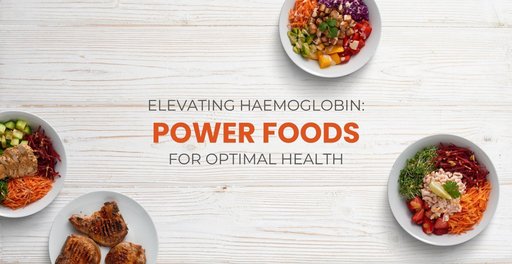
Haemoglobin, the iron-rich protein residing within red blood cells, plays a vital role in transporting oxygen throughout your body. Healthy haemoglobin levels are essential for maintaining vibrant energy, strong immunity, and overall well-being. However, dietary deficiencies or certain health conditions can lead to low haemoglobin, resulting in fatigue, weakness, and shortness of breath. The good news is that by incorporating a variety of power foods rich in iron, folate, and vitamin B12, you can naturally support healthy haemoglobin production and experience the energising benefits that come with it. Let's delve deeper into the dietary strategies and lifestyle adjustments that can empower you to elevate your haemoglobin levels and unlock a new level of vitality.
Essential Nutrients for Haemoglobin Enhancement
Haemoglobin is a vital protein in red blood cells that carries oxygen throughout your body. Here are essential nutrients for Haemoglobin enhancement along with their Haemoglobin boosting foods sources:
- Iron: Iron is a central component of Haemoglobin. A deficiency in iron is the most common cause of anaemia, a condition marked by low red blood cell count. Here are some iron-rich foods:
- Red meat, organ meats (liver, kidney)
- Poultry and fish
- Beans, lentils, and tofu
- Dark leafy greens (spinach, kale)
- Fortified cereals and breads
- Folate: Folate, also known as vitamin B9, is another crucial nutrient for Haemoglobin production. It helps your body form red blood cells and mature properly. Foods high in folate include:
- Leafy green vegetables (spinach, kale, collard greens)
- Beans, lentils, and chickpeas
- Citrus fruits and juices (orange, grapefruit)
- Fortified cereals and breads
- Avocados
- Nuts and seeds
- Vitamin B12: Vitamin B12 works with folate in red blood cell production. Here are some dietary sources of Vitamin B12:
- Meat, poultry, and fish
- Eggs
- Dairy products
- Fortified cereals and breads
- Vitamin C: Vitamin C enhances iron absorption from plant-based foods. Include Vitamin C for iron absorption in your diet:
- Citrus fruits (orange, grapefruit)
- Bell peppers
- Strawberries
- Broccoli
Consulting a doctor is recommended before taking any supplements, especially if you have underlying health conditions. They can advise on the best course of action for your individual needs.
Iron-Rich Staples: Foundation of Haemoglobin Health
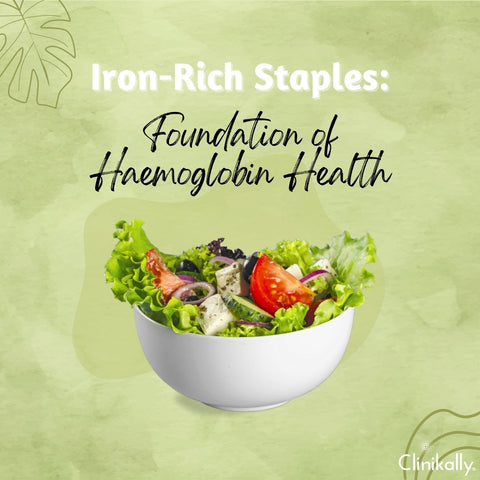
Iron is vital for Haemoglobin health because it's a key ingredient in the Haemoglobin molecule itself. Here's a breakdown of how iron contributes to strong Haemoglobin:
- Haemoglobin is a protein composed of four globin chains and a central heme group. This heme group contains iron.
- The iron atom within the heme group has a special ability to bind with oxygen molecules. This binding is reversible, allowing Haemoglobin to pick up oxygen in the lungs and release it to tissues throughout the body.
- When iron intake is insufficient, the body can't produce enough heme groups. This leads to a decrease in Haemoglobin production, resulting in a condition called iron deficiency anaemia. Symptoms of anaemia include fatigue, weakness, and shortness of breath due to reduced oxygen delivery to tissues.
- The body stores iron for future use. However, iron absorption is tightly regulated to prevent excessive buildup, which can be toxic.
In essence, iron transports oxygen molecules where they're needed most. Without enough iron, the count of red blood cells and their oxygen-carrying capacity (Haemoglobin) diminishes, leading to health problems.
Vitamin C: The Iron Absorption Catalyst
Vitamin C plays a crucial role in promoting haemoglobin health, but it acts more like a behind-the-scenes helper rather than the main character. Here's a detailed look at how vitamin C assists iron absorption and indirectly boosts haemoglobin:
- Plant-based foods, that are rich sources of non-heme iron, often contain compounds like phytates that bind to iron, making it less available for absorption in the intestines. The small intestine has a slightly alkaline environment, which can further decrease non-heme iron's solubility, hindering its absorption. This is corrected by Vitamin C.
- Vitamin C acts as a chelator, forming a soluble complex with non-heme iron. This complex bypasses the binding effect of phytates and improves iron's solubility in the alkaline environment of the small intestine.
- Vitamin C can also help reduce ferric iron, the iron form found in food, to ferrous iron. Ferrous iron is the more readily absorbed form by the intestinal cells.
- Iron is a core component of the heme group, which sits at the center of the haemoglobin molecule. By enhancing non-heme iron absorption, vitamin C indirectly contributes to increased iron availability for haemoglobin production. This can potentially lead to the formation of more red blood cells with adequate haemoglobin levels.
- With sufficient haemoglobin, red blood cells can efficiently transport oxygen throughout the body, ensuring proper cellular function and maintaining overall health.
In spite of a crucial role played by Vitamin C for haemoglobin health, it is important to consider few factors:
- While vitamin C aids iron absorption, it doesn't guarantee complete absorption of all non-heme iron. Other factors like calcium intake and overall dietary balance can also play a role.
- Combining foods rich in vitamin C with iron-rich plant-based sources can maximise iron absorption. For example, having a glass of orange juice with lentil soup or adding bell peppers to a stir-fry are good strategies.
- It's important to note that vitamin C has minimal impact on the absorption of heme iron, which is already well-absorbed by the body.
In conclusion, Vitamin C serves as a valuable facilitator for iron absorption, particularly from plant-based diets. By improving iron bioavailability, it indirectly contributes to haemoglobin health and overall well-being.
Folate and Vitamin B12: Key Players in Haemoglobin Production
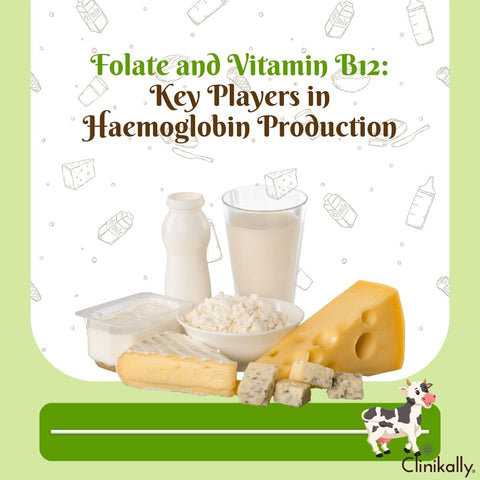
Folate (vitamin B9) and vitamin B12 are essential micronutrients that act in a synergistic manner to orchestrate the intricate process of haemoglobin synthesis within red blood cells (erythrocytes). Their contributions extend beyond directly composing the haemoglobin molecule, but rather lie in their critical roles within cellular processes that underpin erythrocyte maturation. This essay delves into the well-coordinated mechanisms by which folate and vitamin B12 exert their influence on haemoglobin health.
Role of Folate
Folate plays a pivotal role in the one-carbon pool, a metabolic pathway that acts as a central hub for distributing single-carbon units. These single-carbon units are the fundamental building blocks for various cellular processes, with DNA synthesis being of paramount importance in development of red blood cells. Folate serves as a crucial coenzyme for the enzyme thymidylate synthase, which is responsible for the production of thymidine, a nucleotide essential for DNA replication. In the absence of sufficient folate, thymidine synthesis becomes hampered, thereby hindering the rapid cell division required for erythroblasts to mature into functional red blood cells. This disruption leads to the formation of megaloblasts – abnormally large and dysfunctional red blood cells.
Furthermore, folate is intricately involved in purine synthesis, another critical component for DNA and RNA production. Adequate purine levels are indispensable for proper erythrocyte development. By ensuring a steady supply of these vital building blocks, folate lays the foundation for the creation of healthy red blood cells with a generous haemoglobin content.
Role of Vitamin B12
While vitamin B12 does not directly participate in DNA synthesis itself, it acts as an essential "activator" of folate. It facilitates the conversion of dietary folate into its metabolically active form, methyl folate. This activated form is the one readily utilized by cells in DNA synthesis and other methylation reactions. Without adequate vitamin B12, folate remains trapped in its inactive state, rendering it unavailable for these crucial processes and consequently hindering red blood cell development.
Vitamin B12 also exerts its influence through the regulation of homocysteine metabolism. Homocysteine is an amino acid byproduct, and elevated levels can impede erythrocyte development. Vitamin B12 promotes the conversion of homocysteine back into essential amino acids, maintaining a healthy balance and preventing this potential disruption to red blood cell maturation.
Beyond its role in folate activation, vitamin B12 acts as a coenzyme in methylation reactions, a process that adds a methyl group to various molecules. This methylation plays a critical role in regulating gene expression. Specific genes are necessary for proper erythrocyte maturation, and vitamin B12 ensures their appropriate activation through methylation. By regulating these genetic pathways, vitamin B12 indirectly influences the entire process of red blood cell development.
Folate and Vitamin B12: A Synergistic Partnership
A synergistic interplay between folate and vitamin B12 is paramount for haemoglobin synthesis. Vitamin B12 facilitates folate activation, while adequate folate is essential for utilizing B12. Deficiencies in either can lead to megaloblastic anaemia, characterized by dysfunctional red blood cells. Maintaining a balanced intake of both vitamins is crucial for optimal haemoglobin health.
Superfoods for Haemoglobin: A Closer Look at Your Best Options
Haemoglobin is a vital protein in red blood cells responsible for transporting oxygen throughout the body. Maintaining optimal haemoglobin levels is crucial for overall health and well-being. Superfoods, rich in iron, vitamins, and minerals, play a significant role in boosting haemoglobin levels. Here’s a detailed look at the best options categorized by the key nutrients they provide:
- Iron-Rich Foods
- Iron is essential for the production of haemoglobin. Both heme (animal-based) and non-heme (plant-based) iron are important for maintaining healthy iron levels.
- Spinach
- Rich in non-heme iron and vitamin C.
- It can be added to salads, smoothies, soups, or sauté with garlic.
- Red Meat (Beef, Lamb, Liver)
- Excellent source of heme iron.
- Lean cuts of red meat can be grilled, roasted, or stewed.
- Legumes (Beans, Lentils, Chickpeas)
- High in non-heme iron and protein.
- Legumes can be incorporated into stews, salads, or make dips like hummus.
- Beetroot
- Contains iron and improves blood flow.
- Beetroot for haemoglobin increase can be incorporated by roasting or added to salads and smoothies, or can be taken as a juice.
- Folate-Rich Foods
- Folate (Vitamin B9) is crucial for DNA synthesis and repair, and it supports the production of healthy red blood cells.
- Spinach
- High in folate.
- Add Spinach to salads, smoothies, soups, or sauté with garlic.
- Legumes (Beans, Lentils, Chickpeas)
- Excellent source of folate.
- Incorporate the legumes into stews, salads, or make dips like hummus.
- Asparagus
- Rich in folate and vitamins A, C, and K.
- Steam, grill, or add Asparagus to salads and pasta dishes.
- Vitamin B12-Rich Foods
- Vitamin B12 is essential for red blood cell formation and neurological function. It is primarily found in animal products.
- Red Meat (Beef, Lamb)
- High in Vitamin B12 and iron.
- Grill, roast, or stew lean cuts of red meat.
- Fish (Salmon, Tuna)
- Rich in Vitamin B12 and omega-3 fatty acids.
- Bake, grill, or steam fish for a nutritious meal.
- Dairy Products (Milk, Cheese, Yogurt)
- Good source of Vitamin B12 and calcium.
- Incorporate various dairy products into daily meals and snacks.
- Vitamin C-Rich Foods
- Vitamin C enhances the absorption of non-heme iron from plant-based sources.
- Citrus Fruits (Oranges, Lemons, Grapefruits)
- High in Vitamin C.
- Either eat fresh fruits or make a juice, or add to salads and desserts.
- Bell Peppers
- Excellent source of Vitamin C.
- Add to salads, stir-fries, or eat raw as a snack.
- Strawberries
- Rich in Vitamin C and antioxidants.
- Add strawberries to smoothies, cereals, or enjoy as a snack.
- Other Essential Nutrient-Rich Foods
- These foods provide a combination of essential vitamins and minerals that support overall health and haemoglobin production.
- Nuts and Seeds (Almonds, Sunflower Seeds)
- High in Vitamin E, magnesium, and iron.
- Either snack on nuts and seeds, add to salads, or include in baking.
- Whole Grains (Quinoa, Brown Rice)
- Good source of iron, folate, and other B vitamins.
- Use Quinoa or Brown Rice as a base for salads, side dishes, or main courses.
Incorporating these nutrient-dense superfoods into your diet can significantly improve your haemoglobin levels and overall health. Make sure to have a balanced diet that includes a variety of these foods to ensure you get all the essential nutrients for optimal haemoglobin production and maintenance. Encapsulating the above information in the table:
Nutrient Superfood Benefits Usage Tips Iron-Rich Foods Spinach High in non-heme iron and vitamin C Add to salads, smoothies, soups, or sauté with garlic Red Meat (Beef, Lamb, Liver) Excellent source of heme iron Grill, roast, or stew lean cuts of red meat Legumes (Beans, Lentils, Chickpeas) High in non-heme iron and protein Incorporate into stews, salads, or make dips like hummus Beetroot Contains iron and improves blood flow Roast, juice, or add to salads and smoothies Folate-Rich Foods Spinach High in folate Add to salads, smoothies, soups, or sauté with garlic Legumes (Beans, Lentils, Chickpeas) Excellent source of folate Incorporate into stews, salads, or make dips like hummus Asparagus Rich in folate and vitamins A, C, and K Steam, grill, or add to salads and pasta dishes Vitamin B12-Rich Foods Red Meat (Beef, Lamb) High in Vitamin B12 and iron Grill, roast, or stew lean cuts of red meat Fish (Salmon, Tuna) Rich in Vitamin B12 and omega-3 fatty acids Bake, grill, or steam fish for a nutritious meal Dairy Products (Milk, Cheese, Yogurt) Good source of Vitamin B12 and calcium Incorporate into daily meals and snacks Vitamin C-Rich Foods Citrus Fruits (Oranges, Lemons, Grapefruits) High in Vitamin C Eat fresh, juice, or add to salads and desserts Bell Peppers Excellent source of Vitamin C Add to salads, stir-fries, or eat raw as a snack Strawberries Rich in Vitamin C and antioxidants Add to smoothies, cereals, or enjoy as a snack Other Essential Nutrient-Rich Foods Nuts and Seeds (Almonds, Sunflower Seeds) High in Vitamin E, magnesium, and iron Snack on them, add to salads, or include in baking Whole Grains (Quinoa, Brown Rice) Good source of iron, folate, and other B vitamins Use as a base for salads, side dishes, or main courses
Leafy Greens: The Vein of Haemoglobin Health
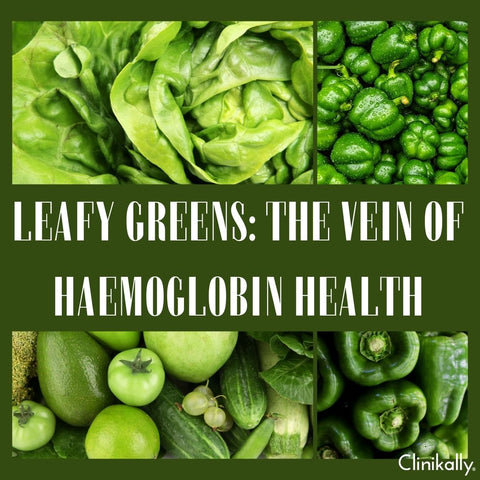
Leafy greens, such as spinach, kale, and Swiss chard, are essential for haemoglobin health due to their high iron content. Iron is a crucial component of haemoglobin, the protein in red blood cells responsible for oxygen transport. Additionally, leafy greens are rich in folate (vitamin B9), which aids in the production and maintenance of new red blood cells. The vitamin C in these greens also enhances iron absorption, further boosting haemoglobin levels. Incorporating leafy green vegetables for heamoglobin into your diet supports overall blood health, energy levels, and the efficient delivery of oxygen throughout the body.
Protein-Packed Choices: Meat, Poultry, and Seafood
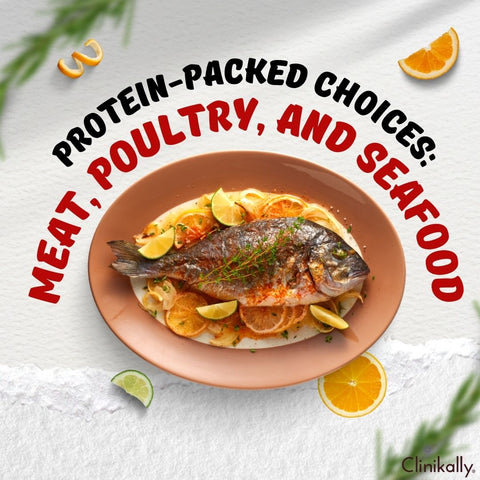
Meat, poultry, and seafood are crucial for haemoglobin health due to their rich content of heme iron, which is more easily absorbed by the body compared to non-heme iron found in plant sources. These protein-packed foods also provide essential nutrients like vitamin B12 and zinc, which are vital for red blood cell production and function. Vitamin B12, in particular, plays a key role in the formation of haemoglobin. Incorporating meat, poultry, and seafood into your diet ensures a readily available supply of these nutrients, promoting healthy haemoglobin levels and efficient oxygen transport in the body.
Plant-Based Powerhouses: Legumes, Nuts, and Seeds
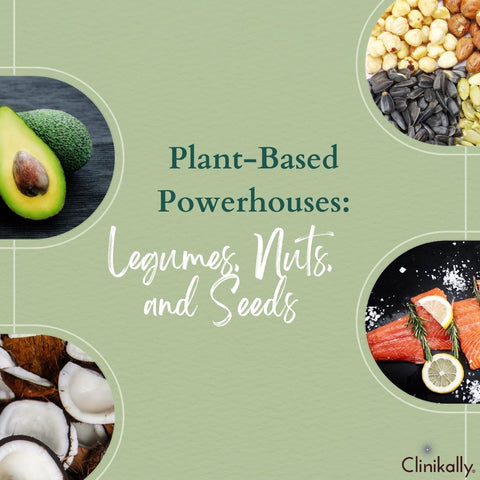
Legumes, nuts, and seeds are essential plant-based powerhouses for haemoglobin health. Rich in non-heme iron, these foods help in the production and maintenance of haemoglobin. Legumes, such as beans, lentils, and chickpeas, are also high in folate, which is crucial for red blood cell formation. Nuts and seeds provide additional iron, protein, and essential minerals like magnesium, supporting overall blood health. These plant-based sources also contain antioxidants and healthy fats that enhance nutrient absorption and promote overall well-being. Including a variety of legumes, nuts, and seeds in your diet can significantly contribute to maintaining healthy haemoglobin levels.
Integrating Haemoglobin-Boosting Foods into Your Diet
Integrating haemoglobin-boosting foods into your diet is crucial for maintaining optimal blood health and overall well-being. Haemoglobin, the protein in red blood cells, is essential for transporting oxygen throughout the body. Foods rich in iron, such as leafy greens, meat, poultry, and seafood, directly support haemoglobin production. Additionally, nutrient-dense choices like legumes, nuts, seeds, and foods high in vitamin C enhance iron absorption and red blood cell formation. A diet inclusive of these superfoods ensures efficient oxygen delivery to tissues and organs, boosts energy levels, supports immune function, and prevents anaemia, contributing to a healthier, more vibrant life.
Delicious Recipes to Maximize Iron Intake
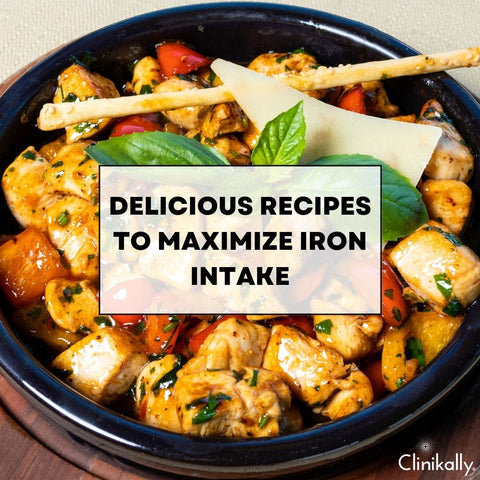
Here are some mouthwatering recipes that are not only delicious but also packed with iron to support healthy haemoglobin levels:
- Main Course Recipes:
- Spiced Lamb Burgers with Mint Yogurt Sauce: Lean ground lamb provides a significant amount of heme iron, while the yogurt sauce adds a refreshing touch. Sauteed onions and mushrooms add flavor and fiber.
- One-Pan Skillet Steak with Roasted Vegetables: This simple recipe combines iron-rich beef with colorful vegetables like bell peppers and broccoli. Roasting enhances the sweetness of the vegetables, and a squeeze of lemon juice during cooking aids in iron absorption.
- Lentil Shepherd's Pie: A vegetarian twist on a classic dish. Lentils are a great source of non-heme iron and protein. Top with mashed potatoes for a comforting and satisfying meal.
- Side Recipes:
- Spicy Black Bean and Corn Salad: Kidney beans and black beans are loaded with iron and fiber. Combine them with corn, chopped bell peppers, and a zesty lime dressing for a refreshing and flavorful side dish.
- Creamy Spinach with Garlic: A quick and easy way to incorporate iron-rich spinach into your diet. Sauteed with garlic and a touch of cream cheese, this dish adds a delightful garlicky flavor to any meal.
- Quinoa Salad with Roasted Vegetables: This protein-packed salad features quinoa, a complete protein source, along with roasted iron-rich vegetables like broccoli and Brussels sprouts. Toss with a light vinaigrette for a healthy and satisfying side.
- Breakfast Delights:
- Fortified Oatmeal with Berries and Nuts: Start your day with a dose of iron! Fortified oatmeal provides readily absorbed iron, while berries add a touch of sweetness and vitamin C to enhance iron absorption. Top with nuts for added protein and healthy fats.
- Scrambled Eggs with Spinach and Feta: Eggs are a good source of heme iron, while spinach adds non-heme iron and folate. Crumbled feta cheese provides a savory element and additional calcium.
- Sweet Treats (with a twist):
- Dark Chocolate Smoothie: Indulge your sweet tooth with a healthy twist! Dark chocolate (at least 70% cacao) contains some iron, and pairing it with a banana and spinach smoothie adds potassium and folate.
- Fortified Berry Muffins: Homemade muffins are a great way to sneak in extra iron. Use a fortified wheat flour blend and add berries for a touch of sweetness and vitamin C.
By incorporating these ideas into your meal planning, you can enjoy a delightful culinary adventure while supporting your body's production of healthy red blood cells.
Meal Planning Tips for Balanced Haemoglobin Levels
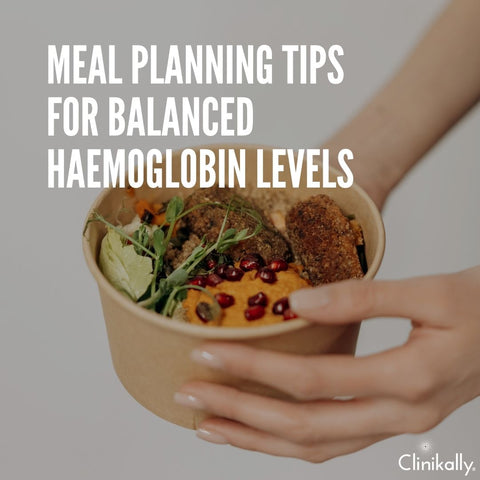
Craft meals to optimize haemoglobin! Prioritize heme iron sources like beef, lamb, and liver. Complement with non-heme iron and vitamin C from leafy greens (spinach, kale) for enhanced absorption. Beans and lentils offer a protein and iron duo. Ensure folate intake with citrus fruits and fortified options. For vegetarians, prioritise vitamin B12 from meat, dairy, or fortified foods. This balanced approach promotes healthy haemoglobin levels.
Lifestyle Adjustments to Support Haemoglobin Health
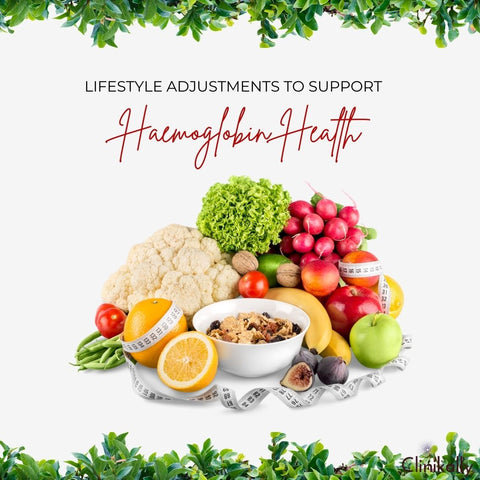
Supporting healthy haemoglobin levels goes beyond just diet. While consuming iron-rich foods (red meat, beans, leafy greens) and pairing them with vitamin C (citrus fruits, peppers) is crucial, consider these lifestyle hero hacks: incorporate folate-rich sources like fruits and fortified foods. Vegetarians are recommended to prioritise B12 from dairy, eggs, or supplements. Finally, don't underestimate the power of staying hydrated – water is essential for optimal health, including red blood cell function.
Elevating Your Well-being: Nourishing Your Body for Higher Haemoglobin
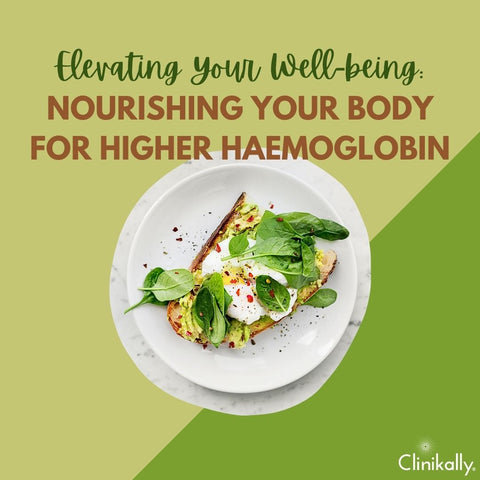
A balanced diet transcends mere calorie restriction; it serves as the foundation for optimal physiological function. By incorporating a diverse range of nutrient-rich foods, we empower our bodies to perform at their peak. This translates to a multitude of health benefits, including robust immune function, strong musculoskeletal health, enhanced energy levels, and the promotion of healthy haemoglobin production. By embracing a balanced dietary approach, we orchestrate a symphony of essential nutrients, ultimately fostering well-being throughout the body.
Share this article
What is haemoglobin?
Why are healthy haemoglobin levels important?
What are the main dietary sources of iron for haemoglobin production?
How can I improve the absorption of non-heme iron?
What other nutrients are important for haemoglobin health?
Are there any lifestyle habits that can affect haemoglobin levels?
Can menstruation affect haemoglobin levels in women?
Tags
We'd love to hear your thoughts!
Enter Full Name
Enter Email
Write a reply
No content on this site, regardless of date, should ever be used as a substitute for direct medical advice from your doctor or other qualified clinician.