Fungal Infections: Causes, Treatment & Prevention
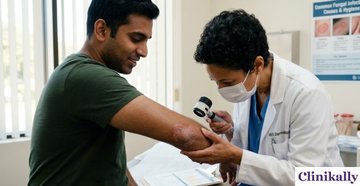
We’ve all seen an itchy, red patch of skin pop up out of nowhere, and our first reaction to this is to rush to the medicine cabinet and use any multi-purpose cream or leftover hydrocortisone tube sitting on the shelf, slather it on, and hope for quick relief.
But if this rash is actually a fungal infection, standard over-the-counter itch creams won’t just fail to work but also make it worse. And, thus, you need a specialized treatment that is going to cure the exact problem. To make it more feasible for you, in this guide, we’ll talk about fungal infections, its causes, treatment, and prevention techniques. Let’s begin the discussion with understanding what fungal infections are.
Understanding Fungal Infection & Its Types
A fungal infection (medically known as a mycosis) occurs when microscopic fungi such as yeasts, molds, or dermatophytes; invading the outer layers of your skin, hair, or nails. These tiny organisms feed on keratin, the primary protein that makes up human skin and nails.
While fungi normally live on our skin in small amounts without causing harm, warm and moist environments can cause them to multiply rapidly, triggering a noticeable infection. Medical research categorizes fungal infections based on where they settle on the body and the specific type of fungus involved.
Dermatophyte Infections (Tinea / Ringworm Family)
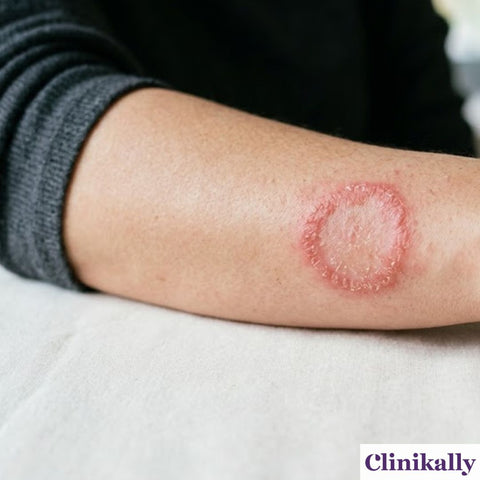
Dermatophytes are a group of specialized fungi that require keratin to survive. These infections are contagious and spread easily through direct contact with infected skin, shared items, or animals.
-
Ringworm of the Body (Tinea Corporis): Despite its misleading name, ringworm is not caused by a worm. It presents as a circular, red or discolored rash with raised, scaly edges and a relatively clear area in the middle.
-
Athlete’s Foot (Tinea Pedis): Thriving in damp footwear, sweaty socks, and public pool floors, this infection causes cracking, peeling, and intense burning between the toes or on the soles of the feet.
-
Jock Itch (Tinea Cruris): Common in areas prone to friction and sweat, this rash affects the groin, inner thighs, and buttocks. It typically causes a red or dark, scaly, and itchy border.
-
Scalp Ringworm (Tinea Capitis): Most common in children, this infection attacks the hair shafts on the scalp, leading to circular bald spots, scaly skin, and fragile, easily broken hair.
Yeast Infections (Candida)
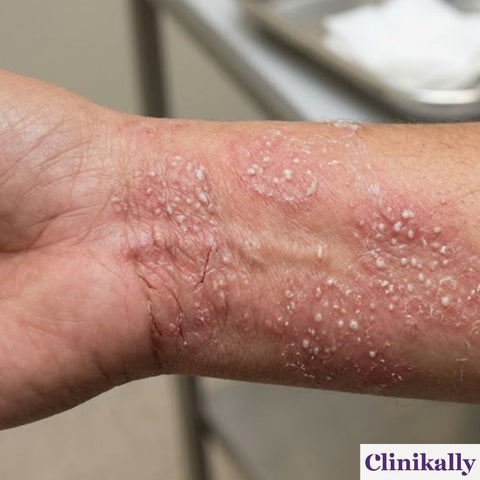
Candida is a type of yeast that naturally lives inside the human body and on the skin. However, factors like high humidity, antibiotic use, or a weakened immune system can cause an overgrowth.
-
Skin Fold Candidiasis: Often appearing under the breasts, in the armpits, or around the groin, this infection creates bright red, raw, and moist patches of skin that burn and itch. Small, pus-filled bumps (satellite spots) often border the main rash.
-
Oral Thrush: A fungal infection inside the mouth that produces creamy white patches on the tongue and inner cheeks, often leaving red, tender tissue beneath when wiped away.
Malassezia Overgrowth (Pityriasis Versicolor)
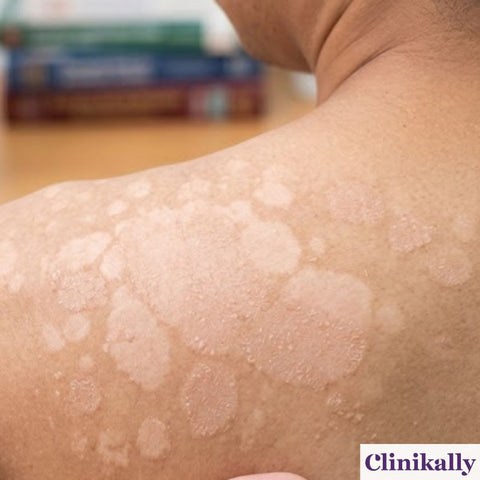
Malassezia is another resident yeast on human skin, particularly in areas rich in oil glands like the chest, back, and shoulders.
-
Pityriasis (Tinea) Versicolor: When this yeast overgrows often triggered by hot, humid weather or oily skin; it alters the skin's natural pigmentation. This results in small, mildly itchy patches that appear lighter or darker than the surrounding skin. These patches become more noticeable after sun exposure, as the fungus prevents the affected skin from tanning uniformly.
Fungal Nail Infections (Onychomycosis)
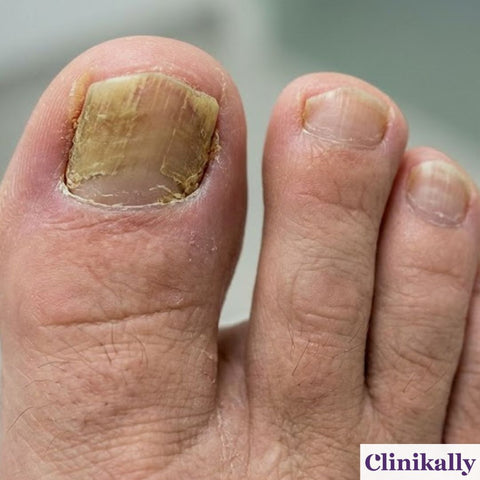
Fungi can also lodge underneath the fingernails or toenails (most commonly secondary to untreated athlete's foot).
-
Symptom Profile: Over time, the fungus causes the nail plate to become thick, brittle, crumbly, and discolored (turning yellow, brown, or white). If left untreated, the nail may separate from the nail bed or break down completely.
Why Do Fungal Infections Happen?
Fungal infections occur when environmental conditions, host factors, or underlying health changes allow microscopic fungi to multiply out of control. Fungi exist everywhere, even in the air, soil, on animals, and even naturally on human skin.
The primary causes and triggering factors fall into three major categories:
Environmental & Lifestyle Triggers
Fungi are opportunistic organisms that thrive in specific physical environments.
-
Warmth and Moisture: Fungi flourish in damp, humid settings. Trapped sweat under tight clothing, damp footwear, or un-dried skin folds create ideal breeding grounds.
-
Contaminated Surfaces: Walking barefoot in damp communal areas; such as locker rooms, public showers, or swimming pool decks, exposes bare skin to lingering fungal spores.
-
Shared Personal Items: Towels, hairbrushes, unwashed clothing, bedding, or sports equipment can carry fungal spores from one person to another.
-
Direct Contact with Animals or Soil: Certain fungi (like those causing ringworm) live on pets, livestock, or in soil, transferring to humans upon direct physical contact.
Biological & Physiological Factors
Changes inside or on the surface of the body can lower natural defenses against fungal overgrowth.
-
Skin Barrier Damage: Minor cuts, scratches, cracked skin from severe dryness, or maceration (skin softened by continuous moisture) break down the skin's natural shield, giving fungi an entry point.
-
Microbiome Imbalance: Friendly bacteria on skin and mucous membranes help keep yeast populations in check. Broad-spectrum antibiotics kill these beneficial bacteria, allowing fungi like Candida to rapidly multiply.
-
Hormonal Fluctuations: Shifts in hormones (during pregnancy, menopause, or from birth control) can alter skin pH and mucosal environments, promoting yeast overgrowth.
Health Conditions & Systemic Vulnerabilities
Certain medical conditions make the body significantly more susceptible to fungal infections.
-
Weakened Immune System: Conditions like HIV/AIDS, active cancer treatments (chemotherapy), or long-term use of immunosuppressants and corticosteroids weaken the immune response needed to suppress fungal pathogens.
-
Diabetes Mellitus: Elevated blood sugar levels provide additional nourishment for yeasts like Candida, while poor peripheral circulation hinders the immune system's ability to reach affected skin areas quickly.
-
Obesity: Deeper skin folds create natural friction and trap heat and sweat, creating ideal micro-climates for fungal colonies.
How to Correctly Treat Fungal Infections
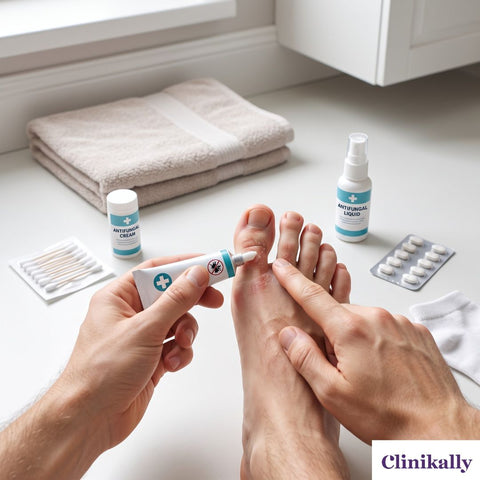
Treating a fungal infection effectively requires targeted therapies that directly disrupt fungal cell walls, unlike standard anti-inflammatory or antibacterial treatments.
Medical approaches depend entirely on where the infection is, how widespread it has become, and which type of fungus is responsible.
Topical Antifungals (First-Line for Mild to Moderate Cases)
For localized skin infections (such as standard ringworm, athlete's foot, or jock itch), direct-application topical agents are usually sufficient.
-
Allylamines (e.g., Terbinafine, Naftifine): Products like Naftifast 2% Cream, Terbimax-F Lotion, etc., are highly effective at killing dermatophytes by inhibiting an enzyme necessary for fungal cell membrane synthesis.
-
Azoles (e.g., Clotrimazole, Ketoconazole, Miconazole, Econazole): These products, such as Candid Dusting Powder, Ketostar Cream, Etrozol Cream, etc., stop the growth of both yeasts (Candida) and dermatophytes.
-
Proper Application: Clean and completely dry the area before applying a thin layer over the rash and 1–2 inches past its visible border.
-
Crucial Rule: Continue applying topicals for at least 1 to 2 weeks after visible symptoms clear to eliminate microscopic spores and prevent an immediate relapse.
Oral Antifungals (For Severe, Widespread, or Deep Infections)
When an infection involves hair follicles, nails, extensive areas of skin, or fails to respond to creams, systemic oral medications prescribed by a doctor are required.
-
Oral Terbinafine: The gold-standard oral treatment, such as Zimig 250mg Tablet work efficiently for fungal nail infections (onychomycosis) and scalp ringworm (tinea capitis).
-
Itraconazole & Fluconazole: Broad-spectrum oral medications such as Carefungi 200 Capsule, Zygter Tablet, etc., are often prescribed for severe yeast overgrowth or resistant fungal strains.
-
Note on Oral Therapy: Systemic antifungals are processed by the liver. Healthcare providers may request baseline liver function blood tests for long-term courses (such as 12-week nail treatments).
What NOT to Do
|
Misstep |
Why It Backfires |
|
Using Steroid Creams Alone |
Hydrocortisone suppresses local skin immunity, allowing the fungus to grow unchecked (a condition called Tinea Incognito). |
|
Stopping Treatment Early |
Relieving the itch doesn't mean the fungus is dead. Stopping early leaves underlying spores to rebuild full-blown resistance. |
|
Using Antibiotics |
Antibiotics target bacteria, not fungi. In fact, oral antibiotics kill off beneficial skin bacteria and can make yeast infections worse. |
Essential Care & Symptom Management
-
Keep it Dry: Antifungals struggle in constantly damp environments. Dusting antifungal or absorbent powders into socks or skin folds helps keep the area dry.
-
Soothe the Itch Safely: Instead of steroid creams, doctors often recommend oral antihistamines to reduce the urge to scratch, preventing secondary bacterial skin infections.
How to Prevent Fungal Infections Before They Start
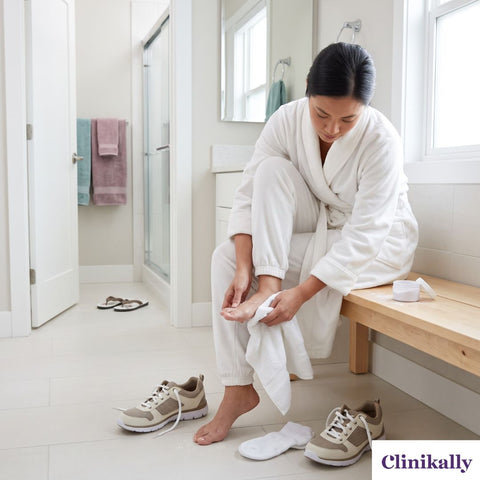
Because fungal spores exist everywhere in our surrounding environment, complete elimination is impossible. However, preventing an overgrowth comes down to one core principle: eliminating the warm, moist, dark environments that fungi require to thrive.
By adopting targeted hygiene habits and protecting your skin's natural barrier, you can drastically reduce your risk of developing a fungal infection.
Keep Vulnerable Areas Clean and Dry
Fungi thrive on excess moisture trapped against the skin. Controlling moisture levels is your best defense.
-
Dry Off Completely: After showering, bathing, or swimming, thoroughly dry your skin before putting on clothes; paying special attention to skin folds, underarms, beneath the breasts, and between the toes.
-
Use Absorbent Powders: If you are prone to excess sweating, apply non-medicated talc-free or cornstarch powders (or anti-fungal powders) in areas prone to friction and sweat.
-
Change Clothes Promptly: Swap out sweaty workout clothes, wet swimwear, or damp socks immediately after activity. Avoid sitting in damp gear.
Practice Smart Foot Hygiene
The feet are ground zero for fungal infections like athlete's foot and nail fungus due to enclosed shoes and sweating.
-
Protect Feet in Public Spaces: Always wear flip-flops, shower shoes, or water sandals in locker rooms, communal showers, public pools, and hotel rooms.
-
Choose Breathable Footwear: Wear shoes made from natural, breathable materials (like leather or mesh) that allow air circulation.
-
Rotate Shoes Daily: Avoid wearing the exact same pair of shoes two days in a row. Give footwear at least 24 hours to air out and dry completely between uses.
-
Opt for Moisture-Wicking Socks: Wear synthetic, bamboo, or wool socks designed to pull sweat away from the skin, rather than standard cotton, which holds onto moisture. Change socks daily (or twice a day if your feet sweat heavily).
Avoid Sharing Personal Items
Fungal spores spread easily from person to person via indirect contact.
-
Keep Items Personal: Never share towels, washcloths, clothing, bedding, hairbrushes, nail clippers, or unwashed sports gear.
-
Sanitize Grooming Tools: Disinfect nail trimmers, emery boards, and grooming scissors regularly with rubbing alcohol. Ensure your nail salon uses properly autoclaved or disposable tools.
Maintain Healthy Skin & Body Defenses
A strong immune system and an intact skin barrier are natural barriers against fungal invaders.
-
Protect Skin Integrity: Treat dry skin to prevent deep cracks, and clean and cover any minor cuts or scrapes promptly to close entry points for fungal spores.
-
Wear Loose-Fitting Clothes: Choose loose, breathable fabrics (like cotton or linen) for underwear and everyday wear to reduce sweat buildup and skin friction.
-
Manage Health Conditions: Keep blood sugar levels well-managed if you have diabetes, as high glucose levels promote fungal growth.
-
Use Antibiotics Responsibly: Take antibiotics only when necessary and exactly as prescribed by a physician. Overusing broad-spectrum antibiotics wipes out the beneficial bacteria that keep yeast populations in check.
Final Thought: Managing Fungal Infections Effectively
When dealing with a frustrating, itchy, or discolored rash, the temptation to grab a quick over-the-counter fix or test out viral home remedies is undeniably strong. But as we’ve seen, fungal infections are master disguisers. Treating a fungal infection with the wrong product; especially anti-inflammatory steroid creams can delay proper healing, worsen the underlying outbreak, and damage your skin barrier further.
Before adding any new product, cream, or active treatment to your skin routine, consulting a dermatologist is essential. A professional can accurately diagnose the exact strain of fungus (or rule out mimickers like eczema or psoriasis) through proper testing and prescribe a targeted, safe, and effective treatment plan.
Your skin is your body’s largest defense system; give it the precise care it deserves, and leave the diagnosis to the experts!