Glycolic Acid vs Salicylic Acid: What Are the Differences?
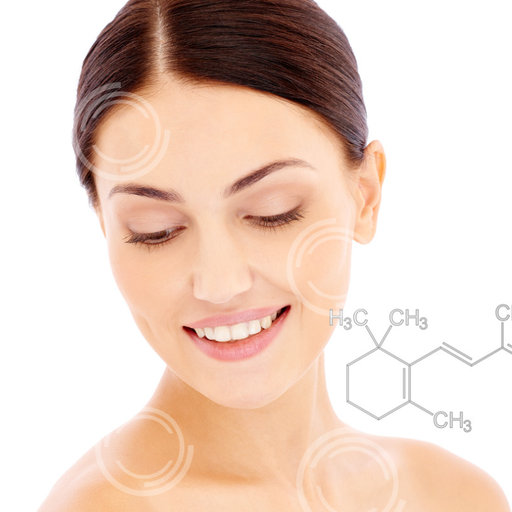
Glycolic acid and salicylic acid are both alpha-hydroxy acids (AHAs) that are commonly used in skincare products to address various skin concerns. However, they differ in their chemical structures, how they work on the skin, and the specific skin concerns they are best suited for.
Glycolic acid is a water-soluble AHA derived from sugarcane. It has a small molecular size, which allows it to penetrate deeply into the skin. Glycolic acid works by breaking down the bonds between dead skin cells, allowing them to be easily exfoliated and revealing smoother, brighter skin. It is best suited for addressing concerns such as hyperpigmentation, uneven skin texture, and signs of aging.
Salicylic acid, on the other hand, is a beta-hydroxy acid (BHA) that is oil-soluble. It is derived from willow bark and has a larger molecular size than glycolic acid. Salicylic acid works by penetrating deep into the pores and dissolving excess oil and debris, making it an effective treatment for acne, blackheads, and other types of clogged pores.
In summary, while both glycolic acid and salicylic acid are effective exfoliants that can improve the overall appearance of the skin, they differ in their chemical structures and the specific skin concerns they are best suited for. Glycolic acid is better for addressing hyperpigmentation, uneven skin texture, and signs of aging, while salicylic acid is better for addressing acne, blackheads, and clogged pores. It's important to consult with a dermatologist or skincare professional to determine which acid is best suited for your individual skin concerns.
Alpha-Hydroxy Acids vs Beta-Hydroxy Acids
Alpha-hydroxy acids (AHAs) and beta-hydroxy acids (BHAs) are both types of exfoliating acids that are commonly used in skincare products. While they are similar in many ways, there are some important differences between the two.
AHAs are water-soluble acids derived from fruit, milk, and sugar. Some common AHAs include glycolic acid (derived from sugarcane), lactic acid (derived from milk), and mandelic acid (derived from bitter almonds). AHAs work by dissolving the bonds between dead skin cells on the surface of the skin, allowing them to be easily sloughed away and revealing brighter, smoother skin underneath. AHAs are effective at treating a variety of skin concerns, including hyperpigmentation, fine lines, and uneven skin texture.
BHAs, on the other hand, are oil-soluble acids derived from salicylic acid, which is derived from willow bark. BHAs work by penetrating deep into the pores and dissolving excess oil and debris, making them effective at treating acne, blackheads, and other types of clogged pores. BHAs also have anti-inflammatory properties, which can help reduce redness and irritation in the skin.
While both AHAs and BHAs are effective exfoliants, they differ in their chemical structures, how they work on the skin, and the specific skin concerns they are best suited for. AHAs are better for addressing surface-level skin concerns, such as hyperpigmentation and fine lines, while BHAs are better for addressing acne and other types of clogged pores. It's important to consult with a dermatologist or skincare professional to determine which acid is best suited for your individual skin concerns.
What Are Glycolic Acid and Salicylic Acid?
Glycolic acid and salicylic acid are both chemical exfoliants commonly used in skincare products.
Glycolic acid is an alpha-hydroxy acid (AHA) derived from sugar cane. It has the smallest molecular size of all AHAs, which allows it to penetrate deeply into the skin. Glycolic acid works by dissolving the bonds between dead skin cells on the surface of the skin, allowing them to be easily exfoliated and revealing brighter, smoother skin underneath. Glycolic acid is often used to treat hyperpigmentation, uneven skin texture, and signs of aging.
Salicylic acid, on the other hand, is a beta-hydroxy acid (BHA) derived from willow bark. Unlike glycolic acid, salicylic acid is oil-soluble, which means it can penetrate deep into the pores to dissolve excess oil and other impurities. This makes it an effective treatment for acne, blackheads, and other types of clogged pores. Salicylic acid also has anti-inflammatory properties, which can help reduce redness and irritation in the skin.
Both glycolic acid and salicylic acid are highly effective at exfoliating the skin, but they work in different ways and are best suited for different skin concerns. It's important to consult with a dermatologist or skincare professional to determine which acid is best suited for your individual skin concerns.
How Do Glycolic Acid and Salicylic Acid Differ?

Glycolic acid and salicylic acid are both chemical exfoliants that can help improve the appearance of the skin, but they differ in several ways.
- Chemical structure: Glycolic acid is an alpha-hydroxy acid (AHA) that is derived from sugar cane, while salicylic acid is a beta-hydroxy acid (BHA) that is derived from willow bark. AHAs are water-soluble, while BHAs are oil-soluble.
- Mode of action: Glycolic acid works by breaking down the bonds between dead skin cells on the surface of the skin, allowing them to be easily exfoliated and revealing smoother, brighter skin underneath. Salicylic acid, on the other hand, works by penetrating deep into the pores and dissolving excess oil and other impurities that can clog the pores.
- Skin concerns: Because of their different modes of action, glycolic acid is generally better suited for addressing surface-level skin concerns such as hyperpigmentation, uneven skin texture, and signs of aging. Salicylic acid is better suited for addressing acne, blackheads, and other types of clogged pores.
- Skin type: Because glycolic acid is an AHA, it is better suited for people with normal to dry skin. Salicylic acid, on the other hand, is better suited for people with oily or acne-prone skin.
It's important to note that both glycolic acid and salicylic acid can be highly effective at improving the appearance of the skin, but they work in different ways and are best suited for different skin concerns and skin types. It's always a good idea to consult with a dermatologist or skincare professional to determine which acid is best suited for your individual skin concerns.
Skin Type Suitability
Glycolic acid is generally better suited for people with normal to dry skin. The exfoliating action of glycolic acid can help remove dead skin cells, which can improve the texture and radiance of dry, dull skin. However, because glycolic acid can be somewhat drying, it may not be the best choice for people with very dry or sensitive skin.
Salicylic acid, on the other hand, is better suited for people with oily or acne-prone skin. Because salicylic acid is oil-soluble, it can penetrate deep into the pores to dissolve excess oil and other impurities. It also has anti-inflammatory properties, which can help reduce redness and irritation in the skin. However, because salicylic acid can be somewhat drying, it may not be the best choice for people with very dry or sensitive skin.
It's important to note that everyone's skin is different, and what works for one person may not work for another. It's always a good idea to consult with a dermatologist or skincare professional to determine which acid is best suited for your individual skin concerns and skin type.
Chemical Structure and Penetration
Glycolic acid and salicylic acid differ in their chemical structure and penetration abilities.
Glycolic acid has a small molecular size and is a water-soluble alpha-hydroxy acid (AHA), which means it can penetrate the skin deeply and easily. It works by breaking down the bonds between dead skin cells on the surface of the skin, allowing them to be easily exfoliated and revealing smoother, brighter skin underneath. Because of its ability to penetrate deeply into the skin, glycolic acid can also stimulate collagen production, leading to firmer, more youthful-looking skin.
Salicylic acid, on the other hand, is a larger, oil-soluble beta-hydroxy acid (BHA) that is able to penetrate the pores deeply. This makes it an effective treatment for acne, blackheads, and other types of clogged pores. Salicylic acid works by dissolving excess oil and other impurities that can clog the pores, helping to unclog them and reduce the appearance of blemishes. Because of its oil solubility, salicylic acid is also a good option for people with oily skin.
It's important to note that both glycolic acid and salicylic acid can be highly effective at improving the appearance of the skin, but they work in different ways and are best suited for different skin concerns and skin types. It's always a good idea to consult with a dermatologist or skincare professional to determine which acid is best suited for your individual skin concerns and skin type.
Exfoliation Strength
Exfoliation strength refers to the intensity or potency of an exfoliating agent in removing dead skin cells and impurities from the surface of the skin. Exfoliation can be done through physical means such as scrubs, brushes or sponges, or through chemical means such as alpha-hydroxy acids (AHAs) or beta-hydroxy acids (BHAs).
The strength of an exfoliating agent depends on factors such as the concentration of the active ingredient, the pH level of the product, and the frequency of use. Higher concentrations and lower pH levels generally indicate a stronger exfoliating effect, but excessive or too frequent use can damage the skin barrier and cause irritation.
It is important to choose an exfoliating product that suits your skin type and needs. For sensitive or dry skin, a gentle exfoliator with lower concentration and less frequent use may be more appropriate. For oily or acne-prone skin, a stronger exfoliator with higher concentration and more frequent use may be necessary to effectively remove excess oil and unclog pores.
Overall, it is recommended to start with a milder exfoliator and gradually increase the strength and frequency based on how your skin responds. Always follow the instructions provided by the product and consult with a dermatologist if you have any concerns.
Acne and Breakouts
Acne and breakouts occur when pores in the skin become clogged with excess oil, dead skin cells, and bacteria. They can manifest as whiteheads, blackheads, papules, pustules, nodules, or cysts. Acne is a common skin condition that affects people of all ages and skin types, but it is most prevalent during puberty and adolescence.
Several factors can contribute to the development of acne, including genetics, hormonal changes, stress, certain medications, and skincare products. It is important to identify the underlying cause of acne in order to effectively treat and prevent it.
Here are some tips for preventing and managing acne:
- Keep your skin clean: Wash your face twice a day with a gentle cleanser to remove excess oil, dirt, and bacteria. Avoid harsh scrubbing or over-cleansing, as this can irritate the skin and exacerbate acne.
- Moisturize: Use a non-comedogenic moisturizer to keep your skin hydrated and prevent dryness. Dry skin can lead to increased oil production and clogged pores.
- Avoid touching your face: Touching your face with dirty hands can transfer bacteria and oil to your skin, leading to breakouts.
- Watch your diet: Some studies suggest that certain foods, such as dairy and high-glycaemic-index foods, may contribute to acne. Consider reducing your intake of these foods and increasing your consumption of fruits, vegetables, and whole grains.
- Use acne-fighting products: Look for skincare products that contain ingredients like salicylic acid, benzoyl peroxide, or retinoids, which can help to unclog pores and reduce inflammation. Use these products as directed and be patient, as it may take several weeks to see results.
- Consult a dermatologist: If your acne is severe or not responding to over-the-counter treatments, consult a dermatologist for personalized advice and treatment options. They may recommend prescription medications, such as antibiotics or topical retinoids, or procedures like chemical peels or light therapy.
Remember, everyone's skin is different, so what works for one person may not work for another. Be patient and consistent with your skincare routine, and don't hesitate to seek professional help if needed.
Fine Lines and Wrinkles
Fine lines and wrinkles are a natural part of the aging process, but they can also be caused by factors such as sun exposure, smoking, and repetitive facial movements. They often appear on the face, neck, and hands, and can make you look older than you feel.
Here are some tips for preventing and reducing fine lines and wrinkles:
- Protect your skin from the sun: UV rays can damage the skin and accelerate the aging process. Wear protective clothing, such as hats and long sleeves, and use broad-spectrum sunscreen with an SPF of at least 30.
- Quit smoking: Smoking can cause premature aging and wrinkles. Quitting smoking can improve your skin's appearance and overall health.
- Moisturize: Use a moisturizer to keep your skin hydrated and prevent dryness. Dry skin can make wrinkles appear more prominent.
- Eat a healthy diet: A diet rich in fruits, vegetables, and lean protein can help keep your skin healthy and prevent wrinkles. Avoid processed and high-sugar foods, which can contribute to inflammation and aging.
- Use anti-aging skincare products: Look for skincare products that contain retinoids, antioxidants, and peptides, which can help reduce the appearance of fine lines and wrinkles. Use these products as directed and be patient, as it may take several weeks to see results.
- Consider cosmetic treatments: If you want to reduce the appearance of fine lines and wrinkles quickly, consider cosmetic treatments such as Botox, dermal fillers, or laser therapy. These treatments should be performed by a licensed professional.
Remember, it's never too late to start taking care of your skin. Even if you already have fine lines and wrinkles, these tips can help improve your skin's appearance and prevent further damage.
Hyperpigmentation and Dark Spots
Hyperpigmentation and dark spots occur when there is an excess production of melanin, the pigment that gives color to our skin. They can be caused by various factors such as sun exposure, hormonal changes, inflammation, and skin injuries. Hyperpigmentation and dark spots can appear on any part of the body, but they are most common on the face, hands, and chest.
Here are some tips for preventing and reducing hyperpigmentation and dark spots:
- Protect your skin from the sun: Sun exposure can worsen hyperpigmentation and dark spots. Wear protective clothing, such as hats and long sleeves, and use a broad-spectrum sunscreen with an SPF of at least 30.
- Use skin-lightening products: Look for skincare products that contain ingredients such as vitamin C, niacinamide, kojic acid, or azelaic acid, which can help to lighten dark spots and even out skin tone. Use these products as directed and be patient, as it may take several weeks to see results.
- Consider chemical peels: Chemical peels can help to reduce the appearance of hyperpigmentation and dark spots by removing the outer layer of skin. They should be performed by a licensed professional.
- Use exfoliating products: Regular exfoliation can help to remove dead skin cells and promote skin renewal, which can reduce the appearance of hyperpigmentation and dark spots. Use a gentle exfoliating product once or twice a week.
- Consult a dermatologist: If your hyperpigmentation or dark spots are severe or not responding to over-the-counter treatments, consult a dermatologist for personalized advice and treatment options. They may recommend prescription medications, such as hydroquinone or tretinoin, or procedures like laser therapy or cryotherapy.
Remember, hyperpigmentation and dark spots can be stubborn and take time to fade. Be patient and consistent with your skincare routine, and don't hesitate to seek professional help if needed.
Skin Texture and Pore Size
Achieving smooth skin texture and minimizing the appearance of pores are common skin concerns for many people. Here are some tips to help improve skin texture and reduce the appearance of pores:
- Cleanse regularly: Proper cleansing is key to maintaining healthy skin texture and minimizing pores. Use a gentle cleanser twice a day to remove excess oil, dirt, and makeup.
- Exfoliate regularly: Exfoliation helps to remove dead skin cells and promote skin renewal, which can improve skin texture and reduce the appearance of pores. Use a gentle exfoliating product once or twice a week.
- Use a toner: Toners help to remove any remaining impurities and tighten pores. Look for a toner that contains ingredients like witch hazel, tea tree oil, or salicylic acid, which can help to minimize pores.
- Moisturize: Using a moisturizer can help to keep skin hydrated and improve skin texture. Look for a moisturizer that is non-comedogenic and won't clog pores.
- Use a primer: A makeup primer can help to fill in pores and create a smoother surface for makeup application.
- Consider cosmetic treatments: If you're looking for more dramatic results, consider cosmetic treatments like chemical peels or microdermabrasion. These treatments should be performed by a licensed professional.
Remember, achieving smooth skin texture and minimizing pore size is a process that takes time and consistency. Be patient and consistent with your skincare routine, and don't hesitate to seek professional help if needed.
Brightening and Radiance
Achieving bright and radiant skin is a common skincare goal for many people. Here are some tips to help improve your skin's brightness and radiance:
- Protect your skin from the sun: Sun exposure can cause dark spots and uneven skin tone, which can dull the complexion. Wear protective clothing, such as hats and long sleeves, and use a broad-spectrum sunscreen with an SPF of at least 30.
- Use brightening skincare products: Look for skincare products that contain ingredients such as vitamin C, niacinamide, or alpha-hydroxy acids, which can help to brighten the skin and even out skin tone. Use these products as directed and be patient, as it may take several weeks to see results.
- Hydrate: Drinking plenty of water can help to keep your skin hydrated and plump, which can improve your skin's brightness and radiance.
- Get enough sleep: Lack of sleep can lead to dull, tired-looking skin. Aim to get 7-8 hours of sleep each night to help your skin look its best.
- Eat a healthy diet: A diet rich in fruits, vegetables, and lean protein can help to nourish your skin and improve your complexion. Avoid processed and high-sugar foods, which can contribute to inflammation and dullness.
- Consider cosmetic treatments: If you're looking for more dramatic results, consider cosmetic treatments like chemical peels or laser therapy. These treatments should be performed by a licensed professional.
Remember, achieving bright and radiant skin is a process that takes time and consistency. Be patient and consistent with your skincare routine, and don't hesitate to seek professional help if needed.
Anti-Aging Benefits
Anti-aging skincare aims to prevent or reduce the visible signs of aging, such as fine lines, wrinkles, and age spots. Here are some tips to help you achieve anti-aging benefits in your skincare routine:
- Protect your skin from the sun: Sun damage is one of the primary causes of aging skin. Wear protective clothing, such as hats and long sleeves, and use a broad-spectrum sunscreen with an SPF of at least 30.
- Use anti-aging skincare products: Look for skincare products that contain ingredients such as retinol, vitamin C, hyaluronic acid, or peptides, which can help to reduce the appearance of fine lines and wrinkles and improve skin texture. Use these products as directed and be patient, as it may take several weeks to see results.
- Moisturize: Using a moisturizer can help to keep skin hydrated and plump, which can reduce the appearance of fine lines and wrinkles.
- Use an eye cream: The delicate skin around the eyes is prone to fine lines and wrinkles. Use an eye cream specifically designed to target this area.
- Get enough sleep: Lack of sleep can lead to tired-looking skin and exacerbate the visible signs of aging. Aim to get 7-8 hours of sleep each night to help your skin look its best.
- Eat a healthy diet: A diet rich in fruits, vegetables, and lean protein can help to nourish your skin and improve its overall health and appearance.
- Consider cosmetic treatments: If you're looking for more dramatic results, consider cosmetic treatments like Botox or dermal fillers. These treatments should be performed by a licensed professional.
Remember, achieving anti-aging benefits is a process that takes time and consistency. Be patient and consistent with your skincare routine, and don't hesitate to seek professional help if needed.
Incorporating Glycolic Acid and Salicylic Acid into Your Skincare Routine
Glycolic acid and salicylic acid are two types of chemical exfoliants that can be beneficial for improving skin texture, unclogging pores, and reducing the appearance of fine lines and wrinkles. Here are some tips for incorporating glycolic acid and salicylic acid into your skincare routine:
- Start with a low concentration: If you're new to using glycolic acid or salicylic acid, start with a product that contains a low concentration of the active ingredient. This will help your skin adjust to the exfoliating properties of the acid and minimize the risk of irritation or sensitivity.
- Use the product as directed: Follow the instructions on the product label or as recommended by your dermatologist. Typically, glycolic acid and salicylic acid products are used once or twice a week, depending on your skin's tolerance.
- Use sunscreen: Both glycolic acid and salicylic acid can make your skin more sensitive to the sun. It's important to use a broad-spectrum sunscreen with an SPF of at least 30 and wear protective clothing when you're outside.
- Moisturize: After using glycolic acid or salicylic acid, be sure to moisturize your skin. These acids can be drying, and moisturizing can help to prevent irritation and keep your skin hydrated.
- Consider the pH level: Glycolic acid and salicylic acid work best at a certain pH level. Look for products with a pH level between 3 and 4 for glycolic acid and between 3 and 5 for salicylic acid.
- Patch test: Before applying any new skincare product to your face, patch test it on a small area of skin to check for any adverse reactions.
- Don't use both acids at the same time: While both glycolic acid and salicylic acid can be beneficial for the skin, it's not recommended to use them together. Alternate using products with glycolic acid and salicylic acid to prevent over-exfoliation and irritation.
Remember, every person's skin is different, and what works for one person may not work for another. If you experience any irritation or discomfort while using glycolic acid or salicylic acid, stop using the product and consult a dermatologist.
Conclusion: Choosing the Right Acid for Your Skin Concerns
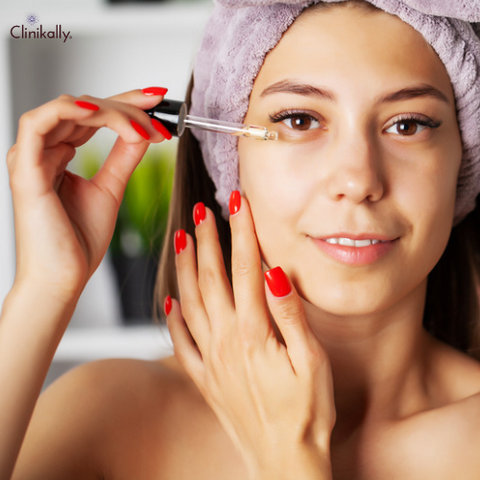
In conclusion, incorporating acids into your skincare routine can provide many benefits for your skin, from exfoliating and improving texture to reducing hyperpigmentation and fine lines. When choosing the right acid for your skin concerns, it's essential to consider your skin type and any existing skin conditions you may have.
For oily and acne-prone skin, salicylic acid is an excellent choice due to its ability to penetrate pores and dissolve excess oil. Those with dry or sensitive skin may benefit more from gentler acids such as lactic or mandelic acid, which are less likely to cause irritation.
If you're looking to address multiple skin concerns, glycolic acid is a versatile option that can improve texture, tone, and radiance, as well as reduce fine lines and hyperpigmentation.
Ultimately, it's crucial to start slowly when incorporating acids into your skincare routine, beginning with a low concentration and gradually building up as your skin adjusts. It's also essential to follow product instructions and consult with a dermatologist if you have any concerns or pre-existing skin conditions.
By choosing the right acid for your skin concerns and using it correctly, you can achieve healthier, more radiant skin.