Does Hair Hydration Require More Than Just Water?
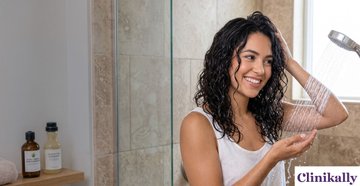
Water is essential for healthy hair, but it is not enough to keep hair hydrated on its own. While water is absorbed into the hair shaft, temporarily increasing its moisture content, long-term moisture balance depends on the hair's ability to retain water, which is influenced by cuticle condition, hair porosity, and exposure to damaging factors. Factors such as heat styling, chemical treatments, and environmental exposure can weaken the hair cuticle, making it easier for moisture to escape.
In this blog, we will discuss how hair hydration works, whether water alone is enough to keep hair hydrated, the role of electrolytes and moisture-retaining ingredients, common signs of dehydrated hair, and practical tips to maintain soft, smooth, and healthy-looking hair.
How Hydration Affects Hair Health

Hair hydration plays an important role in maintaining soft, smooth, and manageable hair. Adequate moisture levels help maintain hair flexibility and elasticity, while an intact cuticle helps reduce excessive moisture loss. When the cuticle becomes damaged, hair loses moisture more easily, making strands appear dull, brittle, and harder to manage.
Hair hydration is influenced by both internal and external factors. Protecting the hair from damage and following appropriate hair care practices can help preserve moisture balance and improve the overall appearance of the hair. Understanding this relationship makes it easier to choose products and routines that suit your hair's needs.
Why Hydration Matters for Hair and Scalp
Proper moisture balance helps maintain healthy-looking hair and scalp comfort by supporting hair flexibility and the scalp barrier. When moisture levels decline or the cuticle becomes damaged, hair may feel rough, appear dull, and become more prone to breakage.
A healthy scalp barrier helps maintain moisture balance and reduce irritation or dryness. However, persistent itching, flaking, or irritation may indicate an underlying scalp condition that requires appropriate evaluation and treatment.
How Hair Retains Moisture
The hair shaft relies on a healthy moisture balance to maintain its softness, strength, and flexibility. It consists of three layers: the cuticle, cortex, and medulla. The cuticle is the outermost protective layer that helps regulate moisture exchange, while the cortex contains keratin proteins that provide the hair with its strength, elasticity, and structure. When the cuticle remains smooth and intact, it helps retain moisture within the hair shaft, making hair appear softer, shinier, and easier to manage.
Hair constantly gains and loses moisture depending on environmental conditions and daily hair care practices. Heat styling, chemical treatments, excessive sun exposure, frequent washing, harsh shampoos, and low humidity can damage the cuticle, allowing moisture to escape more easily. When hair loses moisture or has reduced moisture retention, it may become dry, rough, dull, and frizzy. Maintaining the integrity of the hair cuticle and protecting it from damage helps preserve moisture balance, supporting smoother, stronger, and healthier-looking hair.
How Moisture Loss Affects Hair
When the cuticle becomes damaged or raised, hair loses moisture more easily, resulting in roughness, frizz, and reduced elasticity. Reduced moisture can also make hair less flexible, increasing the risk of damage during styling and brushing.
Hair shine and strength also depend on adequate moisture levels. A smooth cuticle reflects light evenly, giving hair a healthy shine, while well-hydrated hair is more elastic and better able to withstand everyday styling and brushing. As dehydration progresses, hair may become brittle, porous, and more susceptible to breakage. Continued exposure to heat styling, chemical treatments, ultraviolet (UV) radiation, pollution, and dry environmental conditions can further weaken the hair fibre, making it increasingly difficult to maintain soft, smooth, and resilient hair.
Water vs Electrolytes for Hair Health

Water and electrolytes both play important roles in maintaining the body's hydration. While water supports overall hydration, electrolytes help regulate fluid balance and support normal cellular processes involved in overall health, including skin barrier function. Water is essential for overall hydration, while electrolytes such as sodium, potassium, magnesium, and calcium help regulate fluid balance and support normal cellular functions. Together, they contribute to a healthy internal environment that supports overall scalp health and normal hair function.
How Water Supports Hair and Scalp Health
Water is essential for overall health and plays an important role in maintaining a healthy scalp environment. While drinking water does not directly hydrate the hair shaft, adequate hydration supports normal physiological functions that contribute to scalp health and the overall appearance of healthy hair. Maintaining proper hydration also helps preserve the body's fluid balance, which is important for healthy skin, including the scalp.
Some of the key ways water supports hair and scalp wellness include:
-
Supports Overall Hydration: Water helps maintain the body's fluid balance, which is essential for normal physiological functions, including those that support scalp health.
-
Promotes Scalp Comfort: Adequate hydration helps reduce the feeling of dryness and tightness, supporting a healthier scalp environment.
-
Supports Normal Nutrient Transport: Water plays an important role in transporting nutrients and supporting physiological processes that help maintain healthy skin and scalp tissues.
Adequate water intake is an important part of maintaining overall hydration, but it works best alongside a balanced diet and appropriate hair care practices. Together, these measures help support a healthy scalp and maintain soft, smooth, and healthy-looking hair.
Role of Electrolytes in Hair Health
Electrolytes are minerals such as sodium, potassium, magnesium, and calcium that help regulate fluid balance, support nerve and muscle function, and maintain normal cellular activity. While electrolytes do not directly hydrate the hair shaft, they play an important role in maintaining the body's hydration status and supporting physiological processes that contribute to overall scalp health.
Some of the key roles of electrolytes in maintaining hydration and normal body functions include:
-
Maintain Fluid Balance: It helps regulate water movement throughout the body, supporting normal hydration.
-
Support Cellular Function: Electrolytes help maintain normal cellular activity throughout the body.
-
Replace Minerals Lost Through Sweat: It helps restore electrolyte balance after prolonged sweating, exercise, or heat exposure.
-
Support Overall Scalp Health: Adequate electrolyte balance contributes to a healthy internal environment that supports scalp health.
Electrolytes complement, rather than replace, adequate water intake. Maintaining proper hydration through sufficient water consumption and a balanced diet helps support overall health, including a healthy scalp environment that is conducive to normal hair function.
Minerals That Support Hair Health
Adequate hydration depends not only on drinking enough water but also on maintaining the right balance of essential minerals. These minerals help regulate fluid balance, support normal cellular function, and contribute to overall health. While they do not directly hydrate the hair shaft, they play important roles in maintaining a healthy scalp environment and supporting normal body functions involved in maintaining healthy skin and hair.
Some of the key minerals involved in hydration and overall hair health include:
-
Sodium: It helps regulate fluid balance and maintains the movement of water into and out of cells, particularly during sweating, heat exposure, or dehydration.
-
Potassium: It works alongside sodium to maintain fluid balance and supports normal cellular function throughout the body.
-
Magnesium: It supports hundreds of enzymatic reactions involved in energy production, muscle function, and normal cellular processes.
-
Calcium: It plays an important role in cell signalling and supports normal physiological functions, including those involved in skin and scalp health.
-
Chloride: It works with sodium to maintain fluid balance and acid-base balance, helping support normal hydration.
-
Iron: It supports oxygen transport throughout the body, which is essential for normal hair follicle function. Iron deficiency is a well-recognized cause of diffuse hair shedding.
-
Zinc: It supports normal cell growth, tissue repair, and immune function while helping maintain healthy skin and scalp.
A balanced diet that provides these essential minerals, along with adequate water intake, supports overall hydration and normal body functions. Combined with a healthy hair care routine, these lifestyle measures help maintain a healthy scalp environment and support healthy-looking hair.
Signs of Dry and Dehydrated Hair
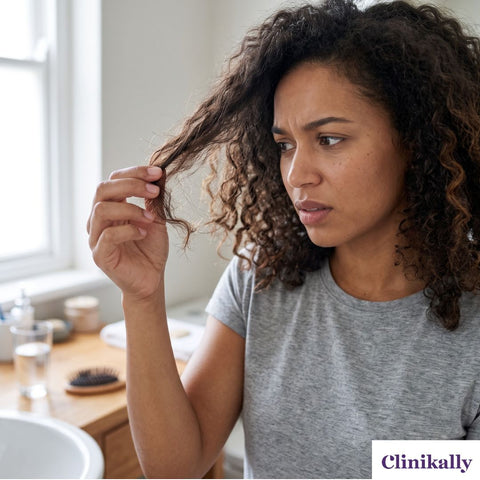
Water is essential for overall hydration, but healthy-looking hair also depends on its ability to retain moisture. When the hair cuticle becomes damaged or moisture is lost too quickly, the hair may show visible signs of dryness and damage. Recognizing these early changes can help you adjust your hair care routine before the condition worsens.
Some common signs that your hair may need additional moisture and nourishment include:
-
Hair Feels Dry After Washing: It may indicate that the hair is unable to retain moisture effectively.
-
Frizz Develops Easily: This can occur when the hair cuticle becomes raised or damaged.
-
Hair Appears Dull: A rough cuticle reflects less light, reducing the hair's natural shine.
-
Hair Breaks Easily: Reduced moisture and elasticity can make strands more prone to breakage.
-
Split Ends Become More Noticeable: Persistent dryness and everyday wear can weaken the ends of the hair.
-
Scalp Feels Dry or Tight: This may suggest scalp dryness, barrier disruption, or irritation.
-
Hair Tangles Frequently: A rougher cuticle increases friction between strands, making hair harder to detangle.
-
Curls Lose Definition: Curly and textured hair naturally loses moisture more easily and may become less defined when dehydrated.
Identifying these signs early allows you to take appropriate steps to improve moisture retention and support healthier-looking hair.
How Poor Hydration Affects Hair
Poor hydration gradually affects both the appearance and behaviour of hair. As moisture levels decline, the cuticle becomes less smooth, reducing elasticity and making strands more prone to tangling and breakage. Curly and textured hair may also lose definition because they naturally struggle to retain moisture.
The scalp may also feel dry, tight, or mildly flaky when moisture balance is disrupted or when an underlying scalp condition is present. Recognizing these early changes can help you adjust your hair care routine before dryness leads to further damage.
Factors That Affect Hair Hydration
Daily habits and environmental conditions can influence the body's hydration status, which also affects scalp health. Factors such as inadequate water intake, poor nutrition, insufficient sleep, prolonged stress, and excessive alcohol consumption can contribute to dehydration. Environmental factors, including hot weather, low humidity, air conditioning, pollution, and ultraviolet (UV) exposure, can also increase moisture loss from the hair. In contrast, high humidity may cause hair, particularly curly or porous hair, to absorb excess moisture from the air, making it more difficult to manage.
Physical activity further increases the body's need for hydration. During exercise, water and electrolytes are lost through sweat, particularly sodium and potassium. Replacing these losses by drinking adequate water and following a balanced diet helps maintain normal fluid balance. For people who exercise regularly or spend long periods outdoors, protecting the hair from excessive heat and limiting unnecessary washing can also help minimise moisture loss.
Common Hair Hydration Myths
Many misconceptions about hair hydration can make it difficult to choose the right hair care routine. While water plays an important role in overall hydration, healthy-looking hair depends on several factors, including moisture retention, scalp health, and protecting the hair from damage. Understanding the facts behind these common myths can help you make informed decisions for healthier hair and scalp.
-
Myth: Water alone is enough to keep hair hydrated.
Fact: Water temporarily moisturizes the hair, but it does not stay within the hair shaft for long. Maintaining hydration depends on the hair's ability to retain moisture, which is influenced by the condition of the cuticle and an appropriate hair care routine. -
Myth: Drinking more water instantly fixes dry hair.
Fact: Drinking enough water supports overall hydration and scalp health, but dry hair can also result from heat styling, chemical treatments, environmental exposure, and damage to the hair cuticle. -
Myth: An oily scalp means your hair is well hydrated.
Fact: Oil and hydration are not the same. The scalp may produce excess sebum while the hair shaft remains dry, rough, or prone to breakage. -
Myth: Electrolytes are only important for athletes.
Fact: Electrolytes such as sodium, potassium, and magnesium help regulate fluid balance and normal cellular function in everyone. They become especially important during prolonged sweating, hot weather, illness, or dehydration. -
Myth: Hydrating hair products always make hair greasy.
Fact: Hydrating products are available in different formulations. Choosing products that suit your hair type can help improve moisture levels without making the hair feel heavy or greasy. -
Myth: Frizzy hair only needs hair oil.
Fact: Hair oils help reduce moisture loss by forming a protective layer around the hair shaft, but they do not add moisture. Managing frizz often requires improving moisture retention while protecting the hair from further damage.
Understanding these common myths can help you make better hair care decisions and set realistic expectations about hair hydration. A combination of adequate hydration, a balanced diet, appropriate hair care practices, and protection from daily damage can help maintain a healthy scalp and healthier-looking hair.
Hydration Routine for Healthy Hair
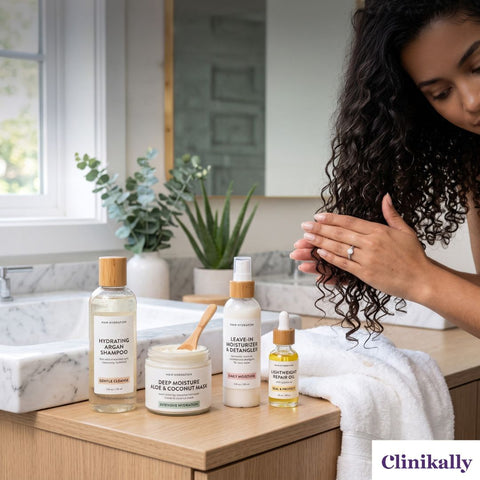
A consistent hydration-focused hair care routine helps maintain moisture balance, improve manageability, and reduce the risk of dryness and breakage. While drinking enough water supports overall hydration, maintaining healthy-looking hair also requires protecting the hair shaft from moisture loss and following a routine suited to your hair type and lifestyle.
Some practical steps to build an effective hydration-focused routine include:
-
Use a Gentle Hydrating Shampoo: Choose a mild shampoo such as Wella Professionals Elements Gentle Shampoo, that removes dirt, excess oil, and product buildup without stripping the hair of its natural moisture.
-
Condition After Every Wash: Apply a nourishing conditioner such as Schwarzkopf Professional Spa Essence Conditioner after shampooing to smooth the hair cuticle, reduce tangles, and improve softness and manageability.
-
Deep Condition Weekly: Use a nourishing hair mask such as CITTA Deep Conditioning Hair Mask or deep-conditioning treatment once or twice a week, especially if your hair is dry, damaged, colour-treated, or chemically processed.
-
Apply Leave-in Hydration: Leave-in conditioners such as KERA BOND New Mom's Care Leave-In Hair Conditioner or lightweight hair serums such as Purehill Hair Softening Serum can help improve moisture retention, reduce frizz, and make hair easier to manage between washes.
-
Look for Hydrating Ingredients: Ingredients such as glycerin, panthenol, aloe vera, ceramides, and conditioning agents can help improve moisture retention and hair feel.
-
Maintain Scalp Health: Keep the scalp clean and well cared for by using gentle cleansing products and avoiding excessive product buildup, which can affect overall scalp comfort.
-
Limit Heat Styling: Frequent use of blow dryers, straighteners, and curling tools can increase moisture loss and damage the hair cuticle. When using heat styling tools, apply a heat protectant.
-
Protect Hair from Environmental Damage: Prolonged exposure to sunlight, pollution, wind, and chlorinated water can contribute to dryness. Wearing a hat or using protective hair products may help minimise damage.
-
Stay Adequately Hydrated: Maintaining adequate hydration supports overall health and scalp function, although drinking extra water does not directly increase moisture levels inside the hair shaft.
-
Replenish Electrolytes When Needed: During prolonged exercise, hot weather, or excessive sweating, replacing lost electrolytes through a balanced diet or appropriate rehydration strategies helps maintain normal fluid balance.
-
Avoid Overwashing: Washing hair too frequently may remove natural oils that help protect the hair shaft, particularly in people with dry or curly hair.
-
Adjust Your Routine to Your Hair Type: Fine, curly, coily, colour-treated, or damaged hair has different hydration needs. Choosing products and routines that match your hair type can improve long-term results.
Following a consistent routine is more effective than relying on occasional treatments. Combining healthy hydration habits with appropriate hair care practices can help maintain a healthy scalp, improve hair manageability, and support softer, smoother, and healthier-looking hair over time.
Nutrition Tips for Healthy Hair
Healthy hair moisture depends not only on external hair care but also on daily lifestyle habits and good nutrition. A balanced diet, adequate hydration, and healthy routines help support normal body functions, including those involved in maintaining a healthy scalp and healthy-looking hair. While these habits do not directly hydrate the hair shaft, they contribute to the overall environment needed for healthy hair.
Some daily habits that support healthy hair moisture include:
-
Drink Adequate Water: Drinking enough water helps maintain overall hydration and supports normal physiological functions that contribute to scalp health.
-
Eat Electrolyte-Rich Foods: It is beneficial to include foods such as fruits, vegetables, dairy products, nuts, and seeds, which provide minerals like potassium, magnesium, and calcium that help maintain fluid balance.
-
Include Healthy Fats: It is important to consume healthy fats from foods such as walnuts, flaxseeds, chia seeds, and oily fish, as they support overall skin and scalp health.
-
Consume Enough Protein: Hair is primarily composed of keratin, a structural protein. Eating adequate protein helps support normal hair growth and maintain hair strength.
-
Follow a Nutrient-Rich Diet: Adequate intake of nutrients such as iron, zinc, vitamin D, and protein supports normal hair growth, particularly when deficiencies are present.
-
Limit Excessive Alcohol Consumption: Excessive alcohol intake can contribute to dehydration, making it important to maintain adequate fluid intake as part of a healthy lifestyle.
-
Prioritize Good Sleep and Stress Management: Healthy sleep habits and stress management support overall well-being and may help maintain a healthier scalp environment.
Internal Hydration and Hair Care
Healthy hair benefits from combining good hydration habits with consistent topical care. While drinking enough water and eating a balanced diet support overall hydration, conditioners, leave-in treatments, and other moisturizing products help protect the hair cuticle and minimise moisture loss caused by everyday styling and environmental exposure.
Combining internal hydration with an appropriate hair care routine provides a more complete approach to maintaining soft, manageable, and healthy-looking hair.
When to See a Dermatologist for Dry Hair
Occasional hair dryness is common and often improves with appropriate hair care and lifestyle changes. However, if dryness persists despite following a consistent hydration-focused routine, it may indicate an underlying scalp condition, nutritional deficiency, hair shaft disorder, or another health concern. Seeking professional advice can help identify the underlying cause and ensure you receive appropriate treatment.
You should consider consulting a dermatologist if you notice any of the following:
-
Persistent Dryness Despite Routine Care: If your hair remains dry even after using suitable shampoos, conditioners, and other moisturizing products, a professional evaluation may help identify the underlying cause.
-
Excessive Hair Breakage: If your hair becomes increasingly brittle, develops frequent split ends, or breaks easily during normal brushing or styling, it may require further assessment.
-
Ongoing Scalp Dryness or Irritation: Persistent itching, flaking, redness, or scalp discomfort may indicate an underlying scalp condition rather than simple dryness.
-
Sudden Changes in Hair Texture: If your hair becomes noticeably rough, dull, or difficult to manage without an obvious cause, it is worth discussing these changes with a healthcare professional.
-
Hair Dryness With Excessive Hair Loss: Dryness accompanied by increased hair shedding or thinning may be associated with nutritional deficiencies, hormonal changes, or certain scalp disorders that require evaluation.
-
Damage Following Chemical Treatments: Hair that becomes severely dry or fragile after colouring, bleaching, straightening, or perming may benefit from professional guidance on repairing and protecting the hair.
-
Recurring Hair or Scalp Concerns: If dryness, frizz, scalp irritation, or other symptoms continue to return despite appropriate care, a dermatologist can help determine the underlying cause and recommend a personalised treatment plan.
Persistent hair dryness does not always indicate a serious problem, but recurring or worsening symptoms should not be ignored. A dermatologist can evaluate your hair and scalp, identify contributing factors, and recommend evidence-based treatments and hair care practices based on your individual needs.
Final Thoughts
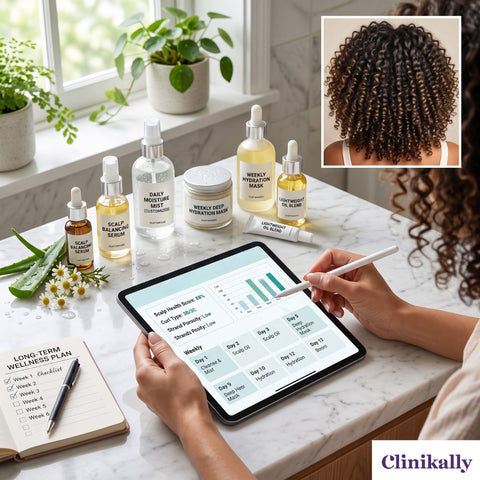
Healthy hair hydration involves more than simply drinking enough water. Maintaining soft, smooth, and healthy-looking hair also depends on the hair's ability to retain moisture. Factors such as hair type, climate, daily habits, and hair care practices all influence how well your hair stays hydrated over time.
A balanced approach that combines adequate hydration, good nutrition, and a consistent hair care routine can help support healthier-looking hair and scalp. If persistent dryness, breakage, or scalp discomfort continues despite proper care, consult a dermatologist to identify any underlying cause and receive appropriate treatment.