Heptapeptide-7 & Stretch Marks: Hype or Hope for Smoother Skin?

Stretch marks are a common cosmetic problem. Pregnancy, puberty, and abrupt weight changes can all influence anyone. In the search for therapeutic medicines, one component gaining popularity is Heptapeptide-7 (HP7). In this blog, we will discuss heptapeptide-7 and stretch marks.
Getting to Know Heptapeptide-7: What’s in This Peptide Powerhouse?
Heptapeptide-7 is a promising substance with a rising profile in skin research. While further research is necessary to fully understand its potential, preliminary evidence suggests it's a substance worth monitoring and experimenting with, particularly for those seeking science-backed skincare solutions with a regenerative edge.
How Peptides Work: The Science Behind the Buzz
Peptides are short chains of amino acids that serve as the foundation for protein structure. They have an important part in the formation of collagen, elastin, and keratin in the skin, which provide strength, elasticity, and structure. Consider peptides as biological messengers. When applied topically, they can signal to your skin cells to act in specific ways, such as increasing collagen formation or mending damage. When your skin is damaged or begins to age, it naturally produces fewer peptides, resulting in wrinkles, sagging, and rough texture. Here's how topical peptides work:
1. Signal peptides: These "wake-up call" peptides mislead the skin into believing it is wounded, causing it to create more collagen, elastin, and hyaluronic acid to heal itself. Examples include palmitoyl pentapeptide (Matrixyl) and heptapeptide-7.
2. Carrier peptides: These peptides transfer important elements (such as copper) to the skin, promoting healing, elasticity, and collagen formation. Examples include copper tripeptide-1.
3. Enzyme-inhibitor peptides: They inhibit enzymes that break down collagen and elastin, slowing the aging process and maintaining skin firmness. As an example, consider soy peptides.
4. Neurotransmitter-inhibitor peptides: These act similarly to Botox in a bottle, relaxing face muscles and reducing expression wrinkles. Examples include argireline (acetyl hexapeptide-8).
Heptapeptide-7’s Role in Skin Repair and Collagen Production
Heptapeptide-7 is a synthetic peptide composed of seven amino acids. It was created to replicate natural cell signaling molecules, specifically those involved in skin regeneration and wound healing. What is its major function? Its primary function is to connect with fibroblasts, which are the collagen-producing cells in the skin, and to assist them in fulfilling their tasks more effectively and efficiently. HP7 has a distinct role in expediting skin repair processes by:
1. Stimulating cellular communication: It instructs skin cells to repair damaged tissue, particularly after trauma such as inflammation, microtears, or UV damage.
2. Encourage keratinocyte migration: Keratinocytes are the cells that make up the majority of the outer skin layer. HP7 helps them move and regenerate efficiently, which is critical for wound healing and scar fading.
3. Supporting tissue remodeling: It improves the organization of the extracellular matrix (ECM), which serves as a scaffold for the formation of new, healthy skin.
Comparing Heptapeptide-7 to Other Stretch Mark Treatments
Compare HP7 to other popular stretch mark treatments based on mechanism, effectiveness, safety, and accessibility.
1. Heptapeptide-7 (HP7): It stimulates fibroblasts to create collagen and elastin, promotes skin regeneration, and aids in extracellular matrix (ECM) remodeling. It can be used either as a preventative measure or as part of the rehabilitation process. It promotes skin healing and resilience while remaining soft and tolerable. It is particularly beneficial for early-stage (red or pink) stretch marks, sensitive skin, and for the maintenance of skin after professional treatments.
2. Retinoids (e.g., Tretinoin): Boost collagen formation and enhance skin cell turnover to help reduce stretch marks over time. Based on excellent clinical evidence, this treatment improves both the texture and color of marks. This treatment works best for skin that has some tolerance to active ingredients and is post-pregnancy, but it should be used with caution.
3. Centella asiatica (Gotu Kola): A plant extract that promotes wound healing, collagen production, and antioxidant defense. Natural and comforting to the skin, it has been found in certain tests to minimize the severity of stretch marks and is safe during pregnancy. It is recommended for daily use on pregnant, sensitive, or irritated skin.
4. Hyaluronic acid: Deeply moisturizes the skin, plumping and smoothing the look of stretch marks. When mixed with other active ingredients, there is an immediate improvement in skin texture and suppleness. This product is particularly beneficial for skin that is dry or dehydrated and has small, subtle stretch marks.
5. Silicone gel or sheets: Provide a moist environment that promotes scar repair and inhibits collagen overgrowth. Proven to diminish scars (even hypertrophic scars), non-irritating, and suitable for long-term usage. Ideal for newer stretch marks, post-surgical scars, or post-laser healing.
6. In-office treatments (e.g., microneedling, laser therapy): In-office treatments include microneedling and laser therapy. Controlled skin damage can be used to physically induce collagen rebuilding. Pros include significant improvement with the right treatment plan and efficacy on deeper and older stretch marks. It works best for moderate to severe stretch marks that are resistant to topical treatments.
Stretch Marks Unfiltered: What Really Happens to Your Skin
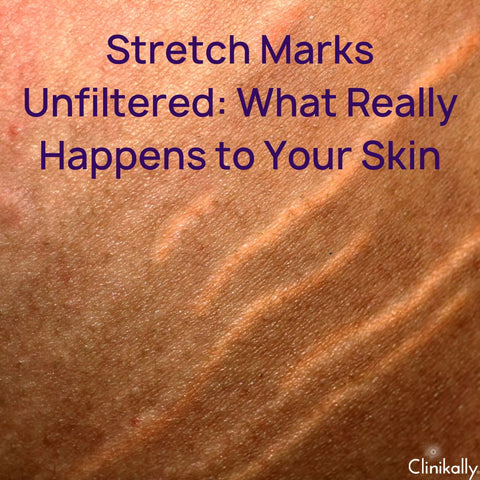
Stretch marks are a typical component of the skin's life cycle; they don't indicate that your skin is diseased or broken. They indicate that your body has adapted, grown, and transformed. Treatments can help improve their appearance, especially in the early stages, although complete eradication is rarely possible.
Why Stretch Marks Form: The Real Story

Stretch marks—we all know what they look like, but what happens when they appear? These skin lines, which emerge after a growth spurt, pregnancy, or a new gym program, indicate rapid change. And no, they do not mean your skin is "broken." They indicate that your body is adapting. Let's explore the real story of how and why stretch marks appear, starting from the interior.
- Stretch marks are small tears in the dermis, not simply discoloration.
- Rapid growth, hormonal changes, and skin tension all contribute to this condition.
- Early intervention is important—the sooner you treat them, the better your chances of fading them.
- They are not a flaw, but rather a normal aspect of human biology.
Can Skincare Ingredients Actually Fade Stretch Marks?
Here are clinically proven ingredients that can make a difference:
1. Retinoids (Retinol and Tretinoin): Increase skin cell turnover, stimulate collagen production, and improve skin texture. Best for stretch marks that are in their early stages (red or pink).
2. Hyaluronic acid: Deep hydration plumps the skin and increases elasticity, making marks less visible. Excellent for all stages, particularly when combined with active ingredients.
3. Centella asiatica (Gotu Kola): Promotes wound healing and collagen formation and inflammation reduction. Best for prevention and early-stage markings.
4. Heptapeptide-7: A synthetic peptide that improves skin cell communication, stimulates fibroblasts, and promotes collagen and elastin production. Best for red or healing stretch marks and as well as skin that is undergoing regeneration.
5. Vitamin E and antioxidants: Help skin repair by combating free radicals and strengthening the skin barrier. Ideal for maintenance and prevention.
When to Start Treatment for the Best Results
Stretch marks progress through multiple stages, and each step responds differently to treatment. Let's take a look at when and why to begin treatment for the best results.
Phase 1: Early stage (Striae Rubra): Red, pink, purple, or dark brown areas that are slightly raised or scratchy are common after rapid growth or hormonal changes. This phase is when your skin is most susceptible to chemicals that promote healing and collagen formation. Retinoids (if not pregnant or breastfeeding), heptapeptide-7 (stimulating fibroblast activity), centella asiatica (wound healing and anti-inflammatory), and hyaluronic acid are all recommended substances.
Phase 2: Mature stage (striae alba): Skin-colored markings that are white, silver, or pale. The markings are flattened or slightly indented, and they are typically older than 6-12 months. Microneedling or fractional lasers are recommended treatments for collagen remodeling, peptides like Heptapeptide-7 for skin regeneration, retinoids for improving skin texture and turnover, and silicone gels or sheets for scar softening.
Heptapeptide-7 in Action: What Does the Research Say?

While HP7 is very new and has not been examined as extensively as other peptides (such as Matrixyl or copper peptides), preliminary research and clinical observations suggest promise:
- Stimulates fibroblast activity: Fibroblasts are the workhorses of the dermis, producing collagen, elastin, and other extracellular matrix (ECM) components. HP7 has been demonstrated to stimulate fibroblast proliferation, improve cell-to-cell communication during wound healing, and support dermal regeneration following damage or skin stress. Stretch marks are the result of damaged or compromised ECM. HP7 may help reinforce and rebuild this structure, particularly in the early stages.
- Accelerates wound healing: In lab and ex vivo models (such as cultured skin or biopsies), HP7 has been shown to increase keratinocyte migration, which aids in the resurfacing of injured skin; promote collagen remodeling, which is necessary for skin regeneration; and lower inflammatory markers that impede healing.
- Reduces visible signs of skin damage: Limited cosmetic testing (typically done by ingredient producers) has shown smoother skin texture, less visibility of small wrinkles or abnormalities, and increased hydration and barrier function. While these studies frequently lack peer-reviewed publication, they do give preliminary evidence for HP7's potential in skin regeneration.
Manufacturer Claims vs. Independent Studies
Heptapeptide-7 has high theoretical and early practical potential, particularly for skin regeneration. However, unless independent, stretch mark-specific studies prove its efficacy, it should be regarded as a supporting element rather than a miracle cure.
Potential Side Effects and Safety Tips

Follow these expert-backed tips to reap the benefits while avoiding potential issues:
- Patch test first: Before using any HP7-containing product (especially around stretch marks or compromised skin), apply a small amount to your inner arm or behind your ear for 24-48 hours.
- Begin slowly and gradually: If you are using it for the first time, apply once a day (or every other day) for the first week to see how your skin reacts.
- Pair with soothing ingredients: Look for HP7 products containing hyaluronic acid, ceramides, panthenol, or centella asiatica. These help to buffer any potential irritation and maintain skin barrier health.
- Avoid mixing with harsh actives at first: Until your skin develops tolerance, do not combine HP7 with strong acids (AHAs, BHAs) or high-dose retinoids in the same regimen. If layering, use HP7 in the morning and retinoids at night.
- Use sunscreen on a daily basis: While HP7 does not cause photosensitivity, any skin that is being repaired is more vulnerable to UV damage. A broad-spectrum SPF 30+ is unavoidable.
Who Should Try Heptapeptide-7 (And Who Shouldn’t)?

Heptapeptide-7 (HP7) is gaining popularity as a regenerative skincare component, because to its ability to activate collagen, promote healing, and reduce early stretch marks. However, it is not a one-size-fits-all miracle, and understanding who stands to gain the most (and who may not) is critical to its proper use.
- Have early-stage stretch marks (Striae Rubra): HP7 may increase fibroblast activity and collagen formation, which are critical during the early inflammatory phase when stretch marks are red or purple. Combined with moisturizing and barrier-repairing substances such as hyaluronic acid or ceramides.
- Want to boost skin recovery after a procedure: Examples include microneedling, lasers, and chemical peels. HP7 promotes skin regeneration and decreases inflammation, so speeding up healing and decreasing scarring.
- Looking for gentle, anti-aging support: Fine lines, dullness, and lack of flexibility. HP7 is a non-irritating alternative to retinoids, making it ideal for sensitive or reactive skin.
- Are in a high-risk time for stretch marks: This includes pregnancy, puberty, dramatic weight changes, and bodybuilding. Using HP7 proactively may help to improve the skin matrix, making it more resistant to stretching.
- Have sensitive skin and cannot tolerate retinoids or acids: HP7 is generally non-sensitizing and barrier-friendly, making it an excellent choice for individuals seeking a moderate, repair-oriented routine.
Final Thoughts: Is Heptapeptide-7 Worth a Spot in Your Skincare Routine?
Heptapeptide-7 is not merely hype; nonetheless, it is not holy grail material. It's an intelligent, science-backed alternative for skin repair and prevention, especially when used early on and in conjunction with other targeted treatments.