
Hyaluronic Acid for Skin: Benefits & Best Ways to Use It

Ever wonder why some people's skin looks plump and dewy while yours feels tight? The solution could be one key molecule: hyaluronic acid. This naturally occurring substance is like a sponge that absorbs and traps moisture, leaving your skin soft, smooth, and youthful-looking. But not all hyaluronic acid products are the same, and using it incorrectly can actually make your skin even drier. From reducing fine lines to boosting that coveted glass-skin glow, hyaluronic acid has earned its reputation as a skincare essential—but only when you know how to use it properly. In this guide, we'll walk through exactly what makes this ingredient so powerful, the science-backed benefits it offers, and simple, effective ways to work it into your routine for real, visible results.
What Is Hyaluronic Acid?
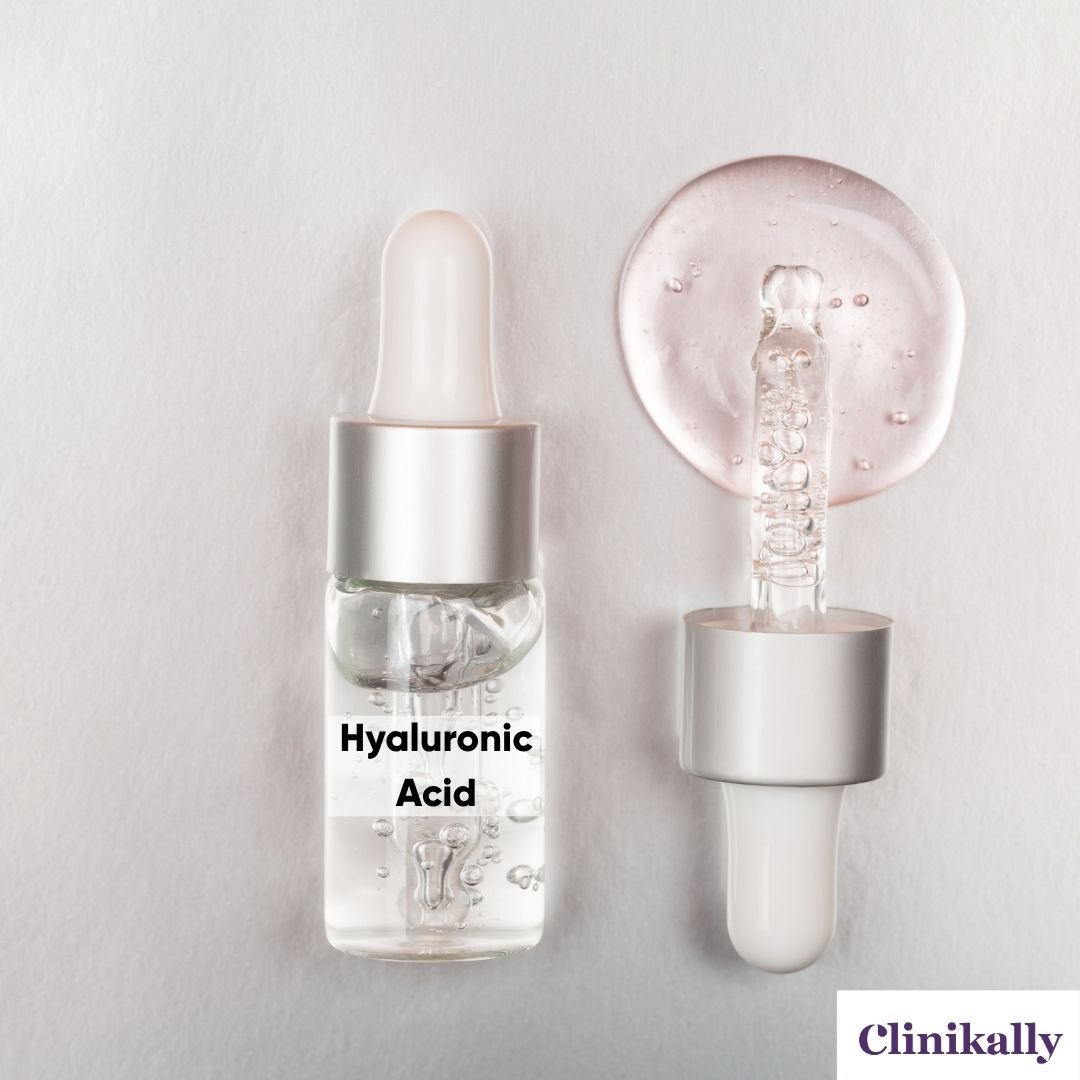
Hyaluronic acid is a naturally occurring substance that exists in our skin, connective tissue, and eyes, boasting an incredible water-retaining capacity of up to 1,000 times its own weight. As we age, natural stores decrease, resulting in drier, less plump-looking skin. Hyaluronic acid acts as a humectant in skincare, drawing moisture from the air, the environment, or deeper skin layers to ensure skin remains moisturized, smooth, and visibly refreshed.
How Does Hyaluronic Acid Work on the Skin?

All of the magic of hyaluronic acid comes down to the fact that it interacts with water. Here is exactly what happens once it touches your skin and starts working: hyaluronic acid pulls moisture toward itself and binds it to skin cells, essentially acting like a reservoir sitting on your skin's surface.
- Attracts Moisture: Draws water from the air or deeper layers of the skin, boosting hydration levels almost instantly.
- Plumps the Skin: Added moisture temporarily fills in and smooths out the look of fine lines and wrinkles.
- Gives a Dewy Glow: Hydrated skin naturally reflects light better, leaving your complexion looking fresh and radiant.
- Absorbs Quickly: Lightweight and non-greasy, it sinks in fast without leaving a heavy or sticky residue.
- Layers Easily: Works well with almost any other skincare product, making it easy to add to any routine.
- Suits All Skin Types: Its gentle, water-based nature makes it effective regardless of your skin type or concerns.
Benefits of Hyaluronic Acid for Skin
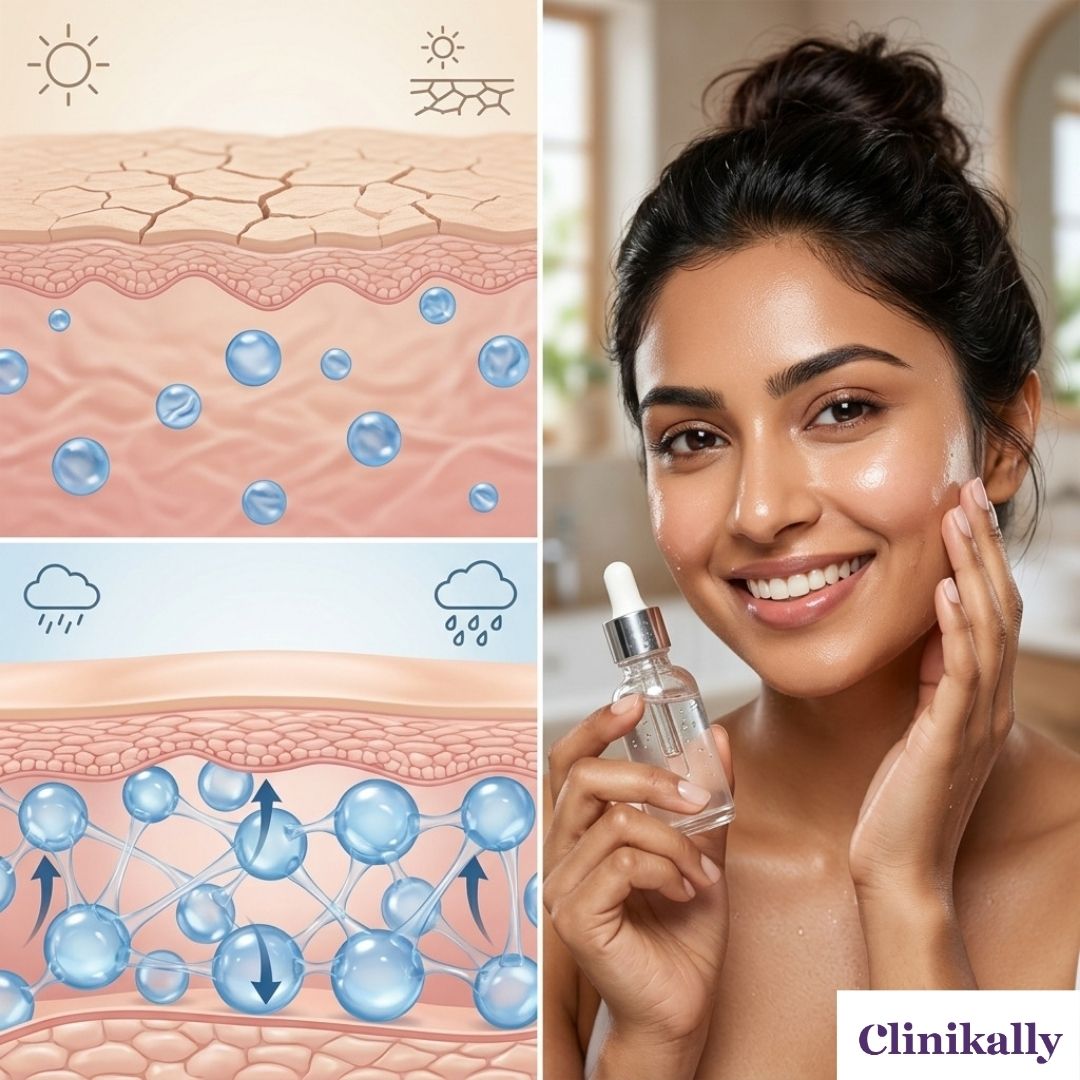
Once absorbed, hyaluronic acid works in other ways besides moisturization to improve how your skin looks and feels. Here are the major advantages it offers for regular use:
Provides Intense Hydration
Hyaluronic acid works like a moisture magnet that attracts water into the skin and holds it there. That helps to address dryness at its source, keeping your complexion soft, supple, and comfortably hydrated all day long without any tight or parched feeling by the afternoon.
Supports a Healthy Skin Barrier
When moisture levels are replenished, your skin's natural barrier grows stronger and more resilient. This means better protection against irritation, pollution, and daily environmental stressors, so your skin stays calmer and healthier over time.
Makes Skin Look Plumper and Smoother
Moisturized skin is naturally softer and plumper. Hyaluronic acid restores skin softness and smooths fine lines, leaving the complexion looking fresher and more youthful almost instantly after application.
Helps Improve the Appearance of Dry, Dull Skin
With regular use, it visibly diminishes flakiness, roughness, and dullness, revitalizing skin tone so it looks healthy and refreshed from the inside out.
Soothes Tight or Dehydrated Skin
That uncomfortable tight feeling after cleansing or harsh weather exposure doesn't have to linger. Hyaluronic acid delivers fast, soothing relief by replenishing lost moisture instantly and restoring comfort.
Best Hyaluronic Acid Products for Brighter-Looking Skin
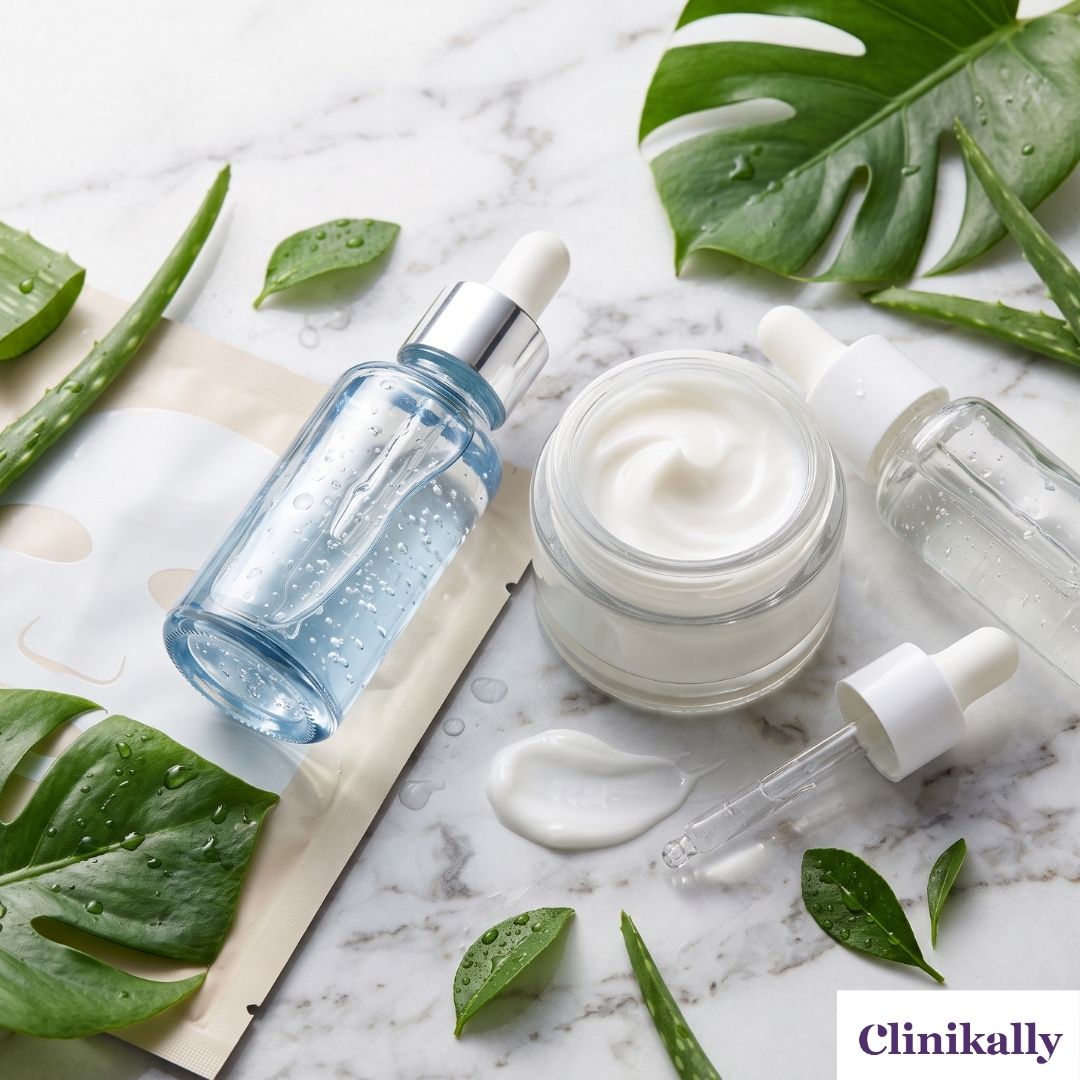
With so many formulas available today, picking the right one can feel overwhelming. Here are a few reliable picks worth considering for visibly brighter, healthier-looking skin:
| Product | Main Ingredients | Primary Benefits |
|---|---|---|
| Clinikally Hyaluronic SkinBooster Serum | Hyaluronic Acid, Centella Asiatica Extract, Epidermosil | Moisturizes deeply, seals moisture, and restores healthy skin texture. |
| Neutrogena Hydro Boost Hyaluronic Acid Serum | Hyaluronic Acid, Glycerin, Panthenol | Provides weightless moisture, soothing skin while boosting natural hydration levels. |
| Hydro Active Aqua Ultra Light Gel Cream | Hyaluronic Acid, Zinc PCA, Niacinamide | Reduces oil secretion, refines skin texture, and deeply moisturizes skin. |
| Actame C Face Wash | Vitamin C (Sodium Ascorbyl Phosphate), Hyaluronic Acid, Aloe Vera | Gives a deep cleanse, brightens dull skin and maintains natural moisture. |
| Dermatica Retibright Night Cream | Encapsulated Retinol, Nano Kojic Acid, Hyaluronic Acid | Minimizes hyperpigmentation and fine lines and helps skin renewal during sleep. |
| Olesoft Lite Face Moisturizing Gel | Niacinamide, Glycerin, Ceramides | Delivers non-greasy moisture, balances oil, and calms sensitive, acne-prone skin. |
| Excela Rich Facial Hydrating Lotion | Hyaluronic Acid, Squalene, Olive Oil | Helps skin restore its protective barrier, reduces dryness, and minimizes oxidative stress. |
Is Hyaluronic Acid Suitable for Every Skin Type?
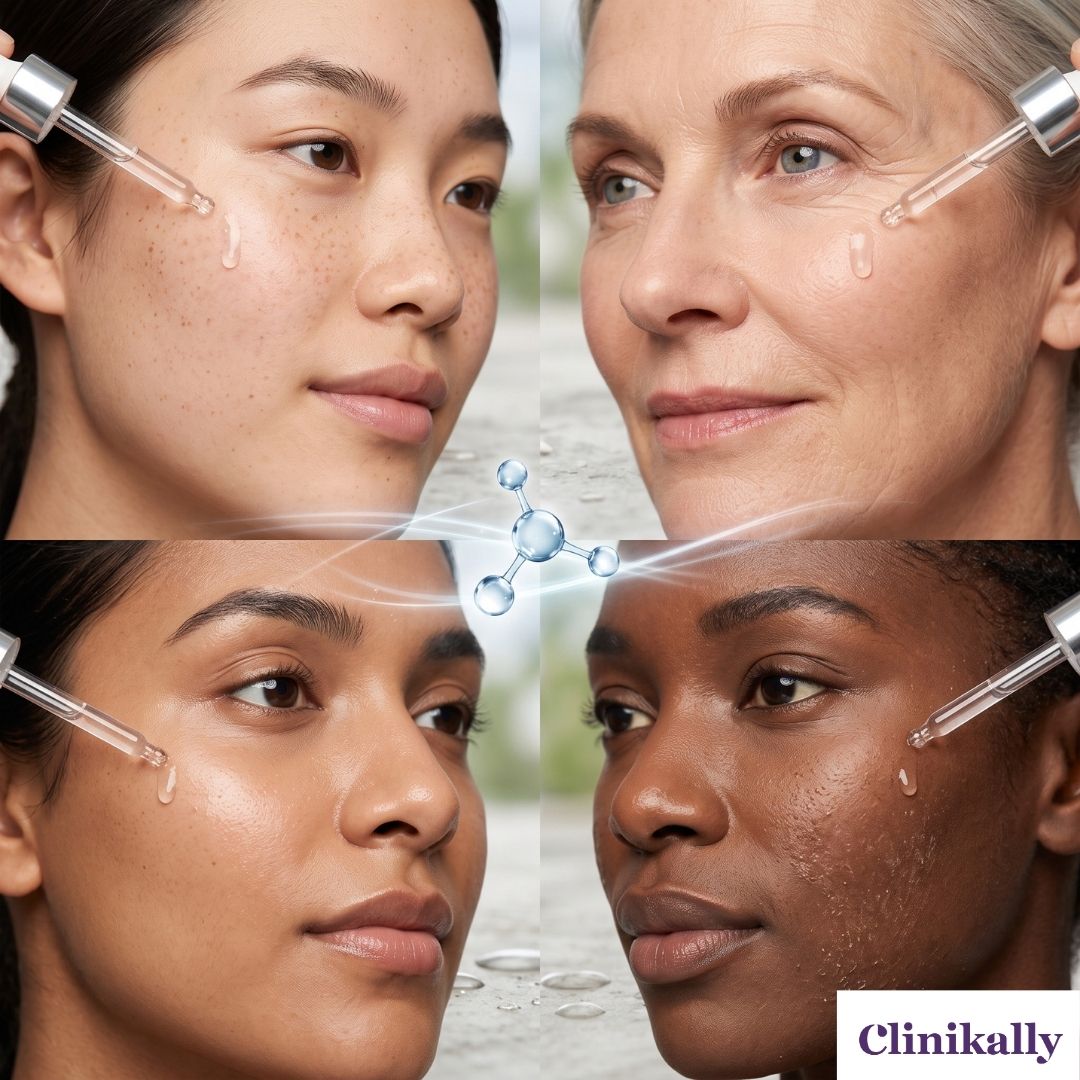
One of the best things about hyaluronic acid is how well it adapts to different skin needs without causing irritation or imbalance. Here's a quick breakdown of how it works across every skin type:
- Oily Skin: Hydrates without clogging pores, helping balance oil production without adding extra greasiness.
- Dry Skin: Highly beneficial, as it deeply replenishes moisture and reduces flaking or rough patches.
- Sensitive Skin: Generally gentle and non-irritating, making it safe for most reactive or easily inflamed skin types.
- Combination Skin: Works well by hydrating dry areas while keeping oily zones balanced and comfortable.
- Acne-Prone Skin: Non-comedogenic and lightweight, so it won't worsen breakouts or clog pores.
- Mature Skin: Helps plump fine lines and restore lost volume, supporting a firmer, youthful appearance.
How to Use Hyaluronic Acid on Your Face
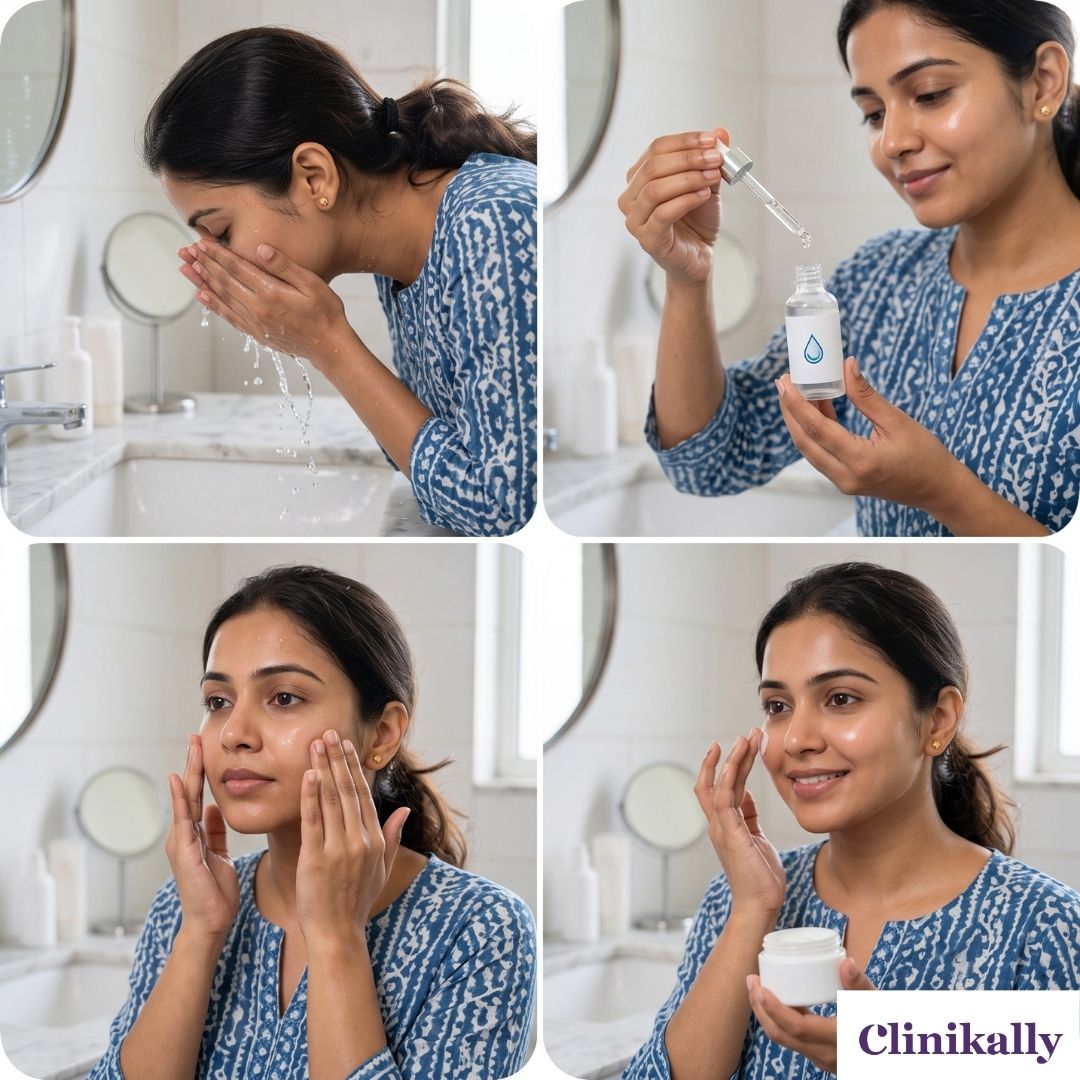
Using hyaluronic acid the right way makes all the difference in how well it hydrates and how long that hydration actually lasts on your skin. Follow these simple steps to get the best possible results:
- Cleanse First: Always start with a gentle face cleanser so the HA serum can absorb properly without any barriers.
- Apply on Damp Skin: Use hyaluronic acid on slightly damp skin to maximize its water-binding, hydrating effect.
- Use Only a Few Drops: A small amount goes a long way—avoid overloading the skin unnecessarily.
- Follow With Moisturizer: Lock it in with a good moisturizer to bind hydration in and prevent moisture loss.
- Apply Morning and Night: It's gentle enough for twice-daily use as part of your regular skincare routine. If you have more sensitive skin, consult with your dermatologist for personalized guidance.
- Don't Skip Sunscreen: During the day, always finish with SPF 50 or higher to protect hydrated, healthy skin.
How to Layer Hyaluronic Acid With Other Skincare Ingredients

Hyaluronic acid plays well with almost every other active ingredient, but the order in which you apply everything still matters for the best results. Here's how to combine it the right way in your routine:
- Vitamin C: Apply Vitamin C first, then follow with hyaluronic acid to hydrate and calm the skin.
- Retinol: Use hyaluronic acid after retinol to decrease dryness and reduce skin irritation from active ingredients.
- Niacinamide: Pair with niacinamide to combine hydration with barrier support and oil regulation.
- Exfoliating Acids: Apply hyaluronic acid afterward to replenish moisture that chemical exfoliants may temporarily strip away.
- Moisturizer: Always layer a gentle moisturizer on top of hyaluronic acid to lock in hydration and prevent water evaporation.
- Avoid Dry Climates Alone: In very dry air, always pair with an occlusive moisturizer to prevent hydration from escaping.
Final Thoughts
Hyaluronic acid is one of those rare ingredients that truly lives up to the hype—simple, gentle, and effective for almost every skin type. Whether your goal is deep hydration, a plumper look, or simply healthier-feeling skin, adding it to your routine is an easy, low-risk way to see real results. With the right application and layering, this humble hydration hero can make a noticeable difference in how your skin looks and feels every single day.
Share this article
Can hyaluronic acid cause breakouts or clogged pores?
How long does hyaluronic acid take to show results?
Can I use hyaluronic acid every day?
Is hyaluronic acid good for oily skin?
Is hyaluronic acid better as a serum or cream?
Should I stop using hyaluronic acid if my skin feels dry?
Does hyaluronic acid brighten skin?
Tags
We'd love to hear your thoughts!
Enter Full Name
Enter Email
Write a reply
No content on this site, regardless of date, should ever be used as a substitute for direct medical advice from your doctor or other qualified clinician.