Why Plant-Based Keratin is the Future of Hair Care
Traditional keratin treatments have long been hailed for their ability to smooth, strengthen, and restore damaged hair. However, they frequently include animal-derived substances and toxic toxins like formaldehyde. In this article, we'll look at how plant-based keratin is the future of hair care.
Understanding Plant-Based Keratin: What It Is and How It Works
Plant-based keratin, or phytokeratin, is a vegan alternative to regular keratin generated from animal sources. It is derived from plant proteins such as wheat, soy, or corn and has the same structure as natural hair keratin, providing similar benefits for hair strength, healing, and smoothness.
What it is:
-
Plant-based keratin: It is a vegan alternative to regular keratin, which is commonly obtained from animal byproducts such as feathers or wool.
-
Mimics natural keratin: It has a comparable amino acid structure to keratin present in human hair, making it a suitable and useful ingredient for hair care products.
-
Common sources: Wheat, soy, and corn are widely utilized to extract plant-based keratin, which is subsequently used in hair care products.
How it works:
-
Strengthens and repairs: Plant keratin strengthens and restores the hair shaft, reducing breakage and improving suppleness.
-
Smooths and decreases frizz: It can assist in smoothing the hair cuticle, decreasing frizz and making hair easier to handle.
-
Enhances shine and manageability: Plant-based keratin improves hair health and texture, making it simpler to style.
-
Protective barrier: It can also assist in forming a protective layer on the hair, shielding it from environmental harm and heat treatment.
The Science Behind Plant-Based Keratin for Hair Health
Plant-based keratin, obtained from soy, quinoa, and wheat, strengthens hair by matching its natural structure. It nourishes and heals damaged hair, minimizes breakage, and increases shine by deeply permeating the hair shaft and smoothing the cuticle. This promotes hair health, manageability, and resilience to external stimuli. Here's an in-depth look at the science behind it:
-
Amino acid content: Plant-based keratin is high in amino acids, which are the building blocks of proteins and essential for hair health. These amino acids, which include cysteine, serine, and proline, serve to regenerate and strengthen the hair shaft from within.
-
Structural similarity: Plant proteins, such as soy, quinoa, and wheat, are structurally comparable to keratin in human hair. This permits them to be easily absorbed and integrated into the hair's structure.
-
Strengthening and repair: Plant-based keratin penetrates the hair shaft, strengthening it from within and making it more resistant to breakage and split ends.
-
Moisture retention: Plant-based keratin promotes moisture retention in the hair, preventing dryness and frizz induced by environmental factors such as sun exposure and harsh chemicals.
-
Cuticle smoothing: It smoothes the hair's cuticle, or outer layer, which can become damaged and elevated, resulting in frizz and dullness. This smoothing action increases shine and decreases breakage.
-
Protection against environmental damage: Plant-based keratin can build a protective layer on the hair, insulating it from the damaging effects of UV radiation and pollutants.
-
Improved elasticity and flexibility: Strengthening the hair shaft increases its elasticity and flexibility, making it less susceptible to breakage and split ends.
-
Growth and density: While it does not directly stimulate faster hair growth, it does support healthy hair growth cycles by supplying the hair follicles and strands with important nutrients, which may lead to increased hair thickness and density.
-
Vegan and sustainable: Plant-based keratin is a cruelty-free and sustainable alternative to animal-derived keratin, meeting the growing demand for environmentally friendly beauty products.
How Plant-Based Keratin Strengthens and Protects Hair
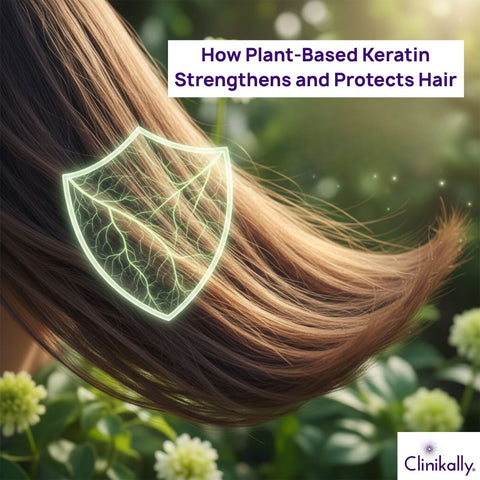
Plant-based keratin strengthens and protects hair by mimicking the benefits of traditional keratin, including reinforcing the hair shaft, smoothing the cuticle, and reducing damage and breakage. It nourishes the hair with proteins and amino acids, increasing its strength, shine, and manageability. Here's a more extensive explanation.
-
Strengthening the hair shaft: Plant-based keratin, which is frequently made from wheat, soy, or corn, is high in protein and amino acids. These components penetrate the hair shaft, mending damage and plugging gaps in the hair's cuticle, or outer layer. This procedure strengthens the hair from within, increasing its resistance to breakage and broken ends.
-
Protecting hair from damage: Plant-based keratin forms a protective barrier around the hair, safeguarding it from environmental damage, heat styling, and chemicals. This protective layer helps to prevent moisture loss and further damage, ensuring that the hair is healthy and strong.
-
Enhancing shine and smoothness: Plant-based keratin smoothes the hair cuticle, reducing friz and flyaways for a smoother, shinier finish. This enhanced smoothness makes hair more manageable and styleable.
Top Benefits of Plant-Based Keratin for Your Hair
Plant-based keratin is quickly gaining popularity in clean and conscientious hair care—and for good reason. This vegan alternative to traditional animal-derived keratin, created from plant proteins such as wheat, corn, and soy, provides impressive results without the use of harsh chemicals or ethical problems. The main advantages of plant-based keratin for your hair are:
-
Strengthens and restores hair: Plant-based keratin has a structure similar to natural keratin found in your hair, which helps to strengthen weakening strands, fill in damaged cuticles, and heal breaks. It increases resistance, making your hair less susceptible to split ends and breaking.
-
Smooths frizz and enhances shine: Plant-based keratin smoothes frizz and enhances shine by sealing the hair cuticle, reducing frizz, taming flyaways, and increasing natural shine. It smoothes the hair surface without leaving any heavy or oily residue, making it excellent for daily usage.
-
Gentle and safe: Unlike typical keratin treatments, which may contain formaldehyde or other harsh chemicals, plant-based keratin is mild, non-toxic, and good for all hair types, including color-treated and chemically processed hair.
-
Vegan and cruelty-free: Plant-based keratin is a completely vegan and cruelty-free solution that adheres to environmentally sensitive and ethical beauty standards. It's a conscientious alternative that produces professional-level performance without harming animals.
-
Improves moisture retention: Because of its amino acid composition, plant-based keratin helps lock in moisture, keeping hair moisturized, silky, and flexible. This is especially useful for dry, brittle, or curly hair types that tend to lose moisture quickly.
-
Supports sustainable beauty: Plant-based keratin is a more sustainable option because it is derived from renewable plants and processed in a less environmentally harmful manner. It reflects an increasing trend toward environmentally friendly, biodegradable hair care products.
Nourishing Damaged Hair with Plant-Based Keratin
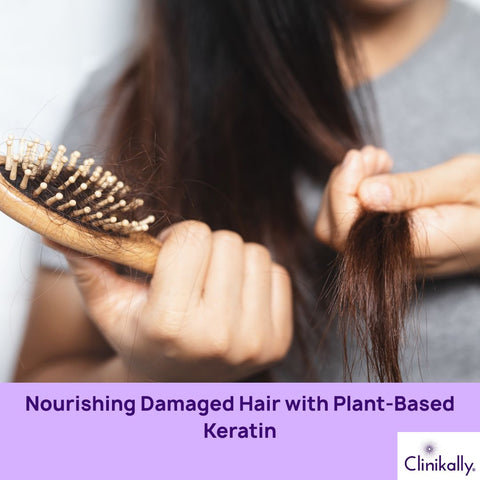
Nourishing damaged hair does not necessitate harsh procedures. Plant-based keratin is a safe, effective, and ethical way to strengthen, moisturize, and protect your hair organically. Whether you're recuperating from damage or simply looking for healthier strands, this plant-based protein can change your hair from dull and weak to resilient and beautiful.
How Plant Keratin Controls Frizz and Adds Shine
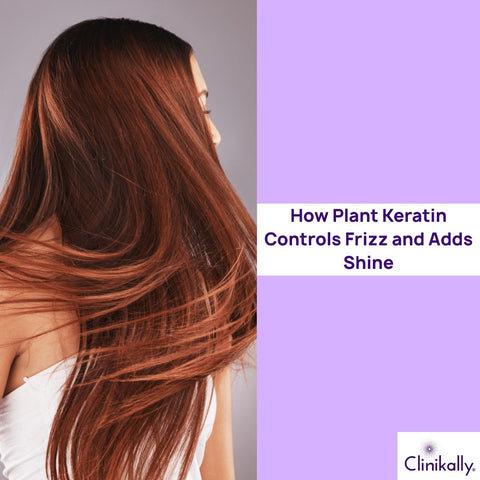
If you have frizz, dullness, or unruly strands, plant-based keratin is a natural and effective remedy. This vegan-friendly protein is derived from botanical sources like as wheat, soy, and corn and replicates your hair's natural keratin, restoring structure, reducing frizz, and increasing shine without the use of harsh chemicals.
-
Smoothes the hair cuticle: Frizz frequently happens when the hair's outer layer (cuticle) is elevated, allowing moisture to infiltrate and inflate the hair shaft. Plant keratin bonds to damaged areas, closing the cuticle and resulting in a smooth, even surface. This allows hair to lie flat, seem sleek, and feel softer to the touch.
-
Replenishes lost protein: Hair becomes frizzy and lifeless when it is depleted of necessary proteins due to heat, dyeing, or chemical damage. Plant-based keratin replenishes your strands with amino acids, rebuilding weak spots while restoring natural structure and strength.
-
Enhances natural shine: A smooth and sealed hair cuticle reflects light more evenly. Plant keratin increases shine by smoothing the surface, giving your hair a healthy, glossy finish without the need for heavy silicones or synthetic coatings.
-
Lightweight and Non-Greasy: Plant-based keratin is lightweight and water-soluble, unlike some heavier serums or oils, so it does not weigh your hair down or cause buildup. This makes it great for daily use and works on all hair types, including fine, curly, and color-treated hair.
-
Long-term frizz control: With regular application, plant keratin treatments can enhance hair texture and manageability. It not only temporarily reduces frizz but also strengthens your strands over time, making hair more resistant to humidity and injury.
Choosing the Right Plant-Based Keratin Product for Your Hair Type
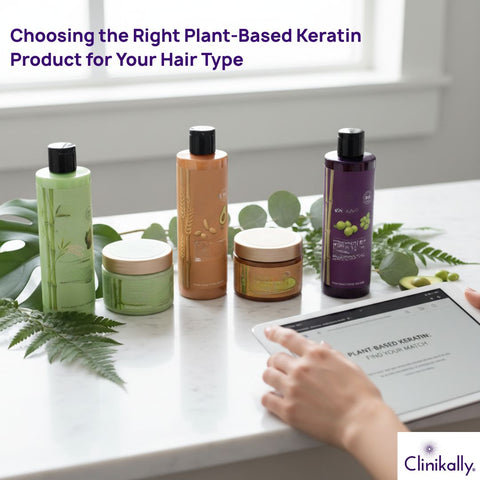
Plant-based keratin is a natural, vegan-friendly alternative that strengthens and smoothes hair without the harsh chemicals found in standard keratin treatments. However, to achieve the greatest results, you must select the appropriate product for your hair type and demands. Here's how.
-
Dry or damaged hair: For dry or damaged hair, use deep conditioning hair masks or intense repair shampoos with additional ingredients such as argan oil, shea butter, or coconut oil, as well as sulfate-and paraben-free products. These products nourish and rebuild broken strands, seal split ends, and increase elasticity.
-
Fine or thin hair: For fine or thin hair, use lightweight plant-keratin sprays or protein mists, formulae containing rice protein, biotin, or panthenol, and non-greasy, silicone-free products. They strengthen without adding weight, making fine hair appear thicker, shinier, and more resilient.
-
Curly or textured hair: It requires curl treatments, leave-in conditioners, or moisturizing masks containing plant keratin. Additional oils such as jojoba, flaxseed, or avocado, as well as labels for frizz control or curl definition. They smooth the cuticle, decrease frizz, and define curls while yet maintaining bounce and softness.
-
Oily hair or scalp: Lightweight plant keratin shampoos infused with tea tree, aloe vera, or charcoal, oil-free formulas, and "balancing" or "scalp-purifying" labels. These gently strengthen the hair while managing excess oil and preventing accumulation at the roots.
-
Color-treated hair: It requires sulfate-free plant keratin shampoos and conditioners, UV protection or fade-prevention chemicals, and moisturizing, pH-balanced solutions. They strengthen color-treated strands without removing color or creating additional damage.
Plant-Based Keratin for Curly and Frizzy Hair
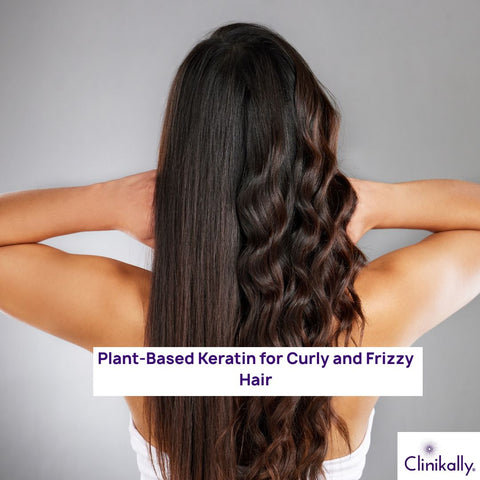
Curly and frizzy hair requires special care—which is where plant-based keratin comes in. Unlike typical keratin treatments, which frequently use animal proteins and harsh chemicals, plant-based keratin provides a gentle, vegan-friendly option that improves curl definition, reduces frizz, and nourishes each strand from the inside out.
-
Smoothes the hair cuticle: Curly and frizzy hair frequently have a raised cuticle layer, which causes moisture loss and flyaways. Plant-based keratin helps to seal the cuticle, resulting in a smooth surface that eliminates frizz and promotes well-defined curls.
-
Boosts moisture and elasticity: Plant keratin, which is derived from botanical proteins such as wheat, soy, and corn, has amino acids that match your hair's natural structure. This aids in the retention of moisture and the restoration of flexibility, both of which are essential for soft, bouncy curls.
-
Enhances curls: Unlike heavy silicones or oils, plant-based keratin is lightweight and breathable, providing structure and hold without weighing them down. Your curls remain lightweight, springy, and well-defined.
-
Long-term frizz control: With frequent usage, plant-based keratin treatments can strengthen the hair fiber, making it more resistant to humidity and injury, two key causes of frizz.
-
Safe and gentle: Whether you have loose waves or tight coils, plant-based keratin is non-toxic, sulfate-free, and formaldehyde-free, making it excellent for sensitive scalps and textured hair that requires additional care.
How to Incorporate Plant-Based Keratin into Your Hair Care Routine
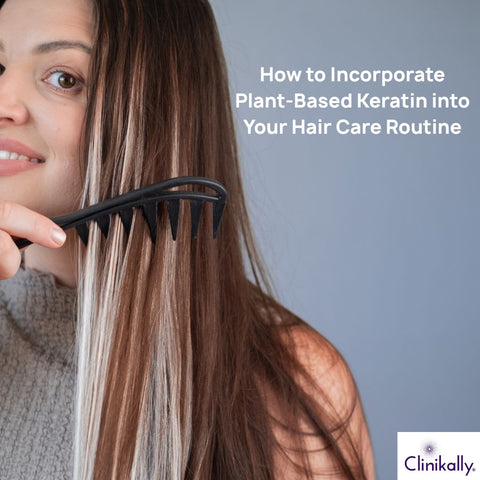
Plant-based keratin is a natural, vegan-friendly solution to strengthen, smooth, and rejuvenate your hair without the harsh chemicals used in standard treatments. However, in order to get the most benefits, you must first understand how and when to use it. Here's how to easily incorporate plant-based keratin into your daily or weekly hair care regimen:
-
Begin with a plant-based keratin shampoo: Choose a sulfate-free shampoo containing plant keratin (derived from wheat, soy, maize, or rice proteins). It cleanses while fortifying the hair fiber from root to tip, which is ideal for damaged, frizzy, or fine hair.
-
Follow up with a strengthening conditioner: A plant-based keratin conditioner helps to seal the cuticle, replenish moisture, and prevent breakage. Look for products that include oils such as argan, jojoba, or coconut for increased suppleness.
-
Use a weekly deep treatment or mask: Use a deep-conditioning mask with plant keratin once a week to address dryness, split ends, and heat damage. These intense treatments replace depleted protein, leaving hair feeling softer and stronger.
-
Add a leave-in or curl cream: For everyday frizz control and heat protection, apply a leave-in conditioner or styling cream with plant-based keratin. It smoothes, hydrates, and defines curls or waves while preventing styling damage.
-
Avoid harsh chemicals and heat overload: To maximize the benefits of plant keratin, restrict your use of harsh shampoos, frequent coloring, and severe heat styling. These methods might deplete your hair's protein and moisture levels, negating any improvement made.
Final Thoughts: Plant-Based Keratin for Healthier, Stronger Hair Naturally
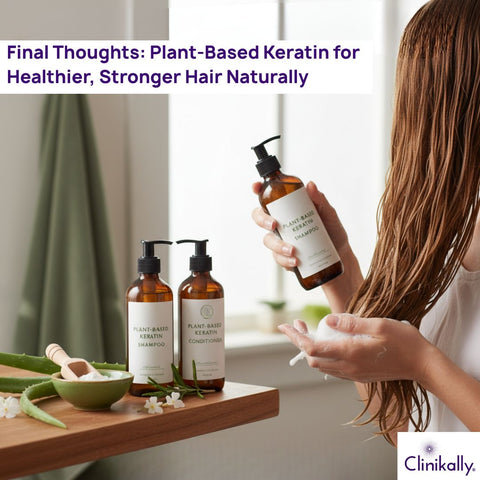
Plant-based keratin is more than just a clean beauty trend; it's a powerful, ethical, and effective way to get healthier, stronger hair without sacrificing your ideals. This vegan-friendly alternative, derived from botanical proteins such as wheat, soy, and corn, produces noticeable results: healing damage, decreasing frizz, increasing gloss, and reinforcing hair strength—all naturally. Unlike harsh chemical treatments or animal-derived keratin, plant-based alternatives are gentle, safe for all hair types, and environmentally friendly. Whether you're experiencing breakage, dryness, or dullness, including plant-based keratin into your routine will help restore balance and strength to your hair from root to tip.