Neckline Confidence: Safe and Effective Ways to Remove Skin Tags

Skin tags are benign, small growths that frequently occur where skin folds over another area of skin, including the neck, underarms, or eyelids. Though these harmless bumps rarely cause discomfort, numerous people wish to get rid of them for aesthetic purposes. The neck is a frequent location for skin tags. Development and formation of these tags can shake a person's confidence. Fortunately, there are safe and effective methods available for removing skin tags at home or in a medical setting. From over-the-counter treatments to professional procedures, various options can help restore smooth, clear skin. It’s essential to choose a removal method that aligns with your skin type and comfort level while ensuring it won’t lead to complications. In this article by Clinikally, we will examine the safest and most efficient methods for removing neck skin tags, both homemade remedies and professional procedures that guarantee outcomes with few side effects.
Understanding Skin Tags on the Neck
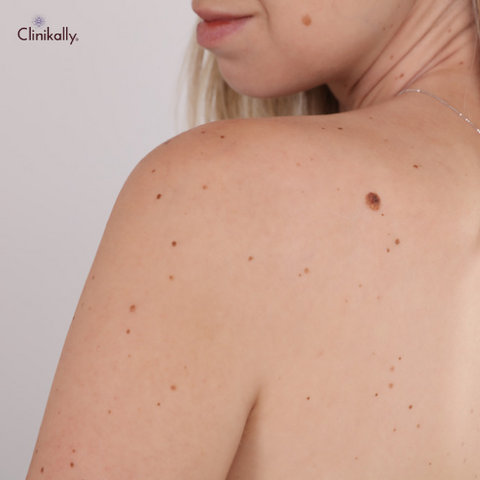
Neck skin tags are a usual and benign skin condition that may present as small, soft, flesh-colored lumps. These growths most often develop in places where the skin folds on itself, like the neck, armpits, or groin, because of friction or irritation. While not medically concerning, skin tags may be annoying or displeasing aesthetically at times, particularly if they occur in visible places on the body like the neck. These tags are more likely to develop with increasing age, obesity, or changes in hormones. Hereditary factors may also be involved, and some individuals are more likely to get them. Although skin tags are benign, they can sometimes become inflamed when rubbed by clothing or jewelry. While they don’t require treatment, many choose to remove them for aesthetic reasons or to avoid discomfort. Understanding their causes and treatment options can help individuals confidently address these growths.
What Are Skin Tags? A Closer Look
Skin tags are benign, common growths that hang from the surface of the skin where there is rubbing and skin to skin friction. Though harmless, they can be annoying, particularly if you have one appearing on visible skin such as the neck or face. Many try to eliminate them simply for cosmetic purposes or to prevent irritation. If you're curious as to just what skin tags are and how they develop, take a closer look:
-
Skin tags are generally small, soft growths of varying sizes, ranging from 1mm to 2.5cm.
-
They are flesh-colored or a bit darker than the color of surrounding skin and can be smooth or wrinkled in texture.
-
They most often occur in areas where folds in the skin occur, like the neck, armpits, eyelids, or groin.
-
The growth is held against the skin by a small stalk (peduncle), allowing it to hang below the surface.
-
The etiology is not known but may be increased by friction, genetics, obesity, and hormonal shifts.
-
Diabetic or pregnant patients are at increased risk of developing skin tags if there are either alterations in insulin levels or shifts in hormones.
-
Skin tags themselves are not painful but can become inflamed by rubbing from clothing, jewelry, or shaving and thus provoke some to desire removal.
-
While they are not dangerous, skin tags can be a source of self-consciousness for many, prompting people to look for safe and effective removal options.
Understanding what skin tags are and how they form can help you make informed decisions about removal options. Whether you're considering at-home treatments or seeking professional care, knowing the facts about skin tags allows you to confidently address them without worry.
Common Causes of Skin Tags Around the Neck
Neck skin tags are quite common and can appear for a range of reasons. Knowing why they occur can assist you in preventing or dealing with them better. Here's an insight into the most prevalent reasons skin tags develop around the neck:
-
Friction: The neck is also susceptible to friction, particularly when clothing, jewelry, or even folds of skin rub against each other. Chronic friction ranks among the most common causes of skin tag formation in this region.
-
Genetics: Certain people are genetically predisposed to acquiring skin tags. If there is a history of skin tags in your family, you are at higher risk to develop them as well.
-
Age: With advancing age, the elasticity of the skin declines, and it is more prone to growths such as skin tags, especially after the age of 40.
-
Obesity: Extra body fat or folds of skin can raise the risk of developing skin tags, particularly around the neck where skin tends to rub against each other. Obesity is a major risk factor because of increased friction.
-
Sun Exposure: Prolonged exposure to sunlight without protection tends to damage the skin, making it susceptible to growths like skin tags. Although more prevalent on the face and chest, sun damage around the neck can be a factor that leads to their development.
-
Hormonal Alterations: Hormonal changes, such as occur during pregnancy or because of diabetes, contribute to the development of skin tags. Pregnancy hormones cause excess growth on the skin, particularly around regions such as the neck.
-
Insulin Resistance and Diabetes: Individuals with diabetes or insulin resistance are predisposed to developing skin tags. High levels of insulin can trigger the development of skin tags, particularly in regions where skin folds, such as the neck.
-
Skin Inflammation: Any process that results in chronic irritation or inflammation of the skin, including eczema or dermatitis, can predispose one to developing skin tags, particularly in sensitive skin areas like the neck.
Knowing these typical reasons can assist you in taking preventative action to prevent skin tags or treat them early on. If you are susceptible, lowering friction, controlling weight, and keeping up with hormonal shifts can minimize the appearance of skin tags on the neck.
Debunking Myths About Skin Tags
Skin tags are a very common skin condition, but numerous myths and misconceptions prevail. Let's dispel some of the most well-known myths to make you better acquainted with these harmless growths:
1. Myth: Skin Tags Are Dangerous or Cancerous
Fact: Skin tags are benign growths that are not dangerous to one's health. They are usually benign and do not become skin cancer. That said, it is always a good idea to have any new or changing growths examined by a medical professional, just to be sure that something else is not going on.
2. Myth: Skin Tags Only Appear on Older Adults
Fact: Although skin tags become more frequent with age, they may occur at any age of life. Even kids can get skin tags, but they are less common. Conditions such as friction, genetics, and obesity contribute more than the mere factor of age.
3. Myth: Skin Tags Are Caused by Poor Hygiene
Fact: Skin tags are not related to personal hygiene. They usually result from friction, genetics, or hormonal imbalance. You won't grow skin tags because you do not wash sufficiently or skip skin care. Although irritation will make them uncomfortable, poor hygiene is not a cause.
4. Myth: Removing Skin Tags at Home Is Always Safe
Fact: Though there are several remedies for removing skin tags at home, not all are safe to use. Infection, scarring, or bleeding are some of the risks associated with improper removal methods. It is advisable to seek advice from a health professional before removal to ensure the process is safe and suitable for your skin type.
5. Myth: Skin Tags Will Grow Back After Removal
Fact: After a skin tag is removed safely and totally, it won't ever grow back. But new ones can appear in other places over time, particularly if you have a tendency to get them. Getting a removal is a one-time fix for the offending tag, but not a promise against future growths.
Dispelling these myths does a lot to clarify popular misconceptions and give a better idea of what skin tags are and how they may be treated. Whether you have one or multiple, knowing the facts about skin tags can help you make good choices regarding prevention and treatment.
Treatment Options for Skin Tags

Treating skin tags is something that may be done in many different ways to address different needs and preferences. For those in need of quick and efficient results, professional procedures such as cryotherapy, surgical excision, cauterization or electrosurgery, and laser removal provide accurate and trustworthy solutions. These procedures are normally done by a dermatologist and can give instant results with little down time. For natural options, home remedies like tea tree oil, apple cider vinegar, or vitamin E oil can reduce and eliminate tiny skin tags in due course of time. It is critical to consider your skin type, tag size, and site before selecting the most suitable treatment. Always get professional advice from a medical practitioner to establish the safest and most efficient approach for your skin tag removal needs.
Safe Home Remedies and Natural Approaches
If you want to get rid of skin tags naturally and safely at home, there are a few helpful remedies you might try. Although these remedies are easy and inexpensive, be aware that outcomes may differ for every individual. These are five safe and natural ways that might assist you in eliminating skin tags on your neck or other places.
-
Tea Tree Oil: With its antibacterial and anti-inflammatory content, tea tree oil is a favorite remedy for skin tags. Use a cotton ball to apply a few drops onto the affected area twice daily, and cover it with a bandage. This oil may eventually dry out and cause the skin tag to shrink.
-
Apple Cider Vinegar: This acidic solution is commonly utilized for its inherent exfoliating nature. Soak a cotton ball in apple cider vinegar and hold it against the skin tag for 15-30 minutes every day. The acid breaks down the skin tag, and it eventually falls off.
-
Banana Peel: The enzymes in banana peel are said to break down the skin tag tissue. Cut a small piece of banana peel and put it over the tag, secured with a bandage. Leave it on all night and repeat daily until you notice improvement.
-
Garlic: Garlic includes ingredients that can help dehydrate skin tags. Take a garlic clove and crush it. Apply the crushed garlic to the skin tag. Bandage it up and leave overnight. Garlic is very antibacterial, so it will help prevent infection and support healing.
-
Vitamin E Oil: Vitamin E oil is famous for its healing property for the skin. Direct application of vitamin E oil on the skin tag can make it soft and smaller gradually. Applying the oil twice a day by massaging on the area can push the skin tag to come off slowly.
Although these home remedies are well-known for their natural solution, they aren't necessarily a quick solution, and results may take weeks or longer. If the skin tag fails to respond to these, or if irritation, it's worth consulting with a health professional. Natural remedies can be a good solution to skin tag removal, but caution and patience must be exercised.
Professional Removal Methods: What to Expect
If you're thinking about professional skin tag removal, it's helpful to know the different options and what to expect from each. Professional removals are usually faster and more effective than do-it-yourself remedies, and safer for bigger or more hard-to-reach tags. Here's what you should know about popular professional removals and how they work.
-
Cryotherapy: It is freezing the skin tag with liquid nitrogen. The cold destroys the tissue of the skin tag, and it will fall off in a few days or weeks. It is a fast, fairly painless, and very effective procedure but can cause temporary redness or inflammation where the area was treated.
-
Cauterization/ Electrosurgery: Cauterization involves burning the skin tag with an electric current. This process is effective at removing small to medium-sized skin tags and can avoid bleeding. The treatment is barely painful through local anesthesia, and recovery generally entails a small scab that sheds within a couple of days.
-
Laser Removal: Laser removal involves the use of intensified light beams to vaporize the skin tag. The process is accurate and does not cause much damage to the local skin. Laser procedures are best applied to smaller tags or tags found in sensitive areas, like the eyelids or the neck.
-
Surgical Excision: During this process, a medical practitioner applies a scalpel or surgical scissors to remove the skin tag at its base. Excision is most often performed under local anesthesia to make the patient comfortable. Although it leaves a tiny scar, the procedure is rapid and has instant effects.
-
Ligation: In this procedure, the base of the skin tag is bound off using a minute thread or surgical ligature, which deprives the skin tag of its blood supply. Without blood supply, the skin tag atrophies and disappears after a few days. Ligation tends to be a more slow process but can prove to be very effective in the case of skin tags in sensitive locations.
Every professional removal process has its own advantages and possible drawbacks, like temporary redness, scarring, or minor pain. Depending on the size, location, and quantity of skin tags, a dermatologist or health professional will advise the best course of treatment. The treatments are normally swift and can be undertaken in an outpatient setting, with minimal if any downtime. Following the treatment, it's imperative to have proper aftercare procedures to prevent infection and achieve recovery well.
Professional removal provides a more accurate and efficient alternative for anyone who wishes to eliminate skin tags safely and efficiently. If you are not certain which alternative is best for you, a meeting with a dermatologist can assist in determining the best method for your skin type and personal preference.
Risks of DIY Skin Tag Removal
Although the thought of removing a skin tag at home may be appealing because of convenience and the cost factor, be cognizant of the possible risks and adverse effects that can occur from at-home skin tag removal. In spite of the fact that the majority of at-home treatments are labeled as safe, the wrong methods of removal can generate undesirable side effects. Some of the most significant risks involved with at-home skin tag removal are listed below:
-
Bleeding: If you don't cut the skin tag correctly, you can cause too much bleeding. Cutting a skin tag without taking proper precautions can lead to blood loss. Some skin tags, particularly larger ones, can bleed more than expected.
-
Infection: The most frequent danger of home skin tag removal is infection. If the skin tag is cut, frozen, or burned without adequate disinfecting, bacteria can easily penetrate the open cut, resulting in redness, swelling, or even pus. Without proper treatment, infection can be transmitted to adjacent tissue, necessitating medical attention.
-
Incomplete Removal: DIY skin tag removal might not completely eliminate the tag. If the root or base of the skin tag is left behind, it could grow back over time, causing frustration and the need for additional treatments. This is particularly true for methods like twisting or freezing, which might not fully detach the skin tag from the skin.
-
Scarring: Sometimes scarring can result from DIY removal. For instance, cutting with scissors, knives, or other bladed instruments can result in long-term marks or keloid scarring, particularly if the skin tag is big or in a delicate part of the body. This is especially likely if the skin is not cleaned or treated correctly after the tag has been removed.
-
Discomfort and Pain: Some DIY procedures, like the use of apple cider vinegar or tea tree oil, may result in irritation, burning, or allergic reactions, causing further discomfort. Moreover, incorrect cutting or freezing may result in undue pain or extended recovery periods.
-
Incorrect Diagnosis: Not every skin growth is a skin tag. Proceeding to remove a growth without first accurately identifying the growth might have disastrous effects. Some moles or cysts might appear like skin tags but might be symptoms of more severe diseases, such as skin cancer. Removing an incorrect kind of growth is likely to result in complications and postpone accurate diagnosis.
Though DIY skin tag removal can be a fast solution, these risks indicate why it's usually better and safer to have a professional treatment. If you're not sure how to remove a skin tag safely or if the growth is suspicious in any manner, it's always best to see a dermatologist. This way, you can stay away from complications and have a smoother, safer removal.
Post-Removal Skincare and Healing

Post-removal skin care is important to allow for effective healing and reduce complications following the removal of a skin tag. Following the procedure, keeping the affected area dry and clean, cleaning it gently using mild soap and water, will help to avoid infection. Applying an antiseptic or healing cream can form a barrier and also aid in quicker recovery. It's also crucial to prevent too much friction or irritation, particularly in regions that tend to rub, like the neck. Tight accessories and tight clothing should be avoided to prevent discomfort. Finally, be patient as recovery may take time, and sticking with a regular skincare regimen will minimize scarring risk and promote smooth, healthy skin.
Caring for the Neck Area After Removal
After removing a skin tag from the neck, proper care is essential to prevent infection, reduce scarring, and ensure healing. The neck is a sensitive area, so it’s important to follow specific steps to promote healing and minimize complications. Here are three key ways to care for your neck after skin tag removal:
-
Clean the treated area carefully with gentle cleansers such as Novology Moisture Barrier Booster Cleanser and water to eliminate any bacteria or dirt. Pat the area dry after cleaning with a soft towel. Do not expose the area to strong chemicals or scrubs to prevent irritation. Maintaining the area dry and clean decreases the chances of infection, which is essential for a normal recovery.
-
Use an Antiseptic or Healing Ointment: To avoid infection and speed up healing, put over-the-counter antiseptic ointment on the treated area. This will help create a barrier against harmful bacteria to protect the skin as it heals. Repeat the ointment as instructed, particularly after cleaning the area.
-
Prevent Excessive Friction or Irritation: The neck region is susceptible to friction caused by clothing, jewelry, or even skin rubbing against each other. To prevent irritation, avoid wearing tight collars, scarves, or necklaces that rub against the healing skin. If required, use a soft bandage or dressing for protecting the region during the healing process.
By following these steps, you can help ensure a smooth recovery after skin tag removal from the neck. Taking care of the area immediately after treatment will minimize the risk of complications and help you enjoy clear, healthy skin in no time.
Methods of Preventing Future Skin Tags
Although skin tags are not normally anything to worry about, most people would rather avoid getting them in the first place, particularly if they occur in noticeable places such as the neck. Fortunately, there are a number of ways to lower your chance of developing skin tags. Following are five strategies to help prevent future skin tags:
-
Maintain a Healthy Weight: Skin tags are more prone to form where skin folds over or rubs against skin, and extra weight can cause friction. Keeping a healthy weight reduces the likelihood of skin tags occurring in high-friction regions such as the neck, armpits, or groin area. Indulge in weight management practices.
-
Decrease Skin Friction: As one of the primary reasons for skin tags, decreasing skin-on-skin or skin-on-clothing contact is essential. Loose and comfortable clothing and putting a light dusting of baby powder such as Maxisoft Baby Powder or an anti-chafing cream on areas of frequent friction can also decrease irritation.
-
Use Sun-Protection: Long-term exposure to the sun can soften the skin and make it more prone to such growths as skin tags. To avert damage, always wear broad-spectrum sunscreen (SPF 30 and above) on exposed skin, particularly in sensitive areas like the neck. Clinikally SunProtect Sunscreen SPF 50/PA+++ is a great recommendation. Wearing a hat and protective clothing can also protect your skin from harmful ultraviolet rays.
-
Regulate Blood Sugar Levels: Excessive insulin levels are associated with a higher chance of developing skin tags, especially in individuals with diabetes or insulin resistance. Keeping blood sugar levels in control through a healthy diet, exercise, and medication (if required) can lower the risk of developing skin tags.
-
Practice Good Skin Care: Taking care of your skin can prevent irritation and the formation of skin tags. Wash your skin with gentle, non-irritating cleanser like Clinikally HydraSoft Gentle Skin Cleanser and moisturize to prevent breaking the skin's natural barrier. Exfoliating your skin regularly can also stimulate cell turnover, keeping your skin smooth and less prone to develop abnormal growths.
By taking these preventive steps, you can lower your chances of getting skin tags in the future. Although they're usually harmless, taking the initiative to have healthy skin and lifestyle choices will do wonders to keep your skin clear and problem-free of unwanted growths.
Integrating Skin Tag Care into Your Skincare Routine
Incorporating skin tag care into your normal skincare routine can assist in keeping the skin smooth and healthy as well as lower the chances of new skin tags. With added care, your overall skin health can be managed while avoiding irritation and growths such as skin tags. Some useful ways to add skin tag care to your daily skincare routine include:
-
Gentle Cleaning: Begin by adding a mild, non-abrasive cleanser such as Cetaphil Cleansing & Moisturising Syndet Bar to your routine to prevent irritating the skin. Abrasive scrubs or exfoliants can create friction that may lead to skin tag development. Clean your neck and other areas where skin tags tend to form gently twice a day to take away dirt, oils, and dead skin cells without irritating the skin.
-
Moisturizing Regularly: Dry skin is more prone to irritation and friction, which can encourage the growth of skin tags. Incorporating a hydrating moisturizer such as Bioderma Atoderm Crème Ultra-Nourishing Moisturizer into your daily routine helps maintain skin elasticity and provides a protective barrier. Opt for a fragrance-free, hypoallergenic moisturizer to ensure that it’s gentle on your skin and reduces the risk of irritation.
-
Make Use Of Antioxidant-Based Serums: Skin tags usually go hand in hand with aging and skin damage. Incorporating antioxidant-based serums (like Vitamin C or E) into your skin care routine will help shield your skin against free radicals, enhance the texture of your skin, as well as encourage healthy cell turnover. Continuous application of these serums can assist in minimizing the possibility of new skin tags developing by maintaining your skin in a healthy state.
-
Avoid Too Much Sun Exposure: As sun damage is likely to cause skin tags to form, incorporate sunscreen into your daily skincare routine. Choose a mineral/ chemical sunscreen according to your preference. Apply a broad-spectrum sunscreen with SPF of at least 30 daily, especially on sun-exposed sites such as the neck and face. This may help to avoid UV damage that can cause the skin to become weak and predispose it to skin growths.
-
Target Friction Areas with Anti-Chafing Products: If you’re prone to skin tags in areas prone to friction, such as the neck, underarms, or groin, consider using anti-chafing creams or powders. These can help reduce irritation from skin rubbing together or against clothing. Applying these products before physical activity or during hot weather can help keep skin smooth and friction-free.
-
Gently Exfoliate: Gently exfoliating once or twice a week with a chemical exfoliant or gentle scrub such as O3+ Milk Scrub For Dry Skin will remove dead skin cells and avoid clogged pores. This keeps skin irritation at bay and can prevent cell buildup that may contribute to skin tags. Gently exfoliate, as over-exfoliation can irritate the skin and perhaps worsen the condition.
-
Watch Out for Changes in Your Skin: Inspect your skin regularly for new growths such as moles, skin tags, or other lesions. Monitoring your skin helps you notice any changes early on and treat them promptly. If a skin tag is irritated or if you see anything changing in its appearance, it is advisable to seek the opinion of a dermatologist on the best way to safely remove or treat it.
By including these easy steps in your skin care regimen, you are not only maintaining existing skin tags but also lowering the potential for developing new ones. Consistency is essential. While gentle cleansing, moisturizing, and sun protection promote healthy skin, keeping your skin smooth and clear can prevent skin tags from forming.
Tailoring Your Skincare Journey for a Healthier Neckline
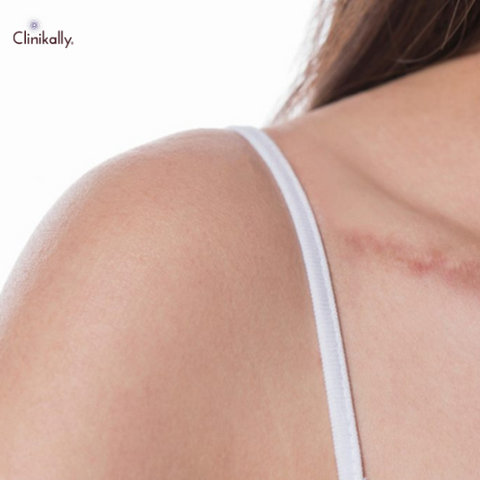
Investing time in fine-tuning your skincare for a healthier neck is an investment in the look and health of your skin. By adding gentle cleansing, correct hydration, sun protection, and spot treatments for problem areas that are friction-prone, you can effectively lower the risk of having skin tags and other skin blemishes. Regular monitoring and care, combined with a thoughtful skincare approach, will ensure your neckline stays smooth, healthy, and youthful. Whether you’re addressing existing concerns or taking preventive measures, these practices will support your skin’s natural beauty and keep your neckline looking its best for years to come.