Secrets to Glass Skin: Dermatologists' Guide to Radiant, Flawless Complexion

Achieving smooth, clear, and glowing skin is a skincare goal for many people. Inspired by Korean beauty trends, glass skin has become a popular term used to describe skin that looks exceptionally hydrated, smooth, and naturally radiant. While social media often portrays glass skin as a flawless, poreless complexion, healthy skin naturally has pores and texture. The real goal is to improve your skin's overall health, so it appears brighter, smoother, and more luminous over time.
In this blog, we explain what glass skin is, what gives skin its luminous appearance, the best ingredients and skincare routine to support healthy skin, professional treatments that may help, common mistakes to avoid, healthy lifestyle habits, and when to see a dermatologist.
What Is Glass Skin?

The term glass skin originated in Korean beauty (K beauty) culture and describes skin that looks exceptionally smooth, well hydrated, clear, and naturally radiant. The name comes from the way healthy skin reflects light evenly, giving it a luminous, almost glass-like appearance. Rather than being completely poreless or flawless, glass skin is a sign of skin that appears healthy, balanced, and well cared for.
It is important to understand that glass skin is not about covering imperfections with heavy makeup or achieving unrealistic beauty standards. Instead, it is the result of consistent skincare that supports skin hydration, strengthens the skin barrier, encourages gentle exfoliation, and promotes an even skin tone. When the skin is well hydrated and its protective barrier functions properly, it looks smoother, feels softer, and reflects light more evenly, creating a healthy, natural glow.
What Gives Skin a Glass-Like Appearance?
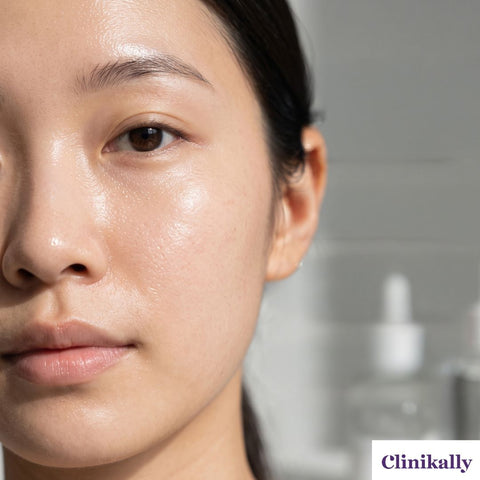
Healthy, radiant skin is not the result of a single product or treatment. It is influenced by several factors that work together to create a smooth, luminous complexion. Dermatologists often look for the following characteristics when assessing skin that has a healthy, glass-like appearance:
-
Optimal Skin Hydration: Well hydrated skin appears plumper, smoother, and naturally radiant. Adequate moisture helps the skin reflect light more evenly.
-
A Healthy Skin Barrier: A strong skin barrier locks in moisture and protects against environmental stressors, helping the skin stay smooth, soft, and healthy.
-
Smooth Skin Texture: Regular, gentle exfoliation removes dead skin cells, revealing a smoother surface that reflects light better.
-
An Even Skin Tone: An even complexion with minimal pigmentation, redness, or post acne marks enhances the skin's natural radiance.
-
Balanced Oil and Moisture Levels: Healthy skin maintains the right balance of natural oils and hydration, creating a fresh glow without looking greasy.
Is Glass Skin Really Possible?
The short answer is yes, but with realistic expectations.
Everyone has a unique skin type, pore size, and genetic makeup. Healthy skin naturally has texture, visible pores, and occasional blemishes. Achieving glass skin is not about eliminating these natural features or striving for perfection. Instead, it is about helping your skin become healthier, better hydrated, smoother, and more radiant.
While results vary from person to person, dermatologists agree that most people can improve their skin's clarity, hydration, and overall radiance by following a consistent skincare routine tailored to their skin type. With patience and the right approach, healthier, glowing skin is an achievable goal.
Best Ingredients for Glass Skin
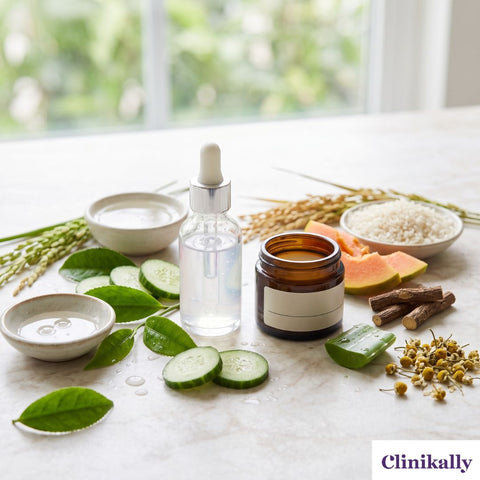
There is no single ingredient that can give you glass skin overnight. Healthy, radiant skin is built by using ingredients that hydrate the skin, support the skin barrier, improve texture, and promote a more even complexion. The table below highlights some of the most effective dermatologist recommended ingredients and how they contribute to healthier looking skin.
|
Ingredient |
How It Helps |
Best For |
|
Hyaluronic Acid |
Attracts and retains moisture, leaving the skin plumper, smoother, and well hydrated. |
All skin types, especially dry or dehydrated skin. |
|
Ceramides |
Strengthen the skin barrier and help prevent moisture loss. |
Dry, sensitive, or barrier damaged skin. |
|
Niacinamide (Vitamin B3) |
helps reduce the appearance of enlarged pores. |
Oily, combination, acne prone, and sensitive skin. |
|
Vitamin C |
Brightens the complexion, helps reduce the appearance of dark spots, and provides antioxidant protection against environmental damage. |
Dull skin and uneven skin tone. |
|
Alpha Hydroxy Acids (AHAs) |
Gently exfoliate dead skin cells to improve skin texture and enhance radiance. |
Dull skin, rough texture, and mild pigmentation. |
|
Beta Hydroxy Acids (BHAs) |
Exfoliate inside pores to reduce excess oil and help prevent clogged pores and breakouts. |
Oily and acne prone skin. |
|
Squalane |
Lightweight emollient that helps reduce moisture loss and supports a healthy skin barrier. |
Dry, dehydrated, and sensitive skin. |
|
Centella Asiatica (Cica) |
Helps soothe irritation and supports skin barrier recovery. |
Sensitive, irritated, or reactive skin. |
|
Improve skin cell turnover, refine skin texture, and help reduce the appearance of fine lines and uneven pigmentation over time. |
Normal, combination, and ageing skin. Introduce gradually and use under professional guidance if you have sensitive skin. |
Remember that you do not need every ingredient in your skincare routine. Choosing products based on your skin type and concerns is more effective than using multiple active ingredients at once. If you are unsure which ingredients are right for your skin or have persistent concerns such as acne, pigmentation, or sensitivity, consult a dermatologist for personalised recommendations.
Dermatologist-Recommended Glass Skin Routine
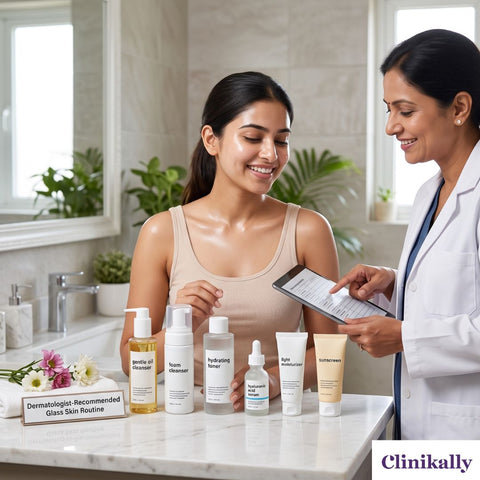
Achieving glass skin is not about following a complicated skincare routine or using countless products. Instead, it comes from choosing the right products for your skin type and using them consistently. A dermatologist recommended routine focuses on cleansing, hydration, barrier support, sun protection, and gentle exfoliation. These steps work together to improve skin texture, maintain moisture balance, and strengthen the skin barrier over time.
-
Cleanse Gently: Cleanse your face once or twice daily with a gentle cleanser, depending on your skin type and dermatologist's advice.
-
Hydrate: Apply a hydrating toner, essence, or serum after cleansing to restore moisture and keep skin plump and smooth.
-
Apply Targeted Treatments: Use serums for specific concerns. Vitamin C is best in the morning, niacinamide morning or night, and retinoids at night with gradual introduction.
-
Moisturize Daily: Lock in hydration with a moisturizer. Use lightweight, non-comedogenic formulas for oily skin and richer creams for dry skin.
-
Apply Sunscreen: Apply broad-spectrum SPF 30 or above every morning and reapply as needed to prevent sun damage and premature-aging.
-
Exfoliate in Moderation: Exfoliate 1-3 times weekly to remove dead skin cells. Prefer chemical exfoliants (AHAs/BHAs) and avoid over-exfoliating to protect the skin barrier.
A simple routine followed consistently is more effective than using multiple products or chasing every new skincare trend. Choose products that suit your skin type, be patient with the results, and focus on maintaining healthy skin rather than achieving perfection.
Professional Treatments That May Help
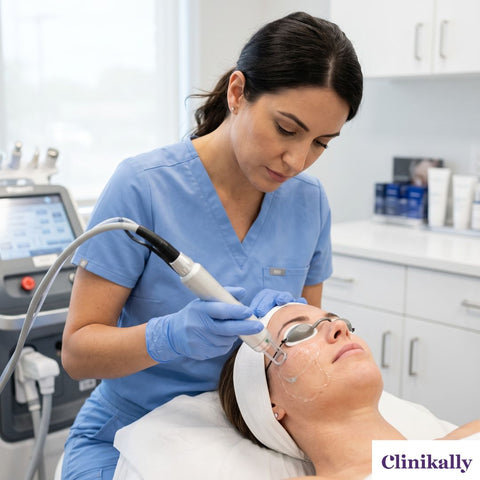
A consistent skincare routine is the foundation of healthy, radiant skin. However, concerns such as acne scars, uneven skin texture, stubborn pigmentation, or early signs of ageing may not always respond to topical skincare alone. In these cases, a dermatologist may recommend professional treatments based on your skin type, concerns, and treatment goals. Some of the most commonly recommended procedures include:
-
Hydrating Facials: These treatments cleanse, exfoliate, and replenish moisture. They may temporarily improve skin hydration and leave the skin looking smoother and more radiant.
-
Chemical Peels: These use acids like glycolic, lactic, or salicylic acid to exfoliate the skin, improving texture, mild pigmentation, post-acne marks, and dullness while promoting skin renewal.
-
Microneedling: This creates tiny controlled micro-injuries to stimulate collagen, helping improve acne scars, enlarged pores, fine lines, and uneven texture over time.
-
Skin Boosters: These are injectable hyaluronic acid treatments that may improve skin hydration and skin texture, helping the skin appear smoother and more radiant. Results vary from person to person.
Professional treatments should always be performed by a qualified dermatologist or trained healthcare professional after a thorough skin assessment. While these procedures can enhance skin quality, they work best when combined with a consistent skincare routine, daily sun protection, and healthy lifestyle habits.
Common Mistakes That Can Stop You from Achieving Glass Skin
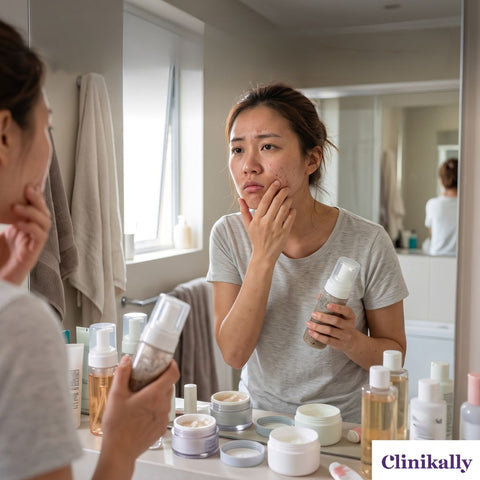
Using the right skincare products is only part of the journey. Certain habits can weaken your skin barrier, reduce hydration, and make it harder to achieve healthy, glowing skin. If your skin is not responding as expected, one or more of the following mistakes may be getting in the way:
-
Over Exfoliating Your Skin: It can damage the skin barrier, causing dryness, irritation, and sensitivity. Limit exfoliation to 1-3 times weekly with a gentle chemical exfoliant.
-
Using Too Many Active Ingredients: Layering multiple actives can irritate the skin. Introduce products slowly and avoid combining strong actives unless advised by a dermatologist.
-
Applying Skincare in the Wrong Order: Apply skincare from thinnest to thickest for proper absorption and effectiveness.
-
Skipping Moisturizer: Moisturizer is essential for all skin types. It locks in hydration, supports the skin barrier, and prevents moisture loss.
-
Expecting Overnight Results: Healthy skin takes time. Most skincare ingredients require several weeks of consistent use before noticeable improvements appear.
-
Skipping Daily Sunscreen: UV exposure causes pigmentation, uneven tone, and premature ageing. Use SPF 30 or above broad-spectrum sunscreen daily to protect your skin.
Small, consistent habits often have a greater impact than following complicated skincare trends. Focus on protecting your skin barrier, using products correctly, and giving your routine enough time to deliver visible results.
Lifestyle Habits That Support Healthy, Glowing Skin

A good skincare routine is important, but healthy lifestyle habits also play a key role in maintaining radiant skin. Daily choices such as staying hydrated, eating a balanced diet, getting enough sleep, and managing stress can support your skin's overall health. To support healthy, glowing skin from the inside out, make these habits part of your daily routine:
-
Drink Enough Water: Stay hydrated to support healthy skin. Water alone won’t create glass skin, but it helps maintain normal skin function.
-
Eat a Balanced, Nutrient Rich Diet: Eat fruits, vegetables, whole grains, lean proteins, and healthy fats. Nutrients such as antioxidants, vitamins, and omega 3 fatty acids support overall skin health and help maintain a healthy skin barrier.
-
Prioritize Quality Sleep: Get 7-9 hours of sleep nightly. Sleep supports skin repair and helps keep it healthy and refreshed.
-
Manage Stress: Chronic stress can affect skin and may trigger acne. Exercise, meditation, or deep breathing can help manage stress.
-
Keep Everyday Items Clean: Clean your phone, makeup brushes, and pillowcases regularly to help reduce the transfer of oil, dirt, and bacteria to your skin.
Healthy, glowing skin is usually the result of consistent daily habits rather than quick fixes. Combining a balanced lifestyle with a dermatologist recommended skincare routine can help you achieve and maintain healthier, more radiant skin.
When Should You See a Dermatologist?
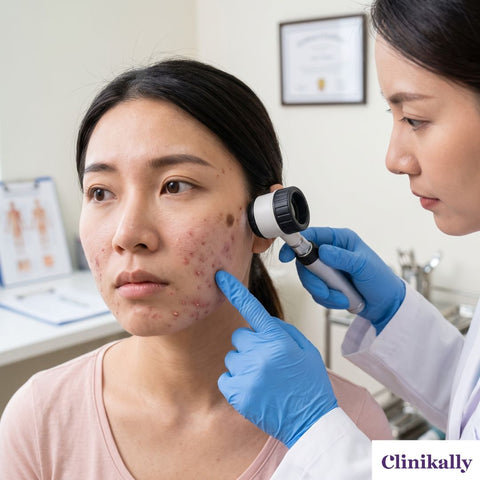
A consistent skincare routine and healthy lifestyle habits can improve your skin's hydration, texture, and overall appearance. However, some skin concerns require professional evaluation and treatment. If your skin is not improving despite following a suitable routine, consider seeing a dermatologist if you notice any of the following:
-
Persistent or Painful Acne: Acne that doesn’t improve with over-the-counter products or causes scarring may need prescription or professional treatment.
-
Stubborn Pigmentation or Dark Spots: Dark spots, melasma, or post-acne marks that don’t fade may require dermatologist-guided care.
-
Ongoing Redness or Skin Irritation: Persistent redness, burning, itching, or conditions like rosacea or eczema should be evaluated by a dermatologist.
-
Sudden Rashes or Allergic Reactions: New rashes, peeling, swelling, or reactions after skincare use should be checked. Stop the product and seek medical advice if symptoms persist.
-
Uncertainty About Your Skincare Routine: If you’re unsure about products or ingredients, a dermatologist can help build a personalised routine.
A dermatologist can identify the cause of your concerns and recommend appropriate treatment, including prescriptions, procedures, or routine changes. Early consultation can improve outcomes and reduce the risk of long-term skin damage or scarring.
Final Thoughts
Achieving glass skin is not about finding a magic product or chasing perfect skin. It is about keeping your skin healthy, well hydrated, and protected with daily sun protection. A simple skincare routine, daily sunscreen, and healthy lifestyle habits can help your skin look smoother and more radiant over time.
Be patient and stay consistent with your routine. If you have ongoing concerns such as acne, pigmentation, or skin sensitivity, consult a dermatologist for the right advice and treatment. Healthy skin, not flawless skin, is the real secret to achieving a natural glow.