5 Best Serums for Dark Spots: Dermatologist’s Picks
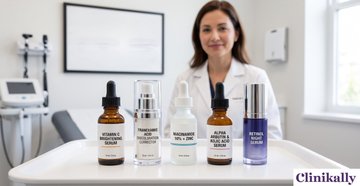
Struggling with stubborn dark spots, acne marks, or uneven patches that refuse to fade? You’re certainly not alone. Hyperpigmentation is one of the most common skin concerns today. Fortunately, integrating a targeted dark spot serum into your daily routine can dramatically enhance your skin’s clarity, radiance, and natural glow. Serums packed with high-potency active ingredients like Niacinamide, Vitamin C, and Alpha Arbutin penetrate deep within the skin to inhibit excess melanin production, helping to restore a smooth, even-toned complexion.
In this blog post, we’ll talk about how dark spots form, how specialized serums work to lighten them, and the exact ingredients to look for on product labels to achieve optimal results. Plus, we break down the list of 5 Best Serums for dark spots recommended by dermatologists, compare them against traditional creams, share practical tips for choosing the right formula for your skin type, and explain how to prevent dark spots from returning.
What Causes Dark Spots on the Skin?
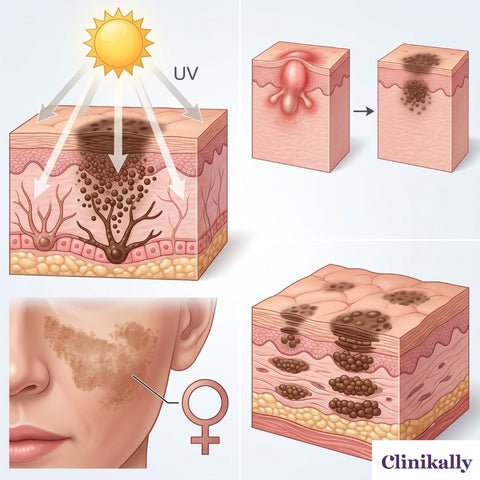
Dark spots form when skin cells overproduce melanin, the natural pigment responsible for skin color. Common triggers include:
-
UV Radiation: Unprotected sun exposure accelerates melanin production, leading to age spots, freckles, and sunspots.
-
Post-Inflammatory Hyperpigmentation (PIH): Stubborn marks left behind after acne breakouts, cuts, or eczema flare-ups heal.
-
Hormonal Fluctuations: Shifts caused by pregnancy, oral contraceptives, or hormone therapy, which often trigger melasma.
-
Natural Aging: A combination of cumulative sun damage and slowing cell turnover that causes dark spots to surface over time.
How Does a Serum Help Fade Dark Spots?
A dedicated serum to remove dark spots is formulated with small molecular structures that penetrate deeper into the epidermis than standard creams. These potent formulations work through three primary mechanisms:
-
Inhibiting Tyrosinase: Slowing down the enzyme responsible for melanin synthesis.
-
Blocking Pigment Transfer: Preventing melanin from moving into visible surface skin cells.
-
Exfoliating & Renewing: Speeding up cellular turnover to shed existing pigmented cells faster.
Best Ingredients to Look for in a Dark Spot Serum
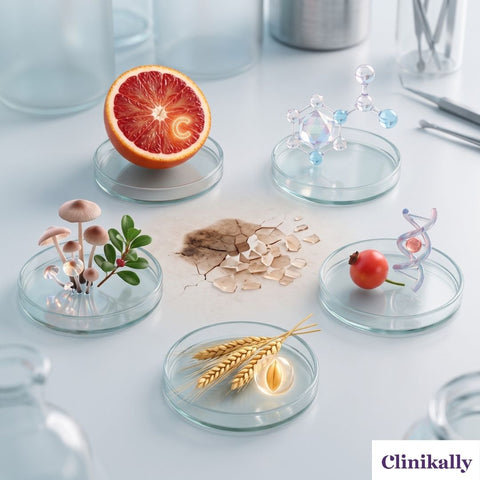
The effectiveness of a dark spot serum comes down to its active ingredients. Look for these proven, dermatologist-backed actives when choosing a formula for hyperpigmentation:
-
Niacinamide (Vitamin B3): Reduces the transfer of melanin to skin cells, calms inflammation, and strengthens the skin barrier. Works well for acne marks, redness, and enlarged pores.
-
Vitamin C: A powerful antioxidant that inhibits tyrosinase activity, brightens overall tone, and protects against free radical damage from UV and pollution.
-
Alpha Arbutin: A gentle, naturally derived tyrosinase inhibitor that slows melanin production without irritating sensitive skin, making it a safer option for long-term use.
-
Tranexamic Acid: Especially effective for melasma and hormone-triggered pigmentation, as it blocks the pathway that stimulates excess melanin production.
-
Kojic Acid: Derived from fungi, it interferes with melanin synthesis and is often paired with other brightening agents for enhanced results.
-
Alpha Hydroxy Acids (AHAs) like Glycolic or Lactic Acid: Exfoliate the skin's surface, speeding up cell turnover so pigmented cells shed faster and fresh, even-toned skin emerges.
-
Licorice Root Extract: A natural brightening agent that soothes irritation while gently inhibiting pigment production, ideal for reactive or sensitive skin types.
5 Best Serums for Dark Spots
There are a vast number of dark spot serums available in the market, renowned for their different benefits, and properties. Thus, choosing the best serums for dark spots becomes a hectic task, and requires specific knowledge about your condition, and skin type. But to ease your search, here are some of the best serums for dark spots recommended by dermatologists for their efficient formulation and promising results.
|
Product Name |
Main Ingredients |
Primary Benefits |
|
Niacinamide (10%), Bisbolo, Epidermosil (1%) |
Reduces appearance of post-acne marks, regulates sebum, and fortifies moisture barrier. |
|
|
4-N-Butylresorcinol, Alpha Arbutin, Licorice Extract |
Visibly lightens stubborn hyperpigmentation, sunspots, and melasma patches. |
|
|
Diglucosyl Gallic Acid, Niacinamide, Alpha Arbutin |
Removes dark discoloration, protects from harmful sun rays, and increases skin glow. |
|
|
Niacinamide, Alpha Arbutin, Piper Longum Fruit Extract |
Targets deep pigmentation, fades spots, and promotes a uniform complexion. |
|
|
Tranexamic Acid, Niacinamide, Glycolic Acid |
Inhibits excess melanin synthesis, reduces pigmentation, and restores glow. |
1. Clinikally The Ultimate NIA (10% Niacinamide) Serum
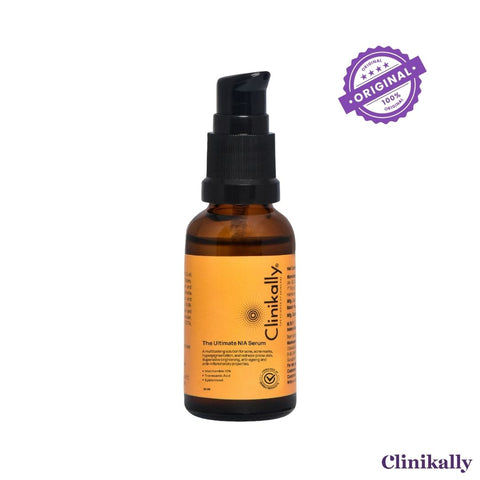
It’s an advanced, multi-tasking dermatological treatment specifically formulated to target stubborn post-acne marks, redness, uneven skin texture, and persistent hyperpigmentation. It’s considered among some of the best serums for dark spots, due to its advanced formulation and multitasking work mechanism.
Benefits:
-
Effectively fades post-acne marks, dark spots, and hyperpigmentation.
-
Regulates excess sebum production to help clear and prevent active breakouts.
-
Soothes inflamed, irritated, and sensitive skin while reducing redness.
-
Strengthens and repairs the natural moisture barrier to lock in hydration.
-
Smooths rough skin texture and improves overall elasticity.
Best For: All skin types dealing with post-acne marks, oily or acne-prone skin, enlarged pores, and redness.
2. Brilante Max Skin Brightening Serum
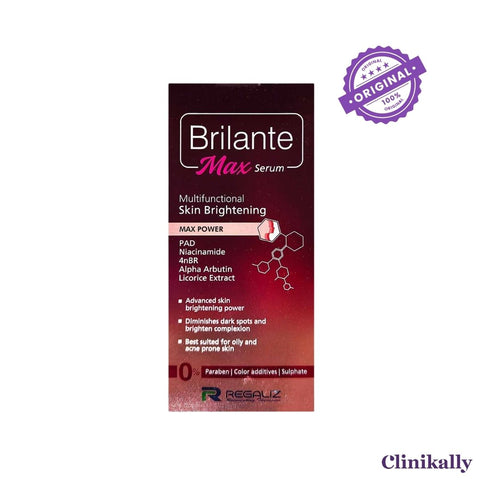
This Serum is a high-potency depigmenting formula crafted to lighten stubborn dark spots visibly, target melasma patches, and revive dull, tired skin for a radiant tone.
Benefits:
-
Visibly diminishes stubborn hyperpigmentation, sun spots, and dark patches.
-
Promotes an even, luminous, and visibly brighter complexion.
-
Provides powerful antioxidant defense to shield against daily environmental damage.
-
Delivers lightweight hydration that absorbs fast without leaving a greasy residue.
-
Refines surface roughness to improve natural light reflection and skin smoothness.
Best For: Hyper-pigmented skin, sun-damaged complexions, and dull tones needing intensive spot-lightening care.
3. Truderma Absolute Radiance Serum
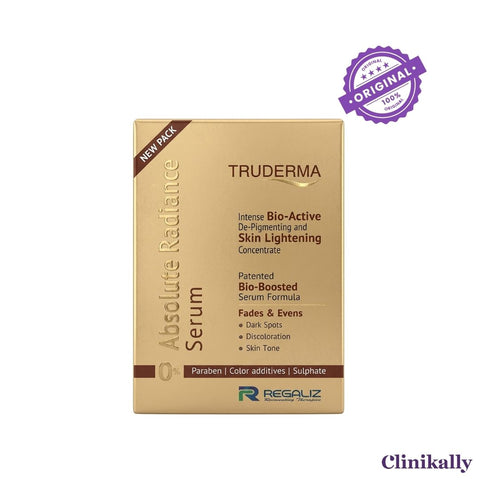
It’s a clinical-grade skin-brightening serum formulated to reverse visible sun damage, target age spots, and halt dark spot formation at the cellular level.
Benefits:
-
Fades dark spots, sunspots, and persistent melasma patches.
-
Helps suppress acne-induced post-inflammatory hyperpigmentation.
-
Neutralizes free radicals to protect skin cells from UV-induced oxidative stress.
-
Prevents future dark spots and uneven discoloration from surfacing.
-
Hydrates deeply to restore a soft, supple, and radiant outer skin texture.
Best For: Melasma, stubborn sunspots, and skin prone to severe hyperpigmentation.
4. Omnifade Intensive Brightening & Depigmenting Serum
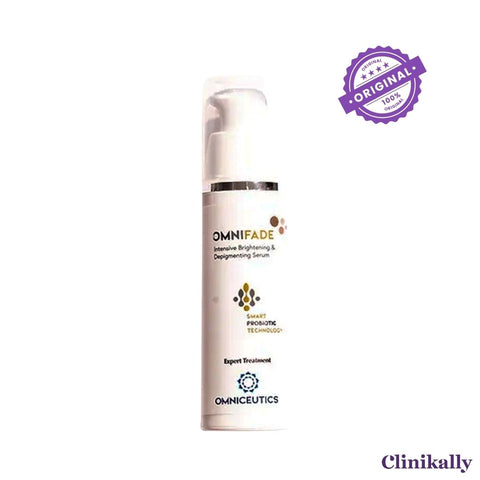
It is a multi-action night serum designed to break down deep-set melanin clusters, refine skin texture, and restore natural luminosity.
Benefits:
-
Fades chronic hyperpigmentation, deep-set dark spots, and uneven patches.
-
Refines coarse skin texture while minimizing the appearance of enlarged pores.
-
Supports a healthy skin barrier and microbiome to reduce future spot triggers.
-
Enhances natural skin radiance and clarity overnight.
-
Protects skin against premature aging and environmental stress.
Best For: Persistent, chronic hyperpigmentation, severe brown spots, and uneven skin texture.
5. Texlite Skin Brightening Face Serum
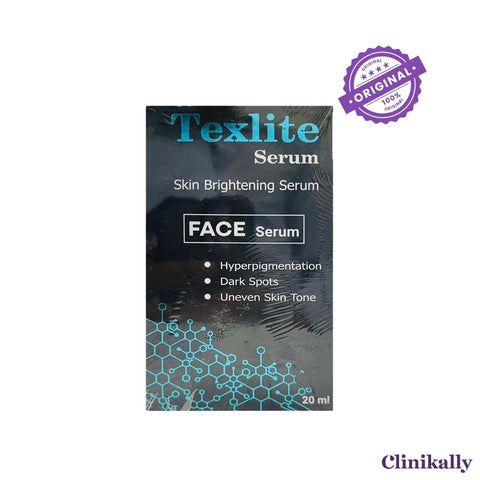
This dermatologist-approved serum is formulated to gently exfoliate dull surface layers while fading dark spots, tanning, and melasma marks.
Benefits:
-
Reduces stubborn dark spots, acne scars, and uneven pigmentation patches.
-
Gently exfoliates dead surface cells to reveal a smooth, glowing complexion.
-
Lightens tanning and compensates for sun-induced discoloration.
-
Boosts skin barrier resilience while helping to tighten enlarged pores.
-
Restores immediate skin clarity and overall tone uniformity.
Best For: Mild to moderate dark spots, post-acne marks, sun tan, and dull, uneven skin.
How to Choose the Best Serum for Dark Spots
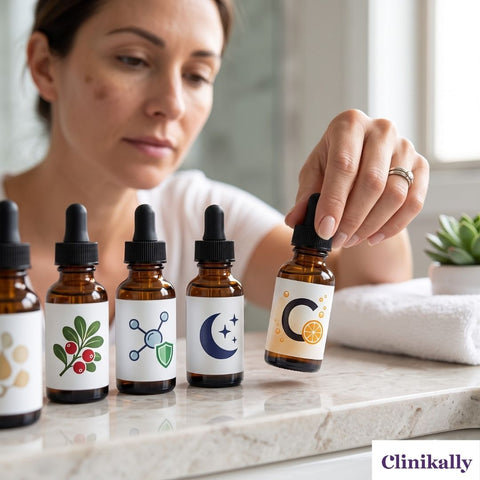
Finding the right dark spot serum requires the understanding of potent active ingredients and your unique skin type, sensitivity levels, and the underlying cause of your hyperpigmentation for safe, visible, and effective results.
-
Target the Root Cause: Choose key ingredients like Niacinamide for acne marks, Tranexamic Acid for melasma, or Vitamin C for sun spots to target your specific concern.
-
Assess Your Skin Sensitivity: Opt for gentler actives like Alpha Arbutin if you have sensitive skin, reserving stronger exfoliating acids for resilient skin types to avoid irritation.
-
Check the Active Concentration: Look for clinically effective concentrations, such as 5-10% Niacinamide or 2% Alpha Arbutin, to ensure maximum efficacy without compromising your moisture barrier.
-
Select a Lightweight Texture: Pick fast-absorbing, non-comedogenic liquid formulations that easily layer under your daily moisturizer and sunscreen without clogging pores or causing breakouts.
-
Verify Synergistic Formulations: Choose products containing complementary antioxidants or hydrating ingredients like Hyaluronic Acid to soothe the skin while actively fading dark stubborn patches.
Serum vs Cream for Dark Spots: Which Is Better?
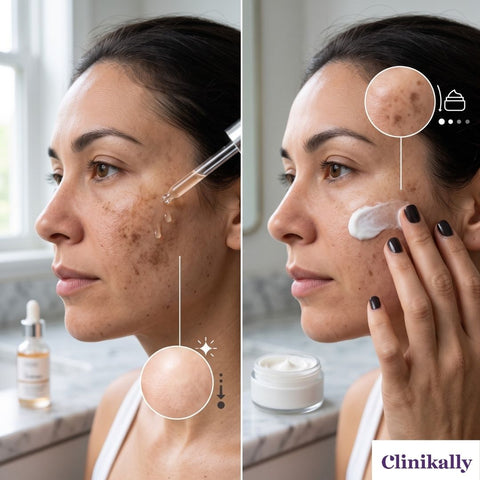
|
Feature |
Dark Spot Serum |
Dark Spot Cream |
|
Texture |
Lightweight, fluid, fast-absorbing |
Richer, emulsion-based, occlusive |
|
Active Concentration |
High concentration of targeted actives |
Moderate active concentration |
|
Penetration Depth |
Penetrates deeper skin layers |
Works primarily on outer surface layers |
|
Primary Function |
Correcting specific pigment issues |
Barrier repair and surface hydration |
|
Best Used As |
Treatment step after cleansing |
Sealing step over serums |
Tips to Prevent Dark Spots From Coming Back
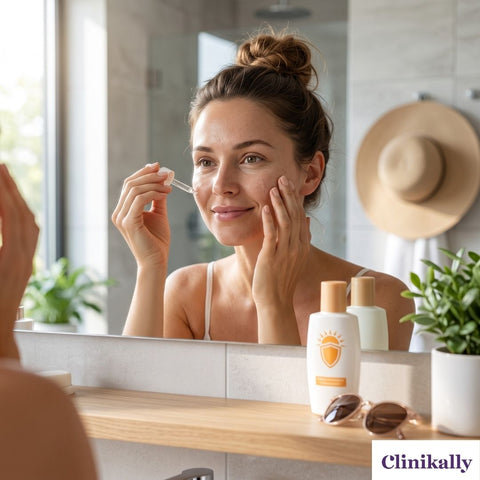
Preventing hyperpigmentation from returning requires daily sun protection, avoiding skin trauma, and maintaining a consistent skincare routine to keep melanin production balanced and controlled long-term.
-
Apply Broad-Spectrum Sunscreen Daily: Wear an SPF 30 or higher every morning to shield skin from harmful UV rays that trigger and darken melanin production.
-
Never Pick or Pop Acne: Avoid squeezing blemishes or scratching wounds, as localized inflammation directly causes stubborn post-inflammatory hyperpigmentation marks to form.
-
Incorporate Daily Antioxidants: Layer a Vitamin C serum under your morning sunscreen to neutralize free radicals, environmental pollution, and oxidative stress before pigment forms.
-
Avoid Harsh Physical Scrubbing: Steer clear of aggressive physical scrubs that cause micro-tears and inflammation, favoring gentle chemical exfoliants like Lactic or Salicylic acid instead.
-
Maintain Ongoing Treatment Consistency: Continue using mild pigment-inhibiting ingredients regularly, even after spots fade, to keep excess melanin synthesis permanently at bay.
Final Thoughts: Say Goodbye to Dark Spots
Dark spots do not have to be permanent. With the right care, discoloration caused by sun damage, acne scars, hormones, or aging will gradually fade over time.
For best results, pair your treatment serum with daily sunscreen and a gentle routine that prevents further irritation. Keep in mind that real change takes patience, as most active ingredients require 6 to 8 weeks to show visible results. A serum is an essential part of a long-term strategy rather than an overnight fix. If you have sensitive skin or stubborn melasma, consulting a dermatologist is always the safest first step toward achieving a healthy, even-toned complexion.