6 Best Serums for Oily Skin Recommended by Dermatologists
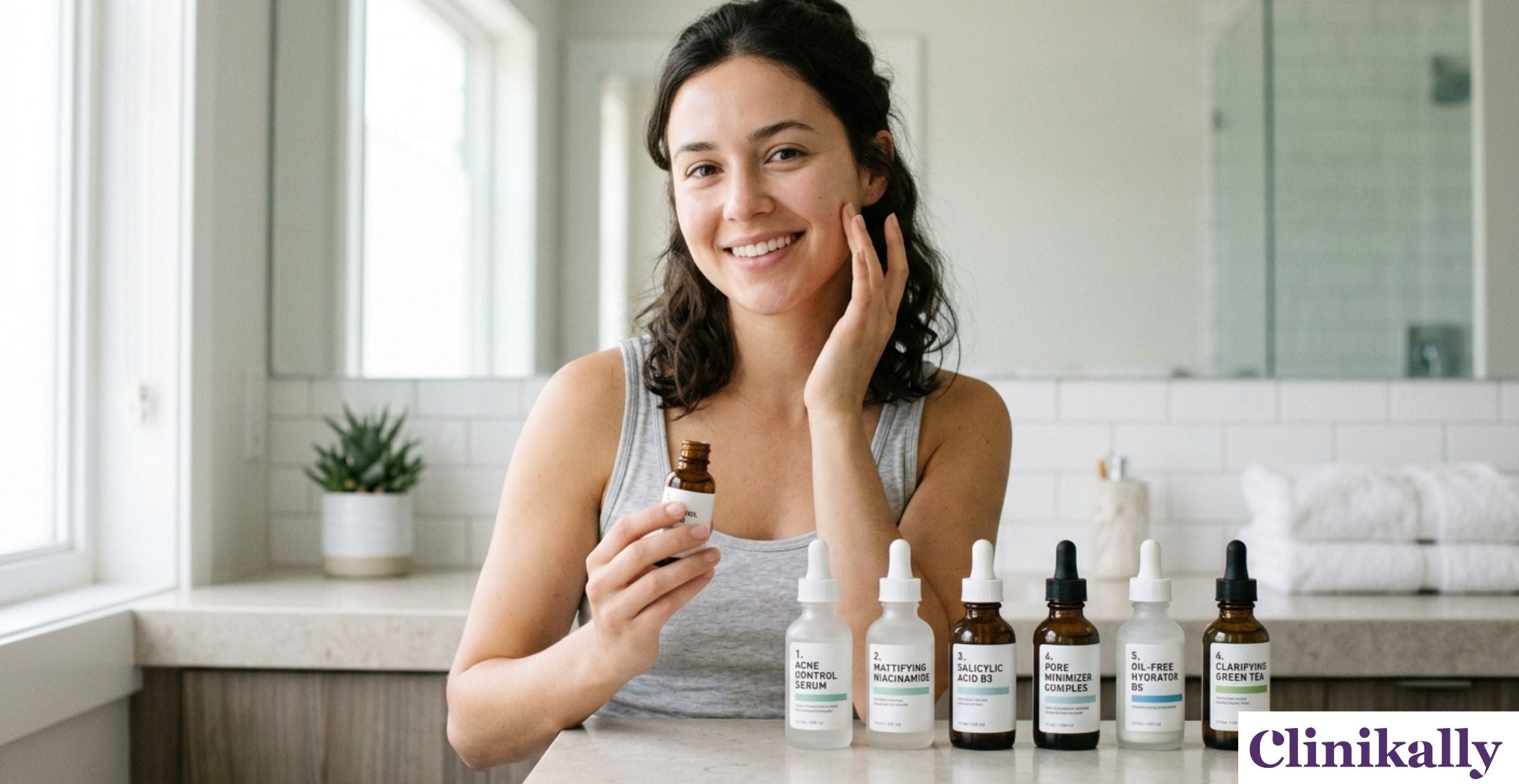
Oily skin can feel like a non-stop battle against midday shine, enlarged pores, and unexpected breakouts. When your sebaceous glands go into overdrive, it’s easy to assume the solution is to strip away all moisture with harsh cleansers. However, over-cleansing actually backfires; it signals your skin to produce more oil to compensate, creating a frustrating, endless cycle.
That’s where serums come in. Unlike heavy creams that can sit on top of the skin and clog pores, serums are lightweight, fast-absorbing formulas packed with concentrated active ingredients like Niacinamide, Salicylic Acid, and Hyaluronic Acid. They penetrate deeper to regulate excess sebum, refine skin texture, and restore hydration without feeling greasy or heavy. In this blog, we’ll talk about some of the best serums for oily skin that deliver real results, control shine, and keep your complexion clear and balanced.
Types of Serums & Their Role in Managing Oily Skin
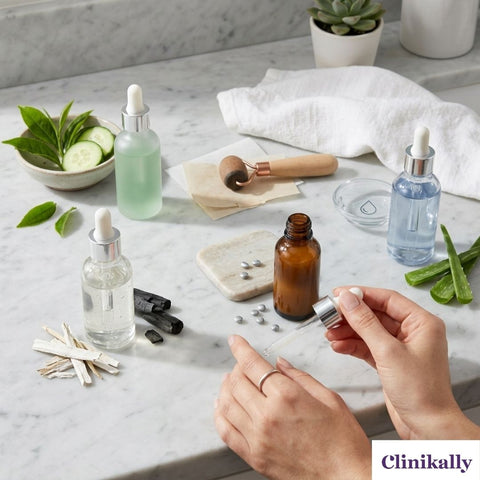
While a cleanser and moisturizer are your skincare basics, a serum is your problem-solver. If you suffer from constant shine, stubborn breakouts, or enlarged pores, adding a targeted serum is the single best tool dermatologists recommend to fix the root cause rather than just wiping away oil on the surface. There are a variety of serums recommended for oily skin with their different specifications and benefits, let’s have a look:
1. Niacinamide (Vitamin B3) Serum
Niacinamide is a water-soluble vitamin that helps control shine and keeps the skin barrier healthy. Niacinamide serums act directly on the oil glands to slow down overproduction. It also helps your skin retain moisture, which prevents it from getting irritated or damaged. Clinical studies, including research published in the Journal of Cosmetic and Laser Therapy, show that applying a 2% niacinamide serum significantly reduces surface oiliness within just two to four weeks.
2. Salicylic Acid (BHA) Serum
Salicylic acid is a Beta-Hydroxy Acid (BHA) that is oil-soluble, making it ideal for clearing out clogged pores. Because it dissolves in oil, salicylic acid can travel deep into your pores to break down the mix of excess oil and dead skin cells. This keeps pores clear and prevents blackheads and breakouts before they start. Studies featured in Dermatologic Surgery confirm that 0.5% to 2% salicylic acid serums effectively clear out trapped oils, reduce breakouts, and smooth skin texture.
3. Hyaluronic Acid Serum
Oily skin can still be dehydrated (lacking water). When your skin is thirsty, it often produces more oil to make up for it. Hyaluronic acid acts like a sponge, pulling water into the deeper layers of your skin. It hydrates your skin completely without adding heavy oils or clogging pores. Research published in the Journal of Clinical and Aesthetic Dermatology shows that restoring moisture balance with humectants like hyaluronic acid hydrates the outer skin layers without clogging pores, preventing the compensatory shine caused by surface dehydration.
4. Retinol (Vitamin A) Serum
Retinol, a derivative of Vitamin A, is widely recognized as a powerhouse ingredient for both acne management and anti-aging due to its deep cellular activity. Retinol speeds up cellular turnover, helping the skin shed dead cells faster so they do not combine with oil to clog pores. Furthermore, it targets the sebaceous glands directly, helping suppress excessive oil production over time. Clinical studies published in Advances in Dermatology and Venereology show that topical retinoids reduce follicular plugging and downregulate oil gland activity, making them effective at clearing active breakouts and preventing new ones.
5. Vitamin C (L-Ascorbic Acid) Serums
Vitamin C is a potent antioxidant that plays a crucial role in preventing the inflammatory cycles caused by excess oil. Sebum (skin oil) becomes particularly problematic when it oxidizes on the skin surface, which clogs pores and triggers inflammatory acne. Vitamin C neutralizes free radicals, stopping oil oxidation before it leads to breakouts, while simultaneously fading post-acne dark marks. Research featured in the Journal of Clinical and Aesthetic Dermatology highlights that stable Vitamin C formulations significantly decrease lipid oxidation on the skin, helping calm inflammation and control sebum-driven blemishes.
Top 6 Serums for Oily Skin: Dermatologist’s Picks
Finding the best serum for your oily skin requires the understanding of the key ingredients, your specific concerns, and your skin’s reactivity to the formulation. Thus to simplify your search, here are some of the best serums for oily skin recommended by dermatologists:
|
Product Name |
Key Ingredient(s) |
Benefits for Oily Skin |
|
10% Niacinamide, Licorice Extract, Zinc PCA |
Directly regulates excess sebum production, minimizes the appearance of enlarged pores, and strengthens the skin barrier. |
|
|
Vitamin C (Triple C Complex), Olive Oil, Glycerin |
Provides lightweight antioxidant protection to prevent sebum oxidation and combat breakouts, though individuals with highly acne-prone skin should note its inclusion of nourishing plant oils like olive oil. |
|
|
Polydeoxyribonucleotide (PDRN), Vitamin C, Ferulic Acid |
Delivers tissue repair and brightening benefits in an ultra-lightweight, watery formulation that absorbs instantly without weight. |
|
|
10% Azelaic Acid, Propylene Glycol, Glycerin |
Reduces oiliness, fades post-acne dark marks (PIH), calms inflammation, and prevents bacterial growth in acne-prone skin. |
|
|
Hyaluronic Acid, Epidermosil, D-Panthenol |
Delivers deep, oil-free hydration to replenish water levels, preventing the skin from overproducing oil due to dehydration. |
|
|
Azelaic Acid, Retinol, Glutathione, 4-Butylresorcinol, Ascorbyl Glucoside |
Fades stubborn hyperpigmentation and post-acne spots via a fast-absorbing, non-greasy delivery system tailored for oil-prone skin. |
1. Clinikally The Ultimate NIA Serum
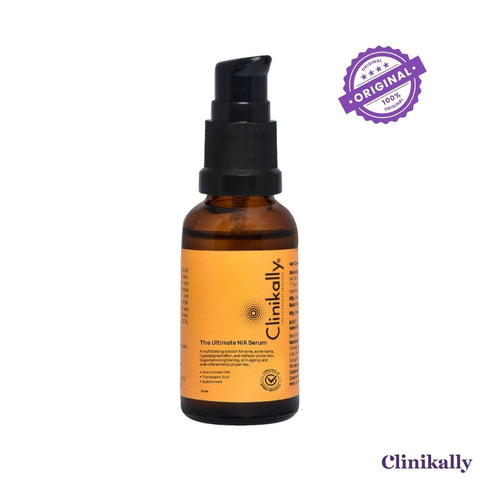
It’s a high-strength fluid formula that pairs Niacinamide with Zinc PCA and Licorice Extract to absorb quickly without feeling tacky or heavy.
10% Niacinamide combined with Zinc PCA acts directly on sebocytes to suppress overactive oil production and minimize pore size. Licorice Extract provides additional botanical brightening to fade red and dark post-acne marks.
-
Product Category: Niacinamide / Pore & Oil Control (You can also explore our detailed guide to the best niacinamide serums for oily skin.)
-
Who Should Use It: Perfect for individuals dealing with constant shine, visibly enlarged pores, active congestion, and uneven skin tone.
-
Who Should Avoid It: Anyone with highly sensitive skin or active eczema who has not previously built tolerance to a 10% concentration of Niacinamide.
2. Clinikally Vitamin C3+ Serum
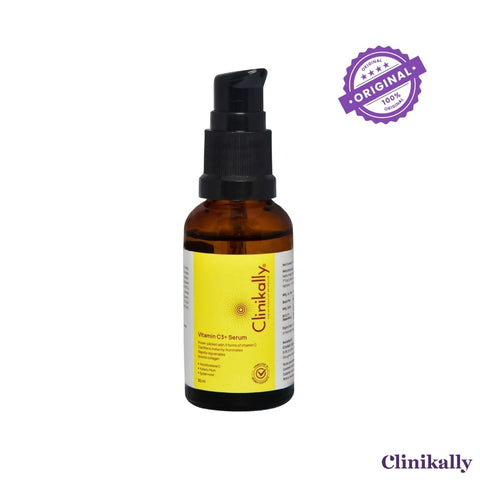
This serum for oily skin features a fast-absorbing liquid format designed to deliver active antioxidants with lightweight humectant support.
Liquid Vitamin C neutralizes free radicals and prevents sebum oxidation, stopping surface oil from hardening into blackheads and inflammatory blemishes. Glycerin ensures the skin barrier stays hydrated while Vitamin C works to brighten acne marks.
-
Product Category: Vitamin C / Antioxidant & Brightening (You can also explore our detailed guide to the best vitamin C serums for oily skin.)
-
Who Should Use It: Great for oily and dull skin types looking to protect against environmental damage, fade spots, and stop oil oxidation.
-
Who Should Avoid It: Those with active, open acne lesions that might sting upon contact with concentrated Vitamin C derivatives.
3. SeoulCeuticals PDRN + Vitamin C Face Serum
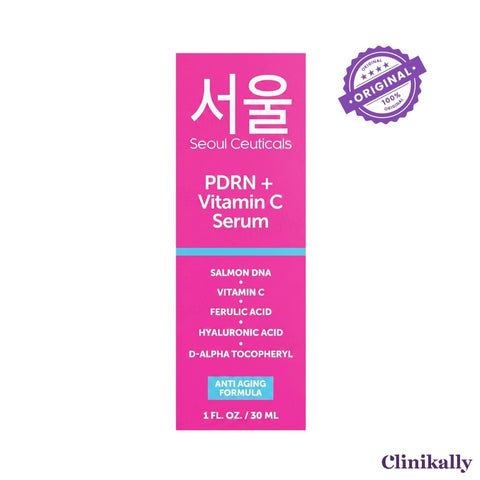
This is a fluid Asian-beauty serum with an ultra-lightweight, watery feel that sinks into the skin instantly with zero heavy residue.
PDRN accelerates cellular recovery, while Ferulic Acid works alongside Sodium Ascorbyl Phosphate (a gentle, shelf-stable Vitamin C derivative) to deliver targeted antioxidant defense and mild antimicrobial benefits against acne-causing bacteria. This combination repairs acne-damaged skin structure without adding heavy lipids.
-
Product Category: K-Beauty Hydration & Brightening
-
Who Should Use It: Ideal for combination to oily skin showing signs of acne scarring, early aging, or loss of radiance.
-
Who Should Avoid It: Skin that needs strong exfoliation or active pore unclogging, as this formula focuses on cellular restoration rather than deep pore clearing.
4. Aczee 10% Azelaic Acid Serum
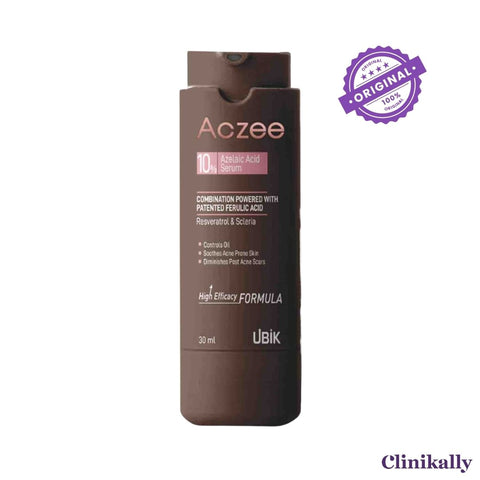
It’s a targeted anti-blemish treatment with a smooth, non-greasy finish that works exceptionally well under sunscreen and makeup.
Azelaic acid is a clinical favorite for its triple action: it is antibacterial, anti-inflammatory, and mildly keratolytic. It reduces acne-causing bacteria, calms active breakouts, and fades stubborn post-inflammatory hyperpigmentation.
-
Product Category: Blemish & Redness Control (Azelaic Acid)
-
Who Should Use It: Excellent for oily, acne-prone skin types suffering from frequent breakouts, rosacea, or dark spots left behind by old pimples.
-
Who Should Avoid It: Anyone with a severely damaged or compromised skin barrier, as initial applications of Azelaic Acid can cause mild tingling or dryness.
5. Clinikally Hyaluronic SkinBooster Serum
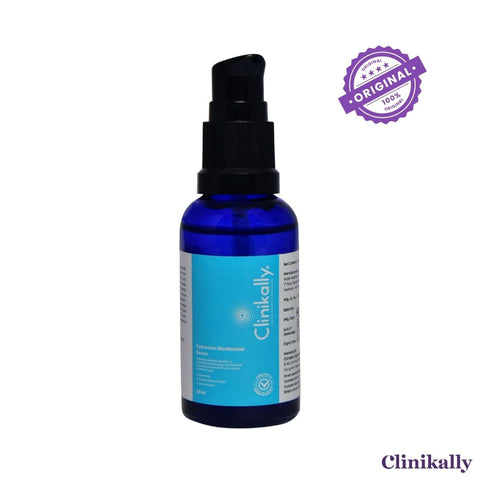
It’s a pure, oil-free hydrating serum containing multi-weight hyaluronic acid and soothing pro-vitamin B5 (D-Panthenol) with zero sticky feel.
Dehydrated skin often suffers from compensatory oil production, where oil glands overwork to make up for a lack of water. Epidermosil and D-Panthenol deliver deep hydration and soothe irritation, telling oil glands to slow down.
-
Product Category: Hyaluronic Acid (You can also explore our detailed guide to the best hyaluronic acid serums for oily skin.)
-
Who Should Use It: Dehydrated oily skin that feels tight or flaky on the inside but looks shiny on the surface.
-
Who Should Avoid It: Those living in extremely dry or desert climates, unless applied strictly to damp skin and sealed immediately with an oil-free moisturizer.
6. Actium Plus Depimax Serum
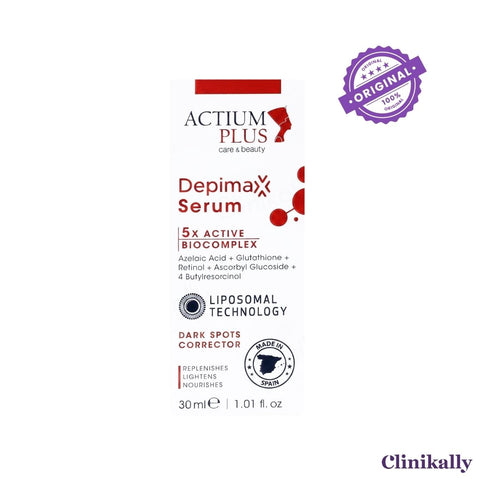
This advanced pigment-correcting serum is engineered for rapid absorption without clogging pores or leaving an oily film.
Post-inflammatory hyperpigmentation is a major issue for oily skin prone to acne. This serum uses targeted depigmenting actives to block excess melanin synthesis deep in the skin while antioxidants shield cells from further spot-darkening inflammation.
-
Product Category: Hyperpigmentation & Melasma Treatment
-
Who Should Use It: Best for oily skin types dealing with dark spots, stubborn sun patches, or melasma.
-
Who Should Avoid It: Highly sensitive or peeling skin that needs basic barrier repair before starting active brightening treatments.
How to Choose the Right Serum for Oily Skin?

Choosing the right serum for oily skin comes down to looking at your specific skin concerns, picking the right active ingredients, and choosing lightweight textures that will not clog your pores.
Here is how you can find the perfect match for your skin type without overcomplicating your routine.
1. Match the Ingredient to Your Main Skin Concern
Oily skin shows up differently for everyone. To get the best results, identify your biggest skin frustration and look for a serum built to address it:
-
For Excess Shine and Large Pores: Look for Niacinamide or Zinc PCA. Niacinamide slows down overactive oil production, tightens the look of stretched pores, and keeps your skin barrier healthy.
-
For Blackheads and Breakouts: Look for Salicylic Acid (BHA). Because Salicylic Acid dissolves in oil, it penetrates deep inside your pores to sweep away trapped oil and dead skin before pimples can form.
-
For Post-Acne Dark Spots: Look for Azelaic Acid or Vitamin C. These ingredients fade post-acne marks, balance your skin tone, and stop surface oil from oxidizing into blackheads.
-
For Shiny Yet Tight Skin: Look for Hyaluronic Acid. Oily skin can still lack water. Hyaluronic Acid floods your skin with moisture without adding heavy oils, stopping your skin from overproducing oil to make up for dehydration.
2. Pay Attention to Texture and Formulations
The consistency of a serum matters just as much as what is in it. Heavy creams and thick oils can easily sit on top of your skin and block your pores.
Always opt for water-based or fluid gel serums that list water or aloe as their main base. These formulations absorb into the skin within seconds, leaving a clean, weightless finish. It is also wise to look for formulas labeled non-comedogenic, which simply means the product has been tested not to clog pores.
3. Avoid Overloading Your Skin Barrier
It is tempting to throw every oil-fighting product at your face at once, but using too many active ingredients can strip your skin and cause severe irritation. When your skin barrier is damaged, your oil glands actually produce more oil to protect themselves.
Keep it simple by using a protective antioxidant or humectant in the morning (like Vitamin C or Hyaluronic Acid) and a single targeted treatment at night, alternating nights between exfoliants (like Salicylic Acid) and barrier-supportive actives (like Niacinamide) to avoid over-exfoliation. If you are new to stronger active ingredients like Azelaic Acid or Retinol, introduce them slowly two to three times a week so your skin can adjust.
4. Always Test First
Even oily skin can react poorly to new ingredients. Before applying a new serum all over your face, dab a small amount on your jawline or inner wrist for 24 hours to make sure you do not experience any redness, burning, or sudden breakouts.
Final Thoughts: Achieving Balanced, Oil-Free Skin
Managing oily skin is not about stripping away moisture. It is about providing your skin with the right kind of hydration. By choosing lightweight, water-based serums with dermatologist-backed ingredients like Niacinamide, Salicylic Acid, Hyaluronic Acid, and Vitamin C, you can effectively regulate oil production, unclog pores, and fade post-acne marks without clogging your skin. A targeted serum works alongside your basic cleanser and moisturizer to treat the root causes of excess shine, giving you a clear, healthy, and balanced complexion.
Note: Please consult a dermatologist before adding any new active products or serums to your daily skincare routine.