Silk Amino Acid Shampoos: Smoothing Strands at the Molecular Level
Doctor's Desk
Author
9 Dec, 2025
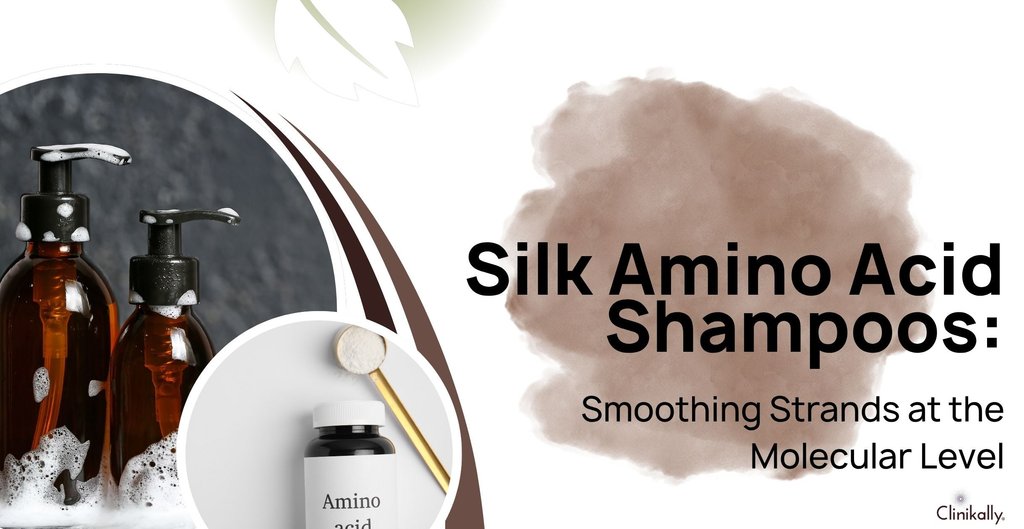
When it comes to hair care, we frequently hear about the advantages of different oils, shampoos, and treatments. However, one lesser-known key to healthier, more beautiful hair is the natural amino acids present in silk. This blog will look at how the amino acids found in beautiful mulberry silk can benefit your hair.
The Science of Silk Amino Acids: Revolutionizing Hair Care
In the ever-changing world of hair care, silk amino acids have emerged as a game-changing element, transforming how we nourish and treat our hair. These amino acids are derived from natural silk proteins and function at the molecular level to improve the health, texture, and appearance of hair. Understanding the science underlying silk amino acids allows us to see why they are soon becoming one of the most sought-after ingredients in high-performance shampoos and treatments.
What Are Silk Amino Acids? Unlocking Their Hair Benefits
Silk amino acids are tiny bioactive compounds produced from the proteins found in natural silk, specifically sericin and fibroin. These amino acids are necessary building ingredients that can work miracles when mixed into hair care products. Unlike larger proteins, silk amino acids are tiny enough to penetrate the hair shaft, making them very helpful for nourishing and repairing hair from within.
The following are the benefits of silk amino acids for hair:
-
Deep hydration and moisture retention: Silk amino acids are hydrophilic, which means they attract and retain water. When utilized in hair care products, these amino acids bind moisture to the hair, which is very helpful for dry or damaged strands. This ability to retain moisture aids in maintaining adequate hydration levels, preventing hair from becoming brittle or dry.
-
Strengthening and repairing hair: Because silk amino acids contain the same amino acids as keratin, they help rebuild and strengthen the hair shaft. Silk amino acids' small molecular size allows them to permeate the hair strand, supplying necessary amino acids that strengthen the internal structure of each hair fiber.
-
Smoothing the hair cuticle: The cuticle is the outermost covering of hair, made up of overlapping scales. When the cuticle becomes rough or raised as a result of damage or dehydration, the hair might appear dull, frizzy, and lifeless. Silk amino acids serve to smooth the cuticle, resulting in a bright, glossy surface that reflects light.
-
Improving hair elasticity: Silk amino acids create a protective barrier for the hair, allowing it to retain its natural elasticity and flexibility. This is critical for avoiding breakage, particularly while combing, styling, and washing.
-
Frizz control and static reduction: Frizzy hair is generally caused by dryness or broken cuticles, which lead hair to absorb moisture from the environment. Silk amino acids act as a protective barrier, keeping the hair from collecting excess moisture and decreasing static.
Molecular Smoothing: How Silk Proteins Transform Strands
Silk proteins do more than just coat your hair; they change it at the molecular level. They provide a complete treatment for frizzy, dull, or damaged hair by diving deep, sealing the cuticle, and locking in moisture. Whether your hair is straight, wavy, fine, or color-treated, including silk protein-based products into your daily routine is a significant step toward smoother, healthier hair.
Silk vs. Traditional Shampoos: Why Amino Acids Stand Out
The following are the key differences and reasons for using silk amino acid shampoos:
-
Cleansing power: Traditional shampoos frequently contain harsh surfactants such as sulfates (e.g., SLS or SLES) that remove debris, oil, and—unfortunately—your hair's natural hydration and protective oils. These chemicals can cause dryness, scalp irritation, and damage over time. On the other hand, shampoos with silk amino acids combine milder cleansing ingredients with moisturizing silk proteins. Silk amino acids aid in maintaining moisture levels while cleansing, keeping your hair from becoming brittle or overstripped.
-
Moisture retention: Traditional shampoos may use silicones or heavy oils to make hair feel silky and smooth. These substances protect the hair but do not penetrate or repair it, and buildup can form with continued use. Shampoos with silk amino acids, on the other hand, include small molecular proteins that can penetrate the hair shaft, bind to keratin, and aid in the retention of moisture from within.
-
Repair and strength: Traditional shampoos frequently concentrate on appearance—adding gloss or scent—while ignoring underlying concerns such as protein loss, flexibility, or strand strength. Silk Amino Acid Shampoos, on the other hand, restore vital proteins that comprise your hair's structure, assisting in the repair of damage, strengthening, and resilience with each wash.
-
Frizz and Static Control: Traditional shampoos often employ silicone-based smoothing chemicals to temporarily minimize frizz, but they can accumulate and degrade over time. Silk Amino Acid Shampoo, on the other hand, naturally smoothes the hair cuticle, decreasing static and frizz by improving the hair's texture at the molecular level—without accumulation.
Benefits of SilkSmooth Cleansers for Hair and Scalp
The primary advantages of using SilkSmooth cleansers for your hair and scalp:
-
Deep yet gentle cleansing: SilkSmooth cleansers use moderate, sulfate-free surfactants to effectively remove debris, oil, and product buildup without depleting the scalp's or hair's natural oils.
-
Restores hair strength with silk amino acids: Silk amino acids are tiny, penetrating proteins that mirror the natural structure of hair. These chemicals penetrate the hair shaft, fortifying it from inside and replenishing strength where it is most required.
-
Hydration at the molecular level: Unlike heavy conditioners that lay on the surface, silk amino acids assist hair in maintaining intrinsic hydration, making it soft, smooth, and touchably silky without being heavy.
-
Cuticle smoothing and frizz control: SilkSmooth cleansers naturally smooth the hair cuticle, decreasing surface roughness that leads to frizz, tangling, and dullness. This smoothing effect allows light to reflect more evenly, resulting in a healthy, glossy shine.
-
Scalp soothing and balancing: Strong hair starts with a healthy scalp. SilkSmooth formulations are intended to soothe irritation, reduce dryness, and rebalance oil production, thereby keeping the scalp clean, comfortable, and flake-free.
-
Safe for daily use: SilkSmooth cleansers are suitable for daily use because they are free of harsh detergents, parabens, and silicones, reducing the danger of drying or harming your hair.
-
Suitable for all hair types: Whether your hair is curly, straight, fine, thick, color-treated, or damaged, SilkSmooth works across the board to produce visible benefits from the first application.
Frizz-Free Shine: Achieving Silky, Smooth Hair
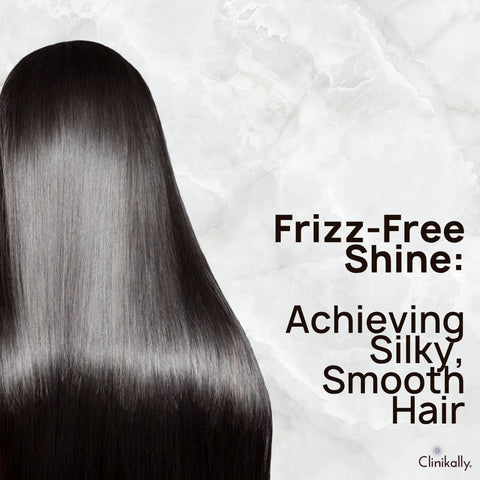
With the appropriate care, frizz-free shine is a long-term result of healthy, moisturized, and well-nourished strands. By focusing on internal repair, moisture balance, and preventive practices, you can get consistently smooth, soft hair with a light-catching shine.
Strengthened Strands: Repairing Damage with Amino Acids
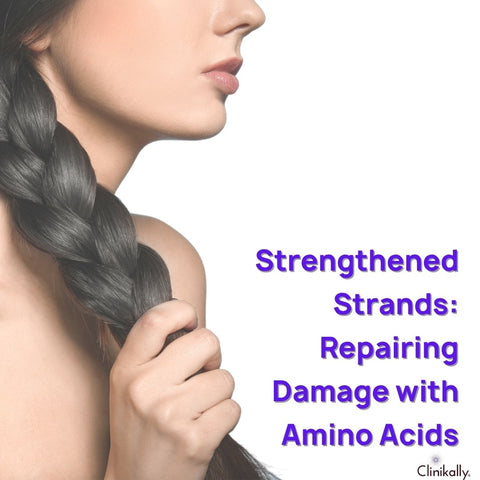
Amino acids, particularly silk amino acids, provide targeted, long-term repair for damaged hair by acting deep inside the strand to restore strength and elasticity. Unlike surface-level treatments, they restore what has been lost, allowing your hair to regain its natural health, luster, and resilience with time.
Scalp Nourishment: Enhancing Health for Vibrant Hair
Scalp nourishment is an essential step toward achieving healthy, robust hair. By providing your scalp with the proper ingredients, hydration, and care, you create an ideal environment for strong, beautiful strands to thrive.
Incorporating SilkSmooth Cleansers into Your Hair Routine
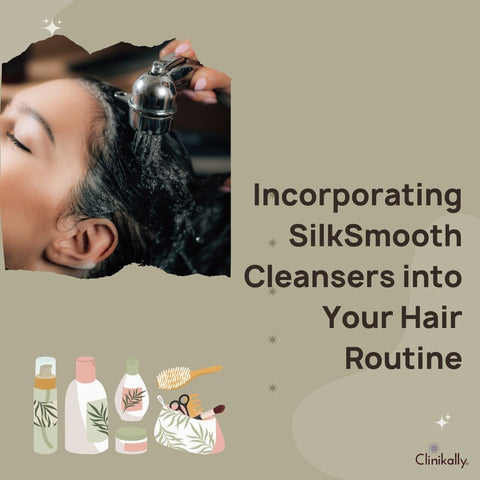
SilkSmooth Cleansers, which are formulated with silk amino acids, can help you achieve smoother, healthier, and more manageable hair. SilkSmooth, unlike standard shampoos, is designed to gently cleanse while strengthening and smoothing hair at the molecular level. Here's how to include it into your routine and optimize its benefits.
-
Step 1: Evaluate your hair type and frequency needs: Evaluate your hair type and frequency needs. SilkSmooth Cleansers are gentle enough for daily use and appropriate for all hair types, including color-treated, fine, coarse, and curly hair. The frequency with which you use it is determined by your unique demands, such as oily hair (3-4 times per week), normal/dry hair (2-3 times per week), and very damaged or processed hair (alternating with a deep-repair treatment or co-wash).
-
Step 2: Use proper cleansing technique: For the greatest effects, thoroughly wet your hair with lukewarm water. Apply a tiny amount of SilkSmooth Cleanser on your palms and lather them before applying to your scalp. Massage gently with your fingertips for 1-2 minutes to improve circulation and remove buildup. Rinse thoroughly, letting the cleanser run down your lengths—no need for harsh scrubbing.
-
Step 3: Pair with a matching conditioner or mask: After your cleanse, apply a lightweight, protein-rich conditioner or treatment. This closes the cuticle, retains hydration, and enhances the cleanser's strengthening properties. Look for conditioners with silk amino acids, keratin, or botanical oils, and avoid heavy silicones, which can produce buildup, especially on fine hair.
-
Step 4: Use leave-ins or serums to seal in the smoothness: After towel-drying, use a leave-in conditioner, detangler, or anti-frizz serum to enhance SilkSmooth's amino acid effects. It maintains smooth texture, adds shine, and protects against heat and humidity. If your scalp is oily, use sparingly on the roots.
-
Step 5: Maintain consistency for noticeable results: Silk amino acids become stronger and smoother over time. With frequent use, you'll notice less breakage and split ends, smoother texture and frizz control, and healthier, shinier hair with greater flexibility.
Choosing the Right Silk Shampoo: Matching Your Hair Type
Silk shampoos, particularly those laced with silk amino acids, are renowned for their smoothing, strengthening, and moisturizing properties. However, not all silk shampoos are created equal. To achieve the greatest results, tailor the mix to your unique hair type and problems. Here's how to select the appropriate silk shampoo for your hair's specific requirements:
-
Fine or Limp Hair (Lightweight Silk Formulas): Fine or limp hair benefits from lightweight silk shampoos, which provide smoothness and strength without adding weight. Look for light, sulfate-free products that mix silk amino acids with volumizing botanicals such as green tea or rice protein, and avoid heavy silicones and oils. Benefits include increased smoothness and body, strength without flattening, and improved shine and texture.
-
Thick or Coarse Hair (rich, moisture-intensive shampoos): Thick strands typically require more moisture and taming power. A fuller silk shampoo can help minimize frizz and improve manageability. Look for creamy textures with additional oils (e.g., argan, coconut, or shea), silk proteins, and moisture-locking ingredients such as panthenol or glycerin. The benefits include deep hydration, long-lasting suppleness, and simpler detangling and style.
-
Curly or textured hair (Curl-Friendly Silk Blends): Curls prefer definition, wetness, and strength. A silk shampoo designed for curls can help keep the pattern and decrease dryness. Look for sulfate-free, low-lather formulas, silk amino acids combined with aloe vera, jojoba, or honey, and protein-moisture balance. Curls without crunch, less breakage and broken ends, and improved suppleness are among the benefits.
-
Color-treated or damaged hair (Repair-Driven Silk Shampoos): Coloring, bleaching, and heat styling damage the hair's structure. Silk proteins are great for rebuilding strength and resilience. Look for color-safe formulations that include silk proteins, keratin, collagen, or ceramides, as well as UV and heat protectants. Benefits include strengthening weakening strands, reducing breakage and fading, and increasing shine and color endurance.
-
Oily scalp and dry ends (Balanced Silk Solutions): If your scalp is oily and your ends are dry, use a balancing silk shampoo that cleanses without stripping or drying. Look for clarifying compounds like tea tree, rosemary, or charcoal, silk amino acids for lightweight hydration, and non-comedogenic oils like grapeseed or sunflower. Benefits include refreshing the scalp, softening and smoothing the ends, and maintaining moisture balance.
Application Tips: Maximizing the Smoothing Effects
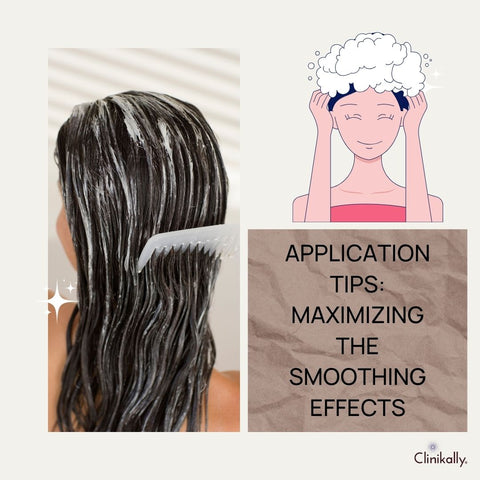
To fully realize the potential of silk amino acid shampoos, such as those in the SilkSmooth range, it is important to consider not only what you use but also how you use it. The proper approach guarantees that each wash provides the optimum smoothing, strengthening, and shine-enhancing effects. Here's how to use silk shampoo like a pro to get ultra-smooth, frizz-free results:
-
Begin with a Thorough Pre-Rinse: Before applying shampoo, completely wet your hair with lukewarm water for 1-2 minutes. This helps to loosen dirt, oil, and product buildup. Allow the shampoo to disperse more evenly. Reduce the need for a second washing.
-
Lather in your hands: First, emulsify the shampoo in your palms with a small amount of water before applying it to your scalp. This provides equal application and lowers the chance of accumulation.For short to medium hair, use a quarter-sized amount; longer or thicker hair will require more. Concentrate on the roots and scalp first, where oils accumulate the greatest.
-
Massage, not scrub: Use your fingertips (not your nails) to gently massage the scalp in circular strokes. This improves circulation and stimulates follicles while leaving the cuticle smooth. Massage for 1–2 minutes. Allow the suds to rinse through your ends rather than cleaning them immediately; this protects fragile tips.
-
Rinse with the proper water temperature: Rinse with cool or lukewarm water to help seal the cuticle and preserve silk proteins. This stage increases gloss and smoothness. Cool water lowers frizz and enhances manageability.
-
Follow with a complementary conditioner: For a thorough smoothing effect, apply conditioner solely to the midlengths and ends. Allow it to sit for 2-5 minutes, then thoroughly rinse. For optimal synergy, utilize a product infused with silk or based on amino acids.
-
Gently towel-dry—do not rub: To remove excess moisture, use a microfiber towel or a soft cotton T-shirt. Avoid rubbing, as it roughens the cuticle and undoes your smoothing efforts.
-
Apply a silk leave-In or serum: While your hair is still moist. Use silk protein leave-in conditioner, detangler, or serum. Focus on the ends and dry areas to seal in smoothness and prevent frizz.
-
Reduce heat or apply protection: When heat styling, always apply a thermal protectant. Heat stimulates silk amino acids, but it must be used cautiously to avoid damage. Air-drying is ideal for smoothness, especially if you comb through while wet with a wide-tooth comb.
Building a Silk-Based Regimen: Pairing with Complementary Products
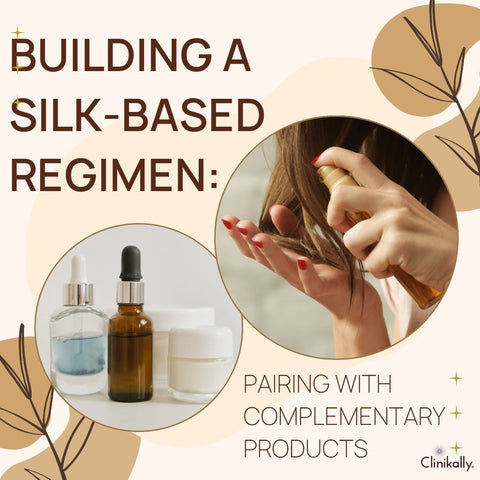
Building a silk-based regimen requires more than just one outstanding product; it also requires the creation of a layered, deliberate system that supports silk's benefits at every level. Over time, choosing complementing treatments and keeping consistent will result in smoother, healthier, and more lustrous hair.
The Future of Hair Care: Personalized SilkSmooth Solutions
Personalized hair care is no more a passing trend, but rather a transformative shift in the beauty business. By addressing individual hair needs and problems, utilizing technology to produce targeted solutions, and stressing long-term effects, personalized products provide a tailored approach that traditional hair care products cannot. The future of individualized hair care looks even brighter, with advancements on the horizon that will continue to improve hair health and sustainability, allowing consumers to attain their greatest hair yet, on their terms.