
Understanding Skin Purging & How It’s Different from Breakouts
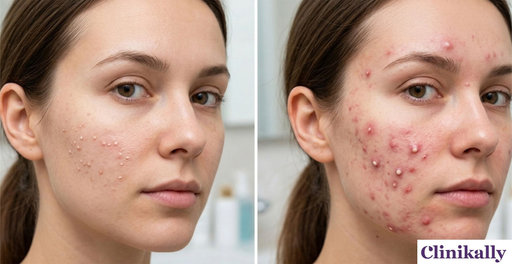
Started using any new skincare product and feeling small blemishes and acnes? It might be skin purging. It’s a temporary reaction that occurs due to the usage of a new active ingredient, most often retinoids (retinol, tretinoin), salicylic acid (BHA), or glycolic acid (AHA) that speeds up skin cell turnover. It essentially forces preexisting, trapped blockages to the surface all at once.
Sometimes we misunderstood skin purging with breakout. Thus, in this guide, we’ll talk about skin purging, its causes and types, along with the differentiating factors that make it different from breakouts.
What is Skin Purging?
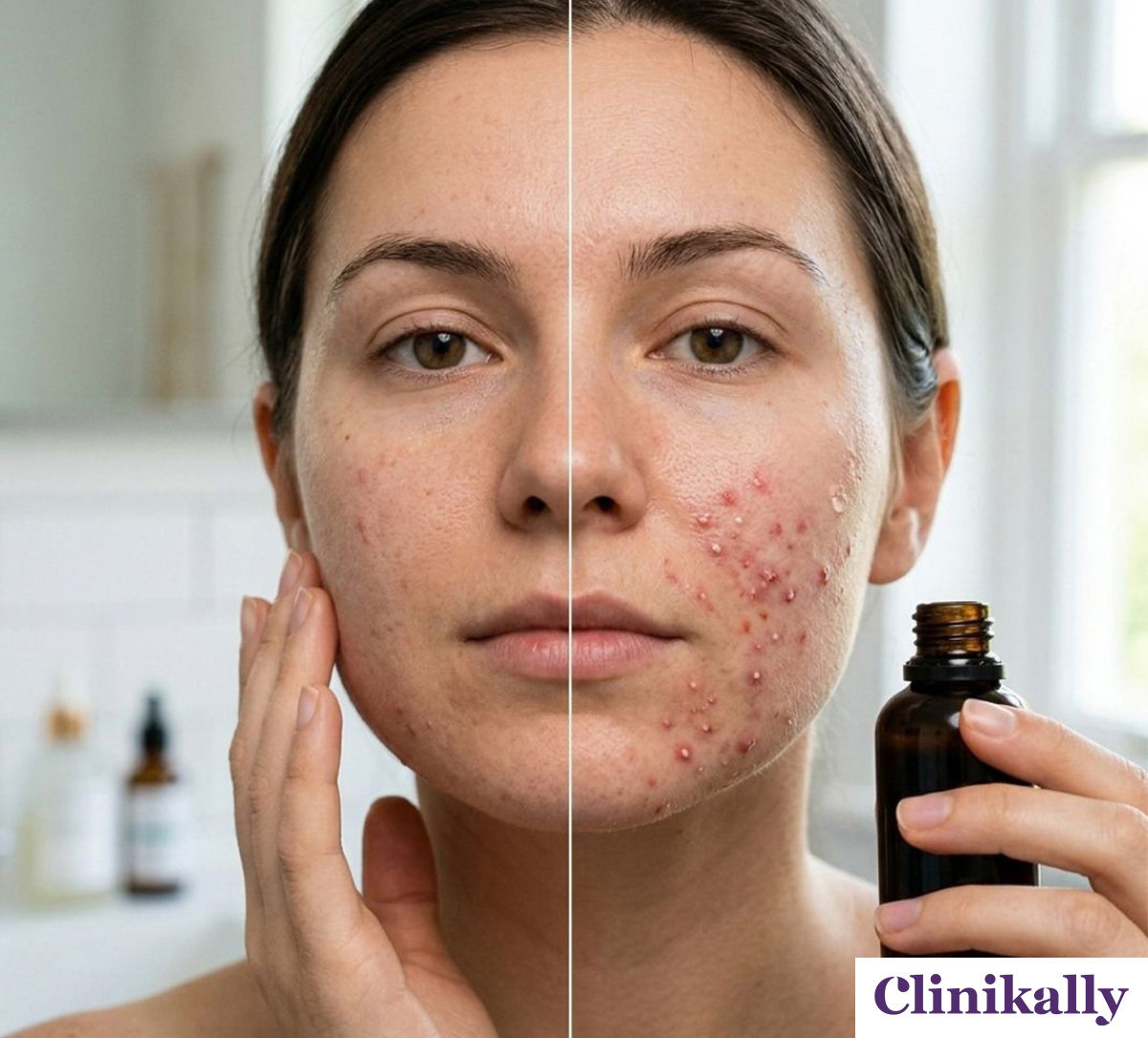
Skin purging is a temporary flare-up of spots that happens when you start using certain active skincare ingredients. It occurs because these ingredients speed up your skin's natural cell renewal process.
Deep inside your pores, microscopic plugs of oil and dead skin cells (called microcomedones) are already forming long before you can see them. Normally, these take weeks to turn into visible pimples. When an active ingredient speeds up cell turnover, it forces all of these hidden, pre-existing clogs to surface at the exact same time. Purging does not create new acne; it simply fast-tracks the spots that were already on their way up.
What Causes Skin Purging?
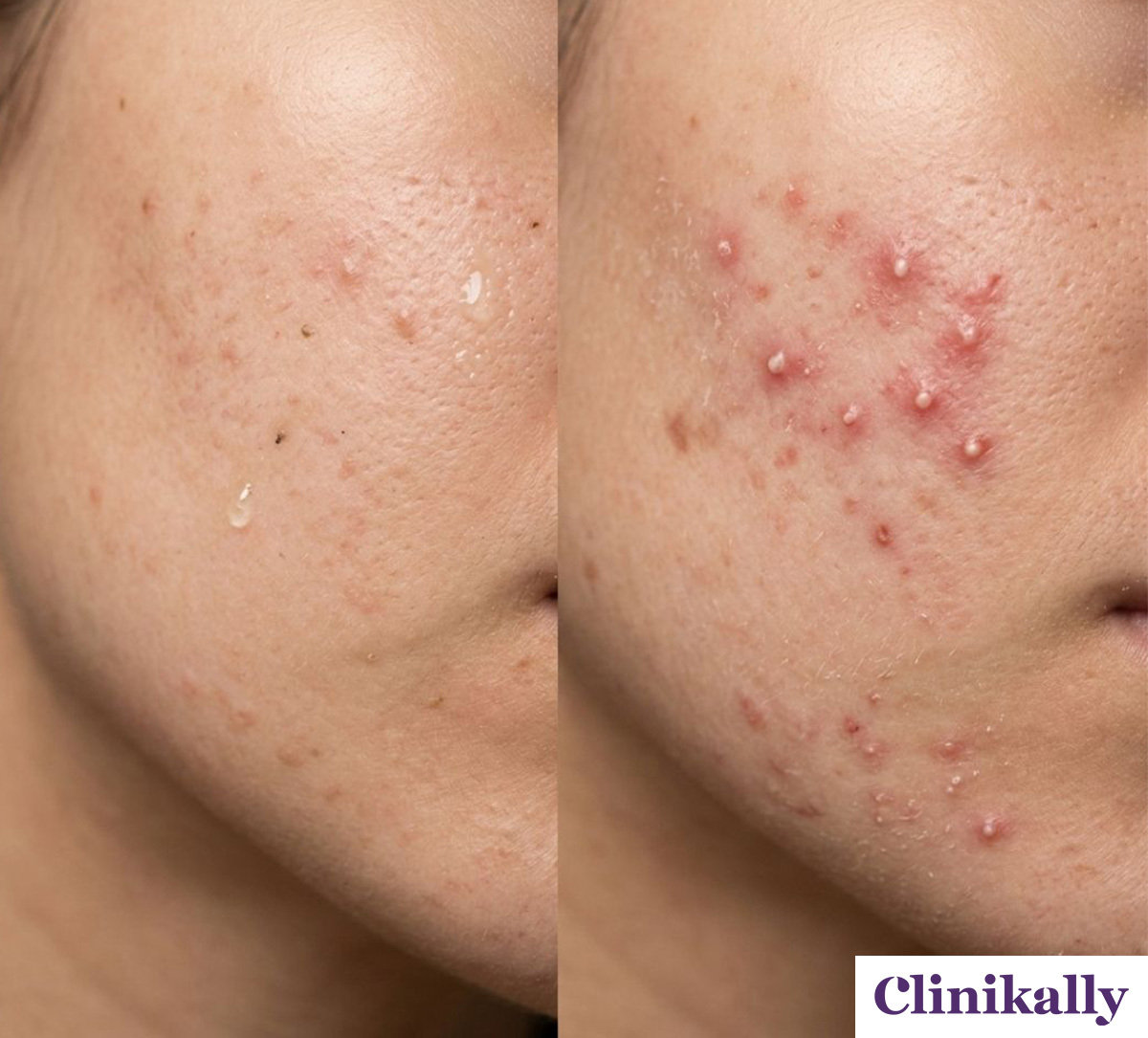
Skin purging is caused by active skincare ingredients that accelerate your skin's natural cell renewal rate. By speeding up cell turnover, these actives force existing micro-clogs beneath your skin to surface all at once.
Topical Retinoids (Retinol, Tretinoin, Adapalene): Retinoids bind to specific receptors in skin cells to speed up cell division and shedding. They force dead cells out of the pores faster than normal, bringing deep, hidden congestion to the surface as rapid breakouts during the first few weeks of use.
Salicylic Acid (Beta Hydroxy Acid / BHA): Salicylic acid is oil-soluble, allowing it to penetrate past surface sebum straight into the interior walls of your pores. It breaks down the glue holding dead skin cells and oil together inside the pore lining. As it loosens this deep debris, it pushes clogged material to the surface in a short burst.
Glycolic Acid & Lactic Acid (Alpha Hydroxy Acids / AHAs): AHAs are water-soluble exfoliants that work primarily on the skin's surface by dissolving the bonds holding old, dead skin cells together. By stripping away the top layer of dead skin at a faster rate, AHAs unroof shallow microcomedones and pull existing clogs upward.
Benzoyl Peroxide: Benzoyl peroxide targets acne-causing bacteria inside the pores while also shedding dead skin cells. This dual action loosens built-up sebum and cellular waste, accelerating the timeline of clogged pores that were already forming.
Vitamin C (L-Ascorbic Acid): High-strength L-ascorbic acid acts as a mild exfoliant due to its low, acidic pH. By encouraging surface cell shedding, potent formulas bring underlying congestion to the surface faster in purge-prone skin types.
How Long Skin Purging Lasts?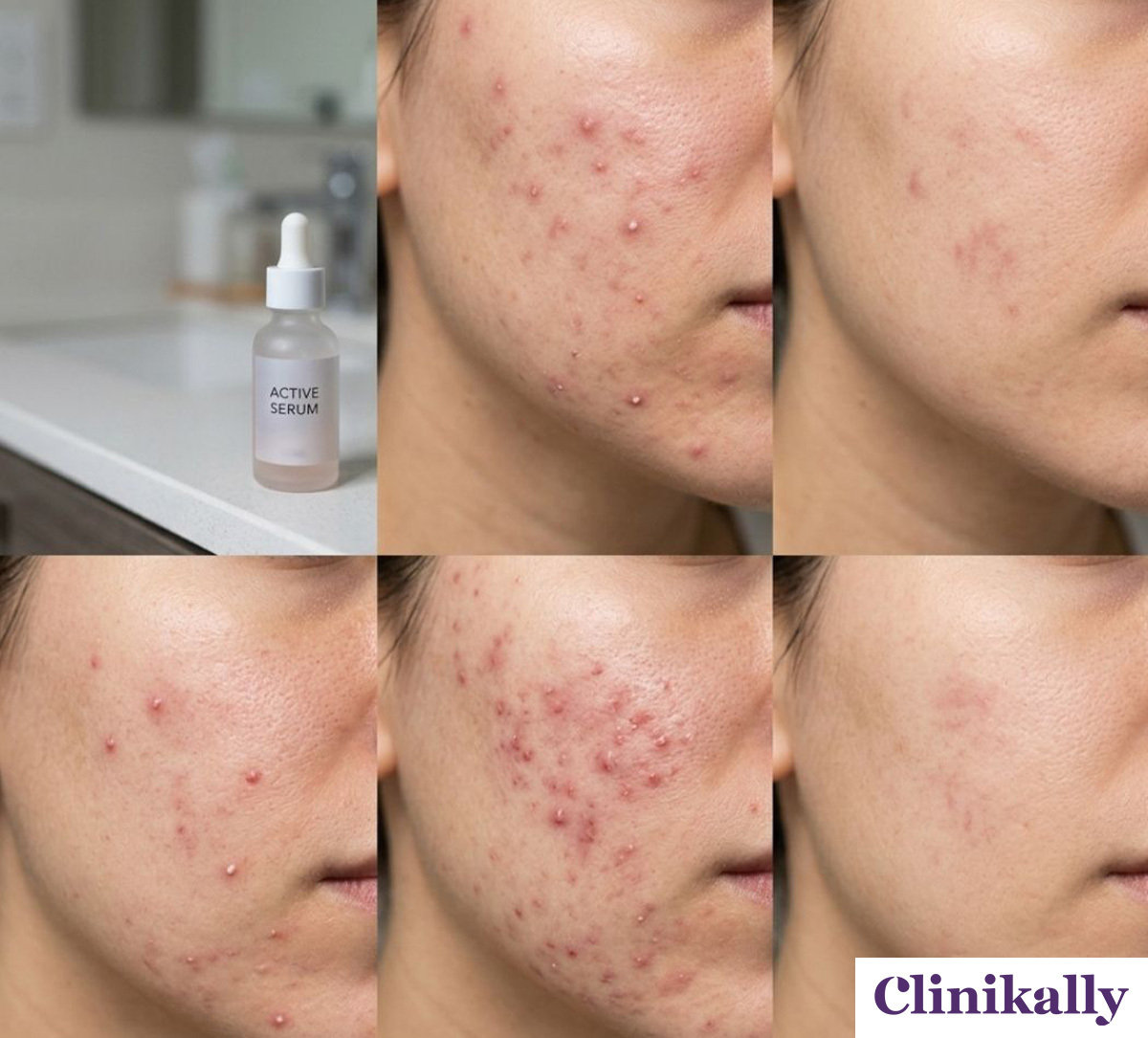
The duration of skin purging is tied directly to your body's natural epidermal renewal process, which takes around 28 days for adults.
Timeline of a Skin Purge
Week 1: The Initial Onset Blemishes begin appearing shortly after starting an active ingredient. The product immediately speeds up cellular turnover, pushing hidden micro-clogs toward the surface.
Weeks 2 to 3: The Peak Breakouts usually reach their worst phase during this period. Subterranean congestion surfaces as whiteheads or small papules, but individual spots heal significantly faster than standard acne.
Weeks 4 to 6: Resolution & Stabilization As the initial wave of hidden congestion clears out and the skin completes a full cell cycle, purging stops. Your skin barrier adapts to the active ingredient, revealing smoother texture and clearer pores.
Red Flags: When It Exceeds 6 Weeks
If breakouts continue past 6 to 8 weeks, it is no longer a purge. Prolonged spots indicate that the product is either clogging your pores, damaging your moisture barrier, or triggering an allergic reaction. Discontinue use if your skin does not stabilize after two full cell turnover cycles.
Why Is Skin Purging Confused with a Breakout?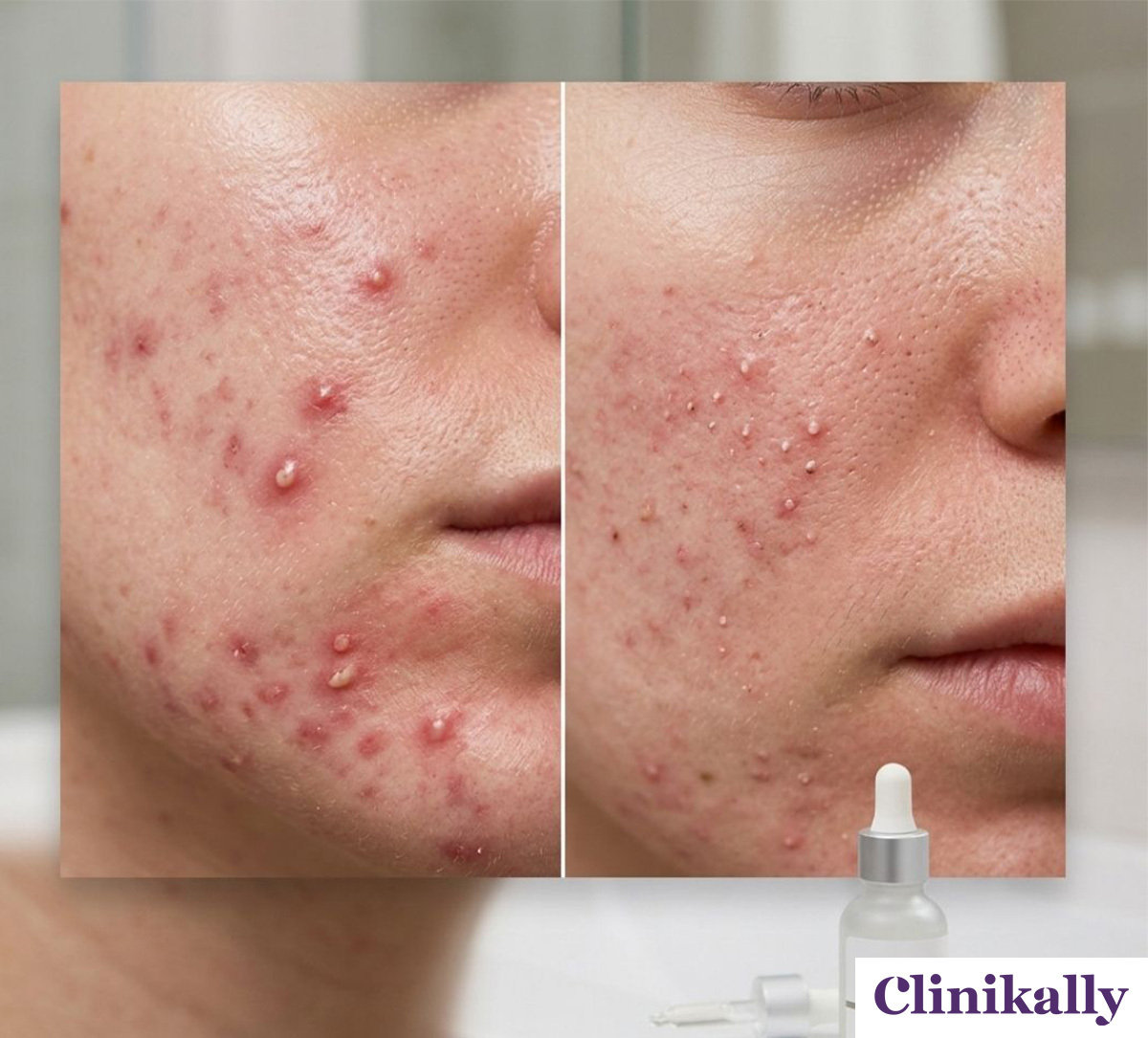
Skin purging and regular breakouts are easily confused because they look identical at first. Both cause red bumps, whiteheads, blackheads, and inflamed spots right after you start using a new skincare product.
However, they happen for completely opposite reasons.
Speeding Up Healing vs. Creating New Clogs
The confusion happens because people assume any new bump is a bad reaction.
Skin purging occurs when active ingredients (like retinoids or exfoliating acids) speed up your skin's cell renewal. This forces hidden, pre-existing clogs to the surface all at once. The product is not creating new acne. It is simply fast-tracking bumps that were already forming under your skin.
A true breakout is a bad reaction to a product. It happens when an ingredient clogs your pores, irritates your skin barrier, or causes an allergic reaction.
How to distinguish between Skin Purging & Breakout?
Telling the difference between skin purging and a true breakout comes down to four key clinical markers: the root cause behind the bumps, where the spots appear, how fast individual pimples heal, and how long the flare-up lasts overall.
- Location and Distribution: Purging occurs exclusively in your usual problem areas where you historically experience congestion or frequent acne. Active ingredients simply accelerate cell turnover, pulling pre-existing micro-clogs up from places where hidden congestion already exists. A regular breakout, however, appears in brand-new areas of your face that are usually clear. When pimples crop up in unprecedented zones, it signals that the product formula itself is actively clogging pores or irritating healthy skin.
- Blemish Lifecycle and Healing Speed: Spots resulting from a skin purge have an accelerated lifecycle. Because cell renewal is operating at high speed, these blemishes surface, mature, and resolve much faster than standard pimples, often clearing up within a few days. Regular breakouts exhibit a sluggish, lingering progression. These pimples take longer to come to a head, remain tender and inflamed for extended periods, and often leave behind deep-seated irritation.
- Overall Duration and Progression: Purging is a self-limiting phase that lasts between 4 to 6 weeks, aligning directly with your body's natural cellular turnover cycle (roughly 28 to 40 days). Once the backlog of hidden micro-clogs is fully cleared, your skin stabilizes and texture improves. A true breakout will not improve over time. It persists indefinitely for as long as you continue using the offending product, resolving only after you stop application and allow your skin barrier to heal.
- Root Cause: Skin purging is driven by active ingredients that accelerate your skin's natural cell renewal. This process forces pre-existing microcomedones (hidden plugs of oil and dead skin) up to the surface all at once. A regular breakout, by contrast, is an adverse reaction caused by a product clogging your pores with comedogenic ingredients, stripping your moisture barrier, or triggering inflammation.
How to Manage Skin Purging Effectively?
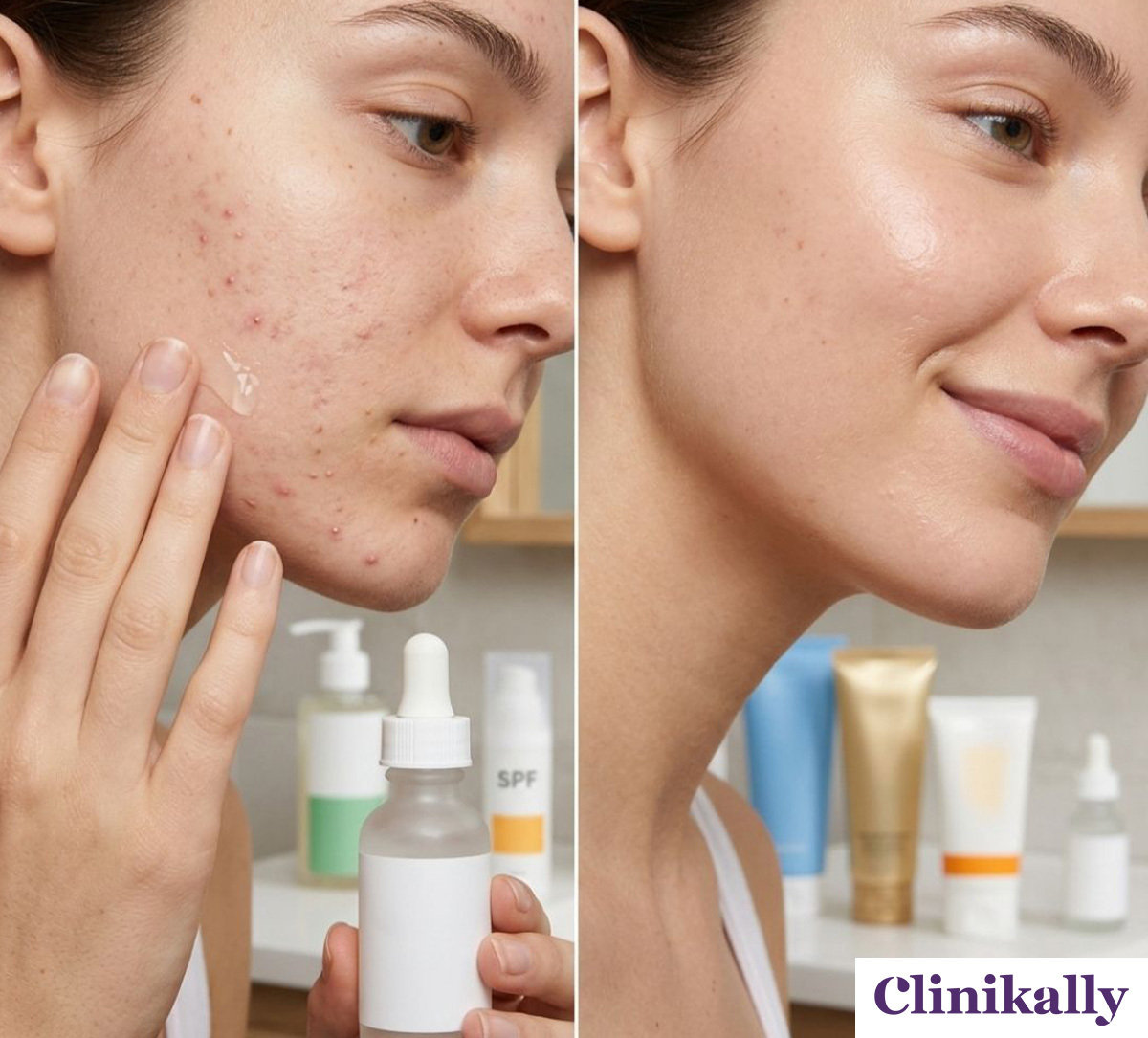
Managing skin purging comes down to supporting your skin barrier while letting the active ingredient clear out underlying congestion at a manageable pace. You cannot stop a purge entirely, but you can control how smoothly your skin transitions through it.
Ease Into Active Ingredients
The most common mistake during a purge is applying a new active ingredient every single night right away. Overwhelming your skin speeds up irritation faster than your barrier can adapt.
Start by applying your retinoid or exfoliating acid just twice a week for the first fortnight. As your skin builds tolerance, increase usage to every other night, and eventually to nightly application only if your skin comfortably handles it.
Strip Your Routine Back to Basics
When your skin is purging, extra products introduce unnecessary variables and risk further irritation. Pause all secondary active serums, physical scrubs, facial brushes, and additional exfoliating acids.
Keep your daily routine minimal by using only a gentle, non-stripping cleanser, a basic barrier-repairing moisturizer containing ceramides or glycerin, and a broad-spectrum sunscreen with SPF 30 or higher during the day.
Buffer Strong Actives
If you are using high-strength retinoids like tretinoin or adapalene, buffering reduces direct irritation without sacrificing efficacy. Apply a lightweight layer of basic moisturizer first, wait a few minutes for it to absorb, apply your retinoid, and follow with a second layer of moisturizer. This simple technique slows down ingredient penetration just enough to keep inflammation manageable.
Leave Purging Blemishes Alone
Popping or squeezing purging pimples introduces outside bacteria into vulnerable pores and worsens local inflammation. Because active ingredients accelerate cellular turnover, skin undergoing a purge is significantly more susceptible to post-inflammatory hyperpigmentation and scarring. Let the spots surface and heal naturally.
Realistic Expectations and Timeline
Knowing what to expect keeps you from giving up right before your skin clears. Blemishes will begin surfacing rapidly during the first two weeks as underlying micro-clogs are pulled upward. The purge typically peaks between weeks three and four, but individual pimples will heal much faster than standard acne. By weeks four to six, new congestion stops appearing, existing spots clear up, and overall skin texture stabilizes into a smoother, clearer complexion.
If your skin remains actively inflamed after six to eight weeks, stop using the product. A flare-up lasting past two full cellular turnover cycles indicates a true breakout or skin barrier damage rather than a purge.
Final Thought: Taking a Step Back
Skin purging is temporary. It is simply your skin fast-tracking hidden congestion to make way for a clearer, smoother complexion. By keeping your routine simple, protecting your skin barrier, and giving active ingredients 4 to 6 weeks to work, you allow your skin cell turnover cycle to do its job.
However, if your skin becomes severely inflamed, painful, or continues breaking out past 8 weeks, stop using the product. Always consult a dermatologist if you are unsure, as a professional can accurately diagnose your skin type and create a safe, customized treatment plan.
Share this article
What does skin purging look like?
Can sunscreen or non-active moisturizers cause skin purging?
Should I stop using a retinoid if my skin starts purging?
How do I know if my skin barrier is damaged instead of purging?
Can Niacinamide cause skin purging?
Tags
We'd love to hear your thoughts!
Enter Full Name
Enter Email
Write a reply
No content on this site, regardless of date, should ever be used as a substitute for direct medical advice from your doctor or other qualified clinician.