Skin Vesicles: Causes, Remedies and Treatment
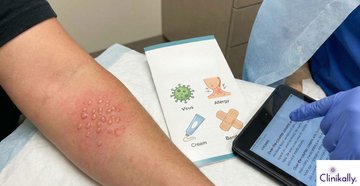
Vesicles are tiny blisters that form on the skin. They might be a symptom of a medical condition or an indication of tissue damage. Certain illnesses, such as contact dermatitis or cold sores, may not necessitate medical treatment. Vesicles are fluid-filled lesions measuring smaller than 5 millimeters (5 mm). A bulla is a fluid-filled lesion that measures more than 5 mm. Blisters are classified as vesicles or bullae based on their size. Blisters can indicate a medical condition or a tissue injury. In this blog, we explore vesicles on the skin, including their causes, symptoms, and treatment options.
Understanding Vesicles
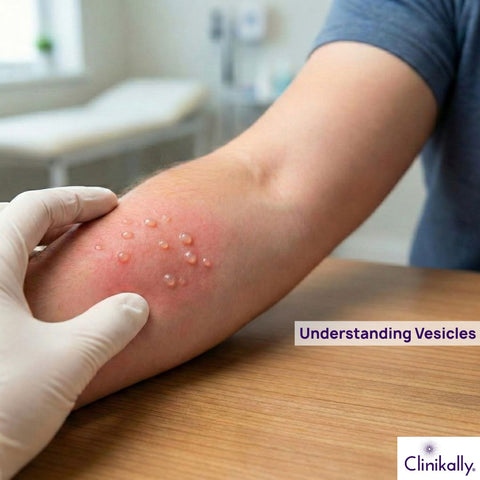
Vesicles are little fluid-filled sacs or blisters that develop on the skin. They are often elevated lumps less than 5 millimeters in diameter that contain clear liquid, serum, or, on rare occasions, blood. Unlike pustules, which contain pus, vesicles often contain uninfected fluid unless they become secondarily infected. These skin alterations occur when the upper layers of the skin (the epidermis) are disrupted or inflamed, causing fluid to pool beneath the surface. Vesicles can occur as single isolated spots or clusters, depending on the underlying reason. They are not a disease in and of itself, but rather a sign or reaction to a variety of stimuli, including infections, allergies, autoimmune diseases, burns, and friction. Some are transitory and resolve on their own, while others indicate underlying health conditions that may necessitate medical intervention. The appearance of vesicles can vary. Clear, watery vesicles are frequently associated with viral illnesses such as chickenpox or eczema; red, inflamed vesicles may suggest allergic contact dermatitis or irritation; and painful or recurring vesicles may indicate herpes simplex or shingles. Many vesicles are harmless and self-limited, but their presence can cause irritation, pain and aesthetic problems. Correct diagnosis of the underlying cause is important, as treatment depends on whether the cause of the vesicles is an infection, allergy or autoimmune activity.
Causes of Vesicle Formation
Vesicles form when fluid accumulates between layers of the skin due to irritation, inflammation, or injury. Although they appear similar, their cause often determines their pattern, symptoms, and treatment.
-
Infections: Viral infections such as herpes simplex, chickenpox, and shingles commonly cause clustered, fluid-filled vesicles that may be painful or itchy. Bacterial infections like impetigo can lead to vesicles that crust over, while fungal infections such as athlete’s foot may produce small blisters in moist areas.
-
Allergic and irritant reactions: Exposure to soaps, detergents, cosmetics, chemicals, plants, or insect bites can trigger itchy, inflamed vesicles as part of an immune response.
-
Mechanical and physical factors: Repeated friction, pressure, heat, sunburn, or minor burns can damage the skin and lead to clear fluid-filled blisters, especially on the hands and feet.
-
Autoimmune and chronic skin conditions: Disorders such as dyshidrotic eczema, pemphigus, and dermatitis herpetiformis cause recurring vesicles due to ongoing inflammation and immune activity.
Environmental conditions like excessive sweating and prolonged moisture, along with lifestyle habits such as tight footwear or harsh skincare products, can further increase the risk.
Symptoms of Skin Vesicles
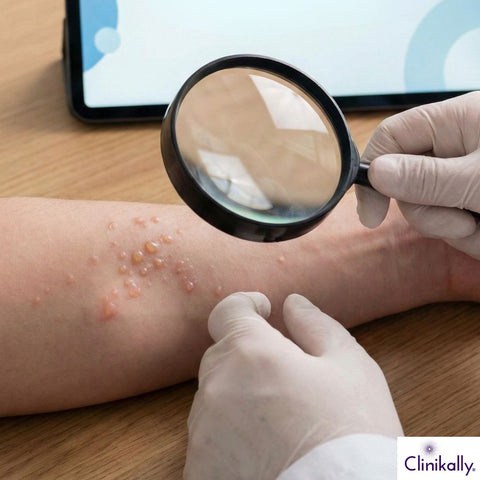
Vesicles on the skin are usually accompanied by noticeable changes that help identify both their presence and their possible cause. These symptoms may appear suddenly or develop gradually, depending on the underlying condition. Recognizing early signs plays a key role in timely care and prevention. Vesicles typically appear as small, raised blisters filled with clear fluid, though their appearance may vary based on the cause. The surrounding skin often provides additional clues. Common symptoms include:
-
Itching or tingling sensations are common, especially before vesicles appear in allergic reactions, eczema, or viral infections.
-
Pain, burning, or tenderness may occur in vesicles caused by infections such as herpes simplex or shingles.
-
Redness and swelling around the affected area often indicate inflammation or irritation.
-
Fluid leakage or crust formation can occur when vesicles rupture during healing.
-
Clustered or patterned distribution is frequently seen in viral conditions, while friction-related vesicles usually appear as isolated blisters.
These symptoms may be mild and temporary or persistent and uncomfortable, depending on the severity and cause.
Common Triggers of Vesicle Formation
Vesicles develop when the skin reacts to internal or external stressors. Identifying these triggers can help reduce recurrence and guide appropriate treatment. While causes explain why vesicles develop medically, triggers are factors that initiate or worsen outbreaks in daily life.
-
Infections: Viral, bacterial, or fungal infections commonly trigger vesicle formation, often accompanied by pain, itching, or fever.
-
Allergens and irritants: Exposure to soaps, detergents, cosmetics, plants, or chemicals can provoke an inflammatory skin response.
-
Mechanical stress: Repeated friction, pressure, or minor trauma from footwear, tools, or clothing can lead to fluid-filled blisters.
-
Environmental factors: Heat, excessive sweating, sun exposure, or chemical contact may damage the skin barrier and trigger vesicles.
-
Skin and immune-related conditions: Chronic skin disorders and autoimmune conditions can cause recurring vesicles due to ongoing inflammation.
-
Lifestyle contributors: Tight footwear, prolonged moisture, and frequent contact with harsh substances may increase susceptibility.
Understanding both symptoms and triggers allows individuals to distinguish harmless vesicles from those that may need medical attention and helps in preventing future outbreaks.
Vesicles vs Other Skin Lesions
Vesicles are often confused with other skin lesions because many appear as raised bumps on the skin. However, dermatologists classify skin lesions based on size, content, and depth. Understanding how vesicles differ from similar-looking lesions helps in identifying the underlying cause and choosing the appropriate treatment. Vesicles and bullae are both fluid-filled lesions, but vesicles are smaller than 5 mm, while bullae measure more than 5 mm. Vesicles and pustules differ in that vesicles contain clear fluid, whereas pustules contain pus. Vesicles differ from papules, which are solid, raised bumps that lack fluid. In contrast, vesicles are soft and filled with liquid. Cysts, as opposed to vesicles, are deeper, enclosed sacs that may contain fluid or semi-solid material and frequently require medical intervention to drain or remove. Vesicles can appear alone or in clusters, depending on the source. For example, viral diseases such as chickenpox produce wide vesicles, but allergies may produce small, spread out vesicles. It is important to understand these differences because the type of lesion provides useful diagnostic information. A cluster of vesicles with a red base may indicate herpes simplex, although a single fluid-filled blister on the foot could be caused by friction.
When Vesicles Indicate a Serious Issue
While vesicles—small, fluid-filled blisters—are typically harmless, they might occasionally indicate a more serious underlying condition. Recognizing vesicles as a warning sign is crucial for timely medical evaluation and treatment.
- Recurring vesicles: Vesicles that reappear in the same region may be caused by viral diseases such as herpes simplex or shingles, as well as autoimmune disorders such as pemphigus or dermatitis herpetiformis. Recurrent outbreaks indicate that the underlying illness is ongoing and may require medical attention.
- Rapidly spreading vesicles: A sudden increase in vesicles over broad portions of the body could indicate chickenpox, severe allergic reactions, or bacterial infections like impetigo. Rapid spread is particularly alarming in children, immunocompromised people, and those with pre-existing skin disorders.
- Painful, inflamed, or infected vesicles: If vesicles are painful, red, or packed with pus, they may signal a secondary bacterial infection or an inflammatory condition that necessitates medical treatment. Ignoring such indications may result in problems or scars.
- Systemic symptoms: Vesicles associated with fever, lethargy, swollen lymph nodes, or malaise may indicate an underlying infection or disease. These indicators indicate that the body is dealing with a larger problem than just the skin.
Treatment and Care for Vesicles
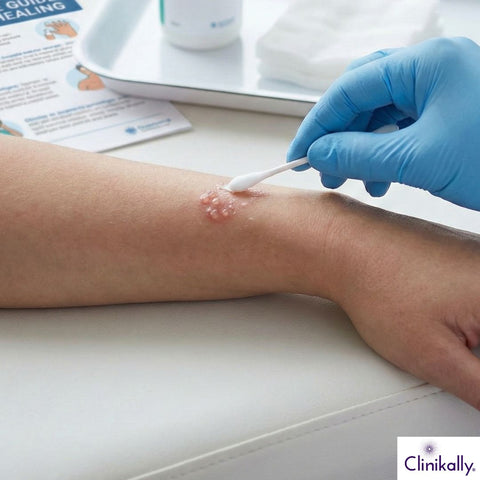
Vesicle treatment depends on the underlying cause, severity, and location of the lesions. While many mild vesicles heal on their own with basic skin care, others require targeted treatment to relieve discomfort, prevent infection, and reduce the risk of recurrence. Management may include supportive home care, over-the-counter medications, or prescription therapies, depending on whether the vesicles are caused by infections, allergies, friction, or autoimmune conditions. Early and appropriate care helps promote healing, minimize complications, and protect overall skin health.
At-Home Remedies
Vesicles can cause itching, tenderness, and discomfort. While addressing the underlying cause is critical, simple home treatments can bring relief and promote healing.
Keep the area clean and dry. Gently cleanse the afflicted area with lukewarm water and mild soap. Scrubbing too hard can irritate or rupture vesicles. Avoid this. Pat dry with a clean towel to avoid moisture buildup, which promotes infection.
- Cold compresses: Applying a cool, moist towel to the vesicles for 5-10 minutes many times each day will help to relieve itching, redness, and swelling. This is especially beneficial for vesicles resulting from allergic responses or inflammation.
- Soothing topical agents: Aloe vera gel decreases inflammation and serves as a protective barrier. Calamine lotion reduces itching and prevents scratching. Creams with oats hydrate and soothe inflamed skin, especially in eczema-related vesicles.
- Natural Moisturizers: Applying mild oils like coconut or jojoba oil around (but not on) burst vesicles might help keep the skin hydrated and avoid cracks.
- Avoid irritants: Fragrances, strong soaps, and tight clothing can irritate the vesicles. Also, avoid scratching or popping vesicles, as this increases infection risk.
Medical Treatments and Professional Options
While many vesicles can be treated at home, some require expert examination and medical intervention, particularly if they are persistent, painful, extensive, or caused by infections or autoimmune diseases.
- Prescription medicines: Antiviral drugs like acyclovir or valacyclovir are used to treat herpes simplex and shingles. They alleviate pain, promote healing, and prevent breakouts. Antibiotics, whether topical or oral, are used to treat and prevent bacterial infections such as impetigo and cellulitis. Corticosteroids, whether applied topically or systemically, can help reduce inflammation in dyshidrotic eczema and autoimmune blistering disorders.
- Specialized dermatological treatments: Immunosuppressive medications may be required under intensive medical monitoring for severe autoimmune vesicle illnesses such as pemphigus. In rare cases where big vesicles or bullae occur, dermatologists can safely drain blisters to relieve discomfort and prevent infection.
- Monitoring and follow-up: Regular check-ups may be required for recurring or chronic vesicles, particularly in autoimmune or systemic disorders, to evaluate disease development and adapt medication.
Preventing Recurrence and Protecting Skin Health
To keep vesicles from recurring, address causes, maintain skin health, and develop protective habits. Even after treatment, good maintenance alleviates discomfort and reduces the likelihood of problems such as infections or scars. The following steps will help prevent recurrence and protect skin health:
- Identify and avoid triggers: Knowing the root cause is essential. Avoid allergies, irritants, strong soaps, and chemicals that may cause vesicles. Wear correctly suited shoes or gloves to prevent friction-related blisters.
- Maintain skin moisture: Dry, cracked skin is more susceptible to irritation and vesicle production. To maintain your skin supple and robust, moisturize regularly using hypoallergenic lotions, aloe vera, or natural oils.
- Gentle skin care regimen: Use moderate, fragrance-free cleansers, avoid hot water, and pat the skin dry rather than rubbing. Gentle exfoliation can help prevent dead skin development, but avoid scraping too harshly.
- Protective measures: Wear breathable garments to minimize friction. Use sunscreen to protect your skin from UV-induced vesicles and irritation. If you suffer from dyshidrotic eczema or fungal vesicles, keep your hands and feet dry.
Manage the underlying health issues. Chronic illnesses, including eczema, autoimmune disorders, or recurring viral infections may necessitate continuing medical care. To reduce flare-ups, follow prescribed medications and see your doctor on a regular schedule.
Final Thoughts: Managing Vesicles for Healthy Skin

Vesicles can cause discomfort and anxiety, but with proper treatment, they are controllable and avoided. Understanding the causes, identifying triggers, and knowing when to seek medical assistance are all important stages of maintaining good skin. Early Intervention: Recognizing vesicles early, through symptoms such as little raised lumps, fluid content, redness, or itching, allows for prompt action. Mild instances usually react well to home therapies such as cool compresses, aloe vera, calamine lotion, and moderate moisturization, which ease pain and promote natural healing. Professional guidance: Persistent, painful, recurring, or extensive vesicles may signify an underlying infection, autoimmune disease, or persistent skin issue. Visiting a dermatologist helps to receive the correct diagnosis and treatment, which may include antiviral or antibiotic drugs, corticosteroids, or immunosuppressive therapy.