



- Understanding Slugging
- Comparing Slugging & Regular Moisturizing
- Benefits of Slugging
- Slugging on Oily, Acne-Prone Skin
- Step-by-Step Winter Slugging Routine
- Pairing Ingredients Correctly
- Ingredients to Avoid While Slugging
- Slugging Recommendations for Skin Types
- FAQs
Winter weather can be really harsh on your skin, so it's no surprise that slugging has become a popular skincare trick to keep moisture locked in when it's cold out. The slugging method, which is all about locking in moisture, is a real game-changer for your skin in the winter. It really helps stop that annoying dry, flaky skin and keeps your skin barrier from getting damaged by the cold air and indoor heating. When you use occlusive products to seal in moisture, slugging helps your skin barrier get back in shape, really boosts how much hydration your skin gets, and makes it feel a lot healthier by morning. Everyone's talking about this method on social media, skincare forums, and beauty blogs. It's really good for people with sensitive skin, dry skin, or those just trying to deal with winter dryness. When you slug your skin the right way, it can turn dry, cranky skin into something really smooth, healthy, and glowing, and that can last all season.
Understanding Slugging: What It Is and Why Winter Skin Loves It

Winter weather can be really harsh on your skin, so it's no surprise that slugging has become a popular skincare trick to keep moisture locked in when it's cold out. The slugging method, which is all about locking in moisture, is a real game-changer for your skin in the winter. It really helps stop that annoying dry, flaky skin and keeps your skin barrier from getting damaged by the cold air and indoor heating. When you use occlusive products to seal in moisture, slugging helps your skin barrier get back in shape, really boosts how much hydration your skin gets, and makes it feel a lot healthier by morning. Everyone's talking about this method on social media, skincare forums, and beauty blogs. It's really good for people with sensitive skin, dry skin, or those just trying to deal with winter dryness. When you slug your skin the right way, it can turn dry, cranky skin into something really smooth, healthy, and glowing, and that can last all season.
The Basics of Slugging: Creating an Occlusive Seal to Reduce Moisture Loss
Slugging is a skincare trick where you put on a thick layer of something to seal in moisture. It helps your skin stay really hydrated for a long time by stopping water from evaporating. So, the idea is you put on a super thick layer of something like Vaseline, a really rich moisturizer, or a barrier balm as the very last thing you do before bed for your skincare. Slugging really helps keep your skin from getting dry, especially when it's chilly outside. It puts a protective layer on your skin, which means your skin loses less water. Everyone's really into slugging lately, especially if you follow K-beauty or those skin trends online. Basically, it's a great way to keep your skin barrier healthy and helps your hydrating serums and moisturizers work even better when you put them on first.
If you're thinking about slugging, especially for winter skincare, grasping the fundamentals is super important to do it right and avoid any problems.That top layer really seals in the good stuff, like hyaluronic acid and glycerin. This helps your skin hold onto moisture while you sleep, letting it bounce back from whatever the day threw at it.Slugging is perfect if you have sensitive skin, eczema, or flaky, irritated skin.Pairing slugging with gentle cleansers, ceramide-rich creams, and non-comedogenic products can really help your skin. You'll notice better texture, more bounce, and just a generally stronger, healthier skin barrier. So, this way of sealing in moisture has really caught on as a top choice for getting really hydrated, healthier-looking skin.
The Science Behind It: TEWL, Cold Winds, and Indoor Heating
Winter weather really throws a wrench in our skin's health, mostly because it makes our skin lose water way too fast. That's what causes all that dryness and irritation we feel.The cold air just sucks the natural oils right out of your skin, making it weaker and less able to hold onto moisture. Plus, when it's dry outside, your skin loses moisture way faster, which can leave it feeling tight, flaky, and just plain uncomfortable. All this environmental stress means you really need to take care of your skin in winter, especially with routines that focus on getting it hydrated, helping it repair its natural barrier, giving it a good, deep moisturization, and keeping it protected for a long time.
Your skin can get just as dry inside as it can when it's cold outside. Indoor heating really dries out the air, which can make your skin feel parched and even irritate existing sensitive skin issues. Spending too much time around hot air dries out your skin, messes with its protective layer, and can leave you looking a bit dull with more fine lines. That's why skin doctors often suggest using really good moisturizers that lock everything in, along with ceramide creams and tricks like slugging to keep your skin hydrated. Paying attention to these things keeps your skin stretchy, comfy, and strong all winter long.
Slugging vs. Regular Moisturising: How Occlusives Change the Results
When you moisturize normally, you're usually just putting on creams and lotions that soak in fast. It helps your dry skin a bit, but it's not a lasting fix. Even though regular moisturizers work well most of the time, they might not stop your skin from losing too much water, especially when it's really cold outside. Slugging is just using thick, occlusive products, think petroleum jelly, really rich balms, or barrier repair creams, as the very last step in your routine to seal in all that moisture. This stuff puts a protective layer on your skin. It helps keep moisture in, makes your skin barrier stronger, and even helps your serums and other moisturizers work better, so you get results that last way longer than just regular lotion.
The main thing that makes occlusives different is how they change the way your skin holds onto water and fixes its protective barrier. So, here's the thing with occlusives: regular moisturizers kinda soak in, right? But occlusives are different; they just sit right on top of your skin, almost like a little shield. This way, all that good moisture doesn't just disappear while you're sleeping. Slugging works really well for winter skin, when yours is feeling dry, or if you have sensitive skin that maybe has a compromised barrier. When you mix occlusives with things like ceramides, hyaluronic acid, and glycerin, they really crank up the deep hydration, making your skin feel better and more springy. So, slugging is really catching on; dermatologists are all for it because it makes your skin so much softer, more comfortable, and just better all around.
Benefits and Best Candidates: Who Should and Shouldn’t Try Slugging

Slugging is this big winter skincare thing now because it really helps your skin stay super hydrated and strong, especially when things are drying out. When you use thick moisturizers to seal in all those good nourishing products, it really helps your skin not get so dry and flaky, especially with cold weather outside and heaters blasting inside. Slugging can be really good, but you need to know if it's right for you. You don't want to end up with breakouts or angry skin, especially since everyone's skin is a little different. Key benefits of Slugging include:
-
Deeply locks in moisture and reduces transepidermal water loss (TEWL).
-
Strengthens and repairs a weakened skin barrier.
-
Provides long-lasting hydration for dry and dehydrated skin.
-
Helps soothe sensitive and irritated skin.
-
Improves skin softness, smoothness, and texture.
-
Enhances the effectiveness of serums and moisturizers.
-
Prevents winter-related flaky and tight skin.
-
Supports overnight skin recovery and repair.
-
Protects against damage from cold winds and indoor heating.
-
Improves overall skin elasticity and comfort.
-
Reduces redness linked to barrier disruption.
-
Creates a healthy, plump, and glowing complexion.
Slugging is a good idea for anyone with dry skin, sensitive skin, or skin that's a bit older. It also works wonders if your skin is feeling dry because of winter or if its natural barrier is a little damaged. It also really helps when your skin is recovering from too much exfoliation or after you've had some skin treatments done. If your skin tends to be oily or you often deal with acne, you might want to be careful with slugging, or even skip it altogether. Those heavier products can sometimes clog up your pores. Slugging can be a pretty powerful move for your winter skincare, especially if it's a good fit for your skin type.
Barrier Support and Comfort: Why Dry, Tight Skin Responds So Well
Slugging is really good for dry, tight skin. It helps fix your skin's barrier and keeps it feeling comfortable for a long time.When it's cold outside, or when we're blasting the heat indoors, or even if we're washing our face too much, our skin's moisture barrier can get messed up. When that happens, our skin quickly loses water, which makes it feel dry, sensitive, and irritated. Slugging works by forming a protective layer that keeps water from escaping your skin. This also helps seal in moisturizing stuff like ceramides, hyaluronic acid, and glycerin. This really moist way of doing things helps your skin bounce back, calms down any sensitive spots, and gets rid of that flaky, tight feeling. So, when you use slugging in your winter skincare routine, you'll see quicker improvements, your skin will feel much better, and it'll look smoother and healthier as days go by.
Acne-Prone and Oily Skin: When Slugging Can Be Risky (and How to Do It Safely)
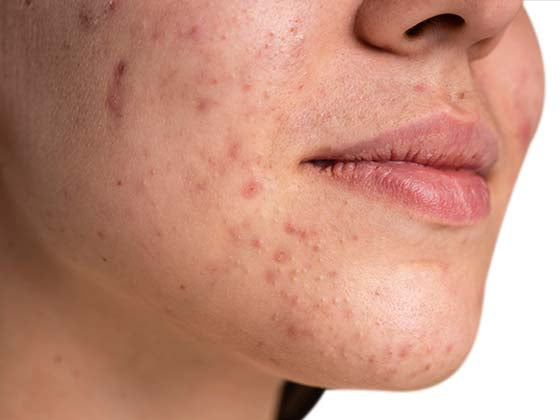
Slugging really helps if your skin is dry, but for those with oily or acne-prone skin, you'll want to keep a couple of things in mind. Since slugging uses those really thick products to seal everything in, it can unfortunately trap oil, bacteria, and even dead skin cells. That might make breakouts worse, clog up your pores, and lead to more inflammation. But that doesn't mean folks with oily skin can't ever try slugging.If you're thoughtful and careful, you can change things up to help your skin barrier heal without making you break out. Slugging can be harmful when:
-
Occlusives can trap excess sebum, increasing pore congestion.
-
Higher risk of comedones and acne flare-ups.
-
Can worsen fungal acne in humid or sweaty conditions.
-
May intensify inflammatory acne if active breakouts are present.
-
Heavy products can feel uncomfortable on oil-rich skin.
-
Increased likelihood of bacterial buildup overnight.
Tips to Slug safely if you’re Acne-Prone
-
Use non-comedogenic occlusives instead of petroleum-heavy products. Beauty Garage Pure African Shea Butter Retention Treatment Butter is a great recommendation for oily skin.
-
Apply slugging only to dry areas (cheeks, jawline), not the T-zone.
-
Limit slugging to once or twice a week, not nightly.
-
Start with a light gel moisturizer such as Sebaoff Acne Moisturizer Gel underneath to balance hydration.
-
Avoid slugging on nights you use retinoids or exfoliating acids.
-
Cleanse thoroughly with a gentle, pH-balanced cleanser such as Nutraclin Neutral pH Cleanser.
If you have oily or combination skin, or if you're someone who often deals with acne, slugging is probably a good idea to use every now and then, just on specific spots, instead of making it a daily habit. Pick your products carefully, and how often you use them matters a lot for keeping your skin clear and your skin barrier healthy. If you set things up right, even skin that's prone to acne can really get something good out of focusing on hydration. You can keep it clear and comfy, too.
Common Myth: Is Petrolatum Pore-Clogging or Too Heavy ?
A really common thing people believe about skincare is that petrolatum clogs your pores or is too heavy for your skin. Actually, a lot of dermatologists give petrolatum the thumbs up, and you'll find it in many skincare items they suggest because it doesn't really clog up your pores.Instead of blocking your pores, it creates a kind of shield on top of your skin. That shield helps stop water from just evaporating away.This stuff is really good if your skin is dry, or if your skin barrier is a bit damaged, and it's perfect for your winter skincare routine. Even though it feels thick, petrolatum won't clog your pores or hold onto gunk if your skin is clean and ready beforehand.
People often think petrolatum is too heavy because of how it feels, but that doesn't mean it doesn't work well or isn't safe.It's actually super good for fixing your skin's barrier and keeping it hydrated for ages. Petrolatum won't clog your pores, but it does a great job of locking in moisture. It also shields your skin from things that can dry it out, like chilly winds and dry indoor heat. You'll most often find it in skincare that's good for eczema, after-procedure care, and stuff for sensitive skin.If you put petrolatum on right: after lighter, hydrating serums or creams with ceramides, it helps your skin feel smoother, feel better, and look healthier, and it won't give you more breakouts.
How to Slug Correctly: A Step-by-Step Winter Routine That Works

Slugging is a cool winter trick for your skin. It helps with that dry, tight feeling by really locking in moisture and helping your skin barrier heal while you sleep. If you do it right, it really helps with that dryness you get from cold winds and indoor heating. Your skin feels much smoother, calmer, and just looks more hydrated when you wake up. You just gotta layer your skincare stuff the right way, get that hydration on first, and then really seal it all in at the end. That’s how your skin soaks it all up without feeling icky or clogged.
Step-by-Step Winter Slugging Routine (Night) is:
-
Cleanse gently: Use a hydrating cleanser (no harsh sulfates) such as Dermavive Hydra Cleanser to remove sunscreen, makeup, and grime without stripping natural oils.
-
Pat skin slightly damp: Don’t fully dry. Instead, damp skin helps hydration bind better and boosts plumpness.
-
Apply a hydrating toner/essence (optional): Look for glycerin, panthenol, or beta-glucan for comfort and bounce. Neaf Neaf Soothing Calm Toner Pads is highly recommended.
-
Use a humectant serum: Apply hyaluronic acid serum or polyglutamic acid to draw water into the skin.
-
Add a barrier-support serum (optional): Choose niacinamide (low %), centella, or peptides for soothing and resilience. Novology Moisture Barrier Booster Serum is an excellent recommendation.
-
Moisturize generously: Use a ceramide-rich moisturizer or barrier repair cream like Novology Moisture Barrier Booster Cream to replenish lipids and reduce dryness.
-
Seal with an occlusive layer: Finish with a thin layer of petrolatum or an occlusive balm (a pea-sized amount is often enough). Bioderma Atoderm Intensive Baume is an excellent recommendation.
-
Target slug if needed: For combination or acne-prone skin, apply occlusive only to dry zones (cheeks, around mouth) and avoid the T-zone.
-
Skip actives on slug nights: Avoid retinoids, AHA/BHA exfoliants, and strong vitamin C if you’re sensitive, slugging can increase irritation.
-
Protect lips and under-eyes: Use a lip mask like Foxtale Lip Sleeping Mask with Maracuja Oil or petrolatum on lips; choose a gentle eye-safe balm if dryness is an issue.
-
Keep your pillowcase clean: Fresh pillowcases help reduce bacteria transfer and support clearer skin.
Slugging really shines if you have dry, dehydrated, or sensitive skin, or if your skin barrier is struggling from all that winter weather.Start using it one to three nights a week, then you can change that depending on what feels right. Just remember to always put your occlusive on last, after your skin is clean and has all your other layers on.If you stick with this method, which really locks in moisture, you'll likely see less dry, flaky skin. It should also help soothe any irritation, leaving you with that healthy, glowing look in winter. And the best part? It won't make your routine more complicated.
Prep Matters: Gentle Cleansing and Hydration Layers Before Occlusion
You really need to get your skin ready if you want slugging to work. Those thick products do their job much better when your skin is clean and has enough moisture. This gentle cleanser gets rid of makeup, sunscreen, and all the gunk without taking away your skin's natural protective oils. When winter hits, a good pH-balanced, hydrating cleanser really comes in handy. It stops your skin from getting all dry, tight, and irritated, which are pretty common issues this time of year. Using strong cleansers can make your skin lose more water, which then makes slugging not work as well.You want to begin with a cleanser that doesn't foam up or is cream-based. This keeps your skin feeling good, calm, and ready for those really hydrating products you'll put on after.
For slugging to really work, you gotta put on your hydrating stuff before you seal it all in. When you put on hydrating toners, essences, or serums that have humectants like hyaluronic acid, glycerin, or panthenol, it really helps pull water into your skin, giving it a deep drink. Afterward, using a good moisturizer with ceramides helps put back the natural fats in your skin and fix its protective layer.After that, you'll want to put on an occlusive to really seal everything in. This whole step-by-step thing really helps keep your skin moist, makes it feel more elastic, and generally just keeps you comfortable for longer. It's a key part of what makes winter skincare work so well.
Ingredient Pairing Guide: Ceramides, Hyaluronic Acid, Niacinamide, and More
Getting the right stuff together is super important if you want slugging and winter skincare to actually work. When you put all the hydrating and barrier-repair stuff on in the right order, they really work well together. They help your skin lose less water, fix up the barrier that protects your skin, and keep you feeling comfortable for a long time. Picking the right mixes really helps keep your skin from getting bothered, feeling clogged up, or wasting your stuff - this is super true if your skin is on the sensitive, dry, or dehydrated side.Here's a straightforward guide to skincare combination ingredients so you can get the best hydration and healthy skin.
Best Ingredient Pairings for Slugging & Barrier Repair are:
-
Ceramides + Occlusives: Reinforce the skin barrier, prevent moisture loss, and improve resilience.
-
Hyaluronic Acid + Occlusives: Attract and lock in water for deep hydration and plump skin.
-
Glycerin + Petrolatum: A classic pairing that boosts hydration retention and skin softness.
-
Niacinamide (low %) + Ceramides: Strengthens barrier function while calming redness and sensitivity.
-
Panthenol + Occlusives: Soothes irritation and supports skin repair overnight.
-
Squalane + Moisturizer: Mimics natural oils, improving elasticity without heaviness.
-
Centella Asiatica + Barrier Creams: Calms stressed, reactive skin and reduces inflammation.
-
Peptides + Occlusives: Supports skin recovery and improves overall texture.
-
Urea (low %) + Moisturizers: Enhances hydration and smooths rough, flaky skin.
-
Beta-Glucan + Humectants: Provides long-lasting hydration and skin comfort.
Pairing the right ingredients is key, so slugging works beautifully for your skin instead of causing problems.You should always put water-based products on first, then follow up with moisturizers. To really seal everything in, finish with occlusives.If your skin tends to be oily or you often deal with acne, you'll want to pick products with lighter textures and lower concentrations.Using these ingredient combos smart can really help your skin stay hydrated, build up its defenses, and just generally be healthier in winter. You'll end up with skin that's balanced, strong, and has a nice glow.
What to Avoid: Using Strong Actives (Retinoids, Acids) on Slugging Nights
You want to make sure you're sealing in moisture by slugging to help your skin barrier heal, but you need to be careful. If you mix it with some really strong stuff, you might actually do more damage than good.Retinoids, exfoliating acids, and other strong treatments really help ingredients get deeply into your skin.When these active ingredients get stuck under something that seals the skin, they can really make irritation worse. This can cause redness, skin peeling, and even damage the skin's protective barrier, particularly in the winter when our skin is already so vulnerable. When you're slugging, knowing what not to do is really important for keeping your skin hydrated, feeling good, and healthy in the long run.
Strong Actives to Avoid on Slugging Nights are:
-
Retinoids (retinol, tretinoin): Increased penetration can cause irritation and over-drying.
-
AHAs (glycolic, lactic acid): May trigger burning, redness, and sensitivity.
-
BHAs (salicylic acid): Can worsen dryness and compromise the skin barrier.
-
Exfoliating toners and peels: Heighten risk of inflammation under occlusion.
-
High-strength vitamin C (L-ascorbic acid): May cause stinging and barrier disruption.
-
Benzoyl peroxide: Can increase dryness and irritation when sealed in.
-
Strong acne treatments: Risk of over-treatment and moisture imbalance.
-
Physical exfoliants: Can lead to micro-tears and increased sensitivity.
When you're trying to really help your skin heal, like on a recovery night, slugging is your best bet. It's all about getting moisture back into your skin, calming things down, and helping that skin barrier get strong again.Try slugging on some nights and then use your active treatments on others; this strategy will help keep your skin routine in check and working well. Keeping your hydrating skincare separate from your active treatments can really cut down on irritation and build up your skin’s tolerance. This way, you get healthier, tougher skin, which is super helpful, especially when it's cold outside.
Personalised Recommendations: Choosing Frequency and Products for Your Skin Type
Slugging kinda feels like a hot topic in skincare right now, but it's not really a one-size-fits-all answer. To actually make it work, you gotta figure out what's good for your skin and then pick the right products and how often to use them.This way of keeping your skin hydrated really helps your skin barrier, but if you do it too much or pick the wrong products, you might end up with clogged pores or irritated skin.You really want to get slugging right for your skin, so think about how oily your skin naturally is, if it's sensitive, and how the weather is where you live. This is super important, particularly in winter, because that's when your skin loses the most moisture because of TEWL.
Tips for Choosing Slugging Frequency & Products by Skin Type are:
-
Dry Skin: Slug 2-4 nights per week using petrolatum or rich barrier repair balms.
-
Very Dry or Mature Skin: Slug nightly if comfortable; prioritize ceramides, peptides, and glycerin.
-
Sensitive Skin: Start once weekly; use fragrance-free, minimal-ingredient occlusives.
-
Dehydrated Skin: Focus on hyaluronic acid and panthenol before occlusion.
-
Combination Skin: Slug only on dry areas like cheeks; avoid the T-zone.
-
Oily Skin: Limit to once weekly; choose lightweight, non-comedogenic occlusives.
-
Acne-Prone Skin: Spot-slug dry patches; avoid heavy products over active breakouts.
-
Eczema-Prone Skin: Use dermatologist-approved barrier creams consistently.
-
Post-Exfoliation Skin: Slug on recovery nights to reduce irritation and rebuild the barrier.
-
Humid Climates: Reduce frequency and layer thinner products.
-
Cold, Dry Climates: Increase frequency to combat moisture loss.
Customized slugging lets you find the right mix for hydration, comfort, and clear skin without adding too much to your daily routine. Make sure to put occlusives on last, after your skin is clean and moisturized. You can change how often you use them depending on what your skin needs. When you get it right, slugging is a really strong, easy way to keep your skin looking good and healthy all year.
Final Thoughts: Making Slugging a Simple, Safe Winter Habit for Lasting Hydration

Slugging is a really good way to keep your skin hydrated all winter long, and dermatologists are on board with it. This helps keep your skin dewy and guards against harsh winds, dry air, and indoor heating by locking in moisture and really cutting down on water loss through your skin. When you slug right, it really helps with dry patches, keeps your skin from getting flaky, and makes it feel way more comfy and smooth. Everyone's loving it for winter skincare, it's all over TikTok skincare trends, and even the experts are recommending it. It's clear that it's a simple, really good way to keep your skin healthy and strong, especially when the weather is not so kind.
To turn slugging into a safe winter routine, it really just comes down to picking the right stuff and not overdoing it. To get the very best results, try using mild cleansers, then adding a few layers of hydrating serums like hyaluronic acid, and finishing up with a good, thick moisturizer. That way, you'll avoid any irritation and really nourish your skin.To keep your skin clear and calm, especially on slugging nights, it's best to avoid strong active ingredients and adjust your routine to what your skin type needs. When you approach slugging the right way, it's a simple, ongoing method to really hydrate your skin, strengthen its natural protection, and keep it feeling good, soft, and looking healthy all through the winter.