Spirulina and Hair Care: Understanding Its Benefits for Stronger and Nourished Hair
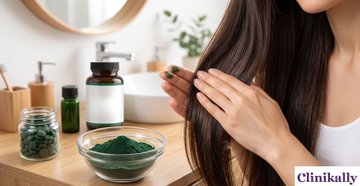
Spirulina has emerged as a popular superfood add-on in modern hair care, for hair that feels more strong and not just “okay” , but healthier, more nourished. It’s a blue green algae, and it’s loaded with protein , amino acids, vitamins, minerals and antioxidants. Because of that, you’ll see it in hair growth supplements , scalp treatments, and all those “nourishing” hair care products people buy when they want something more natural. The question always comes, like what are the benefits of spirulina for hair , and can it help with hair fall, thinning hair or even scalp health? Since more consumers are hunting for natural remedies for hair growth and ways to boost hair strength spirulina just keeps standing out with that nutrient dense profile. If you get what spirulina is doing for hair health, it feels easier to make better choices for a routine that actually works.
What Is Spirulina and How Does It Support Hair Health?
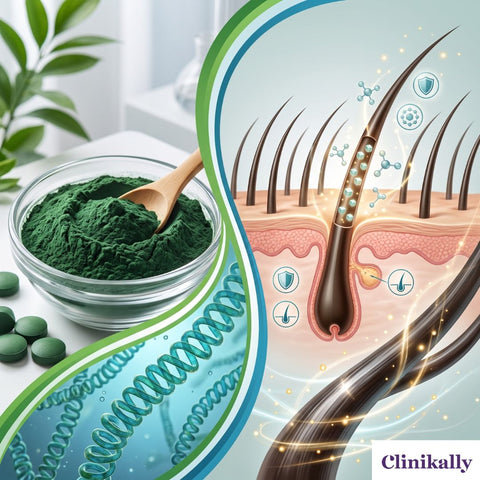
Spirulina itself is a nutrient rich blue-green algae, it is pretty well known as a superfood for overall wellness, and yes, including hair health. It has protein, iron, zinc, B vitamins, essential amino acids and antioxidants that are pretty strong. So, it may help you support stronger hair strands and a scalp environment that stays more balanced. A lot of people ask “Is spirulina good for hair growth?” ,and “Can spirulina help reduce hair fall?” Research is still in progress but the nutrient stack is the main reason it’s often tied to helping with thinning hair, especially when thinning is connected to nutritional gaps and weaker follicles. Also, because spirulina has antioxidant properties it may help manage oxidative stress, which is linked with premature hair ageing and hair loss. That’s why it shows up so often in hair growth supplements and more holistic hair care habits, even when people want something gentle.
The Science Behind Spirulina and Its Nutrient Rich Composition
Spirulina is widely recognized as a nutrient-dense superfood, valued for its exceptional concentration of proteins, vitamins, minerals, and antioxidants. Its scientifically studied nutritional profile has contributed to its growing popularity in hair growth supplements, scalp care products, and holistic wellness routines focused on stronger, healthier hair.
-
Spirulina contains approximately 60–70% high-quality plant protein, providing essential amino acids that support keratin synthesis, a key component of healthy hair structure.
-
Iron helps deliver oxygen and nutrients to hair follicles, supporting normal hair growth and reducing the risk of hair weakness associated with nutritional deficiencies.
-
Compounds such as phycocyanin, beta-carotene, and vitamin E help protect hair follicles from oxidative stress, which is often linked to premature hair ageing and increased hair fall.
-
Spirulina provides important B vitamins that support cellular metabolism, energy production, and overall scalp health.
-
Zinc, copper, magnesium, selenium, and manganese contribute to healthy follicle function, scalp balance, and stronger-looking hair.
-
Naturally occurring fatty acids help support scalp nourishment and maintain optimal moisture levels for healthier hair growth conditions.
-
Chlorophyll contributes to spirulina's nutrient density and is often associated with overall wellness and cellular support.
-
Individuals exploring natural solutions for hair fall, thinning hair, and hair growth often consider spirulina because its nutrient profile addresses several nutrients commonly linked to healthy hair maintenance.
-
Spirulina delivers a broad spectrum of micronutrients in a compact form, making it a popular addition to beauty-from-within and hair health regimens.
-
By supplying proteins, antioxidants, vitamins, and minerals, spirulina may help create a healthier scalp environment that supports stronger, more resilient hair over time.
The growing interest in spirulina for hair health stems from its unique combination of essential nutrients that support hair strength, scalp nourishment, and overall wellness. Its nutrient-rich composition continues to make it a sought-after ingredient in modern hair care and nutritional support strategies.
How Spirulina Helps Nourish the Scalp and Hair Follicles
A healthy scalp is the foundation of strong, resilient hair, and proper nourishment of the hair follicles plays a crucial role in supporting normal hair growth. Spirulina has gained attention in hair care due to its rich blend of proteins, antioxidants, vitamins, and minerals that may help promote a healthier scalp environment and support overall hair wellness.
-
Spirulina provides essential nutrients, including amino acids, iron, and zinc, that help nourish hair follicles and support healthy hair growth cycles.
-
Its nutrient-rich profile may help maintain scalp balance, creating favorable conditions for stronger, healthier-looking hair.
-
Antioxidants such as phycocyanin and beta-carotene help protect scalp cells and hair follicles from free radical damage that can contribute to hair thinning.
-
The iron content in spirulina contributes to normal oxygen transport, helping ensure hair follicles receive the nutrients needed for optimal function.
-
Proteins and essential amino acids support the structural components of hair, helping improve overall hair strength from the root.
-
Beneficial fatty acids may help maintain scalp moisture levels, reducing dryness and supporting scalp comfort.
-
Key minerals such as zinc, magnesium, and copper play important roles in cellular processes associated with scalp and follicle health.
-
Since nutrient deficiencies are commonly associated with hair fall and weakened hair, spirulina offers a concentrated source of multiple hair-supporting nutrients.
-
Consistent nutritional support may help improve the appearance of hair density, manageability, and overall vitality.
-
Individuals seeking natural ingredients for hair fall control, scalp nourishment, and stronger hair often incorporate spirulina into their wellness and hair care regimens.
By helping nourish the scalp and support healthy hair follicle function, spirulina contributes to an environment where hair can look stronger, healthier, and better maintained. Its nutrient-dense composition continues to make it a valuable ingredient in modern scalp care and hair growth support strategies.
Spirulina and Antioxidant Protection: Supporting Healthier Hair Naturally
Environmental stressors, pollution, UV exposure, and everyday oxidative damage can affect both scalp health and hair quality over time. Spirulina is valued not only for its nutrient density but also for its powerful antioxidant properties, which may help protect the scalp and hair follicles from free radical damage while supporting stronger, healthier-looking hair.
-
Spirulina contains potent antioxidant compounds, including phycocyanin, beta-carotene, vitamin E, and chlorophyll, which help neutralize free radicals.
-
Oxidative stress is often associated with hair thinning, weakened strands, and premature hair ageing. Spirulina's antioxidants help support the body's natural defense mechanisms.
-
Antioxidant activity may help shield hair follicles from environmental aggressors such as pollution, UV exposure, and other external stressors that can affect hair health.
-
By helping protect scalp cells from oxidative damage, spirulina may contribute to a healthier scalp environment for optimal hair growth.
-
Reduced oxidative damage can help maintain hair strength, resilience, and overall hair quality.
-
Antioxidant-rich ingredients are increasingly sought after for supporting healthy-looking hair and helping address concerns related to early signs of hair ageing.
-
Spirulina's nutrient and antioxidant profile helps support normal cellular function, which is essential for healthy hair and scalp maintenance.
-
Individuals exploring natural ways to support hair growth, reduce hair fall, and improve scalp health often include antioxidant-rich ingredients like spirulina in their wellness plans.
-
In addition to antioxidants, spirulina delivers proteins, vitamins, and minerals that contribute to comprehensive hair nourishment.
-
As interest in holistic hair care grows, spirulina remains a trending ingredient for those seeking nutritional and antioxidant support for healthier hair.
Spirulina's antioxidant-rich composition makes it a valuable addition to hair wellness strategies focused on protecting the scalp and hair follicles from everyday environmental stress. Combined with its impressive nutritional profile, it offers natural support for maintaining stronger, healthier, and more resilient hair over time.
The Benefits of Spirulina for Hair Strength and Hair Growth
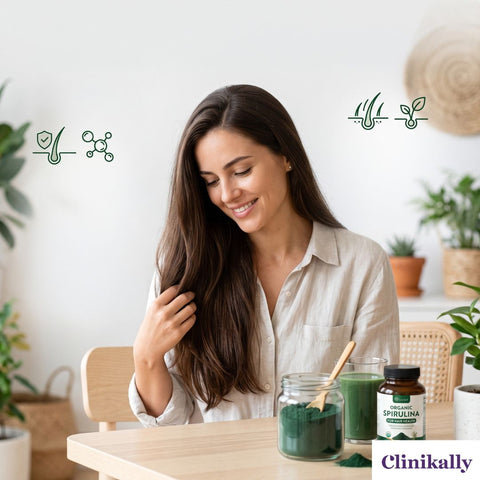
Spirulina has become a popular ingredient in hair wellness and beauty-from-within routines due to its impressive nutritional profile. Rich in protein, antioxidants, vitamins, and essential minerals, spirulina is often associated with supporting hair strength, scalp health, and healthy hair growth. Its nutrient density makes it a sought-after natural ingredient for individuals looking to improve overall hair quality and resilience.
-
Spirulina is naturally rich in protein and amino acids, which help support keratin production, an essential component of strong, healthy hair.
-
Nutrients that support hair integrity may help improve strand resilience, making hair less prone to breakage and damage.
-
By providing key vitamins, minerals, and antioxidants, spirulina helps support a scalp environment conducive to healthy hair growth.
-
Iron, zinc, magnesium, and other micronutrients contribute to normal follicle function and overall hair wellness.
-
Proper nutritional support can help improve the appearance of hair density, fullness, and vitality over time.
-
Individuals experiencing hair thinning or increased hair fall often seek nutrient-rich ingredients such as spirulina to complement a balanced hair care routine.
-
Antioxidants help protect hair follicles from oxidative stress, which can negatively impact hair strength and growth.
-
A healthy scalp is essential for maintaining strong hair, and spirulina's nutrient profile may help support scalp balance and nourishment.
-
Adequate protein and mineral intake can help maintain flexible, healthier-looking hair that is less susceptible to everyday damage.
-
As interest grows in natural remedies for hair growth and holistic hair care, spirulina continues to gain attention as a nutrient-rich superfood for hair support.
-
Spirulina is frequently included in wellness regimens focused on supporting healthy hair, glowing skin, and overall nutritional balance.
By delivering a powerful combination of proteins, antioxidants, vitamins, and minerals, spirulina helps support stronger hair, healthier follicles, and long-term hair wellness. While results may vary based on individual needs and overall nutrition, its nutrient-rich composition makes it a valuable addition to comprehensive hair growth and hair-strengthening routines.
Spirulina for Hair Strengthening and Reduced Hair Breakage
Spirulina is also getting more recognition for hair strengthening, mainly because it’s got a concentrated amount of protein and essential amino acids, plus iron and zinc, along with antioxidants. Those nutrients matter for hair structure, so strands can stay stronger and more flexible against everyday stressors. If someone is trying to know “what are the natural remedies for hair breakage, weak hair or thinning hair?” Spirulina tends to be the answer and is explored because it offers those nutrients that are usually connected with healthy hair upkeep. By supporting keratin production and giving hair follicles the kind of nourishment they need, spirulina might help improve texture, lower fragility, and make hair look healthier. Its nutrient packed profile also makes it a common pick for beauty-from-within routines, like the kind that focus on wellness too, not just masks and conditioners.
Hair breakage usually shows up from several things, nutrition shortfalls, environmental damage, oxidative stress, and weakened hair fibers. Spirulina’s blend of antioxidants, vitamins and minerals can help support scalp health, and it may also protect hair from free radical damage that, over time, can mess with hair strength. When people get more curious about beauty-from-within approaches , and when they look at hair growth supplements, spirulina is still popular for those aiming for stronger, thicker-looking hair. With regular nutritional support, it can help hair feel more resilient, improve elasticity, and make strands easier to manage, so brittle or damaged areas may look less obvious. Still, it works best when you pair it with a balanced diet and decent hair care practices, not as a solo miracle fix.
Supporting Hair Growth and Thickness with Spirulina Based Care
Spirulina-based hair care has really caught on with people trying natural ways to support hair growth, improve hair thickness, and keep the scalp in a healthier place. It’s rich in protein, amino acids, iron, zinc and antioxidants, so it provides nutrients that help nourish hair follicles and support healthy hair growth cycles. Since more shoppers are asking for help with hair thinning, hair fall, and weak hair, spirulina keeps showing up as a nutrient-dense ingredient in holistic hair care and “beauty from within” ideas. If it helps maintain a healthy scalp environment, and supports follicle function , then spirulina-based care may help hair look fuller, feel stronger, and stay healthier long term.
Hair thickness is affected by things like nutrition, scalp condition, oxidative stress, and overall follicle health. Spirulina includes a range of vitamins, minerals, and antioxidant compounds, which all tie into these key parts of hair wellbeing. Its antioxidant actions may help shield follicles from environmental stress, while its nutrient profile supports stronger strands and better resilience. For anyone exploring natural ingredients for hair growth support and thicker-looking hair, spirulina remains a steady choice because it brings comprehensive nutritional benefits. If it’s part of a balanced wellness plan and a consistent hair care routine, spirulina can support hair that looks denser and more lively over time, not overnight but gradually.
Spirulina for Dry and Damaged Hair: Improving Hair Texture Naturally
Dry and damaged hair is often caused by heat styling, chemical treatments , environmental stress, and just not enough nourishment. So a lot of people end up seeking natural solutions for smoother and healthier-looking hair. Spirulina has gained popularity because it has a high concentration of proteins, amino acids, vitamins, minerals, and antioxidants, which can support overall hair health. These nutrients can help maintain strength, softness, and resilience, and they may improve how rough or brittle strands appear. As interest grows in natural remedies for dry hair and damaged hair repair, spirulina is still viewed as a nutrient rich ingredient that supports healthier texture and a more nourished, manageable look.
Spirulina-based hair care can help hair wellness by nourishing both the scalp and the hair fibers with nutrients tied to healthy maintenance. The antioxidant part helps protect hair from oxidative stress caused by pollution, UV exposure, and other environmental factors that can lead to dullness and dryness. Also, the protein-rich profile supports hair’s structural integrity, so strands may look smoother, feel stronger, and be less prone to breaking. Individuals searching for ways to improve hair texture naturally, enhance hair softness, and restore vitality to damaged hair often incorporate spirulina into their wellness and hair care routines. Regular nutritional support can contribute to healthier-looking, shinier, and more resilient hair over time.
Adding Spirulina into Your Hair Care Routine
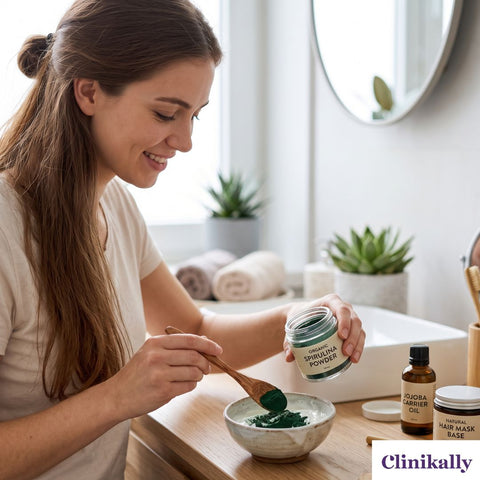
Adding spirulina into your hair care routine is getting more popular, for people wanting stronger and healthier-looking hair, kind of through nutrition + scalp care, at the same time. It has protein, amino acids, iron, zinc, vitamins, and antioxidants, so spirulina is often mixed into hair growth supplements, scalp treatments, and those “beauty-from-within” routines that people swear by. If you are looking up natural remedies for hair fall, trying to solve thinning hair, or just wanting better hair strength, it makes sense that spirulina shows up a lot, because its nutrient-dense makeup supports the whole process, not only the surface. By helping feed hair follicles, supporting scalp health, and guarding against oxidative stress, spirulina can be a helpful add-on to an already balanced hair care plan. Over time, bringing this superfood into your wellness plan might support improved hair texture, resilience, and overall hair vitality, even if results vary person to person.
Spirulina Hair Masks, Shampoos, and Supplements for Hair Wellness
Spirulina is increasingly featured in a variety of hair wellness products, from hair masks and shampoos to nutritional supplements. Its rich blend of protein, antioxidants, vitamins, and minerals has made it a sought-after ingredient for individuals looking to support hair growth, reduce hair breakage, improve scalp health, and enhance overall hair quality through both topical and nutritional approaches.
Using spirulina-based shampoos, hair masks, and supplements together offers a holistic approach to supporting scalp health, hair strength, and overall hair appearance. As consumers increasingly seek clean beauty and nutrient-focused hair care solutions, spirulina continues to gain recognition as a versatile ingredient for hair wellness. Whether incorporated through hair masks, shampoos, or dietary supplements, spirulina offers multiple ways to support hair wellness. Its nutrient-rich composition and growing popularity in natural hair care make it a valuable addition to routines focused on healthier, stronger, and more vibrant-looking hair.
Spirulina Hair Masks for Deep Nourishmen
Hair masks formulated with spirulina help deliver nutrient-rich care to the hair and scalp, supporting softness, manageability, and healthier-looking strands.
-
Spirulina hair masks are commonly used to improve the appearance of rough, brittle, or dull hair by providing intensive conditioning support.
-
Shampoos containing spirulina help cleanse the scalp while providing antioxidant and nutrient support that complements a healthy hair care routine.
-
Regular scalp cleansing combined with nutrient-rich ingredients may help create a healthier environment for strong, resilient hair.
-
Spirulina-infused shampoos are often chosen by individuals seeking stronger-looking hair that is less prone to everyday breakage.
Spirulina Supplements for Beauty From Within
Nutritional supplements containing spirulina provide proteins, amino acids, iron, zinc, and antioxidants that support overall hair wellness from within.
-
Many people exploring natural support for hair thinning and hair fall incorporate spirulina supplements into broader hair growth and wellness regimens.
-
Spirulina supplements help supply nutrients commonly associated with healthy hair maintenance and scalp nourishment.
-
Consistent nutritional support may contribute to fuller-looking, healthier-looking hair as part of a balanced diet and lifestyle.
Few Spiluna enriched supplements are:
-
Inlife Spirulina Shaivala Ghanasatva 2000mg Supplement Tablet
-
Miduty Blue Spirulina + PeakATP® With Phycocyanin Coating Tablet
Combining Spirulina with Other Natural Haircare Ingredients for Better Results
Spirulina is often combined with other nutrient-rich natural hair care ingredients to create a more comprehensive approach to hair wellness. Its protein, antioxidant, vitamin, and mineral content works synergistically with various botanical extracts, oils, and scalp-supporting ingredients, helping address common concerns such as hair fall, dryness, breakage, thinning hair, and lack of shine.
-
Spirulina + Aloe Vera: This combination helps support scalp hydration, soothe dryness, and promote a healthier scalp environment for stronger-looking hair.
-
Spirulina + Rosemary: Rosemary is widely used in hair care routines focused on scalp wellness and hair growth support, making it a popular pairing with spirulina.
-
Spirulina + Coconut Oil: Coconut oil helps nourish and condition hair strands, while spirulina provides nutrients that support overall hair strength and resilience.
-
Spirulina + Castor Oil: Frequently included in hair-thickening routines, castor oil complements spirulina's nutrient profile to support fuller-looking hair.
-
Spirulina + Argan Oil: This combination helps improve hair softness, manageability, and shine while supporting protection against dryness and frizz.
-
Spirulina + Biotin: Often found in beauty-from-within formulations, biotin and spirulina work together to provide nutritional support for healthy hair maintenance.
-
Spirulina + Fenugreek: Fenugreek is commonly used in natural hair care for scalp nourishment and hair strengthening, making it a beneficial companion ingredient.
-
Spirulina + Amla: Rich in antioxidants and vitamin C, amla complements spirulina's antioxidant properties to support overall scalp and hair health.
-
Spirulina + Hibiscus: Hibiscus is valued for promoting softer, healthier-looking hair and pairs well with spirulina in hair masks and scalp treatments.
-
Spirulina + Keratin-Supporting Ingredients: Since spirulina is rich in amino acids and protein, combining it with keratin-focused hair care products may help support stronger, smoother hair.
-
Spirulina + Antioxidant-Rich Botanicals: Ingredients such as green tea, moringa, and grape seed extract can enhance antioxidant support for the scalp and hair follicles.
-
Supports Multiple Hair Concerns Simultaneously: Combining spirulina with complementary ingredients helps create targeted routines for hair growth support, scalp care, hydration, strength, and improved hair texture.
By pairing spirulina with other well-known natural hair care ingredients, it is possible to create a more balanced and multifaceted hair wellness routine. These combinations can help support scalp health, strengthen hair strands, improve hydration, and enhance overall hair appearance while aligning with growing interest in holistic and nutrient-focused hair care solutions.
Tips for Using Spirulina Safely for Long Term Hair Health
Spirulina is widely used in hair wellness routines due to its rich nutritional profile and potential to support scalp health, hair strength, and overall hair vitality. To maximize its benefits for long-term hair health, it is important to use spirulina thoughtfully and as part of a balanced approach that includes proper nutrition, scalp care, and healthy lifestyle habits.
-
Choose High-Quality Spirulina Products: Select spirulina from reputable manufacturers that follow quality and purity standards to help ensure product safety and consistency.
-
Follow Recommended Usage Guidelines: Whether using spirulina supplements, hair masks, or shampoos, always follow the manufacturer's directions for appropriate use.
-
Introduce Spirulina Gradually: When adding spirulina to a wellness routine, gradual incorporation may help assess individual tolerance and compatibility.
-
Maintain a Balanced Diet: Spirulina works best as part of a nutrient-rich diet that supports healthy hair growth, scalp health, and overall wellness.
-
Stay Consistent Rather Than Excessive: Long-term consistency is generally more beneficial than overuse when supporting hair health through nutritional and topical care.
-
Perform a Patch Test for Topical Products: Before using spirulina-based hair masks or scalp treatments, test a small area of skin to check for potential irritation.
-
Support Overall Scalp Health: Combine spirulina with regular scalp cleansing, hydration, and protective hair care practices for optimal results.
-
Manage Environmental Hair Stressors: Reducing excessive heat styling, harsh chemical treatments, and environmental damage can help support the benefits of spirulina-based care.
-
Pair with Complementary Hair Care Ingredients: Combining spirulina with nourishing ingredients such as aloe vera, rosemary, amla, or argan oil may help support a more comprehensive hair wellness routine.
-
Focus on Long-Term Hair Wellness: Hair growth and strength improvements often require consistent care over time, making patience and routine maintenance important.
-
Monitor Individual Results: Hair type, scalp condition, nutritional status, and lifestyle factors can influence how hair responds to spirulina-based products and supplements.
-
Support Hydration and Overall Wellness: Adequate hydration, sleep, stress management, and balanced nutrition all contribute to healthier hair and scalp function.
When used responsibly and consistently, spirulina can be a valuable addition to a long-term hair care strategy. Combined with healthy lifestyle habits and a well-rounded hair care routine, this nutrient-dense superfood may help support stronger, healthier-looking hair and ongoing scalp wellness.
Building a Healthy Hair Care Routine with Nutrient Rich Ingredients
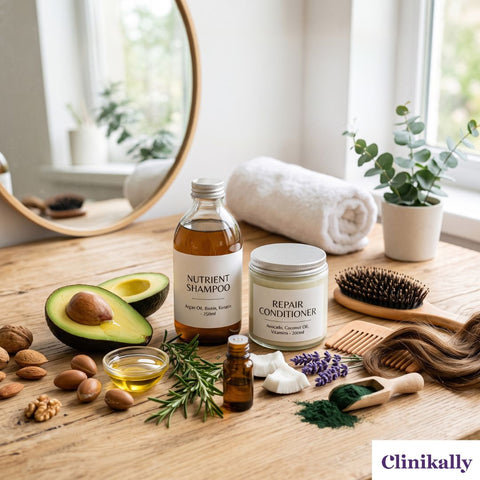
Starting a solid hair care routine really means picking ingredients that are nutrient-rich, so they can back up scalp health, hair strength, and long-term hair wellness. Superfoods and botanical ingredients that are rich in proteins, amino acids, vitamins, minerals, and antioxidants can help nourish hair follicles, boost hair texture, and promote hair that looks stronger, too. Since more consumers are searching for natural remedies for hair growth, hair fall solutions, and ways to get thicker hair, a holistic approach feels important, one that mixes proper nutrition, scalp care, hydration, and protective hair practices. Using nutrient-rich hair care ingredients consistently can help your hair become more resilient, reduce breakage, and keep overall hair vitality in a good place, so you end up with hair that’s shinier, healthier, and easier to manage later on.