Savouring Strawberries: Unpacking Their Nutritional and Health Secrets

Strawberries, with their vibrant red hue and sweet, tangy flavour, are more than just a delightful treat—they're a nutritional powerhouse. Packed with vitamins, antioxidants, and essential nutrients, strawberries offer a myriad of health benefits that make them a valuable addition to any diet. From boosting heart health to enhancing skin vitality, these juicy berries hold secrets that contribute to overall well-being. We, at Clinikally, have delved into the nutritional profile of strawberries to uncover the remarkable health benefits of strawberries that they bring to the table for you.
Nutritional Snapshot: What's Inside a Strawberry?

Strawberries are a nutritional powerhouse packed with essential vitamins, minerals, and fibre. Continue reading to explore the Strawberry nutrition profile and benefits of each macronutrient and micronutrient it offers. From superstar vitamin C to heart-healthy potassium and gut-loving fibre, strawberries deserve a prominent place in your diet.
A. Macronutrients: A Breakdown
- Carbohydrates: Strawberries are primarily composed of carbohydrates. However, it's important to note that a good portion of this comes from fibre. Basically, fibre is a complex carbohydrate that keeps you feeling full for longer, promotes digestive health, and may even help regulate blood sugar levels. The remaining carbs are mostly simple sugars like fructose, which contribute to the fruit's sweetness.
- Protein and Fat: While not a significant source of protein or fat, strawberries do contain small amounts (around 0.7 grams of protein and 0.3 grams of fat per serving). This small amount of fat helps with nutrient absorption and adds a touch of satiety.
B. Micronutrient Powerhouse:
- Vitamin C: Strawberries offer nearly 150% of the DV per serving. This vitamin strengthens the immune system, aids in wound healing, and promotes collagen production for healthy skin and joints.
- Manganese: Strawberries are a huge source of manganese as well. This mineral plays a vital role in enzyme function, carbohydrate and fat metabolism, and antioxidant defences, helping protect your cells from damage.
- Vitamin B9: Folate, also known as vitamin B9, is essential for cell growth and DNA synthesis. It's particularly crucial during pregnancy for foetal development. Strawberries provide a good amount of folate, making them a beneficial choice for expecting mothers.
- Potassium: This mineral is a key player in maintaining healthy blood pressure and nerve function. While not as rich in potassium as some other fruits, strawberries still contribute a decent amount to your daily needs.
- Fibre: As mentioned previously, strawberries offer a good amount of fibre, thus promoting gut health, supporting digestion, and helping in the management of blood sugar levels.
- Other Essentials: Strawberries also contain smaller amounts of iron, copper, magnesium, phosphorus, vitamin B6, vitamin K, and vitamin E. These micronutrients work together to support various bodily functions, contributing to overall health and well-being.
Remember, strawberries are a natural source of nutrients, and portion size matters. While the information above highlights the benefits per serving, consuming excessive amounts could lead to increased sugar intake. Enjoy strawberries as part of a balanced diet to reap their maximum health benefits!
A Vitamin C Powerhouse: Beyond Citrus Fruits
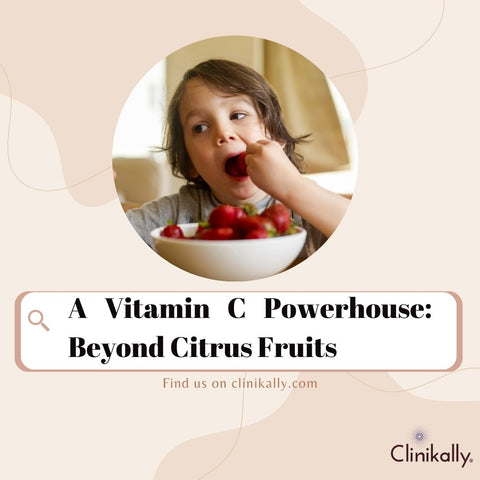
When it comes to vitamin C, citrus fruits like oranges and lemons often steal the spotlight. However, strawberries are a potent and delicious source of this essential nutrient, offering numerous health benefits that make them a standout in the vitamin C arena.
1. Rich in Vitamin C
Strawberries are incredibly rich in vitamin C, surpassing even some citrus fruits in concentration. A single cup of strawberries provides about 89 milligrams of vitamin C, which is more than 100% of the recommended daily intake for adults. This makes strawberries an excellent option for boosting your immune system and overall health.
2. Antioxidant Benefits
Vitamin C is a powerful antioxidant that helps protect the body from harmful free radicals, which can cause oxidative stress and damage cells. These antioxidant properties of strawberries are a result of high vitamin C content in strawberries helps neutralise these free radicals, reducing inflammation and lowering the risk of chronic diseases such as heart disease and cancer.
3. Skin Health
Strawberries' vitamin C content plays a crucial role in collagen production, a protein essential for skin elasticity and strength. Regular consumption of strawberries can help maintain youthful skin, reduce wrinkles, and promote a healthy complexion. The antioxidants in strawberries also help combat skin damage caused by UV rays and pollution. Thus, consuming strawberries for skin health is a great option!!
4. Immune System Support
Vitamin C is well-known for its immune-boosting properties. By consuming strawberries, you can help enhance your body's ability to fight off infections and illnesses. This is particularly important during cold and flu season when the immune system needs extra support. Thus, Boosting immunity with strawberries helps in keeping flu and common cold away.
5. Improved Iron Absorption
Vitamin C enhances the absorption of nonheme iron (the type of iron found in plant-based foods) in the body. Including strawberries in your diet can help improve iron levels, particularly for individuals who follow a vegetarian or vegan diet, where iron absorption might be a concern.
6.Cardiovascular Health
The antioxidants and vitamin C in strawberries contribute to heart health by reducing oxidative stress and inflammation. Studies have shown that regular consumption of strawberries can help lower blood pressure, improve cholesterol levels, and reduce the risk of heart disease. Thus cardiac system functions very well with strawberries and heart health is thus ensured.
7. Eye Health
Vitamin C, along with other antioxidants found in strawberries, can help protect the eyes from cataracts and age-related macular degeneration. These antioxidants safeguard the eyes from damage caused by free radicals and oxidative stress, promoting long-term eye health.
8. Easy and Versatile to Include in Diet
Incorporating strawberries into your diet is simple and versatile. They can be enjoyed fresh, added to smoothies, salads, desserts, or even used as a topping for yogurt and cereals. Their sweet and tangy flavour makes them a delightful addition to various dishes, ensuring you get your daily dose of vitamin C in a tasty way.
Strawberries are more than just a sweet treat; they are a vitamin C powerhouse with a wide range of health benefits. From boosting the immune system and enhancing skin health to protecting against chronic diseases, strawberries offer an excellent alternative to citrus fruits for meeting your vitamin C needs. So next time you're looking for a nutritious snack, reach for strawberries and enjoy their myriad benefits.
Fibre, Antioxidants, and More: A Closer Look at Strawberry's Nutrient Density

Beyond their delightful organoleptic properties and vibrant hue, strawberries offer a remarkable array of health benefits due to their exceptional nutrient density.
A. Dietary Fibre: Aiding Digestion and Satiety
Unlike citrus fruits, strawberries are a noteworthy source of dietary fibre. The fibre content in strawberries is approximately 2 grams per 3.5-ounce serving. This crucial element fosters a healthy gut microbiome, promoting efficient digestion and gastrointestinal health. Additionally, dietary fibre contributes to feelings of satiety, potentially aiding in weight management efforts by promoting a sense of fullness and reducing overall calorie intake.
B. Antioxidant Arsenal: Combating Free Radical Damage
Strawberries extend their health benefits beyond simple fibre content. They boast a rich concentration of antioxidants, potent compounds that combat free radicals within the body. Free radicals are unstable molecules that can damage cells and contribute to various chronic health conditions. The vibrant red colour of strawberries is attributed to anthocyanins, a class of antioxidants with well-documented anti-inflammatory properties. Furthermore, strawberries contain ellagic acid, another antioxidant currently under investigation for its potential benefits in cardiovascular health and even certain cancers (although further research is warranted.
C. Micronutrient Powerhouse: Essential Minerals and Vitamins
While vitamin C and fibre occupy the spotlight, strawberries offer a treasure trove of other essential micronutrients:
-
Essential Minerals:
They are a source of various minerals, including potassium, a critical element for maintaining healthy blood pressure and proper nerve function. Manganese is another significant mineral found in strawberries, supporting optimal enzyme function, metabolism, and the body's antioxidant defences.
- Macronutrient Balance:
Strawberries provide a balanced blend of carbohydrates for energy production, a modest amount of protein for satiety, and minimal fat content.
- Spectrum of Vitamins:
Beyond the well-known vitamin C, strawberries encompass folate (vitamin B9), crucial for cell growth and DNA synthesis, particularly during pregnancy. Additionally, they contain smaller quantities of vitamins B6, K, and E, each contributing to various physiological processes.
D. Nutrient Density in Focus
In the realm of nutrition, the concept of density holds significant value. Nutrient-dense foods, such as strawberries, concentrate a wealth of essential vitamins, minerals, and fibre within a relatively low-calorie package. This characteristic makes them a prudent choice for individuals seeking to maximise their nutrient intake while adhering to a healthy weight management plan.
E. Incorporating Strawberries for Optimal Health
The versatility of strawberries is another noteworthy aspect. They can be enjoyed fresh, frozen, or incorporated into a variety of dishes, including smoothies, yogurt parfaits, salads, and even desserts. Their inherent sweetness makes them a natural choice for healthy snacking, and their vibrant colour adds a touch of aesthetic appeal to any culinary creation.
In conclusion, strawberry transcends its reputation as a delightful summer fruit. It emerges as a potent source of dietary fibre, antioxidants, and essential micronutrients, making it a valuable addition to a well-balanced diet and a potential contributor to overall health and well-being.
Low-Calorie Delight: How Strawberries Support Weight Management

Strawberries are a low-calorie delight that supports weight management through several key mechanisms. Firstly, they are exceptionally low in calories, with approximately 50 calories per cup, making them a guilt-free snack or addition to meals. Secondly, their high fibre content aids in digestion and promotes a feeling of fullness, which can help reduce overall calorie intake. Additionally, the natural sugars in strawberries provide a sweet taste without spiking blood sugar levels, making them suitable for those monitoring their glycemic index. Moreover, strawberries are rich in vitamins, minerals, and antioxidants, supporting overall health while contributing to a balanced diet conducive to weight management goals.
Health-Enhancing Benefits: Why Strawberries Are Superfoods

Strawberries are often hailed as superfoods due to their impressive array of health-enhancing benefits. Rich in antioxidants like vitamin C and flavonoids, strawberries help combat oxidative stress and inflammation, promoting overall health. They are also a good source of dietary fibre, aiding in digestion and maintaining healthy cholesterol levels. Additionally, strawberries contain essential nutrients such as manganese, folate, and potassium, which support bone health, energy production, and cardiovascular function. With their low calorie content and high nutrient density, strawberries are an excellent choice for those looking to boost their diet with a delicious and nutritious fruit. Continue reading to understand more.
Heart Health Heroes: Strawberries' Cardiovascular Benefits
Strawberries play a significant role in promoting heart health due to their rich nutrient profile and various beneficial properties:
-
Vitamin C: Strawberries are loaded with vitamin C, a powerful antioxidant that helps neutralise free radicals. This action reduces oxidative stress in the body, which is linked to cardiovascular diseases like heart disease and stroke.
- Compounds, such as anthocyanins and quercetin found in strawberries, have anti-inflammatory effects and help improve blood vessel function, reducing the risk of heart disease.
- Potassium and magnesium in strawberries help regulate blood pressure by counteracting the effects of sodium and relaxing blood vessel walls. This contributes to lower blood pressure levels and reduces strain on the heart.
- The nitrate content in strawberries promotes improved blood flow by dilating blood vessels. This effect can lower the risk of clot formation and improve overall circulation, benefiting heart function.
- Chronic inflammation is a significant risk factor for heart disease. The anti-inflammatory properties of strawberries, especially from compounds like anthocyanins and vitamin C, help reduce inflammation markers and protect heart tissues.
- Being low in calories and rich in fibre, strawberries support weight management efforts. Maintaining a healthy weight reduces the risk of heart disease and associated conditions like diabetes and hypertension.
- Regular consumption of strawberries as part of a balanced diet contributes to overall heart protection. Their combination of antioxidants, vitamins, minerals, and fibre supports cardiovascular health by reducing risk factors such as high blood pressure, inflammation, and cholesterol levels.
- Fibre and antioxidants in strawberries help lower LDL (bad) cholesterol levels and increase HDL (good) cholesterol levels. This balance is crucial for reducing the risk of plaque buildup in arteries and improving heart health.
- Strawberries can be a beneficial addition to a diabetes management plan due to their low glycemic index and high nutrient content. With a low glycemic index, strawberries cause a slower rise in blood sugar levels, making them a suitable fruit choice for individuals with diabetes. By managing diabetes with strawberries, heart health is also taken care of.
Incorporating strawberries into your diet regularly, whether fresh, frozen, or in smoothies and salads, can significantly contribute to maintaining a healthy heart and reducing the risk of cardiovascular diseases.
Skin Glow and Cancer Protection: The Antioxidant Effect

Strawberries are renowned for their antioxidant properties, which play a crucial role in promoting skin glow and potentially offering protection against cancer. Here’s how their antioxidant effects contribute to these benefits:
1. Antioxidants in Strawberries
-
Vitamin C:
Strawberries are exceptionally rich in vitamin C, a potent antioxidant. Vitamin C helps neutralize free radicals produced from exposure to UV rays, pollution, and other environmental stressors. By doing so, it helps prevent oxidative stress in the skin, which can lead to premature aging, wrinkles, and dullness.
-
Anthocyanins:
These are flavonoid pigments responsible for the deep red color of strawberries. Anthocyanins have strong antioxidant properties that protect skin cells from oxidative damage. They help maintain skin elasticity, improve microcirculation, and enhance overall skin tone.
-
Quercetin:
Another flavonoid found in strawberries, quercetin acts as an antioxidant and anti-inflammatory agent. It helps neutralize free radicals and reduces inflammation in the skin, which can contribute to conditions like acne, eczema, and psoriasis.
2. Skin Glow Benefits
-
Brightening Effect: The combination of vitamin C, anthocyanins, and other antioxidants in strawberries helps brighten the skin by reducing pigmentation and dark spots.
-
Anti-Aging Properties: By protecting against oxidative stress and promoting collagen synthesis, strawberries help maintain skin elasticity and reduce the appearance of fine lines and wrinkles.
-
Hydration: Strawberries contain water and essential nutrients that help hydrate the skin, leaving it soft, supple, and radiant.
3. Cancer Protection Potential
-
Antioxidant Defence: The antioxidants in strawberries, particularly vitamin C and anthocyanins, combat oxidative stress that can damage DNA and contribute to the development of cancerous cells.
-
Anti-Inflammatory Effects: Chronic inflammation is linked to an increased risk of cancer. The anti-inflammatory properties of strawberries help reduce inflammation markers in the body, potentially lowering cancer risk. Thus strawberries in cancer prevention can prove to be extremely useful.
-
Quercetin Benefits: Studies suggest that quercetin may inhibit the growth of cancer cells and reduce the formation of tumors, although more research is needed to fully understand its mechanisms.
4. Incorporating Strawberries for Skin Health
To maximise the skin glow and potential cancer protection benefits of strawberries:
-
Eat Fresh: Enjoy strawberries regularly as part of your diet to benefit from their antioxidant content.
-
Topical Application: Some skincare products include strawberry extracts or derivatives for their antioxidant and skin-brightening effects.
-
Combine with Other Antioxidants: Pair strawberries with other antioxidant-rich foods like blueberries, spinach, and nuts for a synergistic effect.
Strawberries offer not only a delicious addition to your diet but also potent antioxidant benefits for skin health and potential protection against cancer. Their rich array of vitamins, minerals, and phytonutrients makes them a valuable ally in maintaining glowing, youthful skin and supporting overall well-being.
Gut Health and Immunity Boost: Strawberries' Role in Digestive Wellness

Strawberries contribute to digestive wellness and boost immunity through several mechanisms, making them a valuable addition to a healthy diet. Continue reading to explore the importance of strawberries for digestive health:
-
Fibre Content:
Strawberries are a good source of dietary fibre, which plays a crucial role in digestive health. Fibre adds bulk to stool, promoting regular bowel movements and preventing constipation. This helps maintain a healthy digestive system.
-
Prebiotic Potential:
Certain fibres in strawberries, such as pectin, act as prebiotics. Prebiotics are non-digestible compounds that promote the growth and activity of beneficial gut bacteria (probiotics). A healthy balance of gut microbiota supports digestion, nutrient absorption, and overall immune function.
-
Vitamin C and Antioxidants:
Vitamin C and various antioxidants in strawberries help reduce inflammation in the digestive tract. Chronic inflammation can contribute to conditions like inflammatory bowel disease (IBD). By combating oxidative stress and inflammation, strawberries support gut health.
-
Immune Support:
The immune system relies heavily on a healthy gut environment. Around 70% of the body's immune cells are located in the gut-associated lymphoid tissue (GALT). Antioxidants in strawberries help protect immune cells from oxidative damage, enhancing overall immunity.
-
Hydration and Digestion:
Strawberries have high water content, which aids in hydration and supports the digestive process. Proper hydration helps soften stool and facilitates smoother digestion.
-
Polyphenols and Gut Health:
Polyphenols found in strawberries, such as anthocyanins and ellagic acid, have been studied for their potential to improve gut barrier function. They help maintain the integrity of the intestinal lining, reducing the risk of leaky gut syndrome and promoting better nutrient absorption.
-
Overall Nutrient Profile:
In addition to fibre and antioxidants, strawberries contain vitamins, minerals, and phytonutrients that support overall health. These nutrients contribute to optimal digestive function and bolster the body's natural defences.
Strawberries are more than just a tasty treat; they are a valuable ally in promoting digestive wellness and boosting immunity. Their fibre content, prebiotic potential, antioxidants, and hydration benefits contribute to a healthy gut environment and support overall immune function. By incorporating strawberries into a balanced diet, you can help maintain optimal digestive health and strengthen your body's natural defences against illness.
Incorporating Strawberries for Gut Health and Immunity
Enjoy strawberries fresh or add them to smoothies, salads, or yogurt for a delicious and nutritious boost. Include a variety of fruits, vegetables, whole grains, and lean proteins along with strawberries to ensure a diverse intake of nutrients that support gut health and immunity. Combine strawberries with probiotic-rich foods like yogurt or kefir to further enhance gut microbiota diversity and function.
Integrating Strawberries into Your Lifestyle: Practical Tips and Ideas

Integrating strawberries into your lifestyle is simple and rewarding. Enjoy them in smoothies, salads, and desserts to add a burst of flavour and nutrition to your meals. Use them in DIY beauty treatments for natural skin care benefits. Preserve strawberries by freezing or making jams to savour their goodness year-round. With their versatility, health benefits and Anti-inflammatory effects of strawberries, these are a delightful addition to any daily routine.
Selecting and Storing: Keeping Your Berries Fresh and Nutritious

Selecting and storing strawberries properly ensures they remain fresh and nutritious. Here are some tips to help you get the best out of your strawberries:
1. Selecting:
-
Choose bright red, firm strawberries with a natural shine and green, intact stems.
-
Avoid berries with white or green spots and those that are mushy or mouldy.
2. Storing:
-
Refrigerate unwashed strawberries in a breathable container to keep them fresh.
-
Place a paper towel in the container to absorb excess moisture.
-
Wash strawberries just before eating to prevent spoilage.
By following these tips, you can enjoy the full flavour and nutritional benefits of your strawberries.
Creative Culinary Uses: From Breakfasts to Desserts

Strawberries are incredibly versatile and can be used creatively in a variety of culinary dishes, from breakfasts to desserts. Here are some ideas to inspire your kitchen creations:
1. Breakfast:
-
Strawberry Smoothie: Blend fresh strawberries with yogurt, banana, and a splash of orange juice for a refreshing morning drink.
-
Strawberry Pancakes: Add sliced strawberries to your pancake batter or use them as a sweet topping with a drizzle of maple syrup.
-
Strawberry Overnight Oats: Mix strawberries with oats, milk, and a touch of honey, then refrigerate overnight for a quick, nutritious breakfast.
2. Snacks:
-
Strawberry Yogurt Parfait: Layer strawberries with Greek yogurt and granola for a delicious and healthy snack.
-
Strawberry Salsa: Combine diced strawberries with cilantro, lime juice, and jalapeños for a unique twist on traditional salsa.
3. Desserts:
-
Strawberry Shortcake: Top fluffy shortcakes with fresh strawberries and whipped cream for a classic dessert.
-
Chocolate-Dipped Strawberries: Dip strawberries in melted dark chocolate for an elegant and indulgent treat.
-
Strawberry Sorbet: Blend strawberries with a bit of sugar and lemon juice, then freeze for a refreshing sorbet.
These creative culinary uses highlight the versatility of strawberries, making them a delightful addition to any meal.
DIY Beauty Recipes: Strawberries for Natural Skin Care

Strawberries are a powerhouse ingredient for natural skincare, offering numerous benefits due to their high vitamin C, antioxidant, and alpha hydroxy acid content. These nutrients are known to exfoliate the skin, reduce inflammation, and promote a radiant complexion. Few popular DIY beauty recipes are:
-
Strawberry Face Mask: Simply mash a few ripe strawberries and mix them with yogurt or honey to create a hydrating and brightening treatment. This mask helps to cleanse pores, reduce acne, and even out skin tone.
-
Strawberry Scrub: For gentle exfoliation, combine crushed strawberries with a teaspoon of sugar or oatmeal. This natural scrub removes dead skin cells, leaving your skin smooth and refreshed.
-
Strawberry as a Depigmentation Agent: Additionally, strawberries can help to lighten dark spots and reduce the appearance of fine lines. To target specific areas, apply a slice of strawberry directly to the skin.
By incorporating strawberries into your skincare routine, you can harness their natural properties to achieve a healthy, glowing complexion without the need for harsh chemicals.
Beyond the Berry: Eco-Friendly Practices and Allergy Advice

Beyond enjoying their delicious taste and numerous health benefits, it's important to consider eco-friendly practices and allergy advice when incorporating strawberries into your lifestyle. Opt for locally sourced and organic strawberries to reduce your carbon footprint and support sustainable farming practices. Be mindful of potential allergies; although rare, some individuals may experience reactions to strawberries. If you notice symptoms like itching, swelling, or difficulty breathing after consuming strawberries, consult with a healthcare professional. Embracing strawberries responsibly ensures that you not only benefit from their nutritional and skincare advantages but also contribute to a healthier planet and community.
________________________________________________________________________