The Best Skin Care Products for Teens, According to Dermatologists
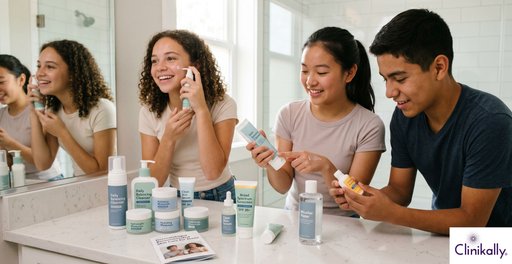
Exploring Reels? You must have seen several skincare routines promoted for teens. But are they really effective? This remains a question. When it comes to adolescent skin, dermatologists often say “Less is almost always more.”
During the teenage years, shifting hormones naturally spike oil production, leading to clogged pores and breakouts. In an effort to fix it, it’s tempting to overload on trendy, aggressive products. However, experts from the American Academy of Dermatology (AAD) warn that using harsh, adult-targeted ingredients (like strong anti-aging acids or heavy retinoids) can strip the skin barrier, causing severe irritation, redness, and even worse acne. In this blog, we’ll talk about what dermatologists recommend to use and what to avoid.
Understanding the Teenage Skin
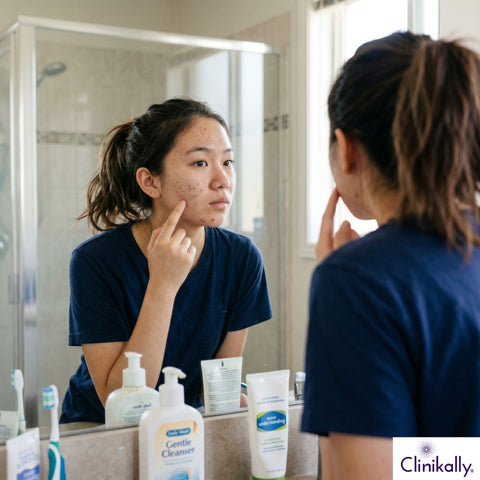
Taking care of teenage skin first requires you to understand it. Clinical studies suggest, when you hit puberty, your skin experiences drastic changes that can completely alter how your skin behaves. A few noticeable changes includes:
1. The Hormonal Oil Spike
During puberty, the body experiences a massive spike in androgens (hormones). Various Medical journals suggest that these hormones trigger your sebaceous glands to produce more oil. This is one of the major reasons behind that oilier skin in teens.
2. Clogged Pores
Teen skin is naturally hyper-proliferative, meaning it sheds dead skin cells at a rapid pace. When you mix an excess of sticky dead skin cells with a flood of heavy oil, it creates the perfect storm. The result is a literal traffic jam inside your pores, leading to blackheads, whiteheads, and clogged pores.
3. The Bacterial Trigger
Once a pore is blocked, it seals off oxygen. This offers an optimal atmosphere to Cutibacterium acnes, the bacteria naturally found on skin that thrives in oily, oxygen-deprived environments. The bacteria multiply, your immune system fights back, and the result is inflamed, painful red pimples.
4. A Vulnerable Skin Barrier
As teen skin is already in a state of high hormonal flux and natural inflammation, it’s incredibly vulnerable. Dermatologists often recommend that aggressive scrubbing or using harsh, adult-strength chemicals will only strip the skin’s protective outer barrier. The goal is to gently balance oil and support cell turnover.
Skincare Routine for Teens Recommended By Dermatologists
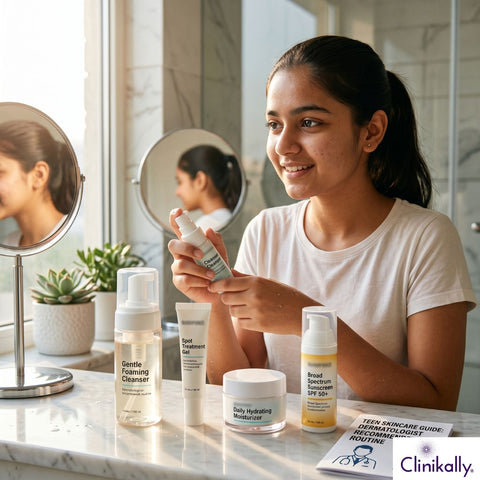
When it comes to treating teen skin, over-complicating your routine destroys your skin barrier. Various medical journals state that adolescent skin requires simplicity.
The best skincare routine completely relies on a simple 3-step foundation. If breakouts occur, active treatments are introduced carefully as a targeted 4th step, rather than layering multiple harsh chemicals all at once.
| Routine Step | What to Use | Why It Matters (The Medical Science) |
| 1. Wash (Morning & Night) | Gentle, Non-Abrasive Cleanser (Fragrance-free) | Removes excess sebum and sticky dead cells without stripping the lipids that keep your skin barrier intact. Aggressive scrubbing triggers more oil. |
| 2. Hydrate (Morning & Night) | Ceramide-rich, Oil-Free Moisturizer (Look for Non-comedogenic) | Signals the sebaceous glands that the skin is hydrated, preventing them from overproducing oil. Ceramides repair the skin barrier. |
| 3. Protect (Every Morning) | Broad-Spectrum Sunscreen (SPF 30+) (Gel or lightweight fluid) | Protects vulnerable, hyper-proliferative cells from UV damage. Critically, it prevents acne red marks (PIE) from turning into permanent dark scars. |
| 4. Treat (As Needed) | Salicylic Acid OR Benzoyl Peroxide (Spot treatments or medicated wash) | Salicylic Acid dissolves oil deep inside the pores. Benzoyl Peroxide kills the oxygen-hating acne bacteria). |
Dermatologist Pro-Tip: Never use Salicylic Acid, Benzoyl Peroxide, and a Retinoid all at the same time. Medical guidelines show that stacking these powerful actives causes contact dermatitis (severe chemical irritation), mimicking a bad breakout and delaying true healing.
Best Cleansers for Teens
Teenage skin deals with unique challenges due to a hormonal surge in androgens that naturally places oil glands into overdrive. Thus, to counter clogged pores, blackheads, and breakouts, a skin cleanser must be effective yet exceptionally gentle to prevent stripping the skin barrier. Let’s have a look at some of the skin cleansers, recommended by dermatologists:
| Cleanser Name | Key Ingredients | Primary Benefit |
| Cetaphil Oily Skin Cleanser | Niacinamide, Panthenol, Glycerin | Removes excess sebum, calms skin, and minimizes pore appearance. |
| CeraVe Hydrating Cleanser | 3 Essential Ceramides, Hyaluronic Acid | Rebuilds a damaged skin barrier and retains deep hydration. |
| Bioderma Sébium Gel Moussant | Zinc Sulfate, Copper Sulfate, Ginkgo Biloba | Purifies pores and regulates the biological quality of sebum. |
| Episoft OC Cleansing Gel | Zinc PCA, Niacinamide, Allantoin | Controls oil shine, unclogs pores, and reduces red acne inflammation. |
| Saslic DS Foaming Wash | 2% Salicylic Acid (BHA), Glycerin | Dissolves oil traffic jams inside pores to treat active pimples. |
Best Moisturizers for Teens
Many Teenagers often make a common mistake of skipping moisturizer out of fear that it will make their skin oilier or cause more breakouts. Though, medical journals often suggest that when your teen skin feels dehydrated, the body sends a signal to the sebaceous gland to produce even more oil, clogging the pores. Thus, dermatologists often recommend using a lightweight, oil-free, and non-comedogenic formula. Some of the most recommended ones, includes:
| Cleanser Name | Key Ingredients | Primary Benefit |
| Brinton Acmist Gel | Squalane, Aloe Vera | Restores moisture barrier stripped by acne products. |
| Excela Moisturiser | Niacinamide, Zinc PCA | Actively cuts down oil production and mattifies shine. |
| IPCA Acne-OC | Natural Phyto-Active Complex | Regulates sebum quality to prevent future clogged pores. |
| Zitmoist Gel | Sodium Hyaluronate, Allantoin | Provides deep, water-based hydration for sensitive skin. |
| Curatio Acnemoist Cream | Pentavitin (Saccharide Isomerate) | Targets and eliminates severe flakiness and irritation. |
Best Sunscreens for Teens
Various medical journals state that sunscreen is the most critical step in teenager’s skincare routine. When acne-prone skin is exposed to UV rays, the radiation causes inflammation that worsens breakouts. Even worse, sun exposure turns temporary red or pink acne spots (Post-Inflammatory Erythema) into dark, permanent scars.
Many teens skip sunscreen because traditional formulas are thick, greasy, and leave a white cast. The clinical solution is a modern, lightweight gel or silicone fluid.
| Cleanser Name | Key Ingredients | Primary Benefits |
| Re'equil Ultra Matte Dry Touch Sunscreen Gel SPF 50 PA++++ | SPF 50, PA++++ | Water/sweat resistant; ideal for heavy oil-control. |
| UV Doux Blue Light Anhydrous Sunscreen Gel SPF 50 PA+++ | SPF 50, PA+++ | Long-lasting outdoor protection; locks out pollution. |
| IPCA Acne-UV Advanced Light Protection Silicone Sunscreen Gel SPF 50+ PA+++ | SPF 50, PA+++ | Designed for acne patients; zero pore congestion. |
| Fixderma Shadow Silicone Matte Cream SPF 50 PA+++ | SPF 50, PA+++ | Ultra-lightweight, cooling hydration for sensitive skin. |
| La Shield Expert Urban Protect Mineral Sports Sunscreen Gel SPF 50+ PA++++ | SPF 50, PA+++ | 100% physical filters; perfect for highly irritated skin. |
How to Handle Active Breakouts?
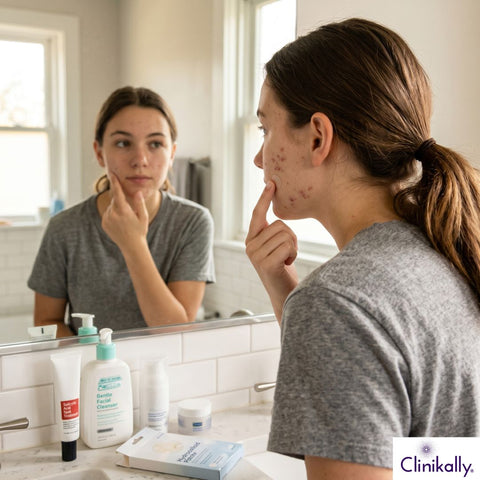
As we mentioned earlier, clogged pores bring acne, and they require targeted treatment. Dermatologists often suggest following caution while choosing these breakout treatments.
In clinical dermatology, acne is categorized into different types based on what is happening inside the pore. To clear your skin effectively without causing chemical burns or severe peeling, you need to match the right active ingredient to your specific type of breakout.
When it comes to over-the-counter acne care, Salicylic Acid and Benzoyl Peroxide are two main ingredients widely trusted for effective results. Let’s understand which one will suit you:
1. Salicylic Acid (BHA)
- Best Suited For: Blackheads, whiteheads, tiny bumpy texture, and clogged pores (Comedonal Acne).
- The Medical Science: Salicylic Acid is a Beta Hydroxy Acid (BHA). Unlike Alpha Hydroxy Acids (like Glycolic Acid), which only sit on the skin's surface, BHAs are lipid-soluble (oil-soluble). This chemical structure allows Salicylic Acid to bypass surface moisture, sink straight into the sebaceous follicle, and dissolve the trapped sebum and dead cells from the inside of pores.
- How to Use It: Look for a 1% to 2% concentration. It can be used as a targeted spot treatment gel or as a medicated face wash 2–3 times a week.
2. Benzoyl Peroxide
- Best Suited For: Red, swollen, pus-filled pimples, and painful bumps (Inflammatory Acne).
- The Medical Science: When a pore is fully blocked and starved of oxygen, Cutibacterium acnes bacteria rapidly multiply. Benzoyl Peroxide works via a process called oxidation. Once applied, it penetrates the pore and releases oxygen. Because C. acnes is anaerobic (meaning it cannot survive in the presence of oxygen), Benzoyl Peroxide instantly neutralizes the bacteria. It also helps turn down the immune system's inflammatory response, reducing redness and swelling overnight.
- How to Use It: More is not better. Clinical studies show that a 2.5% concentration of Benzoyl Peroxide is just as effective at killing bacteria as a harsh 10% formula, but with significantly less irritation, peeling, and redness. Apply a tiny dot strictly to the inflamed pimple.
Important Safety Note: Benzoyl Peroxide will literally bleach fabrics! Be sure to let it dry completely before laying your face on a colored pillowcase, or stick to using white towels and sheets.
Common Skincare Mistakes Teens Make
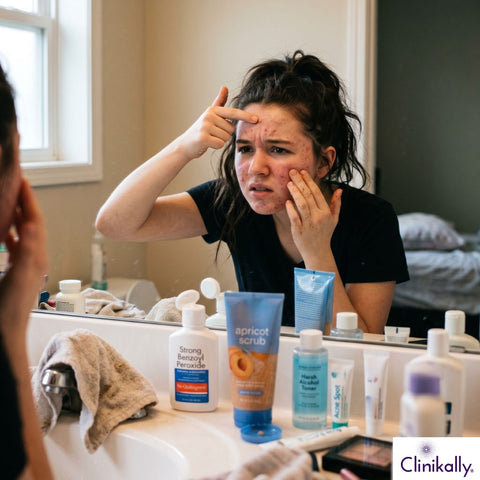
Several medical studies state that the average teenager uses up to six different skincare products simultaneously, often copying multi-step routines straight from their social media feeds. But, you need to understand that they aren’t often dermatologist approved and can do more harm than good. To protect your skin barrier, you must know these trending mispractices and stop using them immediately:
1. The Over-Exfoliation Trap
- The Mistake: Using harsh physical face scrubs (like apricot, walnut, or exfoliating beads) or layering multiple chemical exfoliating pads and toners in a single evening.
- Why It Fails: Your skin barrier is a delicate shield made of lipids. Aggressive scrubbing or stacking multiple acids literally strips this shield away. When the barrier is compromised, moisture escapes, and bacteria enter much easier. The result? Severe redness, irritation, and an immediate spike in inflammatory acne.
2. Popping, Picking, and the Pimple Patch Obsession
- The Mistake: Squeezing active pimples with your fingers or constantly picking at scabs. A newer trend involves leaving hydrocolloid pimple patches on the skin for days at a time to aggressively suck out the gunk.
- Why It Fails: Squeezing a pimple doesn't just push the pus out; it actually forces a massive amount of bacteria and debris deeper into the delicate skin tissue. This causes the follicle wall to rupture beneath the surface, leading to a much larger, deeper infection. Furthermore, overusing hydrocolloid patches on unpopped, deeply rooted bumps can trap moisture and bacteria, slowing down natural healing and inviting permanent, pitted acne scars.
3. Trusting Instagram DIYs and Kitchen Hacks
- The Mistake: Using viral household hacks like applying toothpaste to dry out pimples, rubbing raw lemon juice to brighten dark spots, or mixing baking soda face masks.
- Why It Fails: Healthy skin lives at a slightly acidic, optimal pH level of about 4.7 to 5.5. Household items have extreme pH levels; lemon juice is highly acidic, while baking soda and toothpaste are heavily alkaline and full of abrasive detergents. Applying these to adolescent skin alters its biological chemistry, which can cause chemical burns, severe contact dermatitis, and lifelong skin allergies.
4. Layering Too Many Actives
- The Mistake: Mixing high-strength adult products such as Vitamin C, Retinoids, Glycolic Acid (AHA), and Salicylic Acid (BHA); all in the same morning or evening routine because a favorite influencer does it.
- Why It Fails: Clinical data shows that the top-viewed teen skincare videos contain an average of 11 potentially irritating active ingredients. When you mix multiple actives, they chemically clash. If your skin ever tingles, burns, or turns red after applying your products, it isn't working; it is a cry for help from a chemical burn.
5. Expecting Overnight Results
- The Mistake: Switching to a brand-new set of products every week because a breakout didn't disappear in 48 hours.
- Why It Fails: Your skin operates on a strict biological timeline. It takes roughly 4 to 6 weeks for a brand-new skin cell to form at the base layer, travel to the surface, and shed away (a process known as cellular turnover). Medical guidelines emphasize that you must use a routine consistently for at least one to two months to see true, structural improvement. Constantly switching products shocks the skin and triggers new breakouts.
When to Consult a Dermatologist for Skin Issues
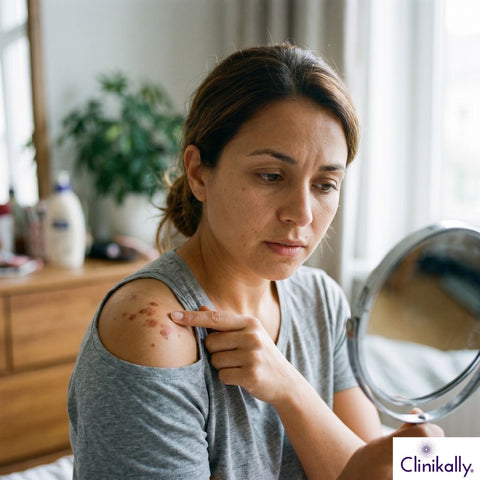
While a basic routine works wonders for general upkeep, skincare is never one-size-fits-all. Every product has its own unique strengths and active concentrations. To ensure optimal results and avoid damaging your skin, considering expert advice should always be your top priority.
If you are facing any sort of persistent skin problem, the first thing you need to do is consult an expert dermatologist. Bypass the social media hype and seek professional guidance immediately if:
- Your acne is deep and painful: You have hard, cystic lumps under the skin that over-the-counter washes cannot reach.
- Your skin is scarring: Active blemishes are leaving permanent, pitted craters or dark marks as they heal.
- Topical treatments fail: You have used a targeted, basic routine consistently for 8 to 12 weeks with zero improvement.
- You experience severe irritation: Your skin is constantly red, burning, or peeling.
A dermatologist can evaluate your skin's unique biology and prescribe a personalized routine according to it. Seeking professional advice early saves you time, money, and protects your skin health for years to come.
Final Thought: Simple Skin Care Tips for Maximum Results
While growing up, we can notice several changes in our skin. We don’t need to start taking stress and following a 10-step skincare routine. Just don’t add any random instagram hack in your routine, and consult a dermatologist first before adding any skin care products.
You need to be consistent and respect your skin’s natural barrier. By adding a gentle cleanser, an oil-free moisturizer, and daily sun protection, you give your body the exact support it needs to go through the hormonal changes stage. Follow a minimal but consistent routine, listen to the experts, and you’ll notice positive changes in your skin for sure.