5 Best Toners for Dry Skin Recommended by Dermatologists
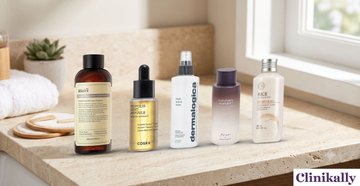
When you have dry skin, cleansing can often leave your face feeling tight, parched, and stripped of its natural moisture. Adding a skin toner in your routine isn’t an extra step, it’s a necessary one. It instantly breaks the cycle of tightness and preps your lipid barrier to absorb the rest of your routine. But how to find the best toner for dry skin? What ingredients should you explore? These are some of the common questions that create confusion.
In this blog, we’ll learn the role of toners for dry skin, understand what ingredients are mandatory, and find out some of the dermatologists-recommended toners for dry skin.
Why Does Dry Skin Need a Hydrating Toner?
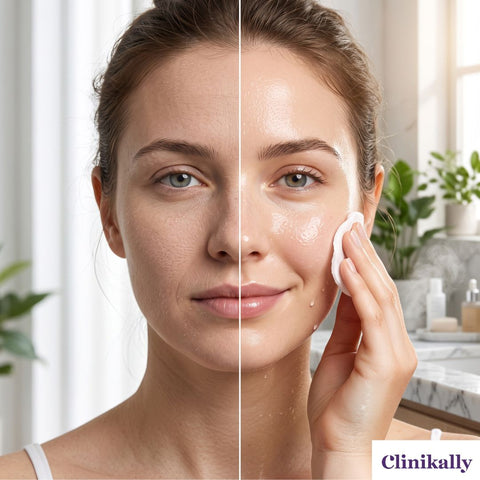
Clinical dermatology shows that dry skin suffers from a chronically compromised stratum corneum (the skin’s outermost layer). When you wash your face, even with mild cleansers, it can temporarily disrupt the lipid matrix and shift the skin’s natural, slightly acidic pH toward an alkaline state. A hydrating toner acts as an immediate therapeutic intervention, instantly resetting the pH balance. It floods the parched cells with water-binding humectants, and primes the skin structure to better absorb subsequent treatments.
The Humectant Sponge Effect
Various studies confirm that applying active topical treatments to dry skin can be inefficient because parched cells do not absorb products well. Hydrating toners utilize low-molecular-weight humectants, such as glycerin, hyaluronic acid, and natural moisturizing factors (NMFs) that penetrate the upper layers of the epidermis.
This process acts like a damp sponge that maximizes the skin’s water-holding capacity, swelling the intracellular paths so that heavy creams and serums applied afterward can migrate deeper into the tissue rather than sitting uselessly on top.
Reduce Transepidermal Water Loss (TEWL)
Dry skin lacks the healthy lipid structure required to keep moisture locked inside, leading to a high rate of Transepidermal Water Loss (TEWL). Hydrating toners for dry skin are formulated with barrier-repairing emollients such as ceramides and squalene. When applied immediately after cleansing, these micro-droplets flood the microscopic cracks in the damaged lipid barrier, providing an initial layer of defense that drastically slows down involuntary water evaporation before you reach for your heavy moisturizer.
Rapid pH and Acid Mantle Restoration
The skin’s acid mantle requires a pH of around 5.5 to optimize enzyme activity, synthesize essential lipids, and ward off pathogenic bacteria. Tap water and traditional cleansers strip these weak organic acids away, leaving dry skin prone to micro-inflammation and severe flakiness.
A well-formulated, alcohol-free toner immediately corrects this post-wash alkaline spike. By rapidly forcing the skin back into its ideal acidic window, it preserves barrier integrity and prevents the post-cleansing tightness that plagues dry skin types.
Dermatologists Pick: 5 Best Toners for Dry Skin
Finding an effective toner for dry skin requires the understanding of adequate ingredients and their concentration. With plenty of products marketed as good toners for dry skin available in the market, finding an effective one can be confusing. Thus, to ease your search, here are some of the best toners for dry skin recommended by dermatologists.
|
Product Name |
Key Ingredients |
Benefits |
|
Hyaluronic Acid, Centella Asiatica, Beta Glucan, Lipidure, Amino Acids |
Deeply hydrates, balances pH levels, soothes irritation, and preps skin for absorption. |
|
|
Nano Ceramide Water, Rice Extracts, Rice Bran Oil, Vegetable Rice Ceramide, Glycerin |
Nourishes dry skin, repairs the skin barrier, improves texture, and leaves skin soft and radiant. |
|
|
|
Instantly hydrates and refreshes the skin, leaving it feeling soft and smooth. |
|
|
Aloe Barbadensis, Arginine, Arnica Montana, Balm Mint, and Lavender Extracts |
Evens out skin porosity, optimizes moisturizer absorption, refreshes, and deeply conditions. |
|
|
Propolis Extract, Honey Extract, Royal Jelly Extract, Beeswax, Sodium Hyaluronic |
Restores natural radiance, deeply moisturizes, and leaves rough skin smoother and softer. |
1. Klaris Supple Preparation Facial Toner
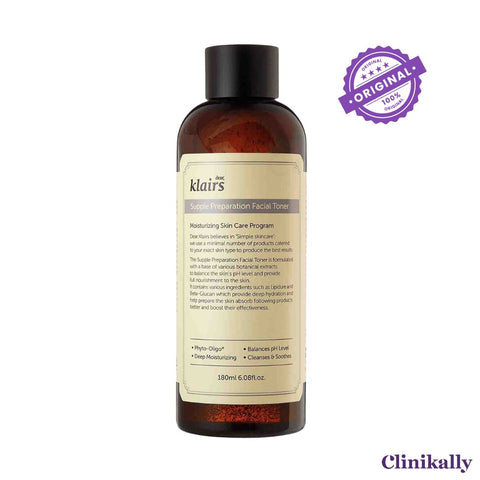
This cult-favorite K-Beauty Toner is known for its exceptional ability to soothe parched, reactive skin types while laying a foundation for deep hydration. It’s formulated with a blend of low-molecular-weight humectants such as Sodium Hyaluronate, Lipidure, and Beta Glucan, acting like a drink of water for dehydrated cells.
Its thick, viscous, essence-like texture makes it one of the best toners for dry skin that deeply nourishes and softens rough skin without leaving a sticky residue. Enriched with Centella Asiatica, Licorice Root Extract, and Aloe Leaf Extract, it quickly calms post-wash irritation, balances skin pH levels, and preps the epidermal layer to absorb subsequent serums and moisturizers far more effectively.
2. The Face Shop Rice & Ceramide Moisturizing Toner
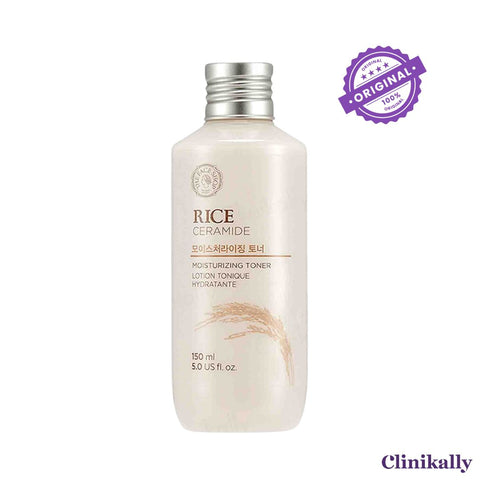
This toner for dry skin is formulated to specifically target a flaky skin texture and a compromised moisture barrier. It contains Nano Ceramide Water and Vegetable Rice Ceramides to mimic the skin’s natural lipid structure, essentially filling in the microscopic gaps where moisture typically escapes.
Backed by nutrient-dense Rice Extract and Rice Bran Oil, it works double-time to lock in long-lasting hydration while smoothing out rough patches. Its gentle, milky formula absorbs quickly to prevent transepidermal water loss, leaving dry, dull skin feeling incredibly supple, plump, and visibly radiant with a natural glow.
3. Pilgrim Squalane Toner & Mist
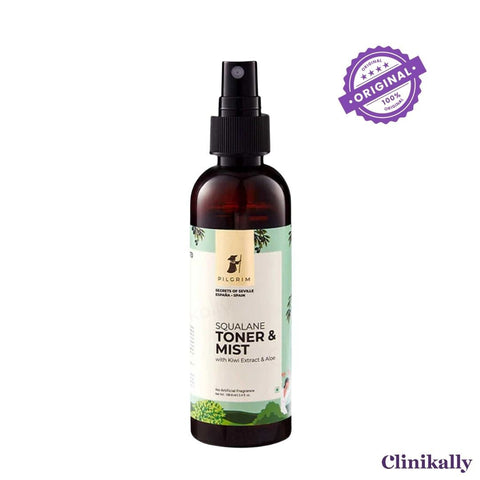
This lightweight, alcohol-free toner for dry skin is designed to instantly revitalize dull, dehydrated skin while reinforcing a healthy skin barrier. Infused with a soothing blend of Spanish Squalane, Kiwi Extract, and Aloe, this fast-absorbing formula delivers deep, non-greasy hydration that softens skin texture and leaves a naturally radiant, dewy finish. Perfect for daily use or an on-the-go refresh, it revitalizes tired complexions without any uncomfortable stickiness, making it an effortless addition to any skincare routine.
Beyond its instant burst of freshness, this multi-tasking toner actively works to refine and balance your complexion. It helps maintain the skin’s optimal pH levels and tightens the appearance of pores for a smoother, more refined look. Additionally, its anti-inflammatory properties calm redness and soothe irritation, while preparing the skin to better absorb subsequent serums and moisturizers to maximize their overall efficacy.
4. Dermalogica Multi-Active Toner
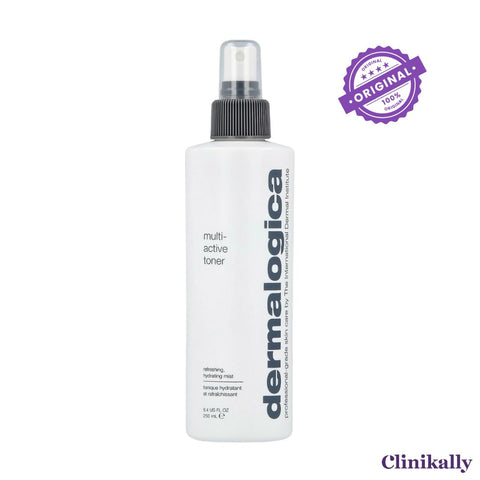
This is a premium, clinical-grade toner formulated to correct the erratic porosity common in chronically dry skin types. Instead of simply sitting on the surface, its moisture-binding humectants including Aloe Barbadensis Extract and the amino acid Arginine, actively condition the skin shield for optimal moisture absorption.
It’s one of the best toners for dry skin due to the inclusion of targeted botanicals like Arnica Montana, Balm Mint, and Lavender, which immediately soothe micro-inflammation, refresh the face, and ensure that your heavy creams can penetrate evenly across the skin barrier.
5. COSRX Honey Glow 3-Step Kit for Dry & Rough Skin
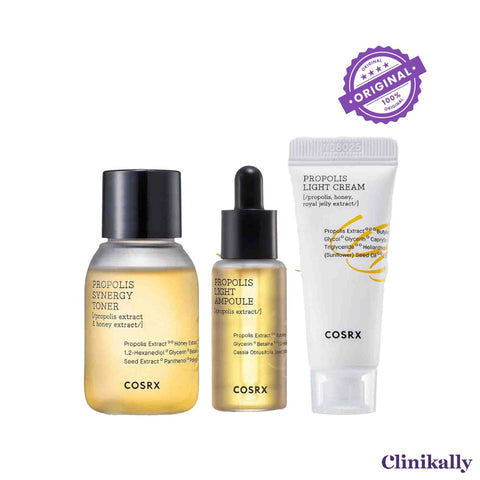
This specialized toner is designed to explicitly rehabilitate severely, dry, rough, and dehydrated skin types. It utilizes the rich, emollient properties of the beehive, delivering intense nourishment via a massive concentration of Black Bee Propolis Extract, Honey Extract, and Royal Jelly Extract.
These ingredients act as natural humectants and skin healers, alongside Beeswax and Sodium Hyaluronate that seals in moisture. This effective skin toner targets dry skin flakes, calms redness, restores suppleness, and leaves a deeply conditioned, smoother, and completely luminous finish.
Must-Have Ingredients in a Dry Skin Toner
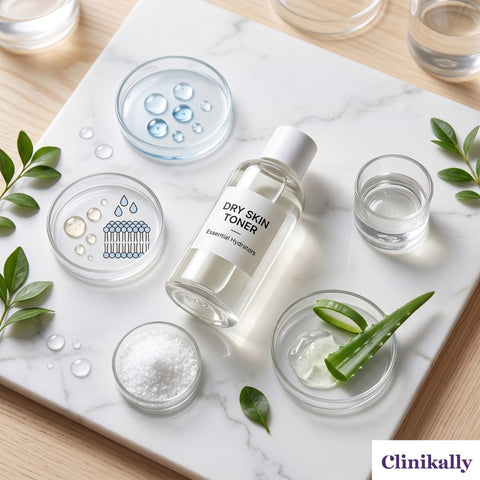
When your skin is chronically dry, shopping for a toner seems very hard. Many traditional formulas are notoriously stripping, leaving your face feeling tight, parched, and uncomfortably shiny.
To improve your post-cleanse routine, and to turn it into a deeply hydrating treatment, you need to focus straight at the ingredient list. Various clinical science shows that a toner for dry skin should focus on pulling water into the cells, repairing the lipid barrier to trap that water, and calming micro-inflammation. Let’s have a look at some of the clinical-grade ingredients you should look for to hydrate your dry skin.
1. Humectants
Humectants are molecules that act like microscopic sponges. They draw water from the surrounding atmosphere and the deeper layers of your dermis, binding it tightly to the surface of your skin.
-
Hyaluronic Acid (and Sodium Hyaluronate): Hyaluronic acid can hold up to 1,000 times its weight in water. Look for formulas that feature Sodium Hyaluronate (a smaller molecular weight version) or multi-molecular weight blends so the moisture can penetrate deeply rather than just sitting on top.
-
Glycerin: It is a well-known humectant that matches the skin’s Natural Moisturizing Factors (NMFs) perfectly, making it highly bioavailable and exceptionally effective at stopping post-wash tightness.
-
Beta-Glucan: Beta-Glucan is derived from oats or mushrooms that is structurally 20% more hydrating than hyaluronic acid. It locks in moisture while simultaneously providing deep, comforting relief to red, raw skin.
2. Barrier Repairers & Emollients
Flooding dry skin with water doesn’t help if your skin barrier has leaks. Dry skin naturally lacks the essential lipids required to seal moisture in. Emollients and barrier repair ingredients fill in those microscopic cracks, preventing Transepidermal Water Loss (TEWL).
-
Ceramides: Ceramides make up roughly 50% of your skin’s natural moisture barrier. A ceramide-rich toner helps patch up a damaged stratum corneum, restoring structural integrity so you can actually hold onto the hydration you feed it.
-
Squalene: It’s a highly stable, incredibly lightweight emollient oil that mimics your skin’s natural sebum. It softens rough, flaky textures instantly without adding heavy, greasy weight.
-
Propolis & Honey Extracts: Rich in natural enzymes, amino acids, and flavonoids, bee propolis acts as both a rich emollient and a tissue healer. It coats parched skin in a deeply nourishing, protective layer that promotes a plush, healthy glow.
3. Soothing Botanicals
Dry skin is highly prone to microscopic cracks, which trigger irritation, stinging, and redness. Adding these calming botanical extracts helps lower the skin’s reactivity threshold.
-
Centella Asiatica (Cica): It’s a reputed herb known for accelerating skin barrier synthesis and suppressing inflammation. If your dry skin regularly burns or flakes when you apply products, cica is a mandatory toner ingredient.
-
Rice Extract & Bran Oil: It’s an essential part of J-Beauty and K-Beauty. These rice extracts are packed with Vitamin E and fatty acids. They soften rough skin textures, condition the epidermal layers, and gently improve dullness.
-
Aloe Barbadensis Leaf Extract: This anti-inflammatory agent cools the skin on contact while delivering an immediate burst of lightweight, mineral-rich hydration.
Ingredients to Avoid
While exploring the label, it’s necessary to always make sure your toner is entirely free from denatured alcohol (Alcohol Denat), Ethanol, and heavy artificial astringents (Like witch hazel). These ingredients quickly dissolve your skin’s protective oils, completely undoing the benefits of your hydrating ingredients.
How to Use Toners Effectively on Dry Skin
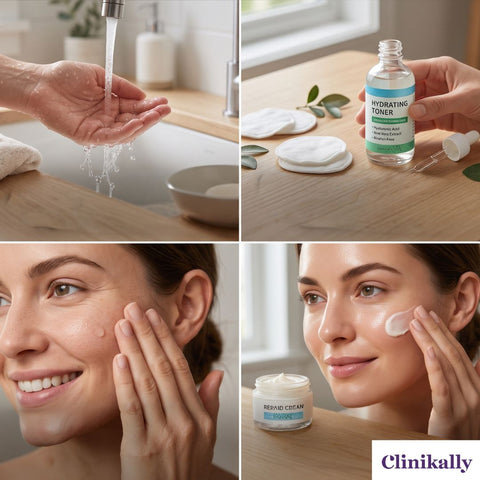
Applying a toner isn’t just about splashing a liquid onto your face; it’s a highly strategic step designed to optimize your entire skincare routine. To get the absolute most out of your hydrating formulas and prevent further dryness, your application method needs to be grounded in clinical dermatological principles. Let’s have a look how dermatologists suggests to use toner effectively on dry skin:
-
The Damp Skin Applications (The 3-Second Rule): Never allow your face to dry completely after cleansing. Evaporation happens rapidly, pulling intrinsic moisture out of your skin along with it. It’s suggested to gently pat your face with a towel so it remains damp, and immediately apply your toner.
-
Don’t Use Cotton Pads: Dry skin types should largely avoid cotton rounds. The physical friction of sweeping a cotton pad across the face can micro-exfoliate your already fragile stratum corneum, leading to micro-tears and increased barrier irritation. Additionally, cotton pads waste valuable products by absorbing it. The best way to do it is by dispensing a few drops of toner directly into the palms of your clean hands, press them together, and gently press and pat the liquid into your skin. This patting action pushes the humectant deeper into the epidermis.
-
Layer Up: if your skin feels exceptionally parched, flaky, or tight, experiment with layering your toner. Instead of putting on one heavy layer, apply 2 to 3 consecutive, thin layers of your hydrating toner, waiting about 30 seconds between each splash. This builds a deep, weightless reservoir of water in the upper skin layers without overloading the skin with heavy oils all at once.
-
Lock It In Immediately: A hydrating toner is packed with humectants such as Hyaluronic Acid and Glycerin that excel at attracting water. However, if you leave a humectant uncovered in a dry environment, it can actually draw moisture out of your skin and evaporate into the air. To prevent this, apply your subsequent thick serums, oils, or moisturizers while the toner is still slightly wet on your face. It creates an occlusive seal, trapping that vital hydration beneath a protective barrier.
Final Thought: Keeping Your Skin Hydrated Always
Excessive dryness makes your skin barrier compromised. Adding a good toner for dry skin is like saving your skin from becoming a desert. A hydrating toner will improve your skin texture and prepare it for your skin care routine. Alongside this, it will improve your pores and make other skincare products like serums and moisturizers more effective.
Like the essential toners, maintaining the hydration from within the skin is equally important. Keep yourself hydrated specially in this humid atmosphere. Before adding any new skin care product, it’s important to do patch testing or consulting a dermatologist. They can guide with a personalized routine that makes the usage of your toner more effective.