Tretinoin Gel vs Cream: Which Formulation Is Best for Your Skin?
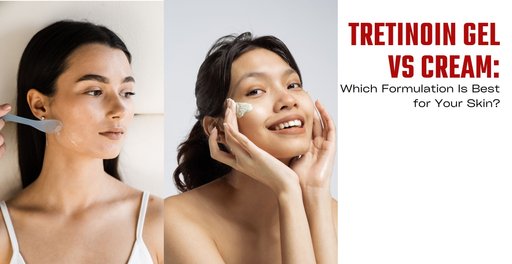
When deciding between tretinoin gel and tretinoin cream, think about your skin type, specific skin concerns, and lifestyle. Both formulations include the same active ingredient, tretinoin, a Vitamin A derivative that helps acne, hyperpigmentation, and anti-aging by increasing cell turnover. In this blog, we will explore the difference between Tretinoin Gel and Cream.
Understanding Tretinoin: A Powerful Skincare Ingredient
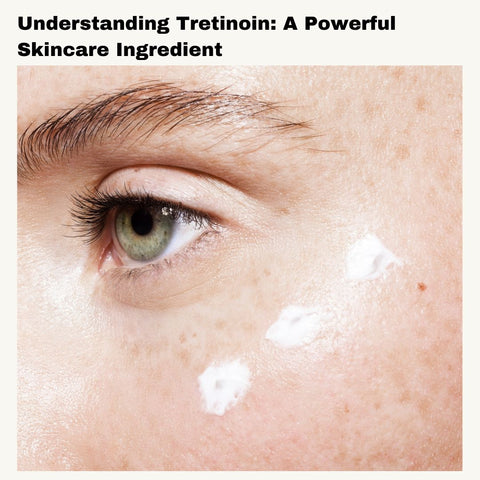
Tretinoin is an effective skincare component that has been demonstrated to improve hyperpigmentation, acne, and aging. It improves the skin's texture, tone, and clarity by increasing cell turnover and collagen formation. It needs to be included gradually into your skincare routine, along with using moisturizer and sunscreen, to minimize negative effects. Tretinoin can significantly enhance your skin's appearance and health when used regularly.
Tretinoin's Mechanism of Action: How It Works on Your Skin
Tretinoin acts on numerous layers of the skin, addressing both surface issues (such as acne and hyperpigmentation) and deeper difficulties (such as collagen loss and wrinkles). It is one of the greatest acne and aging treatments because of its multi-action mechanism, which also improves skin health, texture, and clarity over time. To acquire results, however, you must be patient and persistently apply yourself; they normally require many weeks to months of consistent treatment.
The Science Behind Tretinoin: Benefits Beyond Acne Treatment
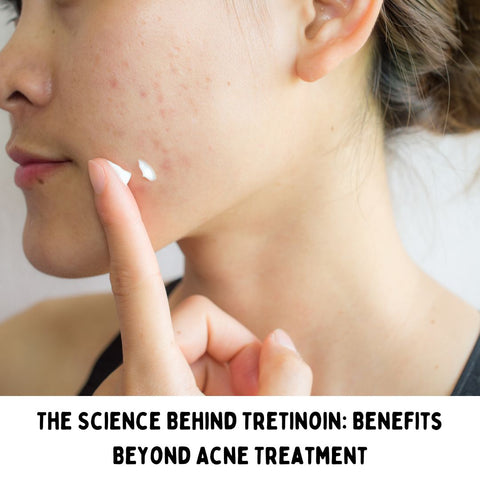
Although tretinoin is best recognized for curing acne, it also improves skin texture, anti-aging, and hyperpigmentation, making it a very effective and scientifically supported skincare ingredient. Tretinoin addresses multiple layers of skin health to enhance the overall appearance and durability of your skin.
Tretinoin and Skin Types: How to Choose the Right Form
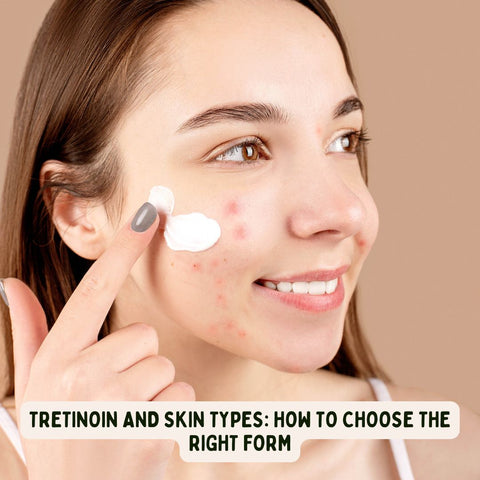
Strong retinoid trentinoin is frequently used to cure acne, minimize wrinkles, and enhance the texture of the skin. Selecting the appropriate tretinoin form for your skin type is essential to minimize side effects and optimize results. This guide will assist you in choosing the appropriate product for your skin type:
- Oily or Acne-Prone Skin: There are gel- or alcohol-based preparations of retinoidoids. Because gels tend to be less greasy, they are more suited for oily skin types. They can help reduce excess sebum and are less likely to clog pores. Increase the concentration from a lower starting point as your skin grows more tolerant.
- Dry or sensitive skin: Cream-based tretinoin formulations or moisturizing formulations are available. For dry or sensitive skin types, creams are more hydrating and less likely to result in severe dryness. In general, these formulas are more calming. To reduce irritation, use a lesser dose (0.01% or 0.025%) and think about applying it every other day.
- Combination Skin: The compositions come in gel or cream depending on your primary skin type. If you have dry spots on your skin and oily ones in certain areas, you might need to change the way you apply makeup. Use a cream where the skin is dry and a gel where it's greasy. Start with a low concentration and work your way up depending on how different regions of your skin react to it.
- Normal Skin: Retinoids are formulated as creams or gels. You have greater flexibility because normal skin is typically more resilient. It is up to you which works better, creams or gels. Both are effective. A modest strength, such as 0.025% to 0.05%), might be used at first.
Tretinoin Gel vs Cream: A Detailed Comparison
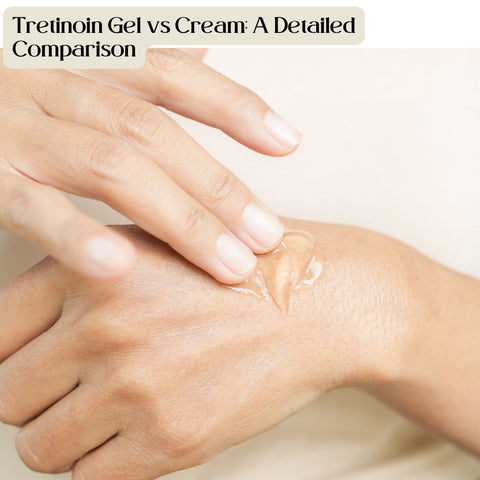
Tretinoin cream and gel are both topical therapies that contain the same active ingredient and give similar advantages, but their formulations make them better suited for various skin types:
- Tretinoin cream: This water-based lotion is often used to treat acne and signs of ageing. It contains moisturizers and enables a more controlled release of the active substances, it is kinder and better for dry or sensitive skin.
- Gel containing retinoin: This alcohol-based gel absorbs quickly and has a higher content, making it generally more effective and suitable for oily or acne-prone skin. Those who are allergic to any of the ingredients in the cream recipe may also benefit from it.
Absorption Rates: How Gel and Cream Differ in Penetration
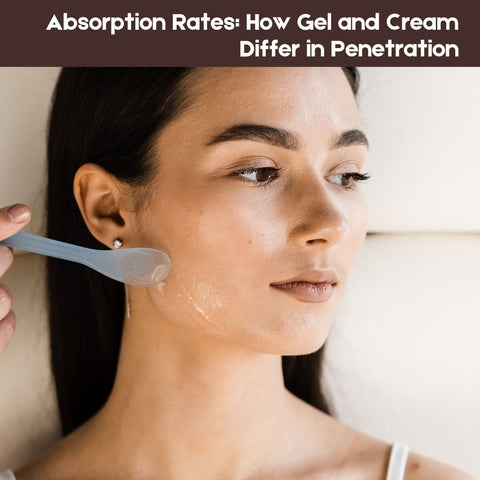
- Tretinoin Gel: It is composed of water or alcohol, which makes it thinner and lighter. The gel's components are more volatile, resulting in speedier penetration. Gels dry fast, allowing the active ingredient (tretinoin) to enter into the skin sooner. Gels evaporate faster because they include no occlusive ingredients (such as oils or waxes), allowing tretinoin to permeate the skin more efficiently. Alcohol in some gels can increase penetration by breaking down the skin's natural barrier. Quicker absorption may produce faster results, but it also raises the risk of irritation (redness, peeling, and dryness), especially in sensitive or dry skin.
- Tretinoin Cream: Oil or emollient-based products provide a thicker, moisturizing texture. Slower, as the cream takes longer to permeate the skin. The oils in the cream provide a protective barrier that moisturizes the skin while delaying the release of tretinoin. The combination of moisturizing substances slows absorption, resulting in a more gradual and controlled release of tretinoin into the skin. Generally speaking, dry or sensitive skin may accept slower absorption as it lowers the chance of discomfort. Additionally, it hydrates, which lessens the drying effects of tretinoin.
Skin Conditions: Matching Formulations to Specific Needs
Your skin type and how it reacts to the active component might help you choose the best tretinoin formulation. Although tretinoin gel is ideal for skin that is oily, prone to acne or has texture, tretinoin cream is more effective on skin that is dry, sensitive, or aged because it delivers hydration and a more progressive release of the active ingredient.
Ease of Use: Application Techniques for Optimal Results
To get the most out of tretinoin while minimizing irritation, start slowly, use sparingly, and adjust based on how your skin responds. To maintain skin balance, use it with sunscreen in the morning and a light, moisturizing moisturizer at night. When applied properly and often, retinoin can gradually improve your skin's appearance by treating problems like acne, hyperpigmentation, fine lines and wrinkles.
Benefits and Potential Side Effects of Tretinoin
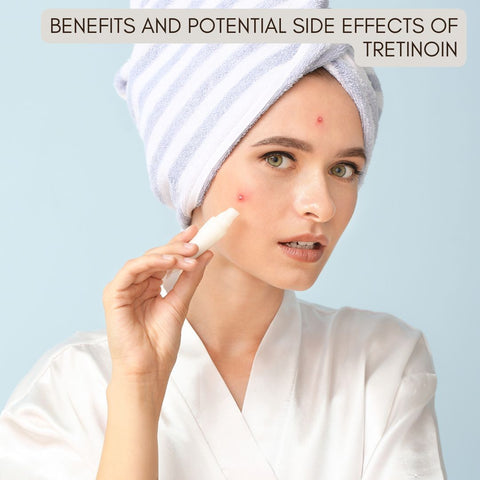
When it comes to treating a range of skin issues, such as acne, aging, hyperpigmentation, and uneven texture, retinoids is incredibly effective. However, it does have possible negative effects, especially in the early phases of use. Start cautiously, moisturize regularly, and protect your skin from the sun to maximize the advantages while minimizing the hazards of tretinoin. Most negative effects will fade over time, and regular treatment might result in noticeably better skin.
Anti-Aging Properties: Tretinoin’s Role in Reducing Wrinkles
Tretinoin is a potent anti-aging medication that enhances skin texture, boosts cell turnover, and stimulates collagen. It can make aging skin appear much better by making it firmer, smoother, and more youthful-looking with consistent use. Patience and the appropriate skincare support—such as moisturizing and sun protection—are crucial to achieving the best outcomes while minimizing undesirable side effects.
Managing Side Effects: Tips for Minimizing Irritation
Tretinoin is quite effective, although it is frequently linked with side effects, particularly during the early phases of treatment. Begin gradually, moisturize regularly, and apply a small amount of tretinoin to prevent irritation and dryness. Consistency, along with sufficient sun protection, will help you manage these side effects while allowing tretinoin to work its anti-aging, acne-fighting, and skin-improving magic over time.
Tretinoin and Sun Sensitivity: Protecting Your Skin
Tretinoin is a successful treatment for acne, anti-aging, and skin texture, it makes the skin more sensitive to sunlight. Consistent use of broad-spectrum sunscreen and other preventative measures like UV-protected clothing and avoiding peak sun exposure will help protect your skin from UV damage and discomfort. With the right precautions, you may get the benefits of tretinoin without jeopardizing your skin's health.
Personalizing Your Tretinoin Skincare Routine
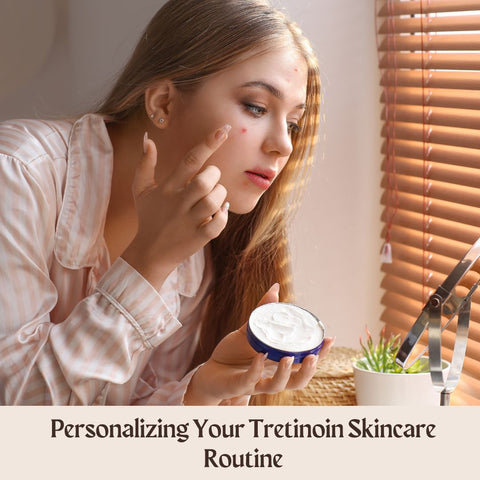
A personalized tretinoin program is required to maximize the effectiveness of this potent substance. Customize your routine based on your skin type, issues, and how your skin responds to the therapy. Use calming and moisturizing products, and wear sunscreen at all times to shield your skin from the photosensitizing properties of tretinoin. You can minimize side effects and fully benefit from tretinoin with frequent use and care.
Integrating Tretinoin into Your Daily Routine
Morning
- Cleanser: To avoid irritation, use a moderate, non-stripping cleanser. If your skin is dry or sensitive, use a moisturizing formula.
- Toner: Choose something that is both alcohol-free and relaxing. Retinoids should not be taken in the morning with exfoliating toners containing AHAs and BHAs.
- Serum: To brighten the skin and shield it from the elements, apply a serum containing antioxidants such as vitamin C.
- Moisturizer: To hydrate and balance your skin, use a light-textured, non-comedogenic moisturizer.
- Sunscreen: When using tretinoin, this is critical. To protect your skin from UV damage, wear a broad-spectrum sunscreen with SPF 30 or higher.
Evening
- Cleanser: Use a gentle cleanser to remove impurities, sunscreen, and makeup. If you apply a lot of makeup, consider taking a second cleansing.
- Tone: Use a calming tone; steer clear of ones that contain exfoliating acids.
- Application: Apply it 2 or 3 times each week, gradually increasing to overnight use as your skin adjusts. Apply a pea-sized amount all over your face. Apply a thin, even coat. Please ensure that your skin is completely dry before administering tretinoin. Allow it to completely absorb before applying other products.
- Serum or Treatment: If you use any other serums or treatments, apply them after tretinoin. Choose non-irritating, moisturizing formulations.
- Moisturizer: Use a thicker moisturizer at night to restore the skin's barrier and seal in moisture.
Expert Tips: Maximizing Tretinoin’s Benefits
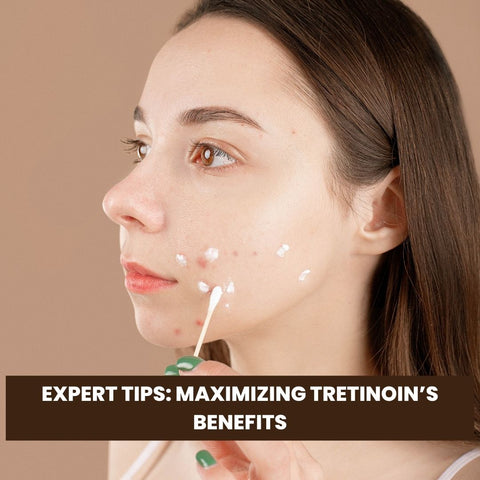
Use these professional suggestions to maximize the benefits of tretinoin while reducing any potential negative effects: Start cautiously, follow the application instructions, match mild products with your skin, be consistent, handle any adverse effects, steer clear of over-exfoliation, pay attention to your skin, and monitor. You may optimize the benefits of tretinoin while lowering side effects and achieving better skincare results by adhering to expert advice.
Choosing Between Tretinoin Gel and Cream: Dermatologist Advice
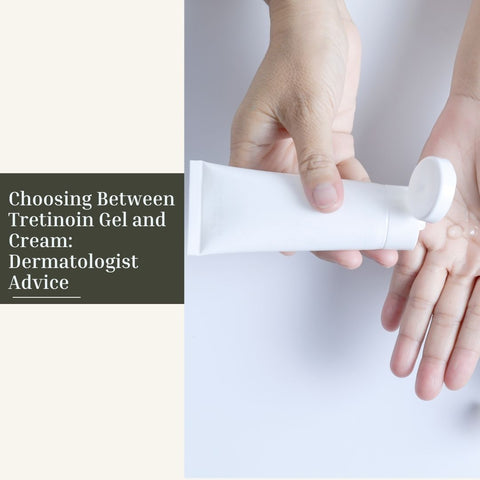
The choice between tretinoin gel and cream is often determined by your skin type, concerns, and preferences. Both formulations contain tretinoin but have different underlying components, which can affect their effectiveness and interaction with your skin. The information is based on dermatological advice to assist you in making an informed decision, such as knowing the formulations, skin type considerations, skin issues, sensitivities, lifestyle, and dermatologist. By taking these aspects into account and speaking with a physician, you may select the optimum tretinoin formulation for your skin type and skincare goals.