Best Vitamin C Serums for Combination Skin Recommended by Experts
Suffering from an oily T-zone and dry, flaking cheeks? Well, you aren't the only one with this issue. Combination skin is said to be one of the most common skin types in India. And as much as 70% of people have combination skin. It can get challenging to treat it because most serums will either make your T-zone excessively greasy or dry out other spots.
That's where the right vitamin C serum for combination skin changes everything. Vitamin C addresses pigmentation issues, dull skin, and premature ageing without disturbing your skin's natural balance.
In this article, we learn why combination skin needs vitamin C, what ingredients to look for, how to apply it correctly, and key precautions to protect your skin barrier.
Why Combination Skin Needs the Right Vitamin C Serum?

Combination skin doesn't follow one rule it follows two, sometimes three, at the same time. As a rule, the T-zone (the forehead, nose, and chin) produces excess sebum whereas the cheeks have a normal or rather a dry appearance. This implies that if you choose the right serum for oily skin, it will dehydrate the cheeks completely and vice versa.
Vitamin C, when formulated correctly, works in harmony with both zones. Here's why it earns a permanent spot in a combination skin routine:
1. Brightens without stripping: As mentioned earlier, combination skin tends to develop spots and pigmentation, particularly on cheeks and chin. Vitamin C works by suppressing melanin production to lighten dark spots while maintaining the skin's moisture balance.
2. Controls excess sebum (in the right formula): Water-based vitamin C serums work to control excessive sebum production in the T-zone without feeling heavy. Unlike heavy creams, a lightweight serum gets absorbed quickly without clogging pores.
3. Strengthens the skin barrier: Dry patches of combination skin can be an indication of a combination skin barrier function. By stimulating collagen production, vitamin C makes the skin stronger, thus providing support for drier areas and allowing them to hold moisture better.
4. Antioxidant protection across the entire face: Both oily and dry zones are equally vulnerable to UV damage and environmental pollution. Vitamin C neutralises free radicals across the whole face, making it a universally beneficial ingredient regardless of your skin's mixed behaviour.
5. Reduces redness and inflammation: The T-zone is susceptible to acne and redness. The antioxidant property of vitamin C helps in calming breakouts and reducing the redness left behind by a breakout.
However, one must choose the right vitamin C serum for combination skin, which must be light, non-acnegenic, and right in its concentration, as a wrong formula may cause problems such as breakouts and irritation.
What to Look for in the Best Vitamin C Serum for Combination Skin?
Not every vitamin C serum on the market is built for the unique demands of combination skin. Before picking one, here's what to evaluate carefully:
1. The right form of vitamin C: Vitamin C comes in multiple derivatives, and each suits different skin profiles:
-
L-Ascorbic Acid (LAA) is the most potent and well-researched form. Effective but can cause irritation for sensitive combination skin if the concentration is too high. Look for 10–15% for best results.
-
Sodium Ascorbyl Phosphate (SAP) is a gentler, more stable derivative. Excellent for combination skin that also tends to be reactive.
-
Ascorbyl Glucoside works slowly but steadily, converting to pure vitamin C on the skin. Great for beginners.
-
3-O-Ethyl Ascorbic Acid is highly stable and effective at lower concentrations. A strong option for combination skin types.
2. Lightweight, water-based or gel texture: Avoid serums with a thick, oil-heavy base. For combination skin, a gel or water-serum consistency absorbs quickly and doesn't leave a residue that congests the T-zone. If the serum feels greasy on your hand, it'll behave the same on your face.
3. Concentration between 10% and 20%: Anything below 10% may not show visible results. Anything above 20% significantly raises the risk of irritation especially on the drier areas of combination skin. A 10–15% concentration is the sweet spot for most combination skin types.
4. Stabilising co-ingredients: Vitamin C is notoriously unstable and oxidises quickly when exposed to air and light. Look for serums that include:
-
Ferulic Acid significantly boosts vitamin C's stability and doubles its antioxidant efficacy
-
Vitamin E (Tocopherol) works synergistically with vitamin C for enhanced skin protection
-
Hyaluronic Acid adds lightweight hydration, particularly helpful for the drier zones
5. Non-comedogenic formula: Since the T-zone is prone to clogged pores, always check that the serum is explicitly non-comedogenic. Avoid formulas that list heavy oils (coconut oil, mineral oil) high on the ingredient list.
6. Stable, opaque or airless packaging: Vitamin C degrades rapidly when exposed to light and oxygen. The best vitamin C serum for combination skin will always come in dark glass bottles, opaque tubes, or airless pump dispensers not clear bottles or jars.
7. pH level of 3.0 to 3.5: For L-Ascorbic Acid specifically, the serum needs a low pH (between 3.0 and 3.5) to penetrate the skin effectively. Above pH 4, absorption drops sharply and results diminish.
Best 5 Vitamin C Serums for Combination Skin
|
Product Name |
Active Ingredients |
Primary Benefits |
|
Ascorbyl Glucoside, Ergothioneine, Phosphatidylcholine |
Supports skin luminosity, tightness, hydration, and overall vitality. |
|
|
Ethyl Ascorbic Acid, Hyaluronic Acid, Witch Hazel |
Brightens skin, provides skin hydration, and restores natural radiance. |
|
|
Hydrolyzed Quinoa, Squalane, Olive oil |
Reduces hyperpigmentation, increases collagen formation, and rejuvenates skin. |
|
|
Ferulic Acid, L-Arbutin, Kojic Acid |
Targets hyperpigmentation and dullness, and enhances skin elasticity. |
|
|
L-Ascorbic Acid, Ascorbyl Glucoside |
Anti-aging properties, collagen promotion, and skin illumination. |
1. Actium Plus Acti-C Forte Illuminating Super Serum
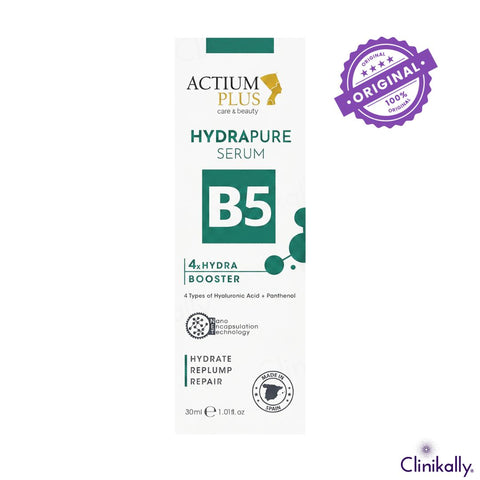
Best For: Dullness, uneven skin tone, and early signs of ageing on combination skin
Why We Picked It: A dermatologist recommended product that combines three of the most proven brightening actives in one lightweight serum. It focuses on pigmentation, free radical damage, and fine lines simultaneously making it one of the most suitable picks for the combination skin.
Key Benefits
-
Visibly brightens the dull skin and fades dark spots with 15% pure L-Ascorbic Acid
-
Ferulic Acid stabilises the formula and amplifies vitamin C's antioxidant protection
-
Lightweight texture absorbs quickly without leaving residue on the T-zone
Who Should Use It? Ideal for combination skin dealing with uneven tone, post-acne marks, or early signs of ageing. Works well under makeup and layers smoothly with other actives.
Who Should Avoid It? Not recommended for reactive or sensitised skin type and starting vitamin C for the first time the 15% concentration may cause initial tingling.
2. Peau Care Ascorbic FE Vitamin C Serum
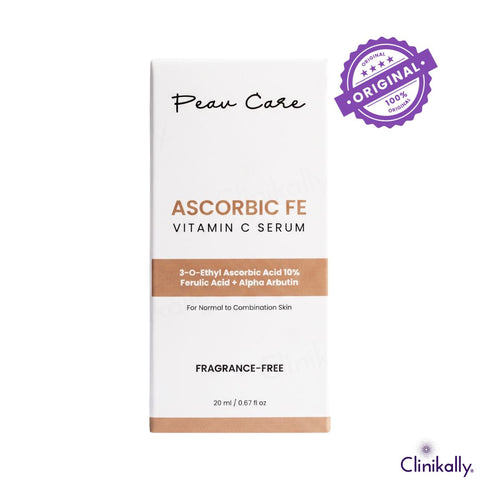
Best For: Brightening and pore refinement on combination skin
Why We Picked It: Combining the skin brightening effects of vitamin C with ferulic acid and niacinamide, this serum not only tackles pigmentation while minimise the size of pores. An ideal choice for combination skin that struggles with both shine and dullness.
Key Benefits
-
Stabilised vitamin C gradually fades dark patches and even skin tone
-
Niacinamide controls oil production in the T-zone area and minimises the appearance of enlarged pores
-
Mild formula suitable for everyday application without drying out drier areas of combination skin
Who Should Use It? Best suited for combination skin with visible pores, uneven tone, or oiliness concentrated in the T-zone.
Who Should Avoid It? Those with sensitivity to niacinamide should do a patch test before regular use.
3. Brinton D'experts Vitamin C Serum
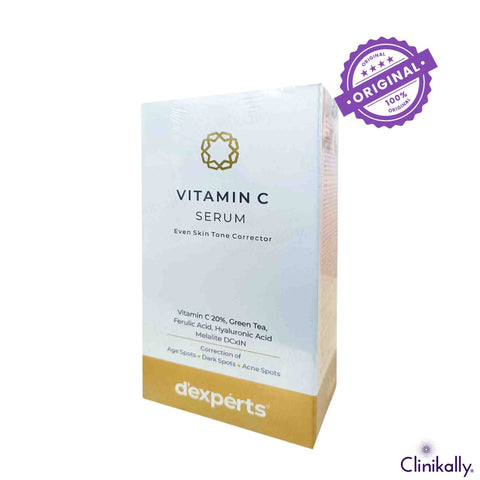
Best For: Hydration-boosting brightening for dry-patch-prone combination skin
Why We Picked It: Unlike harsher L-Ascorbic Acid formulas, this serum uses Ethyl Ascorbic Acid a stable, skin-friendly derivative that brightens without compromising the moisture balance combination skin needs. The added hyaluronic acid and peptides make it a well-rounded anti-ageing option.
Key Benefits
-
Ethyl Ascorbic Acid gently illuminates skin while minimizing risk of irritation
-
Hyaluronic Acid hydrates drier areas without clogging pores
-
Peptides promote collagen production and skin elasticity
Who Should Use It? A great starting point for combination skin that's new to vitamin C or tends to react to stronger formulations.
Who Should Avoid It? Those looking for fast, high-potency results may prefer a serum with a higher L-Ascorbic Acid concentration.
4. Adonis Adoclear Vitamin C Serum
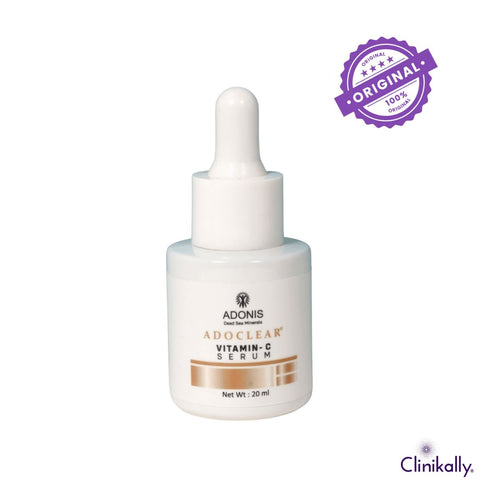
Best For: Acne-prone combination skin with pigmentation concerns
Why We Picked It This is one of the few vitamin C serums specifically designed with blemish-prone combination skin in mind. The addition of salicylic acid and zinc keeps the T-zone clear while ascorbyl glucoside gradually brightens post-acne marks.
Key Benefits
-
Ascorbyl glucoside converts to active vitamin C on the skin, offering gentle and stable brightening
-
Salicylic acid unclogs pores and controls excess sebum in the oily zones
-
Zinc calms inflammation and reduces the redness associated with active breakouts
Who Should Use It? Perfect for combination skin that regularly breaks out in the T-zone and is left with stubborn dark marks post-acne.
Who Should Avoid It? Not ideal for combination skin leaning dry salicylic acid may over-exfoliate the drier areas with frequent use.
5. VC-15 Vitamin C Serum
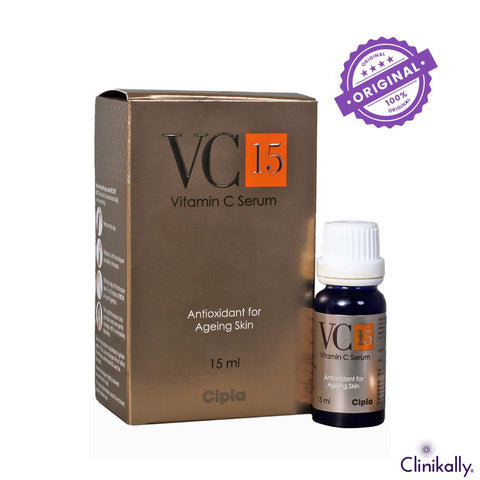
Best For: Overall brightening and antioxidant protection for combination skin
Why We Picked It: VC-15 offers a simplistic, hassle-free formula with a clinically-proven 15% concentration of Vitamin C with the added boost of Vitamin B3 and E. This product is a proven choice that offers results-based performance for those with combination skin looking for visible brightening without a complicated formula.
Key Benefits
-
15% L-Ascorbic Acid targets hyperpigmentation and dullness with proven efficacy
-
Vitamin B3 (Niacinamide) balances oil production and soothes the skin simultaneously
-
Vitamin E reinforces antioxidant protection and helps maintain the skin's moisture levels
Who Should Use It? Best for combination skin that wants a clinically straightforward, effective vitamin C serum without additional actives or fragrance.
Who Should Avoid It? Beginners to vitamin C should start with alternate-day use the 15% concentration can cause adjustment-phase sensitivity in reactive skin.
Using Tips of Vitamin C Serum on Combination Skin
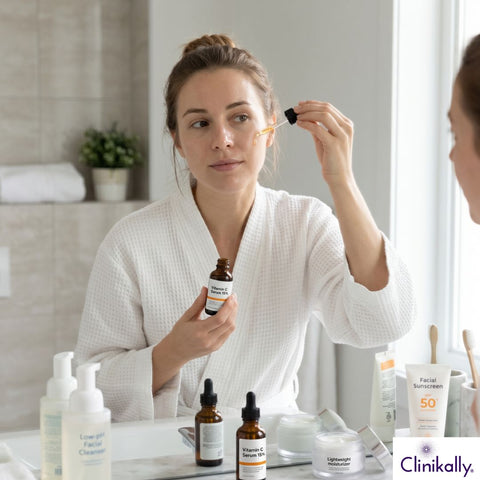
Even the best formula delivers poor results if it's applied incorrectly. Here's how to get the most out of your best vitamin C serum for combo skin:
1. Always apply in the morning: Vitamin C is an antioxidant its primary function is protecting your skin from daytime environmental stressors like UV radiation and pollution. Apply it in your morning routine, not at night.
2. Follow the correct layering order: The standard order for a morning routine with vitamin C:
Cleanser → Toner → Vitamin C Serum → Moisturiser → Sunscreen (SPF 30 or higher)
Apply the serum to clean, dry skin. Wait 30–60 seconds before layering your moisturiser on top.
3. Use 3-4 drops: More product does not mean better results. 3-4 drops will cover the entire face and neck. Gently press into the skin with your fingertips and not rub.
4. Patch test before your first full application: Apply a small amount behind the ear or on the inside of the wrist 24 hours before using it on your face. This is especially important for sensitive combinations and skin.
5. Start every other day if you're new to vitamin C: Begin with every other day since the skin may experience tingling, redness or mild acne when first introduced to an active ingredient. Apply it every other day for the first 2 weeks then use once daily as tolerance develops.
6. Don't apply on damp skin: Wait until your face is fully dry after cleansing. Wet skin dilutes the serum's concentration and can reduce its effectiveness. A 30-second air-dry is enough.
7. Never skip sunscreen: Vitamin C makes skin more sensitive in the sun. One of the most common mistakes that I see causing a deterioration of pigmentation is when people skip the sun protection after they have applied their vitamin C serum. Sunscreen is non-negotiable.
8. Store it properly: Ensure that your serum is stored in a cool dry place away from direct sunlight. Vitamin C serums can be stored in the refrigerator to make them last longer. If the serum turns yellow or brown, it has oxidised discard it immediately.
Precautions to Know Before Using Vitamin C Serum
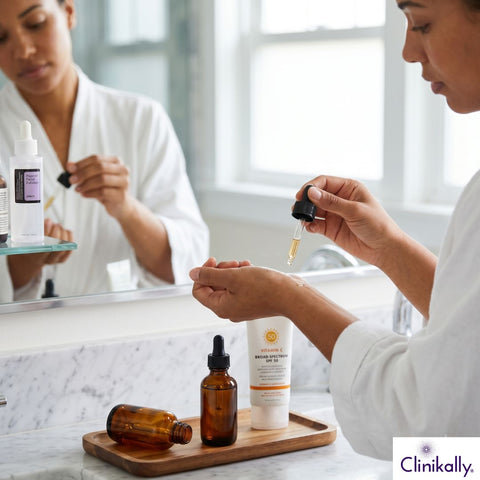
Vitamin C is largely safe, but combination skin has its own sensitivities that deserve a bit of extra caution:
1. Avoid combining with strong actives: Do not mix vitamin C with strong actives, such as the following in the same routine:
-
Retinol and Vitamin C both are potent active ingredients and using them together is risky for irritation. Apply vitamin C to the face in the morning and retinol at night.
-
AHAs/BHAs (Glycolic Acid, Salicylic Acid), combining these with vitamin C reduce the pH too much and results in a major irritation of the skin and sensitivity.
-
Benzoyl Peroxide reacts with Vitamin C and causes it to become oxidized, which makes it ineffective.
2. Niacinamide use with caution: The niacinamide-vitamin C debate has largely been resolved by modern formulations, but at the high concentrations, the two ingredients are thought to cause flushing together. If using a serum that contains both Niacinamide and Vitamin C, it's important to look at the concentration and observe the skin's response.
3. Watch for signs of a compromised skin barrier: If your combination skin is already experiencing sensitivity, tightness, or visible flakiness, your skin barrier may be compromised. If the barrier is compromised, adding vitamin C can make it more irritated. Repair barrier for the first two to three weeks with a gentle ceramide moisturiser before getting onto vitamin C.
4. Discontinue use if oxidation occurs: An oxidised serum (one that has turned noticeably yellow, orange, or brown), stop using it, as it will not work, and may cause further damage in the form of free radicals to the skin. Test the colour of the serum often and change it every 3-6 months.
5. Don't use near the eyes: The skin around your eyes is thin and sensitive. Avoid using in the immediate eye area as it may sting and irritate the eyes unless the serum is intended for use there.
Final Thoughts
Explore the right vitamin C serum for combination skin doesn't have to be overwhelming. The key lies in understanding your skin's dual nature and selecting a formula that balances both zones effectively. Opt for lightweight, non-comedogenic serums with a 10–15% concentration, stabilising ingredients like ferulic acid, and skin-friendly derivatives suited to your sensitivity level.
Equally important is how you use it consistent morning application, proper layering, and daily sunscreen make all the difference. Whether you're targeting pigmentation, dullness, or excess oiliness, the right vitamin C serum can genuinely transform combination skin when used correctly and consistently.