What Is Pico Toning? Benefits, Process & Skin Results Explained
Pico Toning is an innovative laser skin treatment that rejuvenates the skin, reduces pigmentation, and promotes even skin tone without requiring downtime or intrusive procedures. It falls under the larger category of picosecond laser therapies, which are noted for their speed, precision, and safety in treating a variety of skin issues. In this article, we will learn about Pico Toning.
Understanding Pico Toning: What Sets It Apart from Conventional Lasers?
Pico toning differs from ordinary lasers in that it uses ultra-short pulses of energy, specifically in the picosecond region, rather than the nanosecond range used by traditional lasers. Pico toning uses an ultra-short pulse duration to break down pigmentation and stimulate collagen formation with less heat damage, resulting in faster recovery, less downtime, and higher effectiveness for a variety of skin issues.
The Technology Behind Pico Toning: Short Bursts, Big Impact
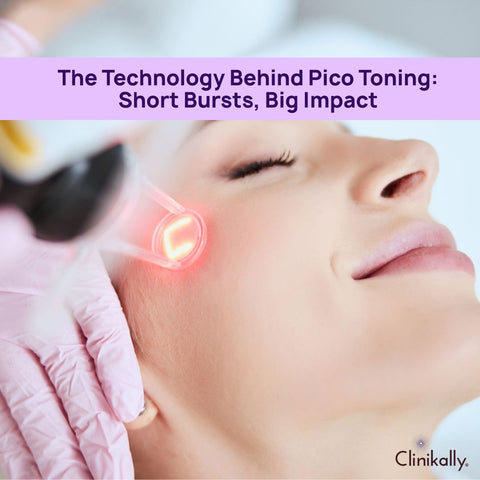
Pico Toning is more than just a trendy skincare buzzword; it is a cutting-edge laser technology that is changing the way we address pigmentation, texture, and symptoms of aging. At its core is a potent concept: ultra-short energy bursts that produce significant benefits with minimal skin harm. Pico toning technology has the following key advantages:
- Ultra-fast delivery means less tissue damage.
- Non-thermal approach is safe for all skin types.
- Promotes natural healing, resulting in better long-term skin health
- Minimal downtime means returning to life immediately.
How Pico Laser Differs from Traditional Q-switched Lasers
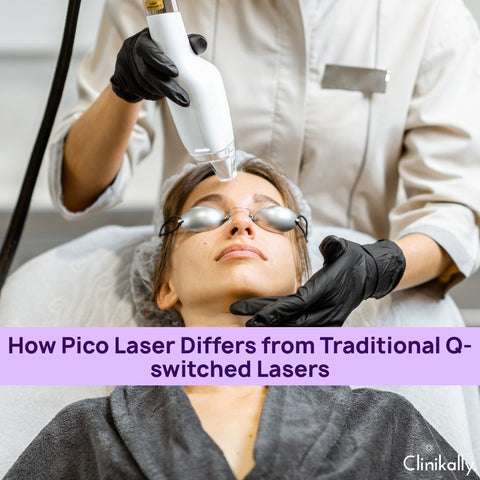
Both Pico lasers and Q-switched lasers are used for treating pigmentation, tattoos, and aging, yet they operate in fundamentally different ways. The fundamental difference is pulse duration, which has a direct impact on treatment efficacy, safety, and downtime.
- Pulse Duration: Trillionths vs. Billionths of a Second: Pico Laser (shatters pigment with shockwaves) and Q-Switched Laser (breaks pigment through heat and pressure). Pico lasers provide energy faster and more precisely, resulting in less heat damage. Q-switched lasers are slower, and the energy lasts longer in the tissue, causing greater heat.
- Energy delivery: mechanical vs. thermal: Short bursts of the pico laser's photomechanical (non-thermal) energy cause microscopic shockwaves that fragment pigment into smaller pieces. Utilizing photothermal energy, the Q-switched laser produces more heat, raising the possibility of burns or inflammation.
- Skin safety and side effects: Pico laser side effects include lower pain levels (little cracking sensation), minimum to no downtime, and a very low risk of hyperpigmentation (safe for all skin tones). Q-switched laser is affected by pain level (moderate; may feel like a rubber band snap), downtime (possible redness, swelling, and crusting), and hyperpigmentation risk (moderate, especially in darker skin). Pico lasers are safer for darker or delicate skin types, which are more susceptible to post-inflammatory hyperpigmentation caused by heat.
- Treatment effectiveness: Pico lasers break down pigment into finer particles, allowing the body to clear them more quickly and completely. Pico lasers stimulate collagen without damaging the top layer of skin, which improves texture, pores, and wrinkles. Pico lasers typically require fewer sessions and can treat a wider range of ink colors, including stubborn blues and greens.
- Ideal Applications: When To Choose Each: Skin issues include melasma and sunspots (pico laser), tattoo removal (pico laser), deeper or thick tattoos (Q-Switched), and darker skin types (Pico (safer and less inflammatory)) can be combined.
The Role of Laser Wavelengths in Skin Targeting
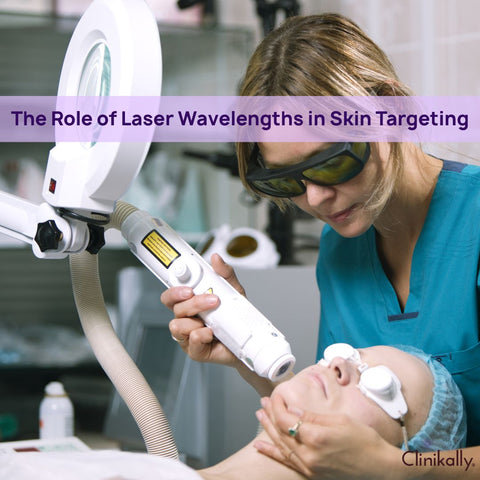
Laser treatments use precise light wavelengths to target certain skin features such as pigment, blood vessels, or collagen. Each wavelength penetrates to a different depth and interacts with distinct chromophores (light-absorbing molecules such as melanin or hemoglobin). Understanding laser wavelengths is critical for selecting the best treatment for your skin condition.
- Choosing the correct wavelength allows you to treat skin more effectively and safely.
- It determines which skin depth is targeted, what is absorbed, and how the body reacts.
- Advanced technologies such as Pico lasers use multiple wavelengths (e.g., 532 + 1064 nm) to treat both surface and deep pigment in the same session.
Clinical Benefits of Pico Toning: More Than Just Skin Deep
Pico toning, which utilizes picosecond laser technology, goes much beyond ordinary cosmetic enhancement. With its ultra-fast energy pulses, it provides non-thermal, skin-safe treatment for a wide range of disorders, including pigmentation and collagen regeneration, with low downtime and high patient satisfaction.
-
Skin tone and pigmentation correction: Removes excess melanin with accuracy, lightening melasma, sunspots and age spots, post-inflammatory hyperpigmentation (PIH), and freckles. Picosecond lasers use ultra-short pulses to create photomechanical pressure waves, which shatter pigment into finer particles than regular lasers. The body's lymphatic system can clear these particles more quickly, resulting in faster and more complete pigment elimination.
-
Collagen remodeling and skin rejuvenation: Promotes natural collagen and elastin production, which improves fine lines and wrinkles, skin laxity, and overall texture and firmness. Picosecond pulses cause laser-induced optical breakdown (LIOB) and laser-induced cavitation (LIC) in the dermis. These regulated interruptions instruct the body to mend and regenerate connective tissue without harming the outer skin layers.
-
Pore reduction and texture refinement: Tightens enlarged pores and rough skin. Collagen stimulation using a picosecond laser results in tighter, smoother skin, which naturally decreases the appearance of large pores—particularly on the nose, cheeks, and forehead.
-
Safe for All Skin Types: Lowers the risk of hyperpigmentation, burns, and scars in darker skin tones. Unlike thermal lasers, Pico toning distributes energy without warming the skin, making it safer for people with melanin-rich complexions—a population that is frequently at risk from traditional lasers.
-
Minimal downtime and greatest convenience: Return to normal life shortly following therapy. Mild redness lasts a few hours. There is no peeling, crusting, or prolonged healing. It is commonly referred to as a "lunchtime procedure" because of its speedy and mild recovery.
-
Effective tattoo fading and removal: Breaks down tattoo ink particles, particularly stubborn hues like blue, green, and red. Picosecond lasers can break ink into smaller particles than Q-switched lasers, resulting in fewer sessions, improved fading, and less skin harm.
-
Evidence-based results: Melasma treatment with less adverse effects than other lasers. Improved skin elasticity and dermal density in just 4-6 sessions. Significant reduction in PIH risk, particularly among Asian and dark-skinned patients. Increased patient satisfaction with overall tone and skin health.
Stimulating Collagen and Elastin: The Cellular Response
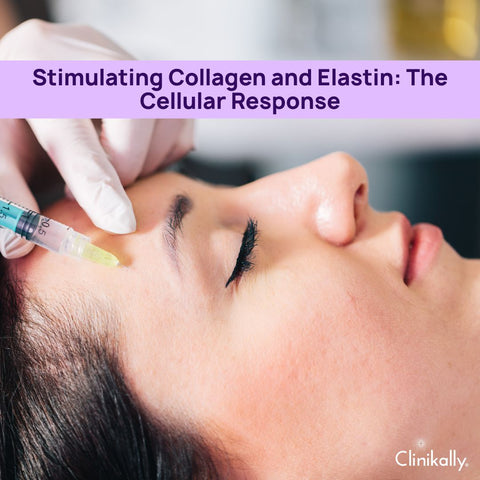
Pico lasers generate Laser-Induced Optical Breakdown (LIOB) and Laser-Induced Cavitation (LIC) through ultra-short picosecond pulses.
The following non-thermal effects:
-
Generate microscopic pressure waves in the dermis.
-
Create tiny vacuoles or "zones of disruption" to stimulate fibroblast activity.
-
Leave the epidermis intact to reduce inflammation and recovery time.
Reducing Hyperpigmentation: Melanin Fragmentation Explained
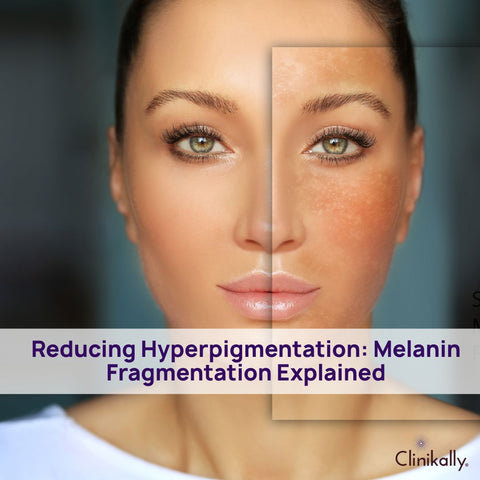
One of the most prevalent skin issues is hyperpigmentation, which can include melasma, sunspots, and post-inflammatory dark markings. It is mostly caused by an excess of melanin, the pigment that gives skin its color. Pico laser toning is a treatment that uses melanin fragmentation to minimize hyperpigmentation.
Melanin is a pigment produced naturally by melanocytes in the skin's basal layer. It determines the color of your skin, hair, and eyes. When melanin is overproduced or poorly distributed, it forms dark spots or patches. Common causes of hyperpigmentation include UV exposure (sun damage), hormonal changes (melasma), inflammation (acne scars, eczema), and age.
Lasers designed for pigmentation treatment employ selective photothermolysis, a technique in which melanin absorbs specific wavelengths of light while sparing adjacent tissue. Traditional lasers, such as Q-switched lasers, use nanosecond pulses that produce heat. This can sometimes produce post-inflammatory hyperpigmentation (PIH), particularly in darker skin tones.
Safe and Effective for All Skin Types: Especially Indian Skin

When it comes to skin treatments, one size does not fit all—especially for people with darker or melanin-rich complexions, such as Indian skin (Fitzpatrick IV-V). Many standard laser treatments might result in burns, post-inflammatory hyperpigmentation (PIH), and uneven outcomes for darker skin tones. However, modern technologies like as Pico toning are changing the narrative.
Is Pico Toning Right for You? Choosing Personalized Laser Care
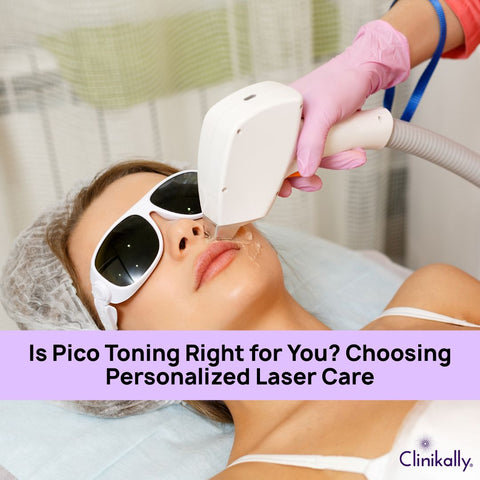
Pico toning is gaining popularity due to its non-invasive, little downtime, and melanin-safe technology. However, while it is useful for a wide range of skin types and issues, not everyone will need it or benefit similarly. Here's how to determine whether Pico toning is a suitable fit for you.
-
Know Your Skin Goals: Skin concerns include hyperpigmentation and dark spots (very effective), melasma or hormonal pigmentation (gentle and safer than heat lasers), acne scars (helps remove blemishes and refine texture), Fine wrinkles and early aging (stimulating collagen, tightening skin)
-
Consider Your Skin Tone and Type: Pico toning is FDA-cleared for all skin types, including Indian, Middle Eastern, African, and Southeast Asian skin, as well as sensitive, acne-prone, or red-prone skin.
-
Evaluate your skin health and medical history: Before beginning Pico toning, your dermatologist will review recent sun exposure or tanning (may need to wait), skin infections, eczema, or open wounds (delay treatment), use of retinoids or exfoliants (pause 3-5 days prior), and pregnancy or breastfeeding (usually avoided).
-
Match It to Your Lifestyle and Time Commitment: Time for numerous sessions (best effects occur after 3-6 treatments), tolerance for downtime (little redness; you can resume work the same day), budget considerations (costs vary per clinic and region), and skincare discipline (post-laser maintenance is crucial to prevent recurrence).
-
Commit to maintenance and aftercare: Even with excellent results, sustaining them entails using daily sunscreen (SPF 50), brightening serums (Vitamin C, niacinamide, or kojic acid), avoiding harsh actives for 3-5 days following treatment, and scheduling "touch-up" appointments every 6-12 months.
-
Receive a professional evaluation: Only a skilled dermatologist or registered laser technician can ensure that your skin is ready for laser, whether you're better suited for Pico toning, chemical peels, or microneedling, and the optimum laser settings based on skin type and concern.
Skin Concerns Treated with Pico: From Acne Scars to Fine Lines
Pico laser therapies have transformed cosmetic dermatology by providing non-thermal, high-precision skin rejuvenation with no downtime. This technology, with its ultra-fast picosecond pulses, safely cures a wide range of issues in all skin types, including sensitive and melanin-rich skin.
-
Post-acne pigmentation and scarring (PIH): Removes dark spots caused by acne, smoothes mild to moderate textural scars, and promotes skin renewal without irritating current acne.
-
Melasma and hormonal pigmentation: Targets deep dermal and superficial pigment safely while lowering the risk of rebound hyperpigmentation (as with other lasers).
-
Sunspots, freckles, and age spots: Reduces sun-induced pigment clusters, evens out photo-damaged or browned skin, and reverses the effects of prolonged UV exposure.
-
Uneven skin tone and dullness: Removes pigment buildup, brightens the complexion, and increases radiance without harsh peels or downtime.
-
Fine lines and early wrinkles: Promotes natural collagen production, progressively improves skin elasticity and firmness, and smoothes fine lines around the eyes, lips, and forehead.
-
Enlarged pores and textural irregularities: Reduces the appearance of large pores, refines skin texture without chemicals or abrasion, and smoothes "orange peel" skin or rough spots
-
Tattoo removal (optional function): Disintegrates tattoo ink of various hues (particularly black and blue). Multiple sessions are required, depending on the size and depth.
What to Expect During and After a Pico Toning Session
Pico toning is a popular treatment for pigmentation, acne scars, dullness, and fine wrinkles due to its quick recovery period and mild approach. Still, knowing what to expect from the session can help you feel more confident and achieve better results.
Before your session
1–3 days before: Stop using active skincare components. Avoid using retinol, AHA/BHAs, or exfoliants. Avoid sunbathing and tanning beds. On treatment day, avoid using heavy makeup or self-tanning products. If you have a history of cold sores, tell your doctor (they may prescribe antiviral medication).
During the Session
-
Consultation and skin assessment: Your provider will examine your skin to determine your treatment concerns (pigmentation, scars, tone, etc.). Skin type and tone are used to tailor laser settings.
-
Cleaning and numbing (Optional): The skin is thoroughly cleansed. Numbing cream is sometimes used, but most people can tolerate Pico toning without it.
-
Laser treatment (10-20 minutes): The device produces ultrafast picosecond pulses that may feel like slight cracking or tingling. Most people describe the sensation as "rubber band snaps"—not painful, but noticeable. A chilly air stream may be employed during therapy to provide additional comfort.
-
Cooling and post-treatment care: A soothing gel, mask, or cooling pack can be used to reduce redness. Sunscreen is applied before you leave.
Possible Side Effects and Downtime: Separating Fact from Fear

Pico toning is a low-risk, high-reward procedure, particularly when done by a specialist. Minor redness or dryness is usual, but significant side effects are uncommon and preventable with good care.
Tailoring Your Skincare Journey: Personalized Recommendations for You

Everybody's skin is different. Your age, environment, hormones, skin tone, and stress levels all influence how your skin behaves. So, customization is essential for long-term success and skin health.
-
Understand your skin profile: What is your skin type: oily, dry, combo, or sensitive? Tone: fair, medium, dark, or melanin-rich? Pigmentation, acne, dullness, aging, and scarring are the most common skin issues. Sun exposure: What is your lifestyle? Stress? Diet? Sleep?
-
Define your skin goals: Examples of Common Goals decrease pigmentation or melasma, eliminate acne scars or breakouts, develop a smooth, glassy texture, reverse early indications of aging, and improve the skin barrier for sensitivity. Each aim has a distinct treatment path. For example, pigmentation and texture can be improved by using pico toning and light exfoliants. Acne and inflammation can also be addressed. Blue light treatment combined with BHA cleanser, spot control, and barrier support? Niacinamide, Ceramides, and Minimal Actives.
-
Create Your Customized Routine: Here's a sample framework that I can tailor to your needs, such as a morning routine that includes a mild, pH-balanced cleanser, vitamin C serum (brightening, antioxidant), moisturizer (gel-based for oily skin, cream for dry skin), and broad-spectrum SPF 50 (colored for added protection).
-
Night Routine: Cleanser (double cleanse if using makeup/SPF). Targeted treatment such as pigmentation: azelaic acid or tranexamic acid; acne: salicylic acid or benzoyl peroxide and anti-aging: retinol (if skin tolerates). Barrier Repair Moisturizer (with ceramides or peptides)