Your Guide to Adapalene: What to Expect and How to Make the Most of It
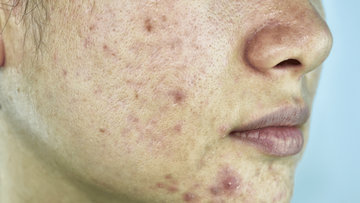
Taking care of your skin is essential for a healthy and confident appearance. When it comes to treating acne and improving overall skin health, one ingredient that has gained significant popularity is adapalene. If you're considering incorporating adapalene into your skincare routine, this comprehensive guide is here to help. From understanding its benefits and potential side effects to learning how to use it effectively, we will navigate through the world of adapalene together. Get ready to unlock the secrets of this powerful skincare ingredient and discover how to make the most of it for a clearer, healthier complexion.
Understanding Adapalene: Benefits, Usage, and Side Effects
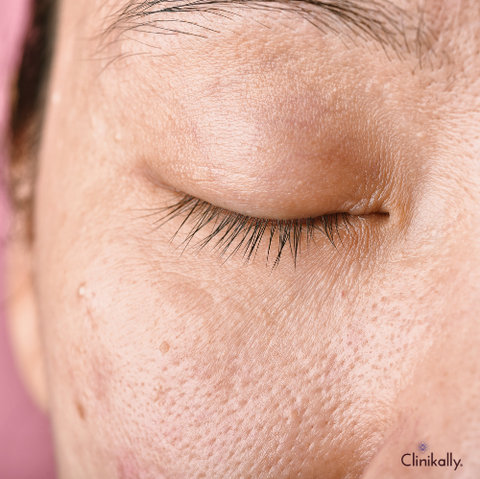
Adapalene is a popular skincare ingredient known for its effectiveness in treating acne and improving overall skin health. If you're considering incorporating adapalene into your skincare routine, it's essential to understand its benefits, usage, and potential side effects. In this guide, we'll explore everything you need to know about adapalene to make informed decisions and achieve the best results for your skin.
Adapalene: An Overview of its Skincare Benefits
Adapalene offers numerous skincare benefits that make it a valuable addition to your routine. It is a retinoid, which means it's derived from vitamin A and works by promoting skin cell turnover, unclogging pores, reducing inflammation, and preventing the formation of new acne. Additionally, adapalene can help improve skin texture, minimize the appearance of fine lines and wrinkles, and even out skin tone. By understanding these benefits, you can appreciate the positive impact adapalene can have on your skin.
How to Properly Use Adapalene for Optimal Results
To make the most of adapalene, it's crucial to follow the correct application and usage guidelines. This section will provide a step-by-step guide on how to incorporate adapalene into your skincare routine. From preparing your skin for application to determining the right dosage, you'll learn the necessary steps to ensure optimal results. We'll also discuss the importance of consistency and patience when using adapalene, as visible improvements may take time.
Potential Side Effects of Adapalene and How to Manage Them
While adapalene is generally safe to use, like any skincare product, it can have potential side effects. It's essential to be aware of these side effects and know how to manage them effectively. This section will outline common side effects such as dryness, redness, and increased sensitivity to the sun. We'll provide practical tips and skincare techniques to minimize discomfort and ensure a positive experience with adapalene.
Incorporating Adapalene into Your Skincare Routine
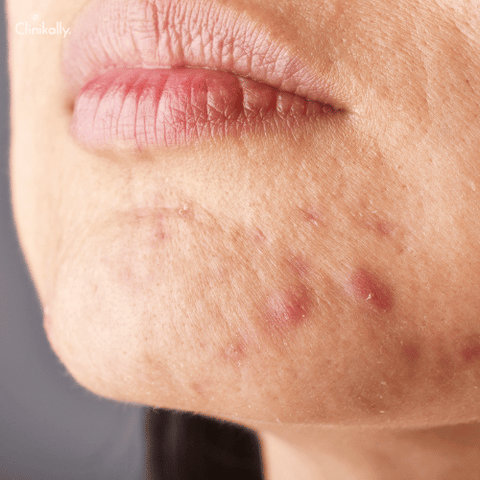
Now that you have a comprehensive understanding of adapalene, it's time to explore how to incorporate it seamlessly into your existing skincare routine. This section will guide you through the process, offering valuable tips and recommendations. You'll learn about the best time to apply adapalene, how to layer it with other skincare products, and potential interactions with different ingredients. By mastering the art of integrating adapalene into your routine, you'll maximize its benefits.
Step-by-Step Guide: How to Add Adapalene to Your Skincare Routine
Follow these steps to effectively introduce adapalene into your skincare routine:
- Cleanse your face: Begin with a gentle cleanser to remove dirt, oil, and makeup from your skin.
- Pat dry: Gently pat your face dry with a clean towel. Avoid rubbing, as this can irritate the skin.
- Wait for your skin to dry completely: Adapalene should be applied to completely dry skin to enhance its absorption.
- Apply a pea-sized amount of adapalene: Start with a small amount and spread it evenly across your face, focusing on acne-prone areas.
- Avoid sensitive areas: Take care to avoid the delicate skin around your eyes, lips, and nostrils.
- Wait for absorption: Allow the adapalene to absorb into your skin for a few minutes before continuing with your skincare routine.
- Moisturize: Apply a gentle, non-comedogenic moisturizer to hydrate and protect your skin after applying adapalene. Look for a moisturizer that is suitable for acne-prone skin and won't clog pores.
- Sun protection: Adapalene can increase your skin's sensitivity to the sun, so it's crucial to apply a broad-spectrum sunscreen with an SPF of 30 or higher. Remember to reapply sunscreen throughout the day, especially if you're spending extended periods outdoors.
- Gradual introduction: If you're new to using adapalene, it's recommended to start with a lower concentration and gradually increase it over time to allow your skin to adjust. This can help minimize potential irritation and side effects.
Tips for Enhancing the Effectiveness of Adapalene
To optimize the effectiveness of adapalene, consider the following tips:
- Consistency is key: Adapalene works best when used consistently. Incorporate it into your daily skincare routine and stick to the recommended application frequency.
- Be patient: Results may take time to become noticeable. It can take several weeks or even months for adapalene to visibly improve your skin. Stay committed to your skincare routine and give the product sufficient time to work its magic.
- Use non-comedogenic products: To avoid clogging your pores, opt for non-comedogenic skincare products. These are formulated to be less likely to cause acne or worsen existing breakouts.
- Avoid excessive exfoliation: While exfoliation is beneficial for skin renewal, excessive or aggressive exfoliation can irritate your skin when combined with adapalene. Stick to a gentle exfoliation routine and avoid harsh scrubs or abrasive tools.
- Stay hydrated: Keeping your skin hydrated is essential when using adapalene. Drink plenty of water and use a moisturizer suitable for your skin type to maintain hydration and minimize dryness.
Precautions to Take When Using Adapalene
Although adapalene is generally safe, it's important to take certain precautions:
- Consult a dermatologist: If you have any underlying skin conditions, are pregnant or breastfeeding, or are currently using other prescription medications, consult a dermatologist before incorporating adapalene into your skincare routine.
- Patch test: Before applying adapalene to your entire face, perform a patch test on a small area of your skin to check for any adverse reactions or allergies.
- Start with a lower concentration: If you're new to using retinoids or have sensitive skin, begin with a lower concentration of adapalene to minimize the risk of irritation. You can gradually increase the concentration as your skin becomes more accustomed to it.
- Limit sun exposure: Adapalene can make your skin more susceptible to sunburn and damage. Wear protective clothing, seek shade when the sun is strongest, and always use a broad-spectrum sunscreen when going outdoors.
- Avoid harsh products: To prevent excessive irritation, avoid using harsh or abrasive skincare products, such as alcohol-based toners or aggressive exfoliants, while using adapalene.
Adapalene for Acne: Addressing Skin Concerns

Acne is a common skin concern that can significantly impact one's self-esteem. Adapalene has been proven effective in treating acne and reducing breakouts. In this section, we'll explore how adapalene helps address acne and its role in improving overall skin health.
How Adapalene Helps in Treating Acne
Adapalene is particularly effective in treating acne due to its ability to regulate skin cell turnover, unclog pores, and reduce inflammation. By accelerating the shedding of dead skin cells and preventing the formation of comedones (clogged pores), adapalene helps clear existing acne and prevent new breakouts from forming. It also has anti-inflammatory properties that help reduce redness and swelling associated with acne.
When applied topically, adapalene works to normalize the skin's cell turnover process. It helps prevent the formation of microcomedones, which are the precursor to acne lesions. By keeping the pores clear and preventing the accumulation of sebum and dead skin cells, adapalene reduces the likelihood of clogged pores and the subsequent development of acne.
Furthermore, adapalene has been found to have mild antibacterial properties, which can help combat the bacteria responsible for acne, such as Propionibacterium acnes. By addressing multiple factors contributing to acne development, adapalene provides a comprehensive approach to treating this common skin condition.
Expected Results: What to Look for When Using Adapalene for Acne
When using adapalene for acne, it's important to have realistic expectations and understand the timeline for visible results. Adapalene is not an overnight solution, and significant improvements may take several weeks or even months to become noticeable.
In the initial stages of treatment, you may experience some temporary skin dryness, flakiness, or mild irritation. This is a normal part of the skin's adjustment period and usually resolves as your skin becomes more accustomed to adapalene. It's important to be patient and consistent with your skincare routine during this period.
Over time, you can expect to see a reduction in the frequency and severity of acne breakouts. Adapalene helps prevent the formation of new acne lesions and gradually clears existing ones, leading to a smoother and clearer complexion. However, individual results may vary, and it's important to continue using adapalene as directed to maintain the benefits.
Dos and Don'ts for Using Adapalene to Combat Acne
To maximize the effectiveness of adapalene in combating acne, here are some dos and don'ts to keep in mind:
Dos:
- Follow a consistent skincare routine: Use adapalene as directed by your dermatologist or according to the product instructions. Consistency is key to achieving the best results.
- Cleanse your face twice daily: Gently cleanse your face with a mild, non-comedogenic cleanser morning and night to remove dirt, oil, and impurities that can contribute to acne.
- Use adapalene at the right time: Apply adapalene in the evening, as it can make your skin more sensitive to sunlight. This allows the product to work overnight without interference from other skincare products or sun exposure.
- Moisturize your skin: Even though adapalene can cause temporary dryness, it's important to keep your skin moisturized. Use a non-comedogenic moisturizer to hydrate and nourish your skin.
- Protect your skin from the sun: Adapalene can increase your skin's sensitivity to the sun. Wear sunscreen with an SPF of 30 or higher daily, even on cloudy days, and reapply as needed.
Don'ts:
- Use excessive amounts of adapalene: A pea-sized amount is sufficient for the entire face. Using more than recommended won't speed up the results and may increase the risk of irritation.
- Combine adapalene with other potentially irritating products: Avoid using harsh or abrasive products, such as scrubs or products containing alcohol, while using adapalene. These can further irritate your skin and exacerbate dryness.
- Pick or squeeze acne lesions: As tempting as it may be, avoid picking or squeezing your acne lesions. This can lead to inflammation, scarring, and the spread of bacteria, making the situation worse.
- Expect immediate results: Adapalene takes time to work. Don't expect overnight results and be patient with the process. Consistent use and adherence to a skincare routine are key to achieving the desired results.
Long-Term Use of Adapalene: Benefits and Considerations
Adapalene can be used as a long-term skincare solution beyond just treating acne. In this section, we'll explore the potential benefits of continued adapalene usage and discuss considerations for incorporating it into a sustainable skincare routine.
The Potential Long-Term Effects of Using Adapalene
Using adapalene over the long term can provide several benefits for your skin. Since it promotes cell turnover and exfoliation, adapalene helps maintain a healthy and rejuvenated complexion. It can improve skin texture, minimize the appearance of fine lines and wrinkles, and even out skin tone. By preventing clogged pores and reducing inflammation, adapalene also helps prevent the formation of new acne breakouts.
Moreover, adapalene has been found to stimulate collagen production, which is essential for maintaining skin elasticity and firmness. This makes it a valuable tool in anti-aging skincare routines, helping to reduce the signs of aging and promote a more youthful appearance.
Incorporating Adapalene into a Sustainable Skincare Routine
When incorporating adapalene into a long-term skincare routine, it's important to consider sustainability and overall skin health. Here are some considerations to keep in mind:
- Gradual introduction: Start with a lower concentration of adapalene and gradually increase it as your skin becomes accustomed to the product. This approach minimizes the risk of irritation and allows your skin to adapt to the retinoid more effectively.
- Pair with a gentle cleanser: Use a mild, non-comedogenic cleanser to remove dirt and impurities without stripping the skin of its natural oils. This helps maintain a balanced and healthy complexion.
- Hydration is key: Adapalene can cause temporary dryness, so it's important to prioritize hydration in your skincare routine. Choose a moisturizer that suits your skin type and provides adequate hydration without clogging pores.
- Sun protection: Since adapalene can increase sun sensitivity, sun protection is crucial. Incorporate a broad-spectrum sunscreen into your daily routine, and consider using additional protective measures such as hats and sunglasses when exposed to direct sunlight for extended periods.
- Combination with other skincare ingredients: Adapalene can be used in combination with other beneficial skincare ingredients, such as hyaluronic acid, niacinamide, or antioxidants. However, it's important to introduce new ingredients slowly and pay attention to how your skin reacts to the combination.
- Listen to your skin: Everyone's skin is unique, so it's important to pay attention to how your skin responds to adapalene. If you experience persistent or severe irritation, redness, or discomfort, consult a dermatologist for further guidance.
Incorporating adapalene into a long-term skincare routine requires consistency, patience, and a holistic approach to overall skin health. By considering these factors, you can maximize the benefits of adapalene while maintaining the long-term sustainability of your skincare regimen.
Managing Skin Sensitivity and Hyperpigmentation with Adapalene
Adapalene is a powerful skincare ingredient that offers numerous benefits for acne treatment and overall skin health. By understanding its benefits, proper usage, and potential side effects, you can make informed decisions and achieve the best results for your skin.
Incorporating adapalene into your skincare routine requires a step-by-step approach, including cleansing, proper application, and moisturization. Additionally, it's important to enhance its effectiveness by following tips such as consistency, patience, and using non-comedogenic products.
When using adapalene for acne, it's important to have realistic expectations and give it time to work. The expected results include a reduction in the frequency and severity of breakouts, improved skin texture, and a clearer complexion. However, individual results may vary, and it's essential to continue using adapalene as directed to maintain the benefits.
Taking precautions while using adapalene, such as consulting a dermatologist, patch testing, and starting with a lower concentration, can help ensure a positive experience. Additionally, avoiding excessive sun exposure, harsh products, and picking or squeezing acne lesions is important to prevent potential side effects and further skin damage.
Adapalene can be used not only for acne treatment but also as a long-term skincare solution. Its benefits extend to improving skin texture, minimizing signs of aging, and promoting overall skin health. By incorporating adapalene into a sustainable skincare routine, you can maintain a healthy and rejuvenated complexion.
Remember to introduce adapalene gradually, prioritize hydration, and protect your skin from the sun. Pay attention to how your skin responds and adjust your routine accordingly. Listening to your skin and seeking professional guidance if needed will ensure a personalized and effective experience with adapalene.
In conclusion, adapalene is a valuable skincare ingredient with numerous benefits for acne treatment and overall skin health. By understanding its benefits, usage guidelines, and potential side effects, you can make informed decisions and achieve the best results for your skin. With proper application, patience, and a holistic approach to skincare, adapalene can be a powerful tool in achieving a clearer, healthier, and more radiant complexion.