6 Best Antifungal Creams for Tinea Versicolor
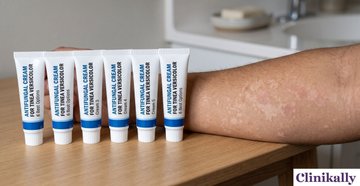
Tinea versicolor is a common skin fungal infection that causes scaly patches and discoloured skin areas. Finding the appropriate antifungal cream for tinea versicolor can make a significant difference in how quickly it is treated. This article will explain all you need to know before you start treatment. We're going to tell you about what tinea versicolor is, why it occurs, and how to properly use the tinea versicolor cream for effective results. Also we discuss how long you should expect the patches to fade. We also explore the possibility of recurrence after treatment and some common blunders people commit when using a tinea versicolor cream.
What Is Tinea Versicolor?
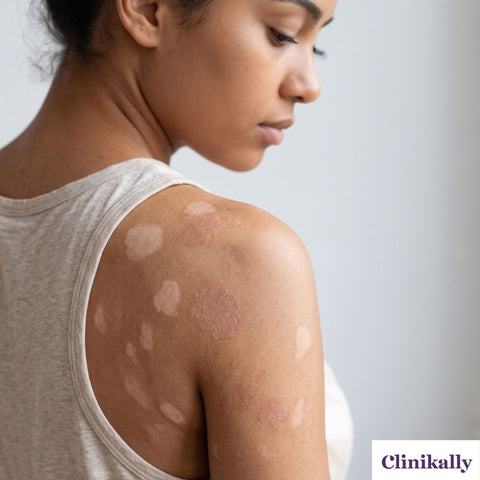
Tinea versicolor also known as pityriasis versicolor. A very common, non-contagious fungal skin disease that occurs as a result of an overgrowth of yeast (Malassezia) that is normally present on the skin. Excessive growth of this yeast can disrupt pigment production and cause areas of lighter or darker skin than normal. It usually appears on the chest, back, shoulders and neck and is more likely to flare during hot humid weather or when excessive sweating and oily skin occur. While it isn't harmful, the difference in skin tone can be noticeable, which is why most people opt for an antifungal cream for pityriasis versicolor as their first choice of treatment.
6 Antifungal Creams for Tinea Versicolor
The right product will make treatment easier. If you require treatment for fungal infections there are a number of effective and safe antifungal creams available. Here are six of them, what they contain, how they work and tips for using them.
|
Product Name |
Active Composition |
Primary Benefits |
|
Ketoconazole (2% w/w) |
Fights against fungal skin infections relieving irritation, itching, and scaling. |
|
|
Ketoconazole (2% w/w) |
Acts against fungi through its ability to inhibit growth and relieve itching. |
|
|
Ciclopirox Olamine (1% w/w) |
Targets fungal pathogens while relieving itching, redness, and irritation. |
|
|
Ciclopirox Olamine (1% w/w) |
Stops the growth of fungi by lowering inflammation, itching, and redness. |
|
|
Sertaconazole Nitrate (2% w/w) |
Disrupts fungal cell membrane, relieving itching, redness, and irritation. |
|
|
Sertaconazole Nitrate (2% w/w) |
Blocks growth of fungi and provides immediate relief for itching. |
1. Ketostar Cream
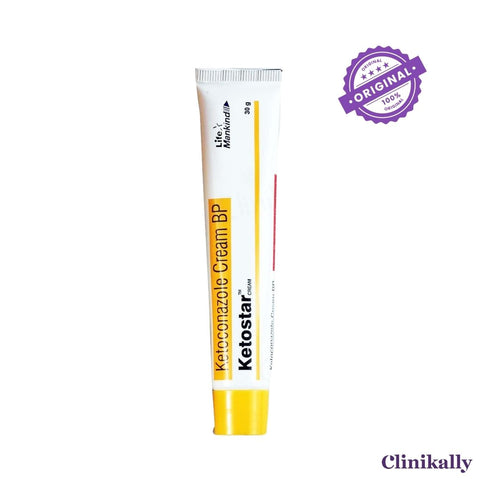
Ketostar contains ketoconazole 2%, an antifungal that works by disrupting ergosterol production in the fungal cell membrane, which weakens the membrane and stops the fungus from surviving or spreading on the skin.
-
Usage tips: Clean and dry the affected area first, then apply a thin layer once or twice daily as advised, extending slightly onto the healthy skin around the patches.
-
Benefits: Helps clear ringworm, jock itch, athlete's foot, and pityriasis versicolor, while easing itching, redness, and flaking with regular use.
2. ZyKT Cream
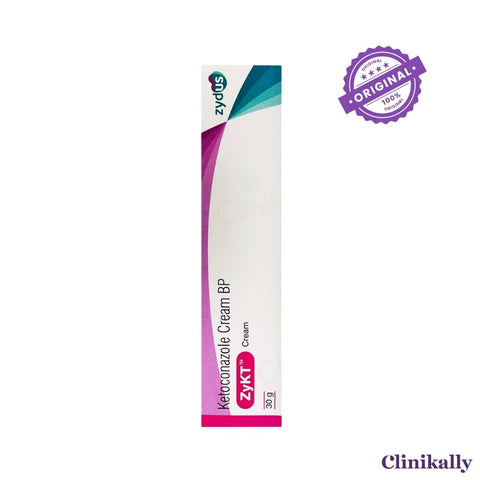
ZyKT contains ketoconazole 2%, an antifungal that blocks the fungal cell membrane's ability to form properly, causing the cell contents to leak out and the fungus to die off.
-
Usage tips: Wash and dry the skin before application, then smooth a thin layer over the patch and slightly beyond its edges once or twice a day, continuing for the full course even if the skin looks better.
-
Benefits: Effective against ringworm, athlete's foot, jock itch, and tinea versicolor, and helps calm the itching, scaling, and discoloration that come with the infection.
3. Candidox Cream
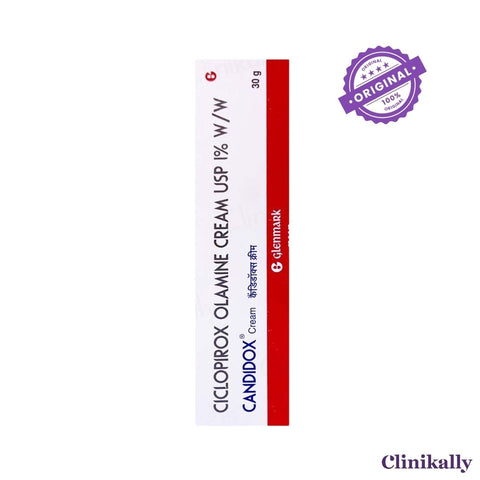
Candidox combines clotrimazole, which stops fungal cell membranes from forming, with beclometasone, a mild steroid that calms redness, swelling, and itching alongside the antifungal action.
-
Usage tips: Apply a thin layer to the clean, dry affected area twice daily, morning and night, and avoid covering it tightly so the skin can breathe.
-
Benefits: Brings faster relief from inflamed, itchy patches compared to antifungal-only creams, while still working to clear the underlying fungal infection.
4. Ciclorox Cream
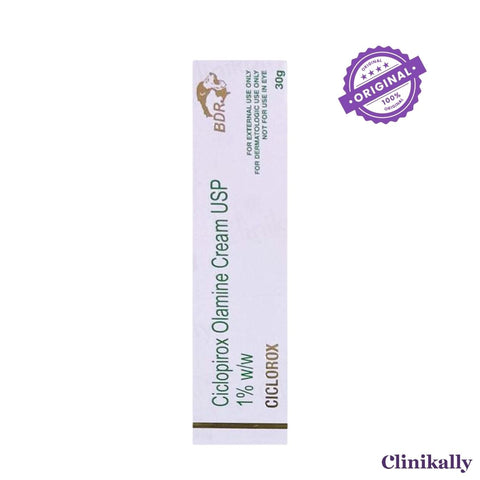
Ciclorox contains ciclopirox, a broad-spectrum antifungal that works differently from azole creams by binding to metal ions the fungus needs for its enzymes to function, effectively starving it of what it needs to grow.
-
Usage tips: Clean and dry the area before applying, then rub in a thin layer once or twice daily as directed, keeping up the routine for the full prescribed duration.
-
Benefits: Works well on stubborn or recurring fungal patches and helps reduce scaling, redness, and irritation as the skin heals.
5. Sertazone Cream
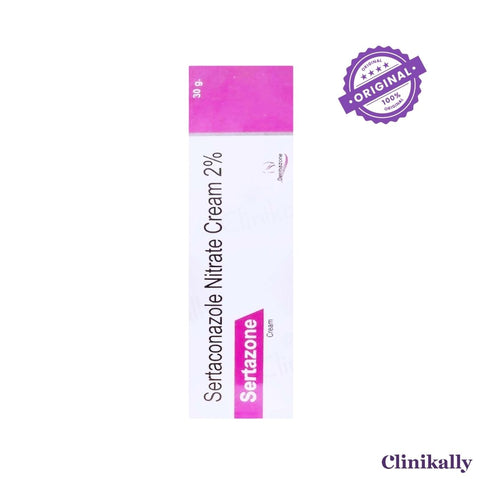
Sertazone contains sertaconazole nitrate 2%, an antifungal that both blocks ergosterol production in the fungal membrane and directly disrupts the membrane's structure, giving it a dual mode of action against the fungus.
-
Usage tips: Apply a thin layer to the clean, dry patch once or twice a day, and check with a doctor before using it on the face or sensitive areas.
-
Benefits: Treats a wide range of fungal infections, including tinea versicolor, athlete's foot, and jock itch, and its longer-lasting activity on the skin can mean fewer applications are missed.
6. Onabet Cream
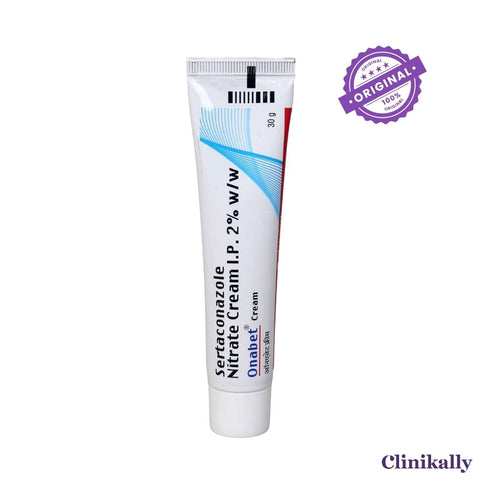
Onabet also contains sertaconazole nitrate, which inhibits a key enzyme fungi need to build their cell membrane, causing the membrane to break down and the fungal cells to die.
-
Usage tips: Apply a small amount to clean, dry skin with clean hands, usually twice a day, and leave the area uncovered rather than bandaging it.
-
Benefits: Addresses discolored patches from tinea versicolor as well as athlete's foot and ringworm, while also helping ease burning and irritation at the site.
Antifungal Composition in Tinea Versicolor Creams
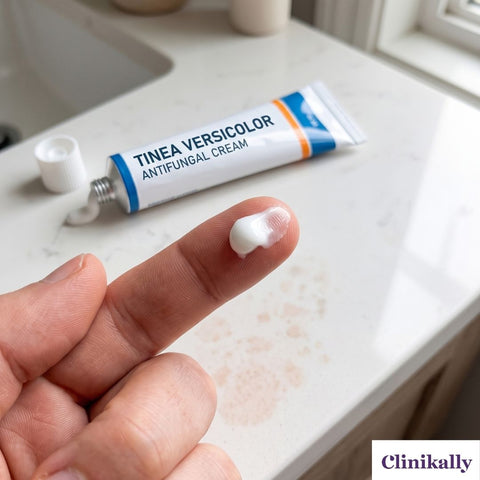
Most creams to treat tinea versicolor rely on one of a handful of proven antifungal actives, each working slightly differently to bring the Malassezia yeast under control.
-
Ketoconazole (2%): A widely used azole antifungal that blocks ergosterol production in the fungal cell membrane, weakening it until the fungus can no longer survive.
-
Clotrimazole: Another azole compound that disrupts membrane formation in the fungal cell, often paired with a mild steroid for faster relief from redness and itching.
-
Ciclopirox: Works through a different mechanism, binding essential metal ions the fungus needs for its enzymes, effectively cutting off its ability to grow.
-
Sertaconazole nitrate (2%): A dual-action antifungal that both blocks ergosterol synthesis and directly damages the fungal membrane, giving it longer-lasting activity on the skin.
How to Apply Antifungal Cream for Tinea Versicolor?
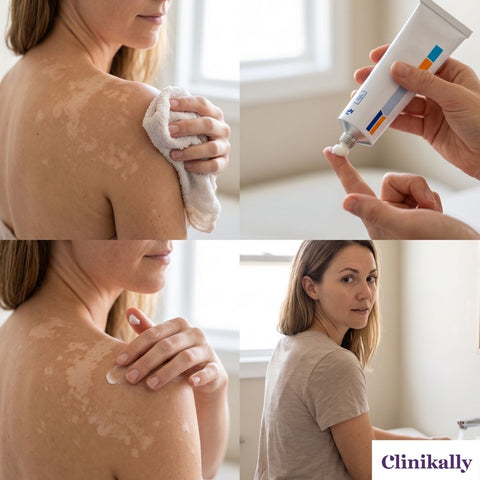
Getting results from any creams to treat tinea versicolor depends heavily on how consistently and correctly you apply them. Keep some points in mind:
-
Clean and dry the skin first: Wash the affected area with mild soap and pat it completely dry before applying cream, since moisture can reduce absorption.
-
Apply a thin, even layer: Cover the patch and about an inch of the surrounding healthy skin, as the fungus often extends slightly beyond visible discoloration.
-
Use it at the same time daily: Consistency, such as applying once or twice a day as directed, helps maintain steady antifungal activity on the skin.
-
Don't stop at the first sign of improvement: Continue for the full recommended course, usually two to four weeks, even if the color starts evening out.
-
Avoid tight clothing right after application: Let the cream absorb fully before dressing to prevent it from rubbing off.
-
Pair with an antifungal wash if recommended: Some dermatologists suggest combining the best antifungal cream for tinea versicolor with a medicated shampoo or body wash for stubborn cases.
How Long Does Tinea Versicolor Take to Clear?
Most people feel the fungus itself is controlled within 2-4 weeks on regular application of an antifungal cream for versicolor followed by improvement in itching and scaling. But the color change is frequently the final issue to clear up. It takes several weeks to a few months to completely even the skin tone and match with the surrounding area after the infection has passed. Especially in individuals with longer-standing infection and darker-skinned people. You may also notice the contrast more at the time of sun exposure but this will fade until the infection has gone away, so be patient during this period.
How to Prevent Tinea Versicolor From Coming Back?
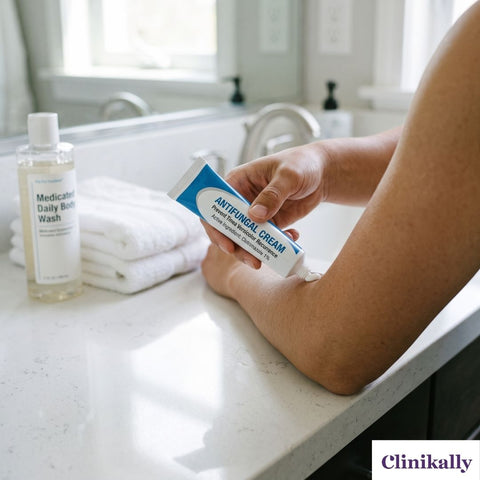
Since the yeast behind tinea versicolor never fully disappears from the skin, prevention is mostly about keeping the conditions it thrives in under control. A few consistent habits can go a long way:
-
Keep skin dry, especially after sweating: Change out of damp workout clothes or swimwear promptly, since the yeast thrives in warm, moist environments.
-
Choose breathable fabrics: Loose, natural fabrics like cotton allow better airflow than tight synthetic clothing, reducing heat and moisture buildup on the skin.
-
Use a preventive antifungal wash periodically: Applying a medicated body wash once or twice a month, especially during summer, can keep yeast levels in check.
-
Manage oily skin: Since Malassezia feeds on skin oils, using an oil-control cleanser in affected areas may help lower the chances of a flare-up.
-
Avoid excessive heat and humidity exposure when possible: If you know certain climates or seasons trigger flare-ups, plan ahead with a preventive skincare routine.
-
Reapply treatment cream at the first sign of recurrence: Catching a new patch early and starting your antifungal cream for tinea versicolor again right away can prevent it from spreading further.
Common Mistakes to Avoid When Treating Tinea Versicolor
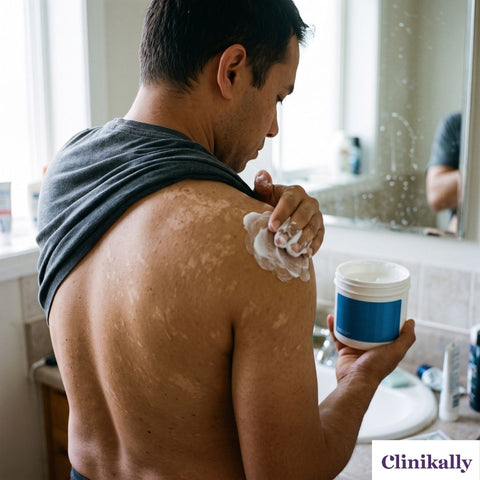
Even with the right product, small errors in routine can slow down results or trigger a relapse. Watch out for these common mistakes:
-
Stopping treatment too early: Discontinuing the cream as soon as itching stops often leaves residual fungus behind, leading to a quick return of symptoms.
-
Expecting instant color correction: Mistaking slow pigment recovery for treatment failure can lead people to switch products unnecessarily.
-
Skipping the surrounding skin: Treating only the visibly discolored patch and ignoring nearby areas can leave fungus untreated.
-
Using expired or diluted products: Old or improperly stored creams may lose potency and fail to fully clear the infection.
-
Ignoring lifestyle triggers: Continuing to wear tight, non-breathable fabrics or skipping showers after heavy sweating can undo progress.
-
Not treating it as a recurring condition: Failing to plan for seasonal flare-ups means starting from scratch each time instead of managing it proactively.
When Should You See a Dermatologist?
Although over-the-counter treatments can be effective for mild cases, see a dermatologist if patches cover a large portion of the body and continue to spread despite regular use of the cream. If they don't get better after four weeks of treatment. A specialist visit is also advised when the discoloration lasts for months after the infection seems to have gone. When you have recurrent infections frequently throughout the year or you aren't sure if the patch is really tinea versicolor or another skin condition. A dermatologist can confirm the diagnosis, prescribe stronger oral or topical antifungals if needed, and help build a long-term plan to manage flare-ups.
Final Thoughts on Managing Tinea Versicolor
Having tinea versicolor can be frustrating, but it doesn't necessarily mean you are unhygienic or self-conscious, it's just a yeast that gets out with the time change. The secret to long-term success isn't simply about choosing a product off the shelf, it's learning about your own skin, its triggers, and it could be a humid climate. An active lifestyle or naturally oily skin and working with a dermatologist to develop a skin care routine that works for you. A few simple steps and patience can achieve a clear, even-toned skin and most people realize over time that with just a little know-how to manage it tinea versicolor becomes far less of a hassle.