5 Best Creams for Fungal Infections: Dermatologists Recommended
Doctor's Desk
Author
14 Aug, 2026
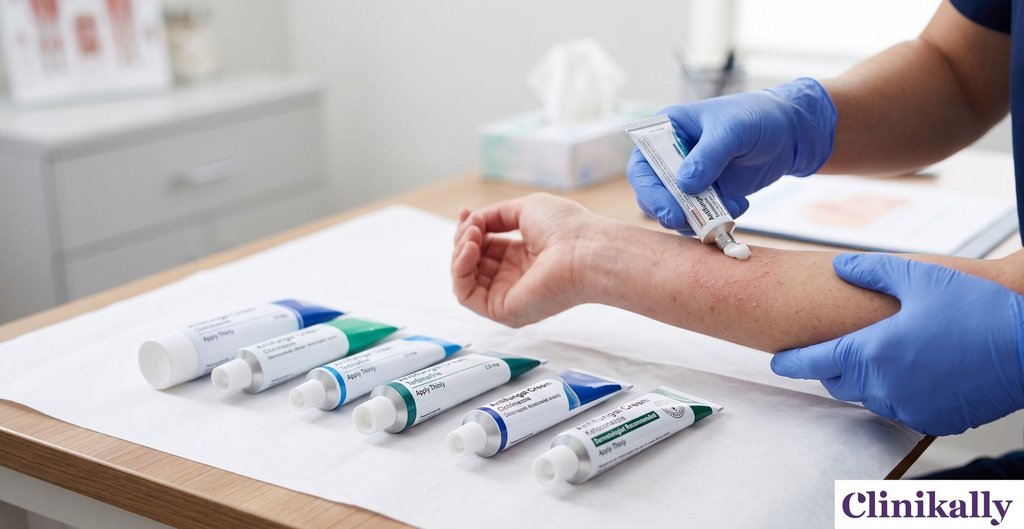
Fungal infections are one of the most common and persistent skin issues people face today. Caused by an overgrowth of microscopic organisms like yeasts and dermatophytes that thrive in warm, damp environments, these infections show up in everyday forms like athlete’s foot, ringworm, jock itch, and cutaneous candidiasis. Left unchecked, a minor patch of irritated skin can quickly spiral into relentless itching, burning, redness, and peeling.
While the discomfort is real, relief is usually just a tube away. The key is knowing which active ingredient matches your specific symptom, whether that's targeting stubborn ringworm or soothing a sweaty skin fold. In this guide, we break down the top dermatologist-recommended antifungal creams, how they work, and exactly how to choose the right one to clear your skin for good.
Ingredients That Actually Fight Fungal Infections

Not all antifungal creams work the same way. Different active ingredients target fungi in unique ways, and picking the right one depends mostly on the specific issue you are dealing with. When you scan the back of the box, here are the main ingredients to look out for and why they matter:
1. Allylamines (Terbinafine, Naftifine)
Allylamines are usually the first choice for common surface infections like athlete's foot, ringworm, and jock itch.
-
How they work: They block a key enzyme that fungi rely on to build their protective outer walls, which ultimately breaks down the fungal cells.
-
Why look for them: They actually kill the fungus rather than just slowing it down. Because of this, they tend to offer quicker relief and shorter treatment times, often clearing up mild infections in about one to two weeks.
2. Azoles (Clotrimazole, Miconazole, Ketoconazole)
Azoles are friendly, versatile active ingredients found in many over-the-counter creams.
-
How they work: They disrupt how the fungus produces ergosterol, a vital building block of its cell membrane. Without it, the membrane weakens and leaks.
-
Why look for them: They work against a wide variety of issues, including both typical skin fungi and yeast infections like Candida (which often causes rashes in warm skin folds). Since they focus on stopping the fungus from growing and spreading, sticking to your daily routine is the secret to getting good results.
3. Polyenes (Nystatin)
Nystatin is a more specialized ingredient that you will usually see suggested for specific yeast issues.
-
How they work: It attaches directly to the fungal wall, opening up tiny pores that cause the cell to lose what it needs to survive.
-
Why look for them: It is specifically tailored to tackle Candida yeast. It works well for chafed, moist skin folds, though it will not help with typical ringworm or athlete's foot.
4. Extra Support Ingredients (Tolnaftate, Zinc Oxide, Hydrocortisone)
-
Tolnaftate: A reliable option that works well for treating an athlete's foot and keeping it from coming back.
-
Zinc Oxide and Moisture Barriers: These help soothe raw or tender skin while the active medication goes to work underneath.
-
Mild Hydrocortisone (1%): Sometimes added to calm intense itching and redness in the first few days.
Note: Using a plain steroid cream on its own without an antifungal can actually make a fungal rash worse, so it is always best to stick to a combination formula or double-check with a professional first.
Top 5 Anti-Fungal Creams Suggested by Skin Doctors
Finding an effective solution for fungal, requires medical intervention and a proper understanding of the conditions. Here are some of the best creams for fungal infections that dermatologists often recommend for better relief.
|
Product Name |
Key Ingredients |
Benefits |
|
Luliconazole (1% w/w) |
Fast-acting, targeted treatment for dermatophyte infections (ringworm, athlete's foot, jock itch); penetrates skin efficiently to relieve itching, redness, and inflammation. |
|
|
Sertaconazole Nitrate (2% w/w) |
Broad-spectrum treatment for athlete's foot, ringworm, jock itch, and candidiasis; disrupts fungal cell membranes to provide quick relief, support healing, and help prevent recurrence. |
|
|
Amorolfine (0.25% w/w) |
Clinically proven and dermatologist-recommended for deep-penetrating, sustained protection against stubborn infections like ringworm and athlete's foot; gentle on skin for daily use. |
|
|
Eberconazole (1% w/w) |
Prescription-strength formula targeting ringworm, athlete's foot, and jock itch; penetrates deeply for quick relief from redness, itching, and inflammation without causing irritation. |
|
|
Ciclopirox Olamine (1% w/w) |
Prescription-strength treatment targeting a wide range of pathogens (ringworm, athlete's foot, fungal dermatitis); deep-penetrating, soothing base that relieves irritation and promotes healthy skin. |
1. Lulican Cream
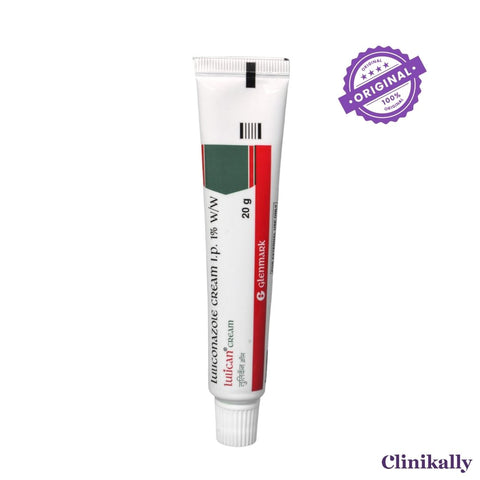
Lulican (Luliconazole 1%) works rapidly against common skin fungi like ringworm, athlete’s foot, and jock itch. Its primary advantage is skin retention: it binds tightly to the outer layer of the skin, meaning it often requires a shorter overall duration of treatment (sometimes just 1 to 2 weeks of once-daily application) while keeping symptoms like itching and redness managed effectively.
Who should avoid it: Anyone with a known allergy to luliconazole or imidazole-class antifungals should pass. Children under 12 years old (or under 2 for ringworm of the body) should generally avoid it unless a doctor explicitly prescribes it, as safety and efficacy data for pediatric use are limited. Pregnant or nursing women should consult a doctor first.
2. Sertazone Cream
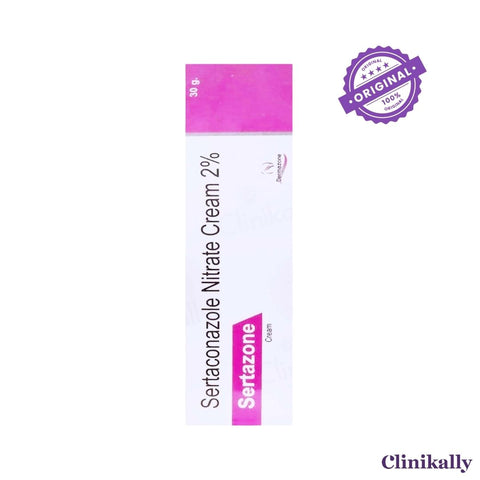
Sertazone (Sertaconazole Nitrate 2%) is a versatile, broad-spectrum solution. Beyond fighting ringworm and athlete's foot, it also tackles Candida yeast infections (candidiasis). It stands out because it offers dual benefit: direct antifungal action alongside mild anti-inflammatory properties, providing fast relief for angry, inflamed, or itching skin while lowering the risk of infection recurrence.
Who should avoid it: Avoid if you have a hypersensitivity or allergic reaction to sertaconazole or other azole antifungals. It is not generally recommended for children under 12 years of age. Pregnant and breastfeeding individuals should avoid using it without clear medical guidance.
3. Livafin CP Cream
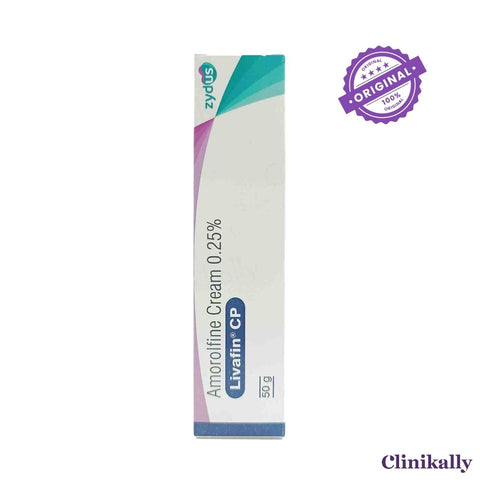
Livafin (Amorolfine 0.25%) is well-regarded for its deep skin penetration and prolonged protective action. It alters the structure of the fungal membrane through a unique mechanism, making it a reliable pick for stubborn or lingering fungal skin infections that do not respond to basic treatments, all while remaining gentle on daily application.
Who should avoid it: Individuals with known allergies to amorolfine or any of the inactive ingredients in the base. It is generally not recommended for children under 18 or for pregnant and lactating women due to a lack of safety clinical data for those groups.
4. Ebernet Plus Cream
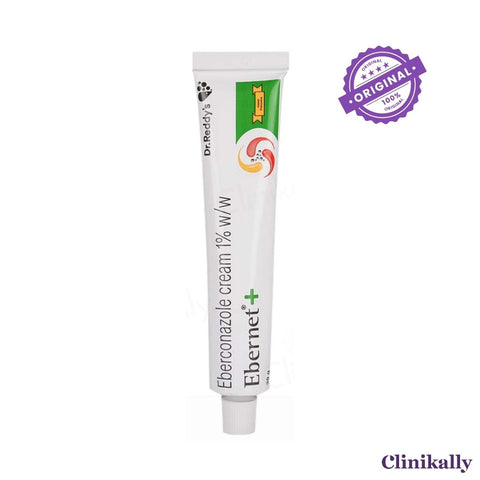
Ebernet Plus (Eberconazole 1%) is an advanced imidazole derivative that works remarkably well on inflamed or irritated skin. It is highly effective at clearing dermatophytes without causing secondary localized skin irritation, making it an excellent choice for individuals with sensitive skin who experience burning or stinging from other strong topical antifungals.
Who should avoid it: Anyone who has had an allergic reaction to eberconazole or similar imidazole antifungals. Children (as safety is not established for pediatric patients) and pregnant/breastfeeding women should avoid using it without direct medical authorization.
5. Candidox Cream
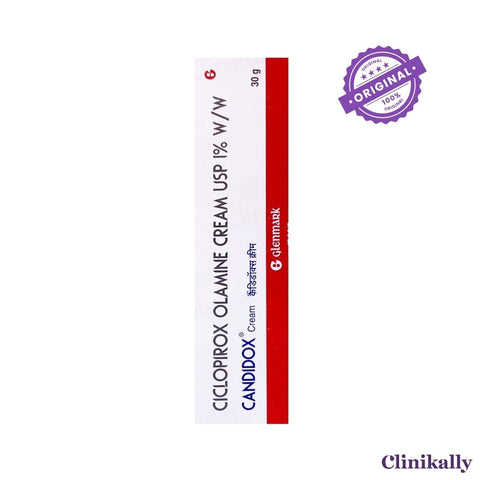
Candidox (Ciclopirox Olamine 1%) operates differently from traditional azoles, making it effective against a broad range of fungal pathogens, including fungus species that may have developed resistance to standard treatments. In addition to killing fungi, ciclopirox olamine possesses mild antibacterial and anti-inflammatory properties, making it valuable when an infection is irritated or at risk of secondary bacterial growth.
Who should avoid it: Individuals with a history of hypersensitivity to ciclopirox olamine. Avoid applying it to open, deep wounds or sensitive mucous membranes, and consult a physician before using it on infants, young children, or during pregnancy.
Home Care and Lifestyle Tips to Prevent Fungal Recurrence
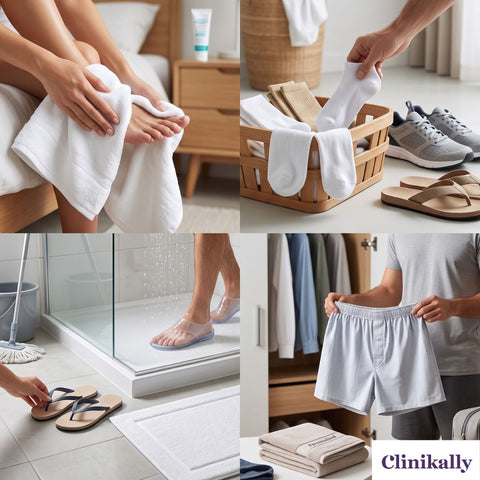
Clearing up a fungal infection with cream is only half the battle. Fungi love warm, damp environments, and if you don't change the conditions that allowed them to grow in the first place, the infection can easily return. Here are simple, medically proven ways to keep your skin clear for good:
-
Keep affected areas clean and completely dry: Fungi thrive in moisture. After showering or bathing, gently pat your skin dry with a clean towel instead of rubbing. Pay extra attention to skin folds, between your toes, and under the breasts.
-
Never reuse wet or damp towels: Use a fresh, clean towel every time you dry off, and avoid sharing towels, clothes, or bedsheets with anyone else. Wash your towels in warm or hot water to help clear away any lingering fungal spores.
-
Wear breathable, moisture-wicking fabrics: Choose loose-fitting clothing made of natural fibers like cotton, or moisture-wicking synthetic fabrics that draw sweat away from your skin. Change out of sweaty gym clothes or wet swimwear as soon as you are done working out or swimming.
-
Practice smart footwear habits: Rotate your shoes so each pair has at least 24 hours to air out and dry completely before you wear them again. Wear clean, breathable cotton or wool socks, and change them during the day if your feet get sweaty.
-
Protect your feet in public spaces: Always wear shower shoes, flip-flops, or sandals in high-risk areas like public gym showers, locker rooms, pool decks, and hotel bathrooms to avoid picking up fungal spores from the floor.
-
Complete your full course of treatment: Even if the itching stops and your skin looks completely clear, keep using your antifungal cream for as long as your doctor or the product package instructs. Stopping treatment early can leave behind a few surviving fungal spores, leading to a quick recurrence.
-
Keep your pets checked: If you have dogs or cats showing signs of hair loss, scaly patches, or itching, have a veterinarian check them for ringworm, as pets can easily pass fungal infections back to humans.
How to Apply Antifungal Creams for Maximum Results
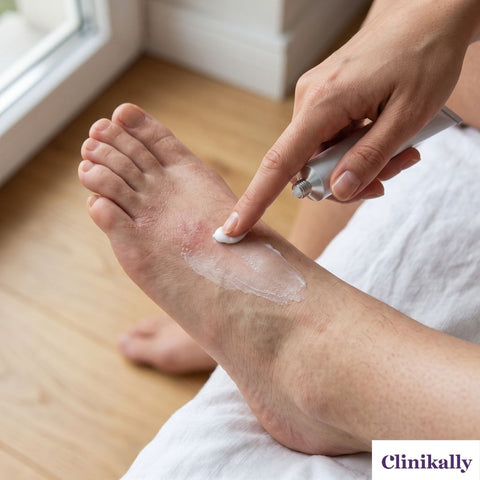
Applying an antifungal cream correctly is just as important as choosing the right active ingredient. To make sure the medication works efficiently and clears the infection completely, follow these simple, physician-recommended steps:
-
Clean and dry the area first: Gently wash the affected skin with mild soap and warm water to remove surface oils and dead skin cells. Pat the area completely dry with a clean towel instead of rubbing. Fungi thrive in moisture, so ensuring the skin, especially between toes or in skin folds, is entirely dry allows the cream to absorb properly.
-
Apply beyond the visible border: Spread a thin, even layer of cream over the lesion and extend it roughly 1 to 2 centimeters (about half an inch to an inch) onto the healthy-looking skin around the edge of the rash. Microscopic fungal elements often spread into surrounding tissue before a visible rash forms, so treating this outer border prevents the infection from expanding.
-
Complete the full treatment course: Stick to the duration printed on the product label or advised by your doctor. Even if the redness, scaling, and itching clear up within a few days, microscopic spores can survive under the skin surface. Continuing the application, often for 1 to 2 weeks after visible symptoms disappear, helps ensure the fungus is eradicated and significantly reduces the risk of a relapse.
-
Wash your hands immediately after: Unless you are treating a fungal infection on your hands, wash them thoroughly with soap and water after applying the cream. This simple step prevents you from accidentally transferring fungal spores to other parts of your body or spreading them to others.
Final Thought: Treating Fungal Infections Effectively
When managed correctly, most superficial fungal infections are easily treatable with the right cream and a consistent routine. However, misidentifying a rash or applying the wrong product can turn a minor issue into a severe, widespread skin problem. To keep your skin healthy and clear, focus on proper application techniques, give your treatment time to work, and always consult a dermatologist before introducing unverified home remedies, as improper treatments can irritate damaged skin and make the infection worse.