9 Best Soaps for Itching and Rashes Dermatologist-Recommended
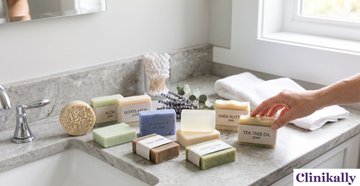
If you've ever scratched your arms or legs throughout the day you're not alone. Rashes, fungal infections, and persistent itching can make your full day uncomfortable and irritated. You should avoid some rough fabrics because they can cause rashes or irritation. The itching may even keep you awake at night. These skin concerns affect sleep cycle, confidence, and daily comfort. Using the wrong soap for itching and rash can worsen irritation without you even realizing it.
Many people are unaware that the antifungal soap in the shower may be worsening their skin issues, causing flares or interacting with an existing skin disease such as eczema or an allergy. We'll go through this article why skin becomes itchy or prone to rashes, how to select the right skin soap for itchiness. What ingredients really help to soothe skin irritation, and how to use soap correctly to see a real difference instead of a quick fix. If you're searching for the best soap for itchy skin, the best medicated soap for rashes, or just a kinder, less irritating body soap for itchy skin that will not irritate sensitive areas this guide will help you make an informed choice.
Why Does Your Skin Feel Itchy or Develop Rashes?
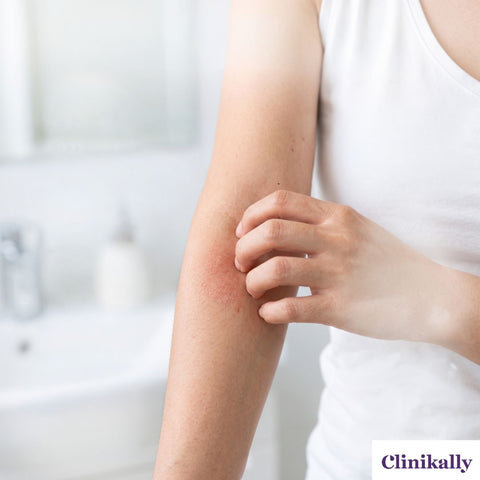
Itchy skin and rashes can occur due to allergies, dryness, eczema, fungal infections, harsh skincare products, or environmental factors. Understanding the reasons that cause helps you choose the most suitable soap for dry itchy skin:
-
Dry skin (xerosis): Take hot showers, low humidity and use harsh and strong fragrance soaps strips natural oil and leave the skin dry and itchy.
-
Dermatitis and Eczema: Chronic inflammatory conditions that cause red, itchy, sometimes weeping patches often worsened by fragranced or sulfate-based soaps.
-
Allergic reactions: Get in touch with rough fabric, detergents or some artificial soap ingredients can cause redness, rashes and itchiness.
-
Heat and sweat: Excess sweating especially in humid climates, can cause prickly heat and body itching, particularly in skin folds.
-
Fungal or bacterial imbalances: An overgrowth of skin flora can cause itching along with visible rashes or bumps.
-
Harsh cleansing habits: Over-scrubbing on body and soaps with a high pH or strong detergents (like SLS) disrupt the skin's natural oil.
How to Choose the Best Soap for Itching and Rashes?
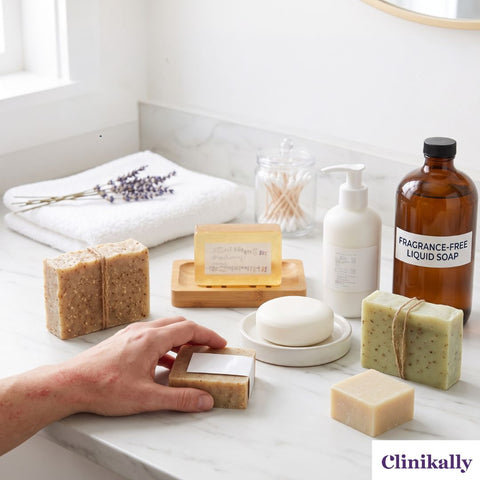
Not every "gentle" or "moisturizing" soap on the shelf is actually suited for itchy or rash-prone skin. Here's what to actually check before buying:
-
Check the pH: Healthy skin sits around pH 4.5–5.5. Regular bar soaps are often highly alkaline pH level approx H 9-10 which disrupts the natural skin barrier. Always look for pH-balanced or syndet (synthetic detergent) bars.
-
Avoid known irritants: Skip soaps loaded with artificial fragrance, dyes, sulfates, and alcohol these are common triggers for itching and rashes.
-
Look for barrier-supporting ingredients: Ceramides, colloidal oatmeal, glycerin, and shea butter help repair and maintain the skin barrier instead of just cleaning it away.
-
Match it to your specific concern: A soap for eczema-prone skin isn't the same as one for oily, acne-prone skin with occasional rashes. Texture and active ingredients should differ.
-
Consider medicated options when needed: If your itching is linked to a diagnosed condition (fungal infection, dandruff-related body itching, severe eczema), a dermatologist-recommended medicated soap for itchy skin with ingredients like zinc pyrithione may be more appropriate than a purely cosmetic one.
-
Patch test first: Even "hypoallergenic" labeled products can react differently on different skin types, so a small patch test on the inner arm for 24–48 hours is a smart first step.
-
Prefer soap-free or low-lather formulas: Excessive lather usually means more surfactants, which can mean more stripping of natural oils.
9 Best Soaps for Dry and Itchy Skin
Here are the top soaps based on ingredients, skin type, and key benefits to quickly find the best option for your skin concern.
|
Product Name |
Main Ingredients |
Primary Benefits |
|
Ketoconazole (2% w/w) |
Fights against skin infections caused by fungi and reduces itching and flaking. |
|
|
Ketoconazole (2%), Cetrimide (0.5%) |
Destroys fungal infection and reduces the number of microbes on skin. |
|
|
Shea Butter, Olive Extract, Almond Oil |
Helps in deep hydration, nourishment, and healing of scaly winter skin. |
|
|
Aloe Vera, Shea Blend, Olive Oil, Jojoba Oil |
Gently cleanses without disturbing the natural skin moisture. |
|
|
Ketoconazole (2% w/w) |
Dermatologist-recommended bar that eliminates infection-causing fungi. |
|
|
Ketoconazole (2%), Kokum Butter, Glycerin |
Anti-fungal skin infection treatment with deep moisturization. |
|
|
Ketoconazole (2%), Glycerine, Olive Oil |
Destroys fungi causing infection and itching and redness. |
|
|
Luliconazole (1% w/w) |
Disrupts fungal cell membranes to effectively eliminate topical infections. |
|
|
Ketoconazole (2% w/w) |
Eliminates the infection-causing fungus and prevents its spread. |
1. Mesoketz Medicated Soap
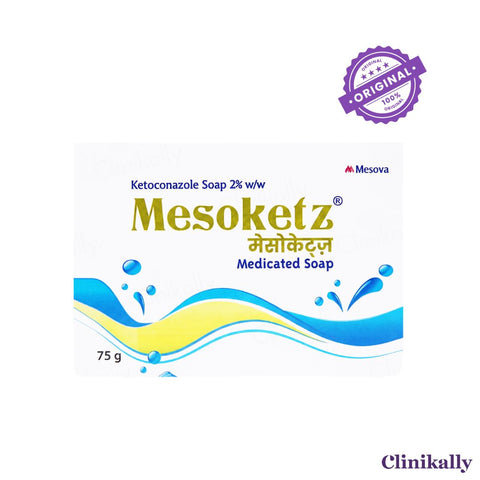
Mesoketz Medicated Soap is formulated with Ketoconazole to target fungal skin infections at the source. It's a go-to option when itching and rashes are linked to an active fungal condition rather than simple dryness.
-
Why buy: Targets fungal infections like ringworm, athlete's foot, and candida-related skin infections at the source, helping calm the itching, redness, and flaking they cause.
-
Best for: Itching and rashes linked to a diagnosed fungal skin or scalp infection, used under medical guidance.
2. Triketo-AF Soap
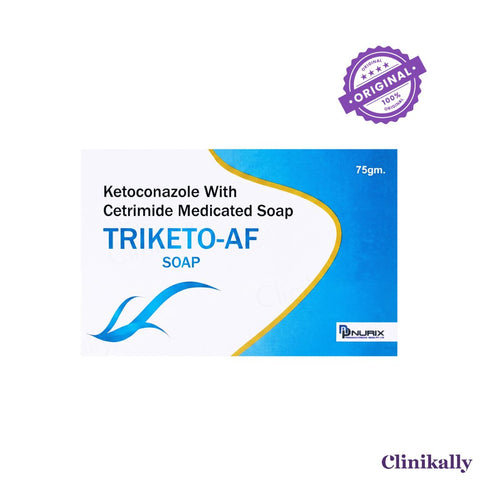
Triketo-AF Soap is a bodywash that combines antifungal and antibacterial action with ingredients aimed at reducing the urge to scratch. It's suited to itching that has more than one underlying cause.
-
Why buy: Combines antifungal, antibacterial, and anti-pruritic (anti-itch) action in one wash, addressing both the infection and the itch sensation.
-
Best for: Body itching with a suspected fungal or bacterial component, especially in sweat-prone areas.
3. DewSka Moisturising Soap
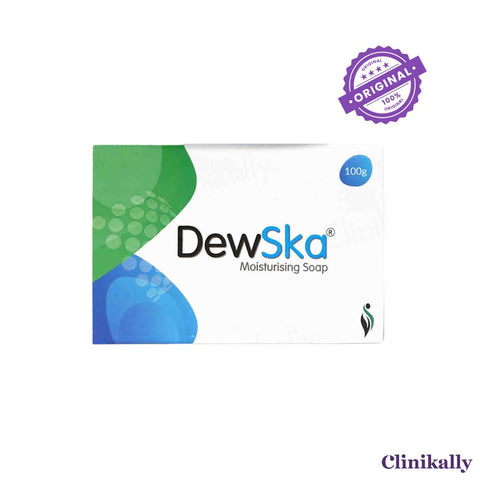
DewSka Moisturising Soap is a cosmetic, non-medicated bar built around hydrating, skin-loving ingredients. It's designed for everyday use rather than treating an active infection.
-
Why buy: A cosmetic (non-medicated) moisturizing bar that hydrates while cleansing, without stripping the skin.
-
Best for: Dry, rough, or flaky skin causing itching, and everyday use for sensitive or normal skin.
4. Dewmoist Soap
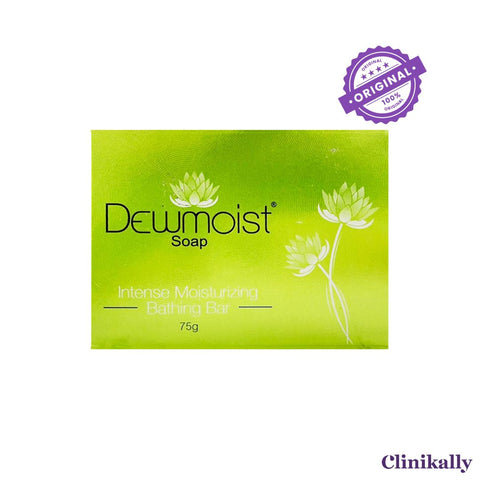
Dewmoist Soap is a gentle cleansing bar aimed at restoring the skin's natural moisture balance. It leans on emollient-rich ingredients rather than active medication.
-
Why buy: Gentle, soap-free formula that hydrates while cleansing, helping restore the skin's moisture balance without irritation.
-
Best for: Dry, sensitive, or irritated skin that needs daily gentle care rather than active medication.
5. Kz Plus Medicated Soap
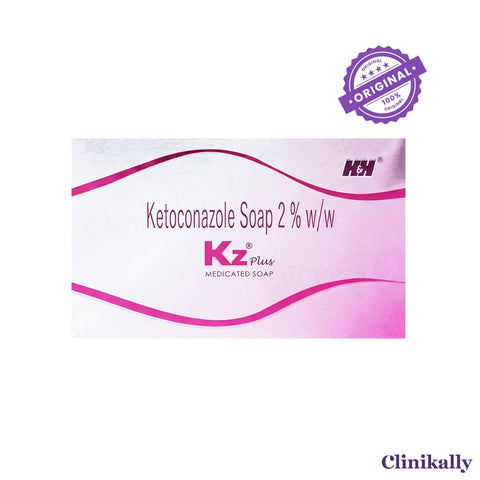
Kz Plus Medicated Soap is an antifungal bar aimed at clearing common fungal skin infections while easing the itching and irritation they cause. It's typically used as part of a prescribed treatment course.
-
Why buy: Clears fungal infections such as ringworm, jock itch, and athlete's foot while directly relieving the itching, redness, and scaling they cause.
-
Best for: Diagnosed fungal skin infections and fungal-related dandruff, used as prescribed by a doctor.
6. Konaz 2% Soap
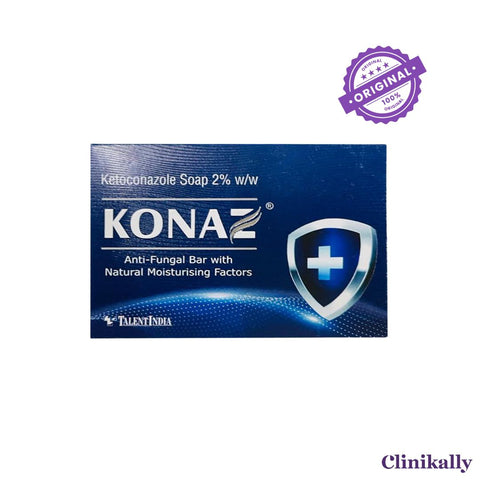
Konaz 2% Soap pairs an antifungal active with moisturizing ingredients, so it treats the infection without leaving skin feeling stripped. It's a balanced option for infection-prone, itchy skin.
-
Why buy: Also contains glycerin and kokum butter, so it treats the fungal infection while helping keep skin from feeling stripped or dry.
-
Best for: Itchy, irritated, or infection-prone skin needing antifungal treatment alongside some moisturization.
7. KetoSka Antifungal Soap
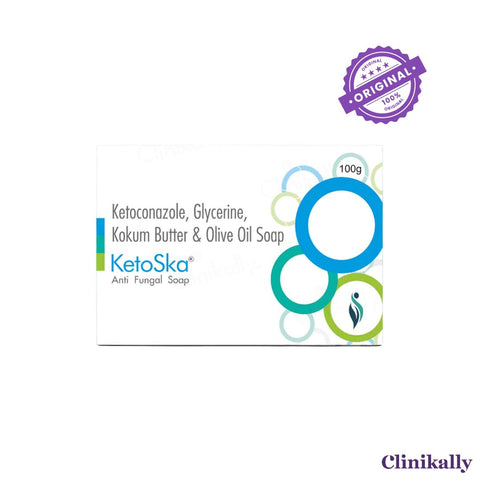
KetoSka Antifungal Soap targets fungal causes of common scalp and skin issues while including emollients to support the skin barrier. It's formulated for regular use on affected areas.
-
Why buy: Targets fungal causes of dandruff, seborrheic dermatitis, and skin infections while nourishing the skin barrier with emollients.
-
Best for: Fungal-related itching, flaking, and redness on body or scalp-adjacent skin.
8. Swisscosmed Lulichem Medicated Antifungal Soap
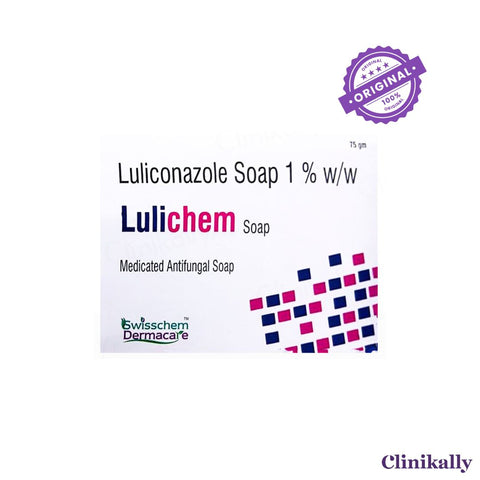
Swisscosmed Lulichem Medicated Antifungal Soap uses a different antifungal active than most ketoconazole-based bars, making it an alternative when that's specifically prescribed. It's aimed at clearing infection rather than general dryness.
-
Why buy: An alternative antifungal active for those who need or are prescribed luliconazole over ketoconazole for infections like athlete's foot, jock itch, or ringworm.
-
Best for: Doctor-diagnosed fungal skin infections, particularly when advised as a luliconazole-based treatment.
9. Leirfaith Scalefree Soap
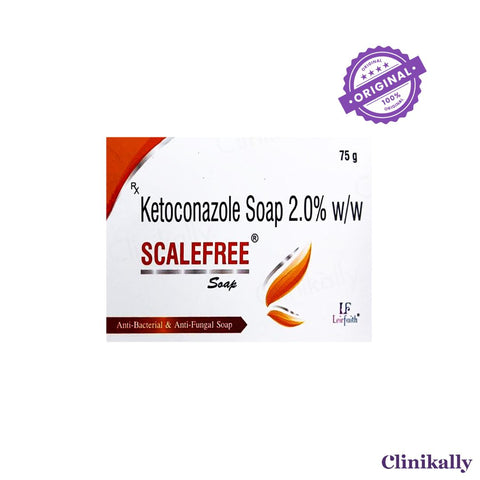
Leirfaith Scalefree Soap is an antifungal bar designed to clear infection while reducing the irritation that comes with it. It's meant for consistent, prescribed use rather than occasional cleansing.
-
Why buy: Treats fungal infections like ringworm, athlete's foot, and thrush while reducing the irritation, redness, and itching that come with them.
-
Best for: Fungal skin infections needing consistent, prescribed antifungal cleansing.
Best Soap for Itching and Rashes Based on Skin Type
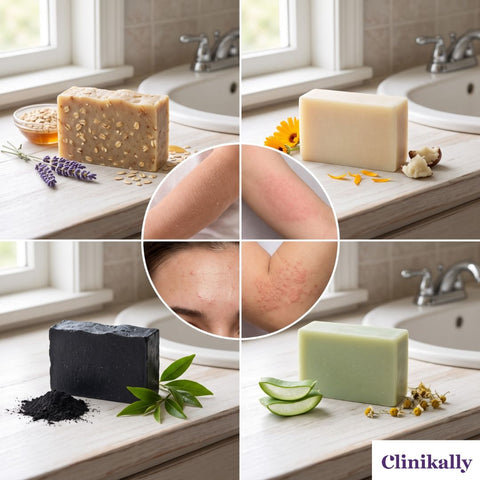
Different skin types require different formulations. Here's how to choose the right cleansing soap based on your skin's needs.
For Dry, Itchy Skin
-
Priority is intense hydration paired with gentle cleansing.
-
The best soap for dry and itchy skin is typically a creamy, low-lather bar or syndet using glycerin, shea butter, or colloidal oatmeal as core ingredients rather than harsh detergents.
-
These formulas cleanse without pulling moisture out of the skin — essential since dry skin already has a compromised barrier that struggles to retain hydration.
-
Look for a soap for dry itchy skin labeled fragrance-free and pH-balanced.
-
Avoid anything that leaves skin feeling tight or "squeaky-clean" right after rinsing — that squeaky feeling usually means natural oils have been stripped away.
For Sensitive Skin
-
Sensitive skin reacts quickly to fragrances, dyes, preservatives, and strong surfactants, so the goal is minimal ingredients and maximum gentleness.
-
A good soap for sensitive itchy skin should be free of artificial fragrance and colorants, formulated at a skin-friendly pH, and ideally dermatologically tested.
-
Aloe vera and glycerin-based cleansers work particularly well they soothe on contact while cleansing gently.
-
Redness, stinging, or a rash shortly after using a new soap usually signals the formula is too harsh.
-
Switching to a fragrance-free, minimal-ingredient bar is often the simplest fix.
For Eczema-Prone Skin
-
Eczema-prone skin needs a cleanser that actively supports the skin barrier, not just one that avoids irritants.
-
Ceramide-enriched, soap-free cleansing bars are usually the top recommendation, since ceramides are naturally occurring lipids that eczema-prone skin often lacks.
-
These formulas cleanse without disturbing the skin's already fragile barrier, helping reduce the frequency and intensity of flare-ups over time.
-
Pair this kind of soap with a fragrance-free moisturizer immediately after bathing (while skin is still damp) for the best long-term itch relief.
For Allergy-Prone Skin
-
Skin that reacts to new products, fabrics, or environmental triggers with hives, redness, or itching benefits most from hypoallergenic, fragrance-free formulations with the shortest possible ingredient list.
-
The best soap for skin allergies avoids common allergens like parabens, sulfates, synthetic dyes, and strong essential oils.
-
Soothing ingredients like aloe vera or oat extract help calm reactive skin.
-
The real key is consistency stick to one well-tolerated, simple formula rather than frequently switching products, since frequent changes make it harder to identify and avoid your specific triggers.
For Oily Skin with Rashes
-
Oily skin can still develop itching and rashes, often due to clogged pores, sweat buildup, or reactions to heavy, occlusive products.
-
The goal is balance: a cleanser that controls excess oil and sweat without over-drying the skin, which can ironically trigger more irritation.
-
Lightweight, sulfate-free gel washes with mild surfactants and calming ingredients like niacinamide work well, since they clean thoroughly without leaving a heavy residue.
-
Avoid strong antibacterial bars that promise deep oil control these often over-strip the skin and can worsen itching over time.
Ingredients That Help Relieve Itching and Skin Irritation
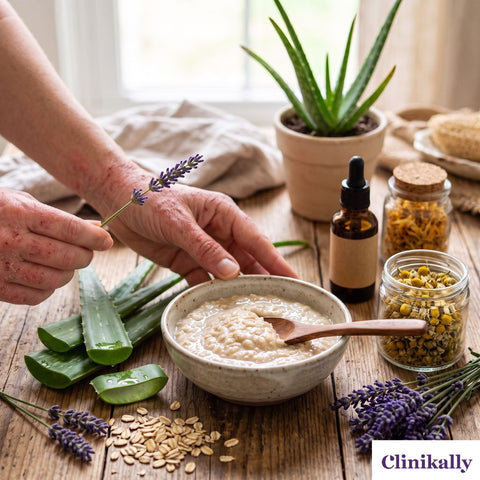
Certain ingredients calm inflammation, restore the skin barrier, and lock in moisture to reduce itching and discomfort.
Colloidal Oatmeal
Colloidal oatmeal is one of the most well-known skin care ingredients for irritated and itchy skin. It creates a protective barrier on the skin and holds moisture. It contains natural anti-inflammatory properties and compounds known as avenanthramides that are particularly beneficial for skin that is itchy and red and also good for eczema and overall sensitive skin
Glycerin
Glycerin is a humectant which pulls moisture into the skin and helps retain it. It is used in almost all dermatologist recommended soaps to counteract the drying effect of the surfactants.
Ceramides
The ceramides are naturally occurring lipids within the skin barrier that act as the "mortar" that holds the skin cells together. In eczema and chronically dry skin ceramide levels are often depleted, and moisture is easily lost from the skin barrier. Soaps that contain ceramide can replenish this barrier and help to reduce both dryness and itching.
Shea Butter
Rich in fatty acids and vitamins, shea butter deeply moisturizes and forms a soothing layer over irritated skin. Most helpful for very dry, flaky or rough areas that itch more strongly in cool, low humidity weather.
Aloe Vera
Known for its natural cooling and anti-inflammatory effects. It can help alleviate mild irritation caused by sunburn, as well as itching and redness. It has light consistency and non-greasy formula that makes it great for sensitive skin or prone to allergies.
Zinc Pyrithione
The zinc pyrithione ingredient works against fungal infections and rashes. It is often added to medicated soaps for fungal related itching or dandruff. Almost used in medicated soap for itchy or rashes caused by fungi after being recommended by dermatologist.
Ingredients to Avoid if You Have Itchy or Irritated Skin
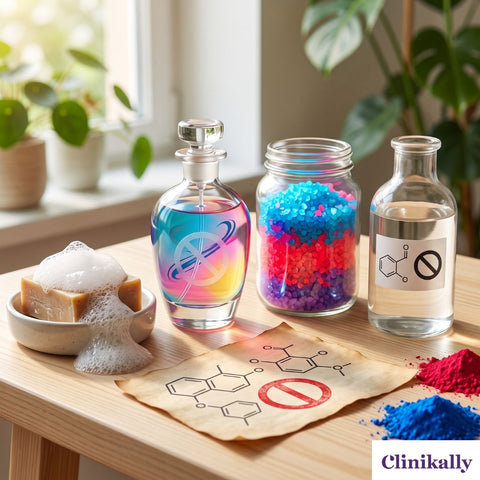
Some ingredients can worsen irritation and prolong skin discomfort. Avoid these if your skin is already inflamed or sensitive.
Artificial Fragrances
Synthetic fragrances are among the top allergens and possible irritants to contact dermatitis. Fragrance-free is almost always the better option even if the product is described as “lightly scented,” as these fragrances can trigger flares in sensitive and eczema-prone skin.
Sulfates (SLS/SLES)
Sodium Lauryl Sulfate and Sodium Laureth Sulfate are strong foaming agents which are very effective in cleaning. It also remove the natural oils and makes the skin barrier weaker. Sulfate-free formulas are highly recommended for anyone who suffers from dryness, itching or rashes.
Alcohol-Based Cleansers
Some alcohols especially denatured or isopropyl alcohol (which is used to make it feel "clean") are very drying and irritating, particularly on already damaged skin. These tend to make skin irritated and itchy even if they immediately feel refreshing.
Harsh Exfoliating Particles
Avoid scrubs and soaps containing coarse exfoliating beads or particles they can cause rashes and make people more susceptible to infection if their skin is already irritated or inflamed. If skin is itchy or rash, it should be avoided for physical exfoliation until it has fully healed.
Strong Antibacterial Agents
Avoid using soaps that are too harsh and will throw off the balance of the natural microbes present in the skin and remove protective oils. It leads to increased skin irritation and itching over the longer term, particularly when using these products every day.
How to Use Soap Correctly for Itchy and Rash-Prone Skin
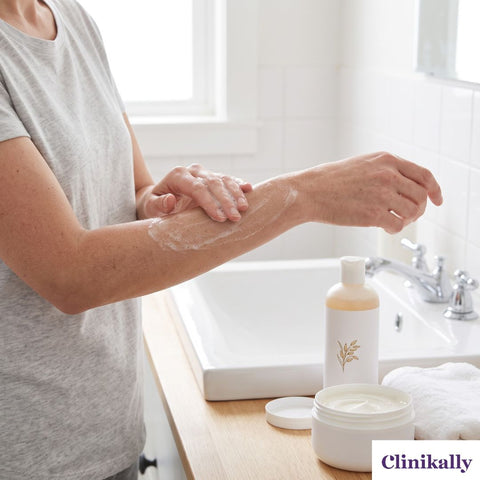
Even the best soap won't work effectively if used incorrectly. Follow these dermatologist-recommended cleansing tips for healthier skin.
-
Use lukewarm water, not hot: Hot water feels soothing in the moment but strips natural oils and worsens dryness and itching afterward.
-
Keep showers short: Long showers, especially with soap covering large areas, increase moisture loss from the skin.
-
Apply gently, don't scrub: Use your hands or a soft cloth rather than rough loofahs, especially on rashes or already irritated patches.
-
Rinse thoroughly: Leftover soap residue can itself be irritating, so make sure all product is rinsed off completely.
-
Pat dry, don't rub: Rubbing with a towel can aggravate itchy skin; gently patting dry is far less irritating.
-
Moisturize immediately after: Apply a fragrance-free moisturizer within a few minutes of bathing, while skin is still slightly damp, to lock in hydration.
-
Avoid over-washing: Washing too frequently, especially with strong soaps, can worsen dryness and itching over time once or twice daily is usually enough for most people.
-
Introduce new soaps gradually: When switching to a new soap for itching and rashes, patch test first and monitor your skin for a few days before regular use.
Final Thoughts on Soaps for Itchy Skin
Itchy skin and rashes rarely have one single cause which is why the right soap looks different for everyone. Before picking a product, it helps to identify what's actually triggering your discomfort, whether it's dryness, sensitivity, eczema, allergies, or a fungal infection, since each needs a different approach.
For everyday dryness or sensitivity, gentle, fragrance-free, pH-balanced soaps work best, while medicated antifungal soaps should be reserved for diagnosed infections and used under a doctor's guidance. Ingredients like colloidal oatmeal, glycerin, ceramides, shea butter, and aloe vera help support and repair the skin barrier. How you use the soap matters just as much as what's in it, so lukewarm water, short showers, and immediate moisturizing after bathing all go a long way. If itching or rashes persist despite the right routine, it's best to consult a dermatologist rather than continuing to self-treat.