Couperose Skin Explained: Causes, Expert Care Tips & Proven Long-Term Relief

Ever notice a flush on your cheeks after a hot shower or a glass of wine that just refuses to fade? You might have couperose skin.
Couperose is the French term for rosacea, a chronic condition affecting up to 22 percent of fair-skinned adults. It comes in four main forms: classic flushing with visible blood vessels (erythematotelangiectatic), acne-like bumps (papulopustular), skin thickening around the nose (phymatous), and eye irritation (ocular).
Living with easily flushed skin is frustrating, but the right care makes all the difference. In this blog, we’ll learn what causes couperose skin and how to calm it for good.
What Is Couperose Skin?
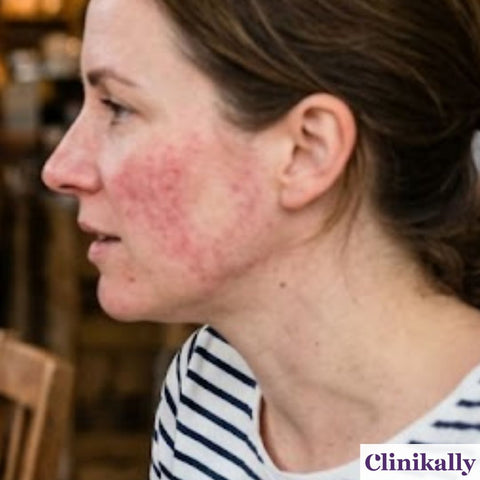
Couperose is a vascular skin condition marked by persistent facial redness and fine, visible blood vessels. It happens when delicate capillaries near the skin's surface widen and lose their elasticity, leaving behind a flushed appearance on the cheeks, nose, and chin.
Couperose skin is defined by chronic redness, fine spider-like veins (telangiectasia), and high sensitivity to temperature changes. It is most common in fair, dry, or delicate skin types.
How It Develops
It starts with sensitive capillaries that dilate too easily from sun exposure, stress, or heat. Over time, repeated expansion causes capillary fatigue, leaving vessels permanently stretched. Sun damage and aging further weaken the collagen around these vessels, while a compromised skin barrier fuels ongoing redness and irritation.
Couperose vs. Rosacea
While often used interchangeably, there is a clear distinction between the two. Couperose focuses strictly on vascular redness and visible thread veins without breakouts. Rosacea, on the other hand, is a broader chronic inflammatory disease that includes these vascular symptoms along with inflammatory pimples, pustules, skin thickening, or eye irritation. In clinical terms, couperose represents the early vascular stage of rosacea.
Who Is Most at Risk?
People with fair, thin, or genetically sensitive skin are most vulnerable. Daily factors like chronic UV exposure, alcohol, spicy foods, sudden temperature swings, and harsh skincare products accelerate vessel damage and make redness worse.
Recognizing Symptoms and Triggers
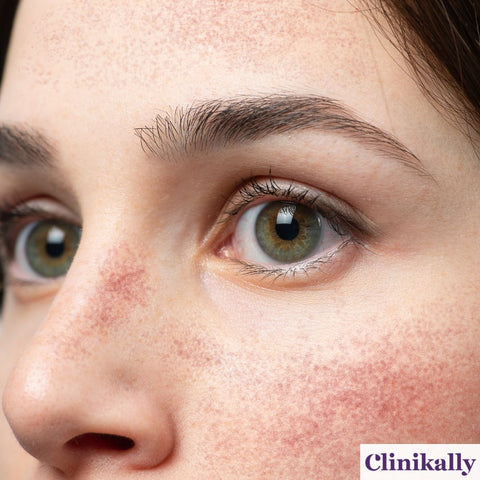
Spotting the signs of couperose early is the best way to prevent long-term redness and keep your skin comfortable. Because it is often mistaken for temporary sensitivity, understanding how it shows up and what sets it off makes all the difference in managing flare-ups.
Common Signs and Symptoms
-
Persistent Facial Redness: Chronic redness mainly affects the cheeks, nose, chin, and forehead. It often starts as a rosy glow but becomes permanent over time.
-
Visible Thread Veins: Fine, red or purple spider-like lines appear where capillaries have lost flexibility and remain permanently dilated.
-
Frequent Flushing and Warmth: Sudden, uncomfortable surges of heat and redness sweep across the face, often sparked by environmental or emotional factors.
-
Stinging and Burning: A compromised skin barrier and sensitive nerve endings make everyday skincare products cause tightness, burning, or tingling.
-
Dry and Delicate Texture: The skin often feels thin, dry, and slow to bounce back from environmental irritation.
Environmental Triggers
-
UV Radiation: Sun exposure degrades collagen, weakens blood vessel walls, and sparks micro-inflammation.
-
Temperature Extremes: Hot showers, saunas, cold winds, and sudden indoor shifts force vessels to rapidly expand and contract.
-
Harsh Weather: Strong winds and low humidity strip moisture, weakening the skin's protective barrier.
Lifestyle Factors
-
Diet and Vasodilators: Spicy foods, hot drinks, and alcohol instantly widen blood vessels, triggering prolonged flushing.
-
Stress and Hormones: Emotional stress spikes cortisol and adrenaline, driving facial blood flow. Hormonal shifts can also increase skin reactivity.
-
Smoking and Over-Exfoliation: Smoking damages microcirculation, while over-using scrubs or strong acids strips the barrier and accelerates capillary breakdown.
Effective Skincare for Couperose-Prone Skin
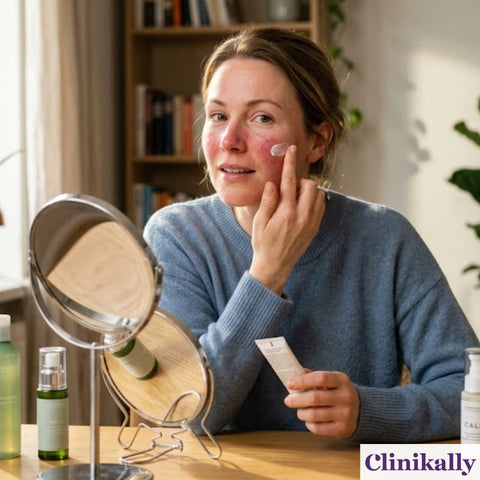
Managing couperose requires a gentle, smart approach centered on calming inflammation and rebuilding your moisture barrier. The right daily regimen protects fragile capillaries and prevents long-term redness.
Step-by-Step Daily Skincare Routine
Morning Routine
-
Gentle Cleanser: Use a fragrance-free, sulfate-free cleanser with a pH around 5.5 to clean without stripping essential lipids. Look for soothing ingredients like glycerin or panthenol.
-
Soothing Mist or Toner: Hydrate with alcohol-free mists containing thermal spring water, aloe vera, or Centella Asiatica (Cica).
-
Anti-Redness Serum: Apply targeted actives like azelaic acid, licorice root extract, or low-dose niacinamide (2% to 5%) to reduce micro-inflammation and calm flushing.
-
Barrier Moisturizer: Apply a light cream containing ceramides, squalane, or beta-glucan to strengthen skin defenses.
-
Mineral Sunscreen (SPF 30 to 50): Protect skin with physical filters like zinc oxide or titanium dioxide. Tinted formulas work well to subtly balance green and red tones.
Evening Routine
-
Mild Cleansing: Cleanse gently with a soft cloth or micellar water. Avoid rubbing or aggressive scrubbing.
-
Restorative Serum: Apply calming nighttime ingredients like bakuchiol, madecassoside, peptides, or allantoin to encourage repair while you sleep.
-
Nourishing Night Cream: Use a richer moisturizer packed with lipid-repairing ceramides. For dry areas, layer a thin occlusive balm on top to lock in moisture.
Key Barrier-Strengthening Ingredients
-
Niacinamide (Vitamin B3): Boosts natural ceramide production, reduces redness, and strengthens the lipid barrier. Stick to gentle 2% to 5% concentrations.
-
Panthenol (Pro-Vitamin B5): Deeply hydrates, relieves itching and tightness, and promotes barrier repair.
-
Ceramides: Essential lipids that fill gaps in the skin barrier, reducing water loss and locking in moisture.
-
Madecassoside: A potent Centella Asiatica derivative that calms acute irritation and supports collagen structure around blood vessels.
-
Beta-Glucan: Derived from oats or fungi, it provides intense hydration and soothes sensitive skin even more effectively than hyaluronic acid.
-
Squalane: A lightweight, non-comedogenic oil that mimics natural sebum to protect reactive skin without clogging pores.
Ingredients and Products to Avoid
-
Physical Scrubs: Abrasive facial scrubs with harsh particles damage thin skin and break down delicate capillaries.
-
Harsh Chemical Exfoliants: High-strength glycolic acid or unbuffered AHAs strip the moisture barrier and trigger severe flushing.
-
Astringents and Drying Alcohols: Denatured alcohol and harsh toner formulas strip essential oils and increase nerve sensitivity.
-
Heavy Fragrances and Essential Oils: Synthetic perfumes, menthol, and citrus oils are top causes of contact irritation in sensitive skin.
Building a Simple, Layered Routine
When treating couperose skin, less is always more. Focus on two main goals: cleansing without stripping, and layering hydration to lock in moisture.
-
Cleanse Mildly: Wash once or twice daily with non-foaming cream or gel cleansers.
-
Hydrate in Layers: Spray a hydrating mist immediately after cleansing, follow with a soothing water-based serum, and seal everything with a ceramide-rich moisturizer.
-
Patch Test Everything: Always test new products on your inner arm or jawline for 24 to 48 hours before full application. If a product stings or causes redness, rinse it off immediately.
Medical Treatments and Expert Guidance for Couperose Management

While gentle skincare and lifestyle adjustments help prevent flare-ups, topical creams cannot remove blood vessels that are permanently dilated. When home care is no longer enough, in-clinic dermatological therapies offer long-term reduction of facial redness and visible thread veins.
When to Seek Professional Advice
Consider booking a consultation with a dermatologist if you:
-
Experience persistent facial redness that never fully fades back to your baseline tone.
-
Notice progressively visible thread veins or frequent, uncomfortable flushing.
-
Suffer from burning, stinging, or swelling that fails to respond to soothing skincare.
-
Want to target the underlying blood vessels directly for long-term improvement rather than just temporary symptom management.
In-Clinic Light and Laser Therapies
Clinical treatments work by sending targeted light energy directly into the blood vessels. The heat coagulates the capillary walls, allowing the body to naturally absorb the treated vessels over time.
-
Pulsed Dye Laser (PDL): Considered the standard for vascular treatment. It uses a precise wavelength to target superficial blood vessels and significantly clear redness without damaging surrounding tissue.
-
Intense Pulsed Light (IPL): Emits broad-spectrum light to treat diffuse redness and fine vessel networks across larger areas of the face.
-
Potassium Titanyl Phosphate (KTP) & Nd:YAG Lasers: KTP lasers effectively target superficial red capillaries, while Nd:YAG lasers penetrate deeper to treat larger or bluish vessels.
Prescription Topicals for Redness
For managing general facial flushing alongside in-clinic procedures, a dermatologist may prescribe specialized topical medications:
-
Alpha-Adrenergic Agonists: Prescription gels containing brimonidine or oxymetazoline temporarily constrict facial blood vessels to provide rapid, temporary relief from flushing.
-
Topical Anti-Inflammatories: Prescription azelaic acid or ivermectin creams help soothe micro-inflammation and reduce underlying skin reactivity.
Final Thoughts: Managing Couperose Skin Effectively
Navigating couperose skin can be a balancing act, but combining a gentle, barrier-focused skincare routine with smart lifestyle choices gives your skin the best chance to stay calm and comfortable.
While everyday care goes a long way, every skin journey is unique. It is always best to consult a certified dermatologist for any skin condition. A skin professional can accurately diagnose your needs and tailor an adequate, targeted treatment plan to give your complexion safe and lasting relief.