Intense pulsed light Therapy Explained: How It Works for Skin Rejuvenation
Intense pulsed light (IPL) treatment is a type of light therapy that is used to remove wrinkles, spots, and unwanted hair. Minor side effects may include slight skin discoloration, bruising, or swelling. In this article, we will look into intense pulsed light treatment and how it works for skin rejuvenation.
Understanding IPL Treatment: The Science Behind the Procedure
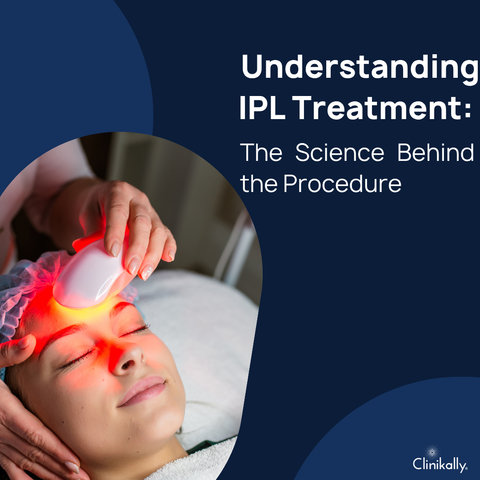
IPL systems operate on the same principles as lasers, absorbing light energy into specific target cells with color (chromophores) in the skin. The light energy is transformed into heat energy, causing harm to the designated target area. IPL systems differ from lasers in that they deliver many wavelengths (or colors) in each pulse of light rather than just one. Most IPL systems use filters to tailor the energy output for specific treatment locations. This improves penetration without utilizing unnecessary energy and allows for the targeting of certain chromophores (light-absorbing skin components).
IPL therapy is classified as a non-ablative resurfacing procedure, which means it targets the dermis rather than the epidermis. The outcomes are not as dramatic as ablative resurfacing, which damages both the dermis and the epidermis, resulting in a considerably more evident overall outcome. The advantage of IPL therapy is that it requires little downtime; a patient can typically have the procedure performed during their lunch hour and return to work right away.
What is Intense Pulsed Light (IPL) Therapy?
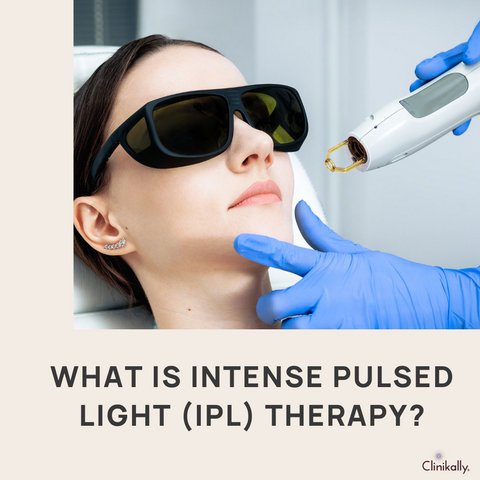
Intense pulsed light (IPL) or flashlamp therapy is a non-invasive and non-ablative treatment that employs high-intensity pulses of visible light to enhance the look of the following skin conditions:
-
Vascular lesions include spider telangiectasis, port wine stains, damaged facial veins, rosy cheeks, rosacea, and red thread veins on the legs.
-
Freckles and Age Marks
-
Facial creases and wrinkles
-
Remove undesirable dark hair.
The process of renewing aging skin is known as photorejuvenation, and it needs a series of IPL treatments.
IPL may also be helpful for mild to moderate acne and stretch marks.
How IPL Targets Skin Concerns
-
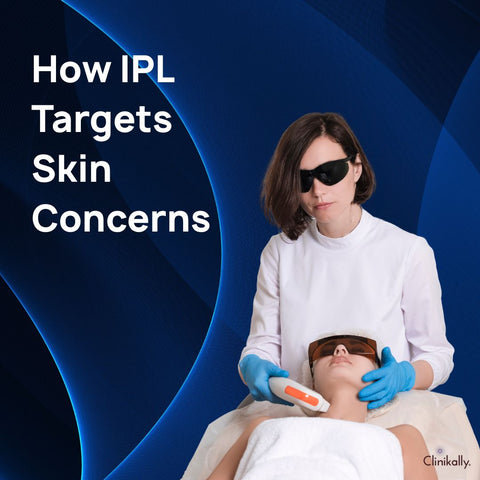
A handheld device sends pulses of light energy into the skin.
-
The skin's melanin (pigment) and hemoglobin (blood vessels) absorb light.
-
The targeted areas are gently heated, which breaks down the pigment and reduces redness.
-
The body naturally eliminates the treated cells, resulting in clearer and more radiant skin over time.
IPL vs. Laser: What’s the Difference?
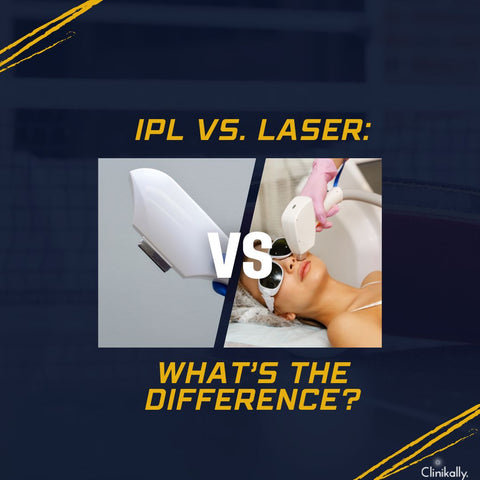
IPL is similar to laser treatments. A laser, on the other hand, focuses only one wavelength of light on your skin, whereas IPL, like a photo flash, emits a wide range of wavelengths. IPL produces more diffused and less focused light than lasers. IPL penetrates your skin's second layer (dermis) without affecting the top layer (epidermis), causing minimal skin damage.
Pigment cells in your skin take light energy and transform it into heat. Heat removes undesirable pigment, removing freckles and other spots. Or it damages the hair follicle, preventing the hair from sprouting back. IPL can be used anywhere on your body, but it may not be as effective on uneven surfaces. It is not advised for persons with thick, elevated keloid scars or dark skin tones. It's also less effective on light-colored hair than it is on black hair.
Benefits of IPL Therapy for Skin and Hair
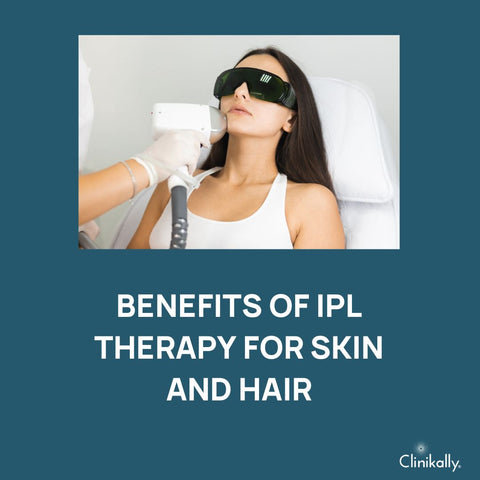
Intense Pulsed Light (IPL) therapy is not a one-trick pony; it is a multifaceted treatment that provides numerous benefits for both skin renewal and hair reduction. Whether you want to restore the radiance to your skin or remove undesirable hair, IPL provides real results with minimal downtime. Top benefits:
- Evens out skin tone: IPL targets excess melanin, which helps to erase age spots, sunspots, freckles, and hyperpigmentation. Ideal for achieving a brighter, more homogenous complexion.
- Reduces redness and rosacea: IPL can reduce apparent blood vessels, capillaries, and redness from rosacea, giving the skin a calmer, more balanced appearance.
- Improves skin texture: Improves skin texture by stimulating collagen formation, which smoothes the skin's surface and reduces the appearance of fine wrinkles, enlarged pores, and minor acne scars
- .Reduces sun damage: One of the most effective photodamage therapies, capable of reversing years of exposure.
- Acne and acne scar treatment: Some IPL devices target acne-causing bacteria, reducing oil production and removing post-acne markings.
IPL for Hyperpigmentation and Redness
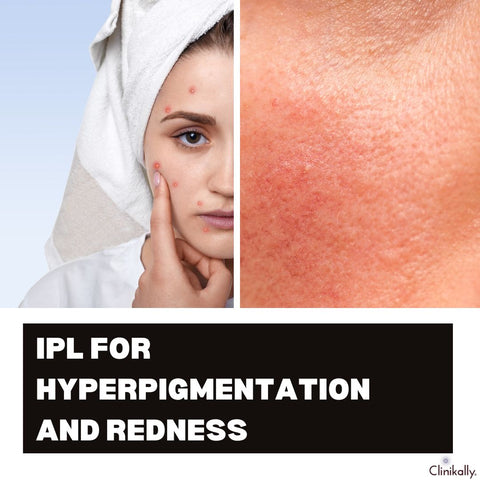
IPL therapy is a form of non-ablative (fractional) laser treatment. IPL therapy, also known as photofacial, increases dermal collagen development. It normally requires several sessions. IPL is used to address overall pigmentation disorders, although it works especially well on flat patches. It may also help to minimize the appearance of wrinkles, spider veins, and enlarged pores.
Hair Removal with IPL: Is It Effective?
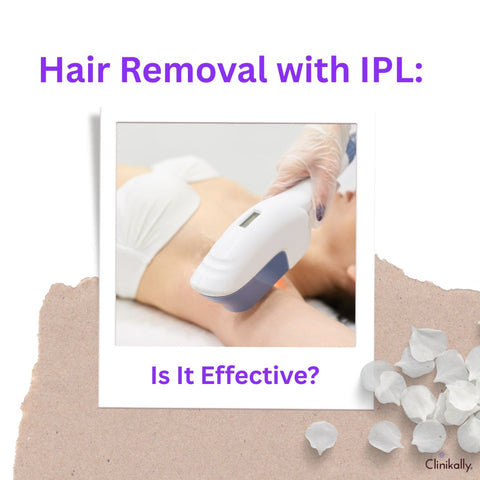
Yes, IPL (Intense Pulsed Light) hair removal is generally efficient at reducing hair growth, though the outcomes may vary. It works by employing light to target and damage hair follicles, resulting in reduced hair regrowth. Here's a detailed look:
Studies have indicated that IPL can significantly reduce hair growth, with some claims claiming a 78% reduction.
The efficiency of IPL is determined by parameters such as skin tone, hair color, and the device used.
IPL usually requires several sessions, with substantial hair loss occurring after a few weeks. Ongoing maintenance treatments may be required.
While IPL is a viable alternative, laser hair removal is also available and may provide more consistent results, but may necessitate more regular follow-up appointments.
IPL for Acne Scars and Sun Damage
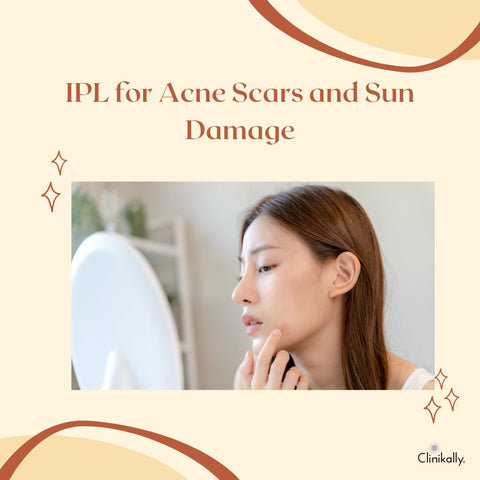
Acne scars
-
IPL is most effective on post-inflammatory hyperpigmentation (PIH), which are the red or brown spots that remain after outbreaks.
-
The light targets melanin and small blood vessels, reducing discoloration and irritation.
-
It promotes collagen formation, softening the appearance of superficial scars and enhancing overall skin smoothness.
Sun damage
IPL eliminates sun-induced pigmentation, such as:
-
Sunspots (solar lentigines)
-
Blotchiness and uneven tone
-
It also improves fine blood vessels and rough texture caused by prolonged UV exposure.
-
Encourages cell turnover and collagen remodeling, resulting in fresher, brighter skin.
Preparing for and Recovering from IPL Treatment
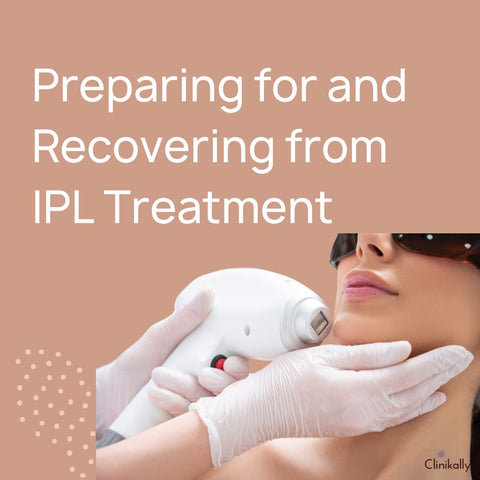
Preparing for IPL Treatment-
Proper preparation ensures that the results are safe, effective, and comfortable.
1. 2–4 weeks before treatment:
-
Avoid sun exposure and tanning beds.
-
Stop using self-tanners
-
Stop using photosensitizing products (retinoids, glycolic acid, salicylic acid) unless your doctor indicates otherwise.
-
Stop waxing or using chemical peels in the treatment area.
2. 1 Week Before:
-
Avoid taking aspirin, ibuprofen, or blood-thinning supplements (such as fish oil or vitamin E), unless your doctor has allowed it.
-
Inform your provider about any medications you are taking, recent sunburns or skin treatments, and a history of cold sores (antiviral medication may be suggested).
3. Day of Treatment:
-
Clean skin—no makeup, lotion, deodorant, or perfume
-
Wear loose-fitting clothes for comfort when treating areas like the chest or arms.
-
Bring sunscreen to reapply afterwards.
4. Recovering:
-
Immediately after, expect minor redness, warmth, and swelling (similar to a light sunburn), and treated dark patches may darken before flaking off over 7-10 days.
-
Post-treatment care (first 48 hours) includes using a gentle cleanser and moisturizer, as well as applying cool compresses as needed.
-
Ongoing care (up to two weeks) includes no tanning or sun exposure, wearing broad-spectrum SPF 30+ daily, and avoiding harsh skincare (retinoids, acids) until your provider advises it's safe.
Pre-Treatment Guidelines: What to Do Before Your Session
Preparing your skin properly is key to achieving safe, effective, and lasting results from Intense Pulsed Light (IPL) therapy. Follow these steps to ensure you're ready for your treatment.
2–4 Weeks Before Your Appointment
-
Avoid sun exposure and tanning beds
-
Sunburn or recent tanning can increase the risk of burns or pigmentation issues.
-
Stop using self-tanners on the area to be treated.
-
Pause use of photosensitizing medications and skincare (only with provider approval)
-
This includes retinoids, glycolic acid, salicylic acid, and certain antibiotics.
-
Discontinue waxing, threading, or chemical peels on the area to be treated.
7 Days Before
-
Switch to gentle skincare in the treatment area.
-
Avoid blood-thinning medications/supplements (e.g., aspirin, ibuprofen, vitamin E, fish oil) unless medically necessary and approved by your provider.
-
Notify your provider if:
-
You’ve had recent sun exposure or sunburn
-
You have a history of cold sores (antiviral meds may be recommended)
-
You're pregnant or breastfeeding
Day of Your Appointment
-
Clean skin only – no makeup, lotion, deodorant, or perfume on the treatment area.
-
Wear comfortable, loose-fitting clothing if treating large or sensitive areas.
-
Bring sunglasses or wear a hat to protect your skin post-treatment.
-
Stay hydrated and eat a light meal beforehand for comfort.
Aftercare Tips: Ensuring Optimal IPL Results
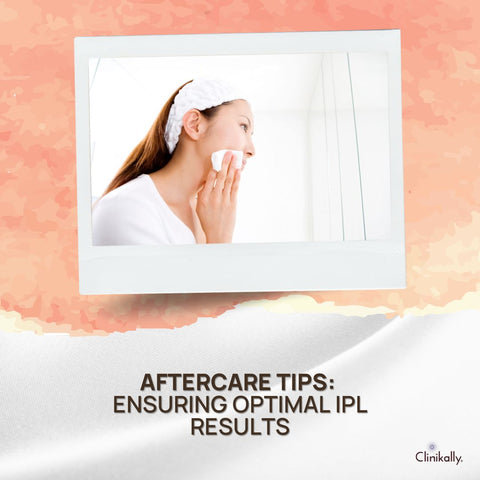
Your skin needs gentle care after IPL (Intense Pulsed Light) therapy to heal properly and maximize your results. Here’s what to do—and what to avoid—after each session:
Immediately After Treatment
-
Expect such as mild redness, swelling, or a warm sensation (like a mild sunburn) and darkening of brown spots before they flake off (this is normal!)
-
Use a cool compress to soothe discomfort if needed
-
Apply a gentle, hydrating moisturizer to keep skin calm and protected
Skincare Do’s
-
Cleanse with a mild, fragrance-free cleanser
-
Moisturize regularly to support the healing process
-
Wear SPF 30+ daily, even indoors, and reapply every 2–3 hours when outside
-
Avoid touching or picking at the treated area—let dark spots shed naturally
Avoid for 48–72 Hours
-
Hot showers, steam rooms, or saunas
-
Intense exercise or activities that cause heavy sweating
-
Harsh scrubs, exfoliants, or active skincare ingredients (like retinoids, AHAs, BHAs, or vitamin C)
-
Makeup (especially on sensitive areas) unless approved by your provider
For the First 1–2 Weeks
-
Stay out of direct sunlight and wear protective clothing/hats outdoors
-
Avoid tanning beds and sun exposure to prevent pigmentation issues
-
Keep skin hydrated and skip any skin treatments like peels, waxing, or facials
Common Side Effects and How to Manage Them

Mild side effects are frequent after Intense Pulsed Light (IPL) treatment and usually resolve on their own within a few days. To remain comfortable during recuperation, expect redness and sensitivity, swelling, pigmented patch deepening, dryness or flaking, and itching.
Is IPL Right for You? Personalized Skin Care Considerations
IPL is a great option for many people, but it's not for everyone. Ideal applicants often have lighter skin tones and seek to treat issues such as sun damage, redness, or uneven pigmentation. However, IPL may not be appropriate for people with darker skin tones, those with specific medical issues, or pregnant women. The best way to know if IPL is right for you is to book a consultation with our specialists. During your consultation, we will evaluate your skin, discuss your goals, and develop a treatment plan that is specific to your needs.