Assured treatment of Beard Dandruff in Winter: Dermatologist Guide
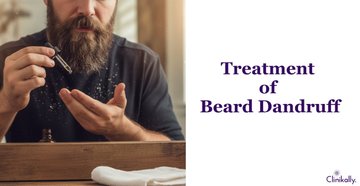
Winters are approaching and dandruff is one of the most common issues, we expect. In men, the problem is even worse, as alongside hair, we also expect beard dandruff.
Beard dandruff is a common problem that causes discomfort, embarrassment, and irritation in men. It happens when the skin beneath the beard becomes dry and flaky, resulting in white or yellowish flakes on the beard and clothing.
The question arises how to defend beard dandruff, and the simple answer is understanding the causes and implementing effective solutions. In this blog, we’ll talk about every cause and their solution, along with some prevention methods. Apart from that, we’ll also talk about some of the dermatologist recommended advice to keep your beard healthy and prevent dandruff from recurring. Let’s start by discussing the causes of beard dandruff.
Understanding the Causes of Beard Dandruff in Winter
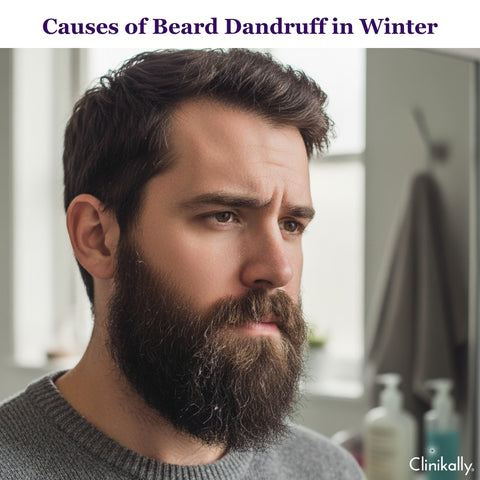
The dry and flaky skin under the beard develops dandruff especially in the colder months. There are a variety of reasons that lead to beard dandruff along with low moisture and cold breezes that exacerbate this common skin issue. Let’s have a look at some of the common causes of beard dandruff:
-
Dry Skin: Lack of natural oils on beard flaky skin or the usage of harsh soaps and shampoos that strip the skin of its oils can cause the skin beneath the beard to become dry, resulting in flakiness.
-
Yeast or Fungal Infections: Yeast or fungal infections, like seborrheic dermatitis, can cause dandruff on the beard. This condition results in oily, inflamed, and scaly skin, which can cause dandruff to appear.
-
Poor Hygiene: When bacteria and dead skin cells accumulate on the skin beneath a beard, it can result in dandruff.
-
Skin Conditions: Some skin conditions, like psoriasis, can also cause dandruff in the beard.
-
Harsh Weather: Dry, cold weather can make skin dry and flaky, which contributes to dandruff.
Let’s understand each of these causes in an elaborative way.
Dry Skin and Beard Dandruff
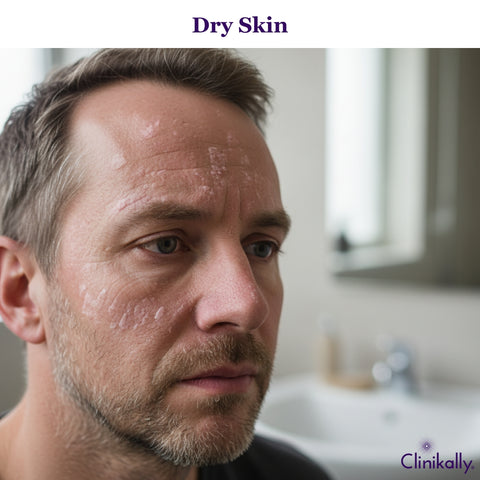
Dry skin frequently contributes to beard dandruff. Because of a lack of natural oils or harsh soaps and shampoos that strip the skin of its natural oils, the skin beneath the beard can become dry and flaky. This dryness can cause dandruff, which is defined by small, white flakes of dead skin that are itchy and uncomfortable. To avoid beard dandruff caused by dry skin, moisturise the skin beneath your beard on a regular basis. To hydrate and nourish the skin, use a beard oil or balm containing natural oils such as jojoba, argan, or coconut. It's also crucial to avoid using abrasive soaps or shampoos on your beard, as these can deplete the skin of its natural oils and cause dryness and flakiness. Instead, use a mild, sulfate-free shampoo or cleanser made specifically for beards to assist in maintaining clean skin without removing its natural oils.
Seborrheic Dermatitis and Beard Dandruff
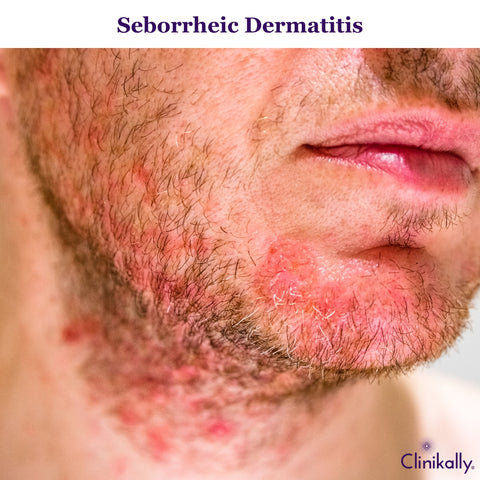
Seborrheic dermatitis is a skin condition that can cause dandruff in the beard. It has red, inflamed skin with flaky, white or yellow scales that can be itchy or uncomfortable. Seborrheic dermatitis can affect the scalp, face, and beard, among other places.
Seborrheic dermatitis' exact cause is unknown, but it is believed to be brought on by an overabundance of the yeast Malassezia on the skin. Stress, a weakened immune system, and hormonal imbalances are a few potential causes of seborrheic dermatitis. For the treatment of beard dandruff brought on by seborrheic dermatitis, use a medicated shampoo or treatment containing ingredients like zinc pyrithione, ketoconazole, or salicylic acid.
These ingredients can help control yeast overgrowth on the skin while also reducing inflammation and flakiness. It's also critical to practice good hygiene and avoid any triggers that may worsen the condition, such as stress, alcohol, and certain foods. Oral or topical medication may be prescribed by a dermatologist in severe cases to help treat the symptoms of seborrheic dermatitis.
Fungal Infections and Beard Dandruff
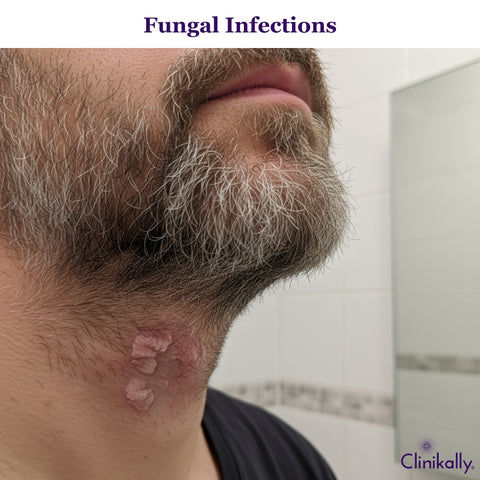
Fungal infections can also be the root of beard dandruff. The most prevalent fungus connected to beard dandruff is tinea barbae, also known as barber's itch. This condition is brought on by a fungus that affects the skin around the hair follicles and causes inflammation, itching, and flaking. The most common way that tinea barbae is transmitted is through contact with contaminated towels, hair clippers, or other personal care items. People who sweat excessively or have a weakened immune system are more prone to fungal infections, including those that cause beard dandruff.
Skin Conditions and Beard Dandruff
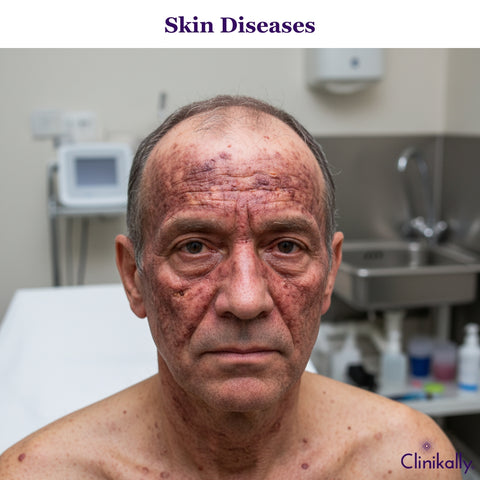
There are a variety of skin conditions that lead to beard dandruff such as Eczema, dermatitis, psoriasis, etc. These conditions get even more severe in winter due to the low moisture and dry air during winter. These conditions compromise the skin barrier, making the skin even sensitive to environmental factors and prone to moisture loss. The affected skin gets severely dry, itchy, and often appears cracked or leathery that leads to fine, white, and dry flakes known as Seborrheic Dermatitis or dandruff.
Hygiene and Beard Dandruff
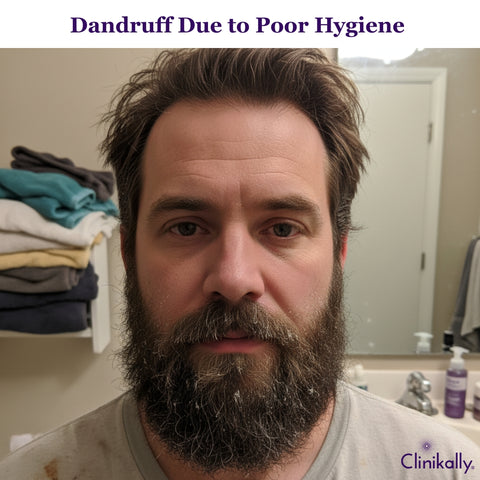
Poor hygiene especially during winter can also lead to dandruff in the beard. Neglecting proper cleansing or incomplete or inconsistent cleansing can also lead to dry skin under the beard. If the beard hair is dense, these shed cells, along with oil and debris, get trapped at the base of the follicles. If they aren't regularly washed away, they clump together, becoming visible flakes, which is the defining characteristic of dandruff. When debris and microbes accumulate, they might trigger an inflammatory reaction in the skin, and can worsen the flaking cycle.
Now that we know about the causes, let's move on to some of the effective treatments for beard dandruff.
Effective Treatments for Beard Dandruff
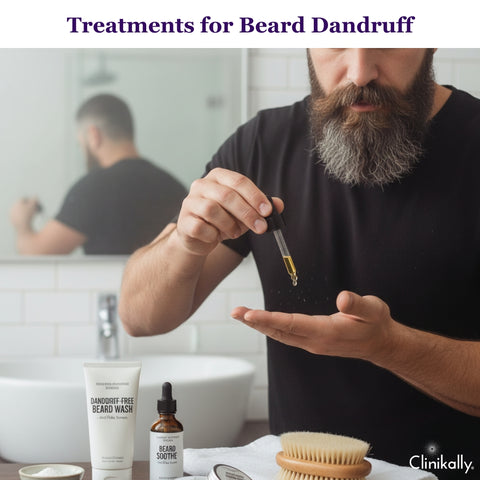
The treatment for beard dandruff depends on the underlying cause. Here are some effective treatments for the different causes of beard dandruff:
-
You should moisturise your beard and the skin beneath it in order to treat beard dandruff brought on by dry skin. A moisturiser made especially for beards or beard oil can be used. Additionally, it's critical to refrain from using harsh shampoos or soaps that could deplete the skin of its natural oils.
-
You might need to use medicated shampoos or product recommended for Seborrheic Dermatitis that contain ingredients like ketoconazole, selenium sulphide, or pyrithione zinc to treat beard dandruff brought on by seborrheic dermatitis. These components support the control of yeast growth on the skin and the reduction of inflammation. For best results, use the products consistently and according to the directions on the packaging.
-
You might need to use topical or oral antifungal products, such as tablets, creams or shampoos, to treat beard dandruff brought on by a fungal infection. To treat more severe cases, your doctor might also recommend oral antibiotics or antifungal drugs.
-
You should regularly wash your beard with a mild shampoo and conditioner to prevent and treat beard dandruff that is brought on by bad hygiene. Avoid using hot water, and after washing, pat your beard dry with a fresh towel. You should also avoid sharing grooming tools and keep your beard and skin clean and dry to prevent the growth of bacteria and fungi.
-
You might need to alter your diet or take supplements to make up for any deficiencies to treat beard dandruff brought on by nutritional deficiencies. The health of your skin and hair can also be enhanced by eating a diet high in vitamins and minerals, such as vitamin D and Omega-3 fatty acids.
Antifungal and Anti-Dandruff Shampoos
Shampoos with antifungal and anti-dandruff properties are a common treatment option for beard dandruff. These anti-dandruff shampoos contain active ingredients such as ketoconazole, selenium sulphide, or zinc pyrithione, which help control the growth of dandruff-causing yeast or fungus. These shampoos should be used as directed on the label, usually a few times per week.
It is critical to thoroughly massage the shampoo into the beard and leave it on for a few minutes before rinsing it off. Because these shampoos may cause dryness or irritation in some people, it is best to start with a small amount and gradually increase the frequency of use. It is also important to choose a shampoo that is formulated for use on the face or beard, as regular anti-dandruff shampoos may be too harsh and cause irritation.
Moisturizing Beard Oils and Balms
Moisturising beard oils and balms are grooming products that keep your beard healthy and moisturised. These products' natural oils nourish the skin beneath the beard and the beard itself, preventing dryness, flakiness, and itching. Typically, jojoba oil, argan oil, and sweet almond oil are some of the effective carrier oils that are quickly absorbed by the skin and hair combined, and thus used in beard oil.
These oils soften and condition the beard while adding a subtle shine. Beard balm, on the other hand, is made up of a combination of carrier oils and butter, such as shea butter and cocoa butter, that provide additional moisturising benefits. Beeswax is also commonly found in beard balm, which helps to keep the beard in place and provides a light to medium hold.
It is critical to apply moisturising beard oils and balms correctly. Begin by washing your beard in warm water with a gentle beard shampoo or soap. With a towel, pat your beard dry, but leave it slightly damp. Then, using your palms, massage a few drops of beard oil or a small amount of beard balm into your beard and the skin beneath it, making sure to cover all areas. Finally, use a comb or brush to distribute the product evenly and style your beard as desired.
Exfoliation and Beard Brushes
Exfoliation is the removal of dead skin cells from the skin beneath the beard, which can aid in the prevention of ingrown hairs and the reduction of itchiness. This can be accomplished with a gentle exfoliating scrub or a specialised exfoliating brush. Exfoliating brushes have soft bristles that gently massage the skin and remove dead skin cells without damaging the sensitive skin beneath the beard.
On the other hand, beard brushes are another useful tool for maintaining a healthy beard. They aid in the distribution of natural oils throughout the beard, which can aid in the reduction of dryness and the promotion of healthy growth. Brushing the beard can also help remove dirt, dust, and other debris that accumulates throughout the day.
When selecting a beard brush, select one with natural bristles, such as boar's hair, which are gentle on the skin and will not damage the beard hair. Begin by brushing the beard in the direction of growth, working your way up from the neck. Make firm but gentle strokes, being careful not to pull or tug on the beard hair. To add volume and style, brush the beard in the opposite direction.
Tips to Prevent Beard Dandruff
Dry skin or an accumulation of oils and dirt in the beard are two common problems that can lead to beard dandruff. There are several ways to stop it, but it can be unsightly and uncomfortable. Here are some suggestions:
-
Keep your beard clean: Wash your beard on a regular basis with mild beard shampoo or soap. This will aid in the removal of dirt, oil, and other debris that can cause beard dandruff.
-
Beard moisturising: To keep your beard and the skin beneath it hydrated, use a beard oil or balm. This can aid in avoiding the dryness and flakiness that are frequent contributors to beard dandruff.
-
Exfoliate frequently: To get rid of dead skin cells from the skin beneath your beard, use a soft exfoliating scrub or brush. This can lessen itching and help prevent ingrown hairs, both of which can lead to beard dandruff.
-
Avoid harsh chemicals: Avoid using harsh chemicals, such as alcohol-based products or hair dyes, on your beard. These can dry out the skin and contribute to beard dandruff.
-
Be mindful of your diet: Eating a balanced diet full of vitamins and nutrients can help to promote healthy skin and hair, which can lower the risk of beard dandruff.
-
Keep your beard trimmed: Regular beard trimming can help to avoid the accumulation of oils and dirt that can cause beard dandruff.
Adopting a Beard Care Routine
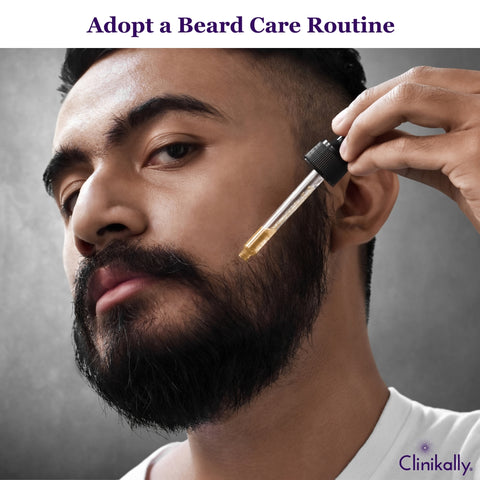
The first step in keeping a beard that is both healthy and attractive is to establish a routine for its care. The following actions can help you develop a beard care routine:
-
Wash your beard frequently: To keep it clean and free of dirt and debris, wash your beard with a mild beard shampoo or soap as often as necessary, ideally every other day.
-
Beard moisturising: To keep your beard and the skin underneath it hydrated, use a beard oil or balm. This can help to prevent dryness, flakiness, and itching.
-
Brush your beard: Apply natural oils to your beard using a beard brush to prevent tangles, encourage healthy growth, and lessen the possibility of beard dandruff.
-
Trim your beard: To keep it in shape and avoid split ends, trim your beard frequently. You can cut your beard to the ideal length using scissors or a beard trimmer.
-
Exfoliate your skin: To get rid of the dead skin cells on your beard skin, use a soft exfoliating scrub or brush. This may lessen itching and assist in preventing ingrown hairs.
-
Maintain a healthy diet: Eating a balanced, vitamin- and nutrient-rich diet can help to encourage healthy skin and hair, which can be advantageous for your beard.
Hydration and Humidification for Healthier Skin
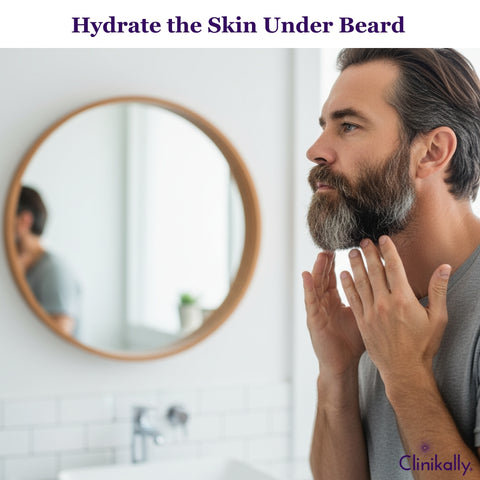
Hydration and humidification are essential for maintaining healthy skin, especially during dry seasons or in dry environments. The following advice will help you stay hydrated and maintain humidity:
-
Drink lots of water: For healthy skin, it's important to stay hydrated from the inside out. To keep your body and skin hydrated, consume at least 8 glasses of water each day.
-
Use a humidifier: During the winter or in dry environments, a humidifier can add moisture to the air and help prevent dryness. To add moisture to the air, install a humidifier in your bedroom or workspace.
-
Apply moisturiser: To keep your skin hydrated, use a high-quality moisturiser, especially after a bath or shower when your skin is most receptive to moisturising.
-
Avoid taking hot showers: Hot water can cause the skin to become dry. Use warm water instead, and take only 10 to 15 minutes in the shower or bath.
-
Use gentle skincare products: Steer clear of harsh soaps and cosmetics that might rob your skin of its natural oils. Instead, use soft, fragrance-free skincare products for beard dandruff.
-
Use facial masks: Applying a hydrating facial mask once or twice a week can help to increase hydration and enhance the general look and health of your skin.
Choosing the Right Beard Products

The health and appearance of your beard can significantly change depending on the beard products you choose. When selecting beard products, keep the following factors in mind:
-
Beard type: Consider your beard's length, thickness, and texture when choosing products. Since different products are made for different types of beards, choose products that are appropriate for your beard.
-
Ingredients: Avoid products with strong chemicals or perfumes and look for those with natural ingredients. Your beard can benefit from ingredients like shea butter, jojoba oil, and argan oil.
-
Brand reputation: Choose products from reputable brands that have a history of producing high-quality beard products. Read reviews and seek recommendations from other bearded people to find a reputable brand.
-
Product type: Choose the kind of product you require, such as shampoo, balm, wax, or beard oil. Select goods that satisfy your particular needs because different goods offer various benefits.
-
Price: When selecting beard products, take your budget into account. There are many affordable options available, even though more expensive products might be of higher quality.
-
Personal preferences: When selecting beard products, take into account your individual preferences, such as fragrance or texture. Find the products that work best for you by experimenting with a variety of them.
Impact of Beard Dandruff on Skin and Beard Health
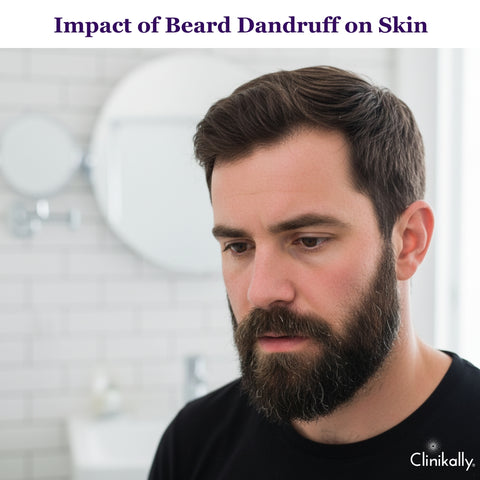
Beard dandruff, also known as seborrheic dermatitis, can have serious consequences for your skin and beard's health. Here are some of the ways that beard dandruff can harm your skin and beard health:
-
Itching and discomfort: Dandruff on the beard can make you itchy and uncomfortable, which can be annoying and uncomfortable. This may result in scratching, which aggravates the issue by irritating the skin even more.
-
Skin irritation: Beard dandruff can cause the skin beneath your beard to become red, flaky, and irritated. This can result in inflammation, dryness, and other skin issues.
-
Infection and acne: Dandruff from the beard can cause acne and other skin infections. Dead skin cells and oil buildup can clog pores and encourage the development of bacteria.
-
Damage to your beard: Beard dandruff can lead to split ends and breakage in your beard. Your beard may appear unhealthy and unattractive as a result.
-
Effects on the mind: Beard dandruff may cause a person to feel less confident and self-assured. Anxiety and social isolation may result from this.
Irritation and Inflammation from Beard Dandruff
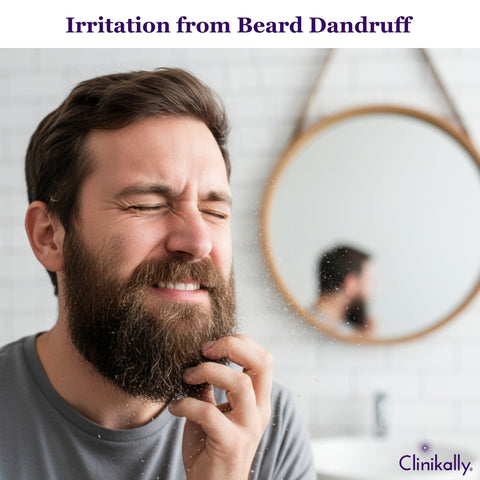
Beard dandruff can irritate and inflame the skin beneath your beard. Here are some of the ways that beard dandruff can cause irritation and inflammation:
-
Beard dandruff can make the skin dry, which can itch and irritate the skin. The skin's protective barrier may be further harmed and rendered more prone to inflammation when you scratch your skin.
-
A fungal infection that results in beard dandruff can cause inflammation and redness. The skin beneath your beard is an example of a warm, moist environment where fungus can thrive.
-
Scratching your skin can result in bacterial infections. Bacterial infections can cause inflammation and redness, as well as exacerbate dandruff.
-
Certain ingredients in beard products, such as fragrances or preservatives, may cause allergic reactions in some people. This can cause irritation and inflammation on the skin beneath your beard.
The Importance of Addressing Beard Dandruff
The common problem of beard dandruff can harm the condition and appearance of your beard. The following are a few justifications for why treating beard dandruff is essential:
-
Skincare: Dandruff in the beard can cause dryness, itching, and inflammation of the skin beneath the beard. If left untreated, this may result in discomfort, irritation, and even infection. You can maintain the health of your skin and avoid more severe skin issues by treating beard dandruff.
-
Beard health: Dandruff in your beard can break or cause split ends in your beard. Your beard may appear dull, unappealing, and unhealthy as a result. You can keep your beard looking healthy and well-groomed by treating beard dandruff.
-
Confidence: Beard dandruff can have psychological effects, such as lower self-esteem and confidence. Anxiety and social isolation may result from this. You can feel more assured and at ease in your skin by treating beard dandruff and maintaining a healthy beard.
-
Preventing further issues: Beard dandruff can cause more severe skin issues, like infections and inflammation if it is not treated. You can avoid these issues and maintain the health of your skin and beard by treating beard dandruff as soon as it appears.
Following a Comprehensive Beard Care Routine
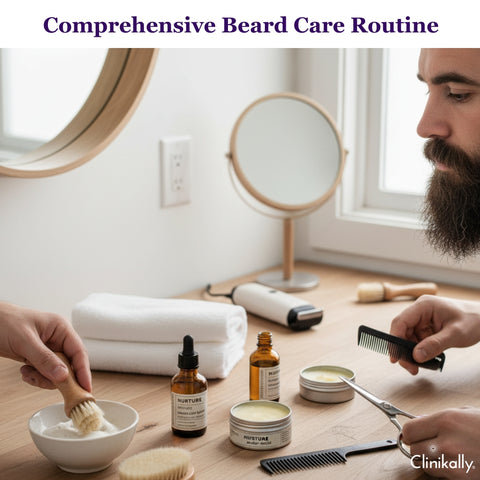
For your beard to stay healthy and look good, you must establish a thorough routine for caring for it. Here are some pointers to help you establish a thorough beard care routine:
-
Wash your beard at least twice a week with a gentle beard shampoo. This will aid in the removal of dirt, oil, and dead skin cells from your beard, thereby preventing dandruff and other skin issues.
-
Using a beard oil or balm to moisturise your skin and beard can help prevent dryness and split ends. It can also promote healthy hair growth and make your beard appear shiny and well-kept.
-
Regularly brushing your beard can help distribute natural oils and promote circulation, which can stimulate hair growth and prevent tangles and knots. To avoid damaging your beard, use a beard brush with soft bristles.
-
Remove dead skin cells from the skin beneath your beard with an exfoliating scrub or brush. This can help to prevent dandruff and other skin issues, as well as promote healthy hair growth.
-
Trimming your beard on a regular basis can help to keep it neat and well-groomed. Trim your beard with a high-quality pair of scissors or clippers, and consider visiting a professional barber for more complex styling.
Enjoying the Benefits of a Dandruff-Free Beard
The advantages of having a dandruff-free beard can significantly improve your life. Here are some advantages of having a beard free of dandruff:
-
Better appearance: A beard without flakes or scales looks much better than one that does. Your facial features can be enhanced by a clean, well-groomed beard, which can also boost your self-esteem and physical attractiveness.
-
Enhanced comfort: Dandruff can itch and irritate the skin, which can result in discomfort and even pain. You'll feel more at ease and at ease with yourself if your beard is dandruff-free.
-
Greater skin health: Dandruff may be an indication of underlying skin issues like dryness, inflammation, and infection. Maintaining a dandruff-free beard will help to promote healthy skin and ward off more serious skin issues.
-
Better beard growth: A healthy beard is one that is free of dandruff. It indicates that your skin and hair follicles are healthy and unclogged by bacteria or dead skin cells, which helps your beard grow better.
-
Enhanced general hygiene: Keeping a dandruff-free beard requires more than just maintaining good looks; it also requires improving general hygiene. It shows that you take good care of your body and yourself, which reflects a positive self-image.
Get Rid of Beard Dandruff!
Beard dandruff is a frustrating issue and needs to be addressed properly. In order to maintain the health and appearance of your beard and skin, you must take care of the skin under the beard, and maintain the cleanliness and moisture especially in winter.
By maintaining a regular beard care routine, such as regularly washing your beard, using a beard oil or balm to keep it moisturised, brushing your beard to encourage blood flow and distribute natural oils, and exfoliating the skin beneath your beard to get rid of dead skin cells, you can prevent and treat beard dandruff.
Furthermore, avoiding harsh chemicals or fragrances that can irritate your skin, as well as taking a dermatologist consultation online for beard dandruff can help you say goodbye to beard dandruff and hello to healthy, attractive skin and a beard. You can have a healthy, well-groomed beard that looks and feels great with the right care and attention.