Polynucleotide Injections for Acne Scars: How They Help Skin Heal
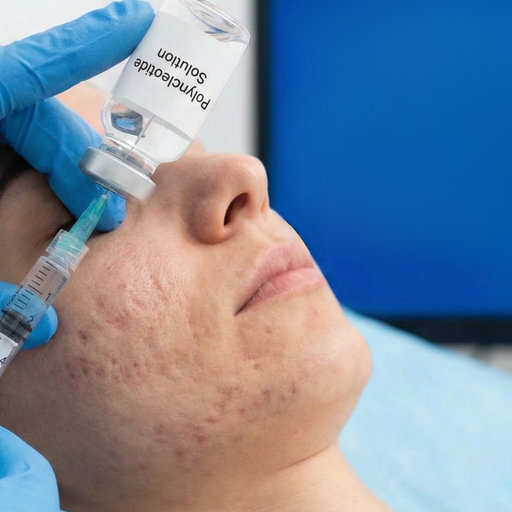
Polynucleotides are quickly becoming a breakthrough force in the field of aesthetic medicine. These naturally occurring molecules, composed of lengthy chains of nucleotides, have shown exceptional efficacy in skin regeneration and healing. Polynucleotides, which are derived from DNA fragments, stimulate tissue regeneration and repair, making them a great treatment for those who want to restore youthful vitality to their skin without undergoing intrusive operations. Unlike typical fillers, which increase volume, polynucleotides work to improve the skin's inherent ability to mend and rejuvenate. This method provides a more comprehensive and long-term remedy for skin issues like fine lines, wrinkles, and overall skin texture.
Understanding Polynucleotides: What Are They and How Do They Work?
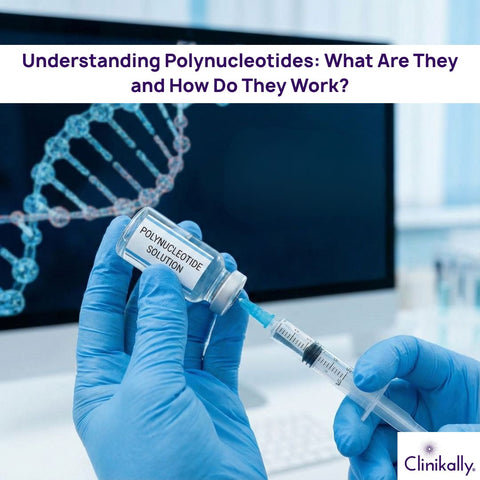
Polynucleotides (PN) are lengthy sequences of nucleotides, the fundamental building elements of DNA. In cosmetics and regenerative medicine, PN are typically isolated and refined from salmon DNA, which closely mimics human DNA and is extremely biocompatible. When injected into the skin, PN functions as a biorevitalizer rather than fillers. Rather than simply increasing volume, they promote the skin's natural repair and regeneration processes.
-
Cellular regeneration: PN fragments provide raw material for skin cells (particularly fibroblasts) to repair and replenish tissue. They stimulate fibroblasts to make collagen and elastin, which are essential for skin firmness and suppleness.
-
Hydration boost: PN molecules are extremely hydrophilic (they love water). They attract and retain water in the skin, which boosts hydration, plumpness, and overall skin health.
-
Antioxidant activity: PN can scavenge free radicals, hence lowering oxidative stress caused by pollution, UV exposure, and aging. This protective effect helps to maintain cellular activity and slows down skin deterioration.
-
Improved microcirculation: PN activates adenosine A2A receptors, stimulating the release of VEGF (vascular endothelial growth factor). This procedure increases blood circulation to the skin, supplying oxygen and nutrients while also promoting healing.
-
Anti-inflammatory properties: PN promotes the transition from a pro-inflammatory to a pro-healing milieu in the skin. This helps to reduce redness, inflammation, and post-inflammatory pigmentation.
Polynucleotides vs. Other Injectable Treatments
In aesthetic medicine, injectable therapies are not all the same. While hyaluronic acid (HA) fillers, platelet-rich plasma (PRP), and skin boosters all serve specialized purposes, polynucleotides (PN) stand out due to their distinct biological effects.
-
Polynucleotide (PN): PN is are pure DNA fragments produced from salmon that promote cellular skin healing. Rather than increasing volume, they stimulate fibroblasts to create collagen, elastin, and hyaluronic acid. PN also hydrates the skin, stimulates blood circulation with VEGF, reduces oxidative stress, and shifts inflammation to a healing state. The end outcome is enhanced texture, elasticity, and scar reformation.
-
Hyaluronic acid (HA) fillers and skin boosters: HA fillers provide instant volume and contouring by physically filling wrinkles or depressions. Skin booster versions of HA increase hydration and plumpness but have limited regeneration signaling. The results are obvious immediately, but they rely on the presence of HA rather than natural repair.
-
Platelet-Rich Plasma (PRP): PRP is a treatment that releases growth factors from the patient's own blood, which is rich in platelets. It stimulates healing and tissue regeneration; however, the outcomes vary depending on the patient's platelet count and preparation procedure.
Polynucleotides for Acne Scars: Are They Effective?
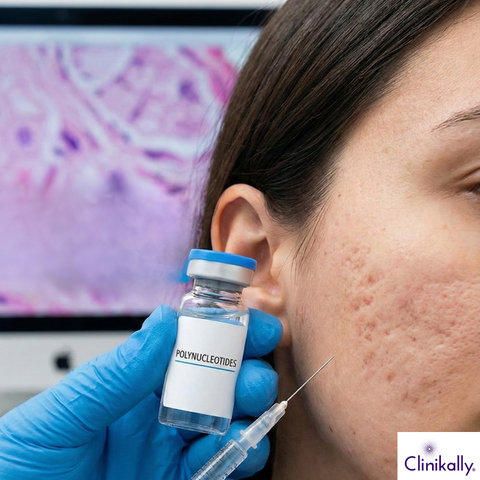
Acne scars arise when inflammation prevents normal wound healing, resulting in collagen loss, tethering, or pigmentation. Traditional treatments, such as subcision, microneedling, and fractional lasers, aim to physically stimulate repair. Polynucleotide (PN) injections have lately gained popularity as a regenerative scar treatment technique.
Polynucleotides are pure DNA fragments derived primarily from salmon. When injected into the skin, they behave as biostimulants rather than fillers. They stimulate fibroblasts to make new collagen and elastin, increase hydration by binding water molecules, and improve microcirculation via VEGF stimulation. PN regulates inflammation by promoting healing in macrophages and lowering cytokines such as IL-6 and TNF-α. This dual action creates an environment in which scarred tissue can remodel more efficiently.
Clinical research and early trials indicate that PN injections improve skin elasticity, texture, and scar appearance, especially in atrophic scars (rolling and shallow boxcar kinds). The results are much better when PN is combined with additional treatments like microneedling, subcision, or fractional lasers. While results are gradual—typically noticeable after numerous sessions spread over 8-12 weeks—patients frequently report smoother, more resilient skin. It is vital to note that PN is not a standalone treatment. Deep or ice-pick scars still necessitate procedural treatments such as TCA CROSS or surgical methods. However, as an adjuvant, PN can speed up healing, reduce inflammation, and improve results.
How Polynucleotides Target Acne Scarring at a Cellular Level
Acne scars develop when prolonged inflammation and tissue damage impair the skin's capacity to heal itself. The end outcome is collagen breakdown, disordered extracellular matrix (ECM), and insufficient skin support. Polynucleotides (PN) provide a physiologically active strategy, functioning at the cellular level to restore the balance between injury and repair.
-
Fibroblast Stimulation: Polynucleotides function as bioactive signals, activating dermal fibroblasts. These cells produce more type I and III collagen, elastin, and glycosaminoglycans, all of which are needed to reconstruct the ECM. This thickens and strengthens the dermis, reducing the severity of atrophic scars.
-
Angiogenesis and oxygenation: As PN disintegrates, it releases nucleosides such as adenosine. Activation of the A2A receptor promotes VEGF secretion, which drives angiogenesis. Improved microcirculation brings more oxygen and nutrients to scar tissue, which aids in cellular repair and regeneration.
-
Inflammation modulation: Chronic inflammation impedes scar reformation. PN promotes healing by decreasing pro-inflammatory cytokines (IL-6, TNF-α) and increasing M2 macrophages. This prevents further tissue injury while directing proper collagen deposition.
-
Oxidative stress control: Polynucleotides have a polyanionic backbone, which scavenges free radicals and reduces oxidative stress in damaged tissue. This regulates fibroblast activity and enhances the quality of freshly generated collagen.
Clinical Evidence and Research Insights

Polynucleotide (PN) injections are becoming increasingly popular in cosmetic dermatology due to their regeneration potential. While the field is still in its early stages, preliminary clinical evidence suggests a promising potential for them in acne scar treatment.
Evidence from clinical studies:
Small randomized controlled trials (RCTs) and split-face studies have found that PN improves skin texture, elasticity, and scar appearance when compared to placebo or saline. PN therapy led in obvious dermal thickening and smoother skin after numerous sessions in individuals with atrophic acne scars, particularly rolling and shallow boxcar kinds. When paired with proven treatments like fractional lasers, microneedling, radiofrequency microneedling, or subcision, PN gave better results than monotherapy. These combined approaches appear to decrease downtime and post-procedure irritation and speed up visible remodeling.
Key research findings:
-
Biologic priming effect: PN prepares the dermal environment for optimal response to controlled injury treatments.
-
Safety profile: PN injections were well tolerated in all studies, with only mild and transient erythema, edema, or bruising reported. No serious adverse events were reported.
-
Durability: Improvements usually occur gradually over 8-12 weeks and can last for several months, with maintenance sessions recommended.
-
Limitations: Most studies to date have small sample sizes, short follow-up periods, and limited objective imaging. Larger randomized controlled trials with standardized protocols are still needed.
Expected Results and Treatment Timeline
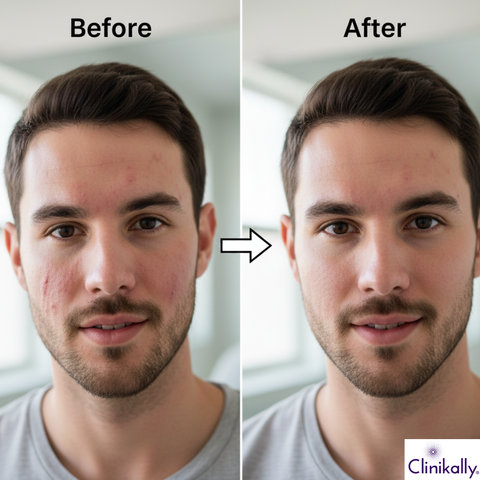
Polynucleotide (PN) injections operate gradually by stimulating skin healing at the cellular level, unlike fillers, which provide rapid volume. Patients seeking acne scar removal and skin rejuvenation should be aware that the outcomes are gradual rather than immediate.
-
Immediate effects (between 1-3 days): Mild redness, swelling, or papules around injection sites are usual. Because of PN's ability to bind to water, some patients experience slight hydration and a glow. These early alterations are just transitory and should not be mistaken for the final outcomes.
-
Early regeneration (2-6 weeks): Fibroblasts begin to produce new collagen and elastin. Microcirculation improves as angiogenesis progresses, bringing more oxygen and nutrients to scarred tissue. Patients may experience softer skin texture and minor scar improvement by week 4-6.
-
Visible remodeling (8-12 weeks): Structural changes in the dermis become more noticeable: scars may appear shallower, skin elasticity increases, and pigmentation from post-inflammatory alterations decreases. At this time, patients often report a noticeable improvement in the look of their acne scars.
-
Optimal results (12-16 weeks): Collagen remodeling and skin thickening peak after three to four treatment sessions. When PN is combined with other techniques like microneedling, subcision, or fractional laser, the results improve.
-
Maintenance (every 3-6 months): Repeat treatments help to maintain benefits and promote continuous skin quality development.
What to Expect During and After the Procedure
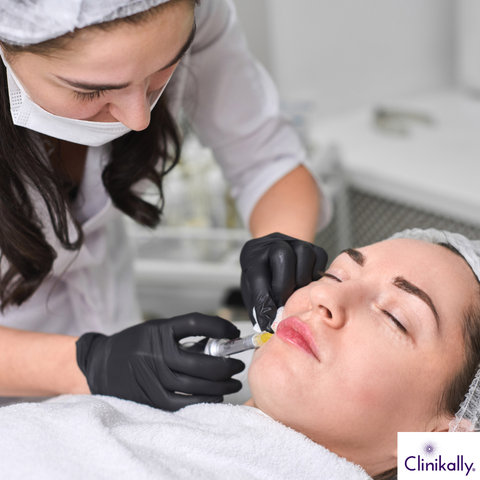
- During the procedure: Polynucleotide injections are usually given in a clinic environment and last 20-40 minutes, depending on the treatment region. Preparation involves cleansing the skin and applying a topical numbing gel to provide comfort. The technique involves the clinician injecting tiny amounts of PN into the superficial to mid-dermis using a fine needle or cannula. A linear threading technique or a micro-papular grid may be applied to scars. Patients frequently report feeling a slight pressure or sting, but overall, the procedure is well tolerated.
-
Immediately after: Small elevated papules ("bumps") at injection sites are normal and indicate proper insertion. Mild redness, swelling, or pinpoint bruising may occur, which typically resolves within 24-72 hours. Skin in the treated region may feel tighter or more tender.
-
Short-term recovery: If the skin barrier remains intact, makeup can normally be applied 24 hours later. To reduce swelling, avoid vigorous exercise, saunas, and alcohol for at least 24 hours. Patients should utilize moderate skincare with a high SPF sunscreen. Active ingredients (retinoids, acids, and exfoliants) should be discontinued for 2-3 days.
-
Long-term expectations: The results are not immediate. Although hydration effects may be felt right away, visible changes in scars, elasticity, and skin texture usually appear after several weeks. For best outcomes, a series of three to four treatments separated by 2-4 weeks is recommended.
Procedure Overview: Preparation, Injections, and Recovery
-
Preparation: Before receiving polynucleotide (PN) injections, the skin is meticulously examined to identify scar types and treatment sites. Any active acne or infection should be addressed first. On the day of the operation, the skin is properly washed, and a topical anesthetic cream is given for 20-30 minutes to alleviate any discomfort. Patients should avoid alcohol, blood thinners (if possible), and severe skincare for 24 hours.
-
Injections: The operation normally lasts 20-40 minutes, depending on the treated region. The doctor injects PN into the superficial to middle dermis using a tiny needle or cannula. Micro-papular injections, which involve applying tiny droplets to damaged skin in a grid pattern, are a common treatment. Linear threading or fanning is utilized for rolling scars or bigger areas that need structural support. To accelerate healing, PN can be used with subcision, microneedling, or laser therapy. Patients report minor stinging or pressure, but overall discomfort is minimal.
-
Recovery: Small raised lumps (papules), redness, or minor edema are common following treatment and often diminish within 24-72 hours. Bruising is possible but unusual. Gentle washing, moisturizer, and broad-spectrum SPF are all advised. Patients should avoid strenuous exercise, saunas, and active skincare (retinoids, acids, and exfoliants) for 2-3 days. Makeup can be applied after 24 hours if the skin barrier is still intact. Visible improvements in skin texture and scar depth often occur gradually, with 3-4 sessions spaced 2-4 weeks apart yielding the best results.
Potential Side Effects and Aftercare Guidelines
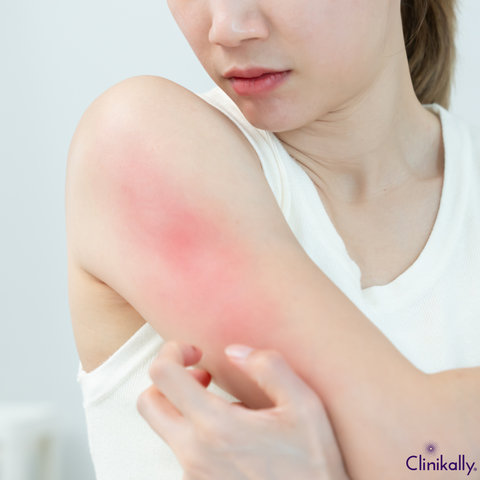
Potential side effects: Polynucleotide (PN) injections are generally safe, but as with any injectable medication, minor and transitory responses might occur. Redness and swelling are common side effects that usually diminish within 24-48 hours. Small raised patches at injection sites, known as papules or bumps, can remain from one to three days. Bruises may appear from time to time, particularly in sensitive places; these usually disappear within a week. Tenderness or itching causes slight discomfort that passes rapidly. Prolonged swelling, infection, or allergic-type reactions are all possible adverse effects, but they are rare when conducted by competent professionals under sterile conditions.
Proper aftercare improves comfort, reduces risk, and promotes healing:
-
First 24 hours: Do not touch or massage the treated area. Don't use makeup or harsh skincare products. Avoid intense activity, saunas, and alcohol, as they may exacerbate edema.
-
First 2–3 days: Use a mild cleanser and fragrance-free moisturizer. Stop using active skincare (retinoids, AHA/BHAs, vitamin C serum, and exfoliants). Use a broad-spectrum sunscreen (SPF 30+)sunscreen to protect recovering skin.
-
Ongoing care: Stay hydrated to aid with dermis healing. Maintain a consistent skincare routine that includes moisturizing and barrier-strengthening products. Follow-up appointments every 2-4 weeks are advised for best results.
Is It Safe for All Skin Types?
Polynucleotide (PN) injections are regarded as safe and effective across a wide spectrum of Fitzpatrick skin types (I-VI), making them appropriate for both light and dark complexions. Unlike lasers or strong chemical peels, which may increase the risk of post-inflammatory hyperpigmentation (PIH) in darker skin tones, PNs function primarily through biomodulation, activating the skin's natural repair pathways while avoiding controlled harm.
-
Non-ablative mechanism: PNs do not destroy or harm the skin's surface, lowering the likelihood of pigmentary alterations.
-
Anti-inflammatory action: By controlling cytokines and lowering oxidative stress, PNs help reduce inflammation, which is a common cause of pigmentation in darker skin.
-
Cellular regeneration focus: Their principal function is to promote fibroblast activity, collagen synthesis, and tissue hydration, all of which are common healing processes.
Personalized Recommendations: Is This Acne Scar Solution Right for You?
Polynucleotide (PN) injections are a new treatment for acne scars that takes a regenerative approach rather than just resurfacing the skin. Whether or not this therapy is appropriate for you is determined by a number of personal circumstances.
Best candidates:
-
Mild to moderate acne scars: Rolling and atrophic scars respond best to PNs, which stimulate fibroblast activity and new collagen production.
-
Every skin type: Unlike lasers or peels, PNs have a low risk of post-inflammatory hyperpigmentation, making them ideal for darker skin tones.
-
Patients looking for gradual, natural results: Improvements happen gradually over 8-12 weeks with a series of sessions.
Situations where caution is needed:
-
Active acne or infections: Delay treatment until the skin is stabilized.
-
Pregnancy or breastfeeding: Elective injectables are not indicated during pregnancy or while breastfeeding due to poor safety data.
-
Autoimmune or bleeding disorders: Before beginning, a medical examination is necessary.
What to expect: PNs are not a "quick fix." Instead, they act at the cellular level to repair the skin's matrix, increase moisture, and reduce inflammation. Most patients require three to four sessions, spaced 2-4 weeks apart, to see improvements. While scars may not entirely fade, many people experience smoother texture, increased elasticity, and healthier skin tone.