NAD+ in Cosmetics: Safety, Ingredients, and Usage
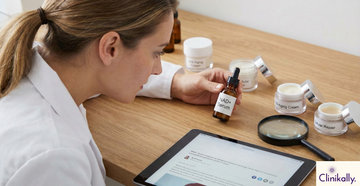
NAD+, which is found in every cell of our body, is required for cellular energy production and DNA repair, making it an ideal candidate for cosmetics. However, before adopting it into your skincare routine, you need to understand its effects and confirm its safety. This blog explores the safety of using NAD⁺ in cosmetics.
The Science of NAD⁺: Why Skin Cells Crave This Coenzyme
Nicotinamide adenine dinucleotide (NAD⁺) is a vital coenzyme found in all cells that contributes to energy synthesis, DNA repair, and overall cellular health. NAD⁺ in skin maintains cell vitality and resilience to environmental stresses. NAD⁺ levels decrease with age, leading to decreased cellular energy, slower DNA repair, and obvious aging indicators as fine wrinkles, loss of elasticity, uneven texture, and dullness.
NAD⁺ promotes skin health via multiple ways. It fuels mitochondria, which produce ATP to power cell regeneration and repair. It also serves as a substrate for PARP enzymes, which repair DNA damage induced by ultraviolet radiation and oxidative stress. NAD⁺ triggers sirtuins, which regulate inflammation, metabolic efficiency, and cellular longevity. This helps maintain skin structure and function throughout time. NAD⁺ supports antioxidant defense by neutralizing reactive oxygen species (ROS), which can harm collagen, elastin, and other skin components.
Because the molecular size and instability of NAD⁺ make it difficult to apply topically, skincare formulas commonly use precursors like niacinamide, which the skin can convert into NAD⁺. Clinical studies indicate that niacinamide improves barrier function, lowers inflammation, and improves skin tone, hence promoting NAD⁺-regulated cellular processes.
Mitochondrial Energy Production and Redox Balance
A steady supply of cellular energy and a closely controlled oxidative environment are at the heart of healthy, youthful skin. Mitochondria, the cells' powerhouses, rely on NAD⁺ (nicotinamide adenine dinucleotide) to regulate energy production and redox balance.
-
Mitochondrial energy production: Mitochondria manufacture ATP (adenosine triphosphate), the cell's energy currency, by a process known as oxidative phosphorylation. NAD⁺ serves as an electron carrier during glycolysis and the Krebs cycle, resulting in NADH. NADH subsequently donates these electrons to the electron transport chain (ETC) in mitochondria, which produces ATP. High ATP levels in skin cells, particularly those undergoing rapid turnover or repair, are required for collagen synthesis, cell proliferation and differentiation, and barrier restoration following injury or environmental stress. As NAD⁺ levels decrease with age, ATP synthesis becomes less efficient, resulting in sluggish regeneration, dullness, and wrinkles.
-
Redox balance and antioxidant defense: "Redox" refers to the reduction and oxidation reactions that are necessary for cellular survival. Reactive oxygen species (ROS) are constantly produced by skin cells as a result of metabolism and UV radiation or pollution exposure. NAD⁺ promotes redox equilibrium through recycling and other mechanisms. Antioxidants benefit the enzymes like glutathione reductase replenish glutathione, which is one of the skin's most effective antioxidants. Supporting Sirtuins and PARPs are NAD⁺-dependent enzymes that repair oxidative DNA damage and control inflammation. Oxidative stress can cause DNA damage, inflammation, and apparent aging if NAD⁺ levels are insufficient to protect the skin.
DNA Repair, Barrier Function, and Inflammation Control
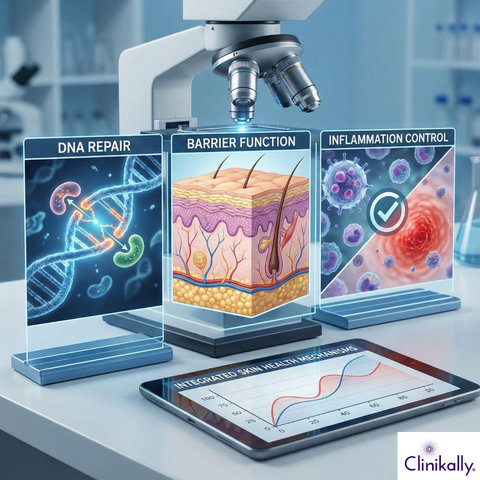
NAD⁺ is more than an energy coenzyme; it also plays a crucial role in maintaining skin integrity. NAD⁺ helps maintain healthy skin by repairing UV-induced DNA damage, strengthening the skin barrier, and reducing inflammation. Here's how.
-
DNA repair (Protecting Skin from Damage): Every day, skin cells are bombarded with UV radiation, pollution, and oxidative stress, all of which can damage DNA. Left untreated, this damage causes accelerated aging (wrinkles, pigmentation), reduced cell function, and an increased risk of cancer. NAD⁺ activates DNA-repair enzymes, including PARPs (poly ADP-ribose polymerases), which identify and repair DNA breaks. Additionally, sirtuins (SIRT1 and SIRT6) regulate chromatin structure and stability.
-
Barrier function (improving skin defense): The skin barrier (stratum corneum) guards against moisture loss and external aggressors. NAD⁺ promotes lipid synthesis, ensuring barrier integrity. Enhancing keratinocyte differentiation, keeping the skin's surface smooth and sealed, and lowering transepidermal water loss (TEWL), which improves hydration and resilience. Maintaining a healthy NAD⁺ level protects the barrier, keeps it moist, and reduces the risk of infection.
-
Inflammation control (calming the skin): Chronic inflammation hastens the aging process and is at the root of many skin problems. NAD⁺ reduces inflammation and protects against oxidative damage via regulating sirtuin enzymes. NAD-dependent processes regulate the inhibition of the NF-κB pathway, which is a critical inflammatory route. Increasing NAD⁺ levels can transform the skin's milieu from pro-inflammatory to anti-inflammatory, promoting healing and tranquility.
Comparing NAD⁺, NADH, and Niacinamide Precursors
As NAD⁺ gains popularity in anti-aging skincare, related substances such as NADH, niacinamide, and advanced NAD⁺ precursors like nicotinamide riboside (NR) and nicotinamide mononucleotide (NMN) are becoming more prevalent. Although all are linked to the NAD⁺ pathway, they vary in structure, function, bioavailability, and skin benefits.
-
NAD⁺ (Nicotinamide Adenine Dinucleotide): The oxidized, active form is used for DNA repair, energy metabolism, and redox equilibrium. Biologically necessary for mitochondrial function, sirtuin activation, and cell survival. Large and unstable molecule, poorly absorbed through the skin; difficult to administer topically unless encapsulated or stabilized. Emerging, particularly in high-tech formulations with delivery methods. Penetration issues continue to restrict progress.
-
NADH (Reduced NAD⁺): It is the electron-rich form of NAD⁺ that provides electrons for ATP synthesis. It supports mitochondrial energy and antioxidant processes. NADH, like NAD⁺, is big and unstable, making skin absorption challenging without specialized formulations. Rare; more commonly used in nutraceuticals.
-
Niacinamide (Vitamin B3): It is a precursor to NAD⁺ and is converted by cells via the salvage pathway. Stable, thoroughly researched, and widely utilized. Boosts NAD⁺ levels inside skin cells. Proven advantages include improved barrier function, inflammation reduction, pigmentation brightening, and oil regulation. NAD⁺ is produced through enzymatic conversion within cells, rather than being provided directly. Very effective and safe. The gold standard for enhancing skin tone, moisture, and aging symptoms.
-
NR (Nicotinamide Riboside) and NMN (Nicotinamide Mononucleotide): They are next-generation NAD⁺ precursors that have better bioavailability than niacinamide. It transforms more efficiently into NAD⁺. Potentially enhances mitochondrial activity, DNA repair, and cellular lifespan. Expensive, and topical stability is still not thoroughly tuned. Clinical evidence on skin is sparse but intriguing. Mostly seen in high-end anti-aging cosmetics; more typically found in oral supplements.
Safety Snapshot: Regulatory Status and Dermatologist Insights
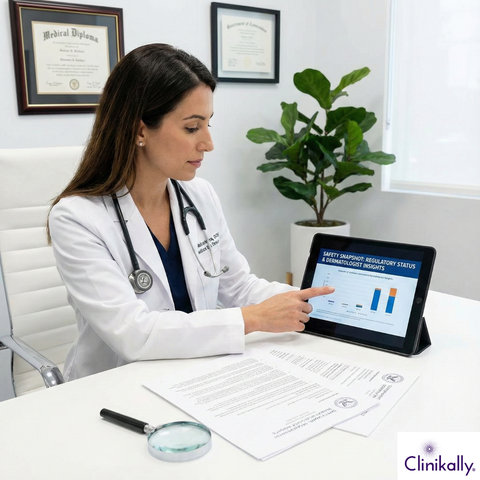
Nicotinamide adenine dinucleotide (NAD⁺) is gaining popularity in skincare due to its potential benefits in energy production, DNA repair, and anti-aging. NAD⁺'s high molecular size and instability make it difficult to use topically and hinder skin penetration. Many cosmetic products use NAD⁺ precursors, like niacinamide (vitamin B₃), which the skin can efficiently convert into NAD⁺. Niacinamide has been extensively investigated for its effects in skin barrier restoration, fine line reduction, hyperpigmentation, and inflammation.
-
Dermatologists regard NAD⁺ and its precursors as safe for topical usage. Most users tolerate niacinamide well; however, modest side effects such as redness, tingling, or temporary dryness may occur, especially in those with sensitive skin. Rare allergic responses are possible, underscoring the significance of patch testing before introducing a new product into your routine. Due to insufficient long-term safety data on topical NAD⁺, experts advise speaking with a healthcare practitioner for those with compromised or extremely reactive skin, as well as pregnant or breastfeeding persons.
-
Regulatory control helps ensure the safety of NAD⁺ and niacinamide in cosmetics. In the United States, the FDA considers them safe cosmetic ingredients as long as the labeling follows standards. In the European Union, cosmetic goods can contain both NAD⁺ and niacinamide, with recommended concentration limits to reduce irritation concerns. Similar safety recognition exists globally, albeit claims of cellular anti-aging or reversing skin aging must be supported by scientific data.
Current Research on Topical Bioavailability
Research on the topical bioavailability of NAD⁺ (nicotinamide adenine dinucleotide) and its precursors has shown promising results, but obstacles remain regarding effective skin penetration and stability.
-
Skin penetration of NAD⁺ precursors: Studies show that nicotinamide mononucleotide (NMN), a NAD⁺ precursor, can penetrate the epidermal barrier. In vitro investigations with a skin-mimetic model demonstrated that NMN, when properly prepared, can permeate the higher dermal layers, indicating potential efficacy in targeting fibroblasts and other skin cells.
-
Stability and degradation: The formulation media affects the stability of NMN. According to research, NMN stays stable at 40°C for 72 hours in some formulations, but deterioration accelerates at higher temperatures, highlighting the need of reliable delivery mechanisms in topical applications.
-
Delivery improvements: To improve skin penetration, various delivery techniques are being investigated. Microemulsions with nicotinamide can improve skin penetration and boost the bioavailability of NAD⁺ precursors. Furthermore, sophisticated drug delivery systems such as ethosomes and invasomes are being studied for their usefulness in transdermal administration of active substances.
Potential Irritation, Contraindications, and Patch Testing
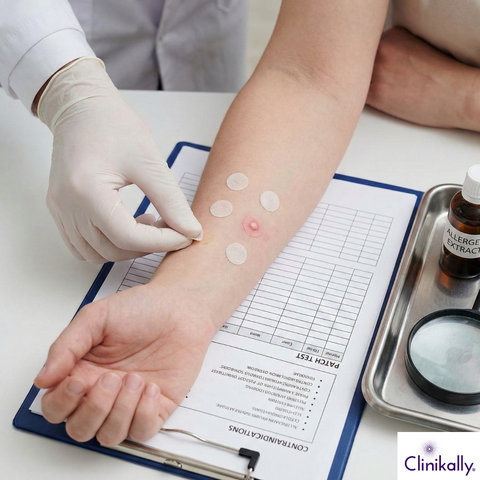
Although NAD⁺ and related substances (e.g. niacinamide, NR, and NMN) are generally well-tolerated, it's important to consider how your skin may react to ensure safe and effective use. Here's everything you need to know about potential side effects, who should be cautious, and how to evaluate new goods.
-
Potential irritation and side effects: NAD⁺ and advanced precursors (NR/NMN) have little irritation risk. However, formulations with unstable or high concentrations may produce moderate redness or tingling, dryness or flaking (rare), and reactions when mixed with harsh actives (such as strong acids or retinoids). Niacinamide is generally well accepted, even by sensitive and acne-prone skin. Irritation is uncommon; however, at high concentrations (10% or greater), individuals may report transient flushing or warmth. Slight stinging, particularly on weakened skin.
-
Contraindications: For highly reactive or damaged skin barriers (e.g., severe eczema, open wounds), avoid using potent NAD⁺ or precursor products until the skin heals. Concurrent use of strong actives (e.g., AHA, BHA, retinoids): May increase irritation risk; introduce gradually or alternately. Those with oral niacin intolerance may prefer lower concentrations or steer clear of niacinamide-based formulations, though this is uncommon with topical application.
-
Patch testing guidelines: Before using a new product containing NAD⁺, NMN, NR, or high-concentration niacinamide, Apply a little amount to a discrete region, such as behind the ear or the inner forearm. Wait 24 to 48 hours. Look for signs of redness, itching, burning, and breakouts or rashes. If no reaction develops, the substance is most likely suitable for face usage. Introduce it gradually (e.g., every other night) and evaluate skin reaction.
-
Best practices for safe use: Best practices for safe use include starting with lower concentrations (2-5% niacinamide) and gradually increasing to greater levels. Choose NAD⁺ products from reputed brands with stabilized formulas. If utilized alongside strong actives, add calming substances such as hyaluronic acid, ceramides, or panthenol.
Global Cosmetic Regulations and Ingredient Purity Standards
Nicotinamide adenine dinucleotide (NAD⁺) and its precursor, niacinamide Vitamin B3 (2/2), are widely used in cosmetic compositions for their skin advantages. Understanding the regulatory status and ingredient purity criteria is critical for both consumers and manufacturers. The global regulatory landscape is outlined below:
-
The FDA acknowledges niacinamide as a safe cosmetic ingredient as long as it is labeled properly. The FDA warns against utilizing food-grade NAD⁺ for sterile medication compounding because of contamination hazards.
-
Niacinamide is permitted for use in cosmetics in the European Union (EU), with concentrations ranging from 2% to 10%. The European Medicines Agency (EMA) oversees ingredient safety and efficacy to ensure strict adherence to regulatory requirements.
-
In India, cosmetic rules are overseen by the Central Drugs Standard Control Organization (CDSCO). Niacinamide is approved in skincare products that meet safety and efficacy standards. Manufacturers must comply with local regulations and quality standards.
Ingredient purity standards are provided below:
-
Niacinamide purity: High-quality niacinamide used in cosmetics typically has a purity of 99.0–101.0%, as confirmed through UV-VIS spectroscopy and compliance with pharmacopoeial standards.
-
NAD⁺ stability and penetration: NAD⁺ is less stable and has limited skin penetration due to its molecular structure. Consequently, niacinamide is preferred in topical formulations for its efficacy and stability.
How to Integrate NAD⁺ Products into a Daily Routine
Integrating NAD⁺ and its precursors (such as niacinamide, NMN, or NR) into your skincare routine is crucial for optimal results and minimal irritation. This is a practical guide:
Morning routine
-
Cleanser: To prepare the skin without removing its natural oils, use a mild, pH-balanced cleanser.
-
Toner (optional): If your skin requires more hydration or pH balance, use a moisturizing or calming toner.
-
Use NAD⁺ or Niacinamide serum: Apply your NAD⁺ serum or niacinamide-based product early in the routine to ensure optimum absorption. Niacinamide (2-10%) is a safe midday supplement that promotes barrier support, oil control, and antioxidant protection.
-
Moisturizer: A barrier-repairing moisturizer will keep your skin hydrated and help it heal. Look for compounds like ceramides, glycerin, and hyaluronic acid.
-
Apply sunscreen (SPF 30 or higher): Protect NAD⁺ stores and prevent UV-induced DNA damage. NAD⁺-supporting products perform best with minimal UV exposure.
Evening routine
-
Cleanser: Remove sunscreen, makeup, and contaminants with a gentle cleanser.
-
Exfoliating (1-2 times weekly): To prevent irritation, use AHA/BHA-based treatments on alternate nights with NAD⁺ or niacinamide.
-
NAD⁺/NR/NMN or Niacinamide Serum: Apply NAD⁺/NR/NMN or Niacinamide Serum in the evening to promote skin healing during sleep. Select encapsulated or stabilized NAD⁺ products, if available. Niacinamide can also be used at night, especially to soothe skin after exfoliation or retinoid use.
-
Optional Actives: Apply other treatments (e.g., retinol, peptides) after NAD⁺ serums unless otherwise advised.
-
Night Cream or Repair Balm: Apply a nutritious moisturizer to help skin regenerate overnight.
Tips for safe integration
-
Begin using new NAD⁺-related products gradually (2-3 times per week).
-
Avoid using powerful acids or benzoyl peroxide until you know how your skin reacts.
-
Patch test novel products, notably NAD⁺ or NR/NMN serums.
-
Combine NAD⁺ supplements with hydrating and barrier-strengthening substances to maximize effects.