Chemical Peels: Types, Benefits, and Expert Skin Care Tips

A chemical face peel is one of the most effective procedures for achieving glowing, youthful skin. Chemical peels are designed to exfoliate the skin, remove dullness, and stimulate cellular renewal. They can be a game changer in your skincare routine. In this blog, we'll look at skin peels and the indicators that you require a chemical face peel.
Understanding Skin Peels: What They Do and How They Help
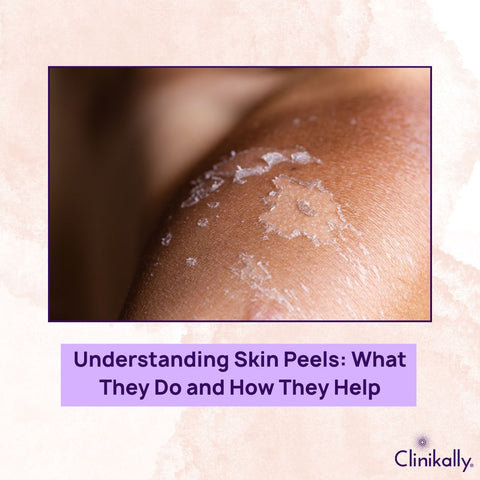
A skin peel, also known as a chemical peel, is a dermatological procedure that utilizes exfoliating acids to break down the bonds that hold dead skin cells together, allowing them to shed. As a result, newer, smoother skin appears underneath. Peel strength and depth are determined by the type and concentration of acid applied. The three primary classifications are superficial peels, medium peels, and deep peels.
The Science Behind Chemical Peels: A Closer Look at Skin Renewal
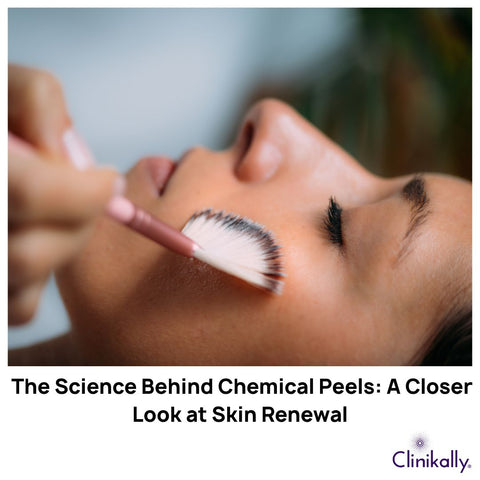
A chemical peel is a skin resurfacing treatment that exfoliates the top layers of the skin using a carefully selected acid solution (such as glycolic, salicylic, lactic, or TCA). By eliminating dead skin cells, the peel promotes smoother texture, improves tone, unclogs pores, and increases collagen formation. Peels can vary in intensity:
-
Superficial peels: Gentle exfoliation with mild acids (such as alpha-hydroxy acids); minimal downtime.
-
Medium peels: Dig deeper to address fine lines, pigmentation, and rough texture.
-
Deep peels: More intense; treat severe wrinkles and sun damage with significant downtime.
How Exfoliation Supports Skin Turnover and Texture
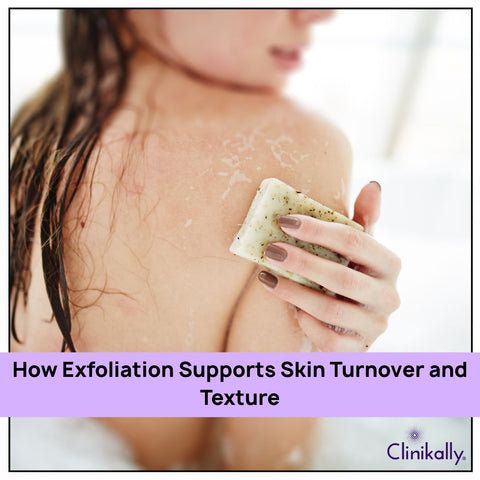
Exfoliation is the process of eliminating dead skin cells from the surface layer of your skin to reveal fresher, younger skin beneath. There are two methods of exfoliation: physical (using scrubs or tools to manually remove dead cells) and chemical (using acids such as AHAs, BHAs, and PHAs to dissolve the bonds between dead skin cells for a more even, regulated renewal). Exfoliation increases natural cell turnover by stimulating the shedding of dead cells that have accumulated. This leads to the following:
-
Faster renewal: By removing old cells, exfoliation encourages your skin to produce new ones, allowing you to look younger.
-
Brighter, smoother skin: Removing the dull outer layer improves light reflection and gives the skin a healthy "glow." It also smoothes rough patches and uneven textures.
-
Unclogged pores: Exfoliation, particularly with salicylic acid (a BHA), helps to prevent and treat breakouts by keeping pores clean of debris, oil, and dead cells.
-
Improved product absorption: Without the barrier of dead cells, your serums and moisturizers will penetrate better, making your routine more efficient.
-
Better makeup application: Exfoliated skin has a more refined surface, allowing makeup to glide on smoothly and stay in place longer.
Types of Peels: Superficial vs. Medium vs. Deep
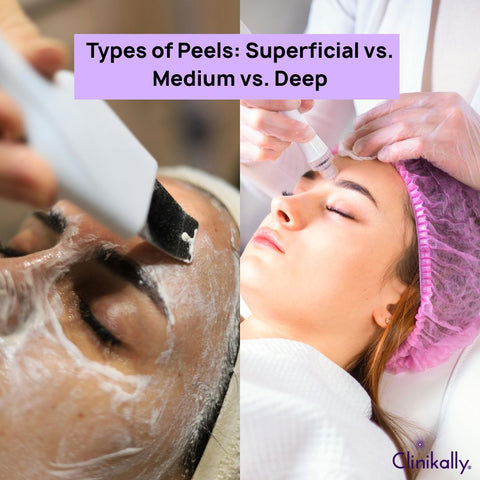
Chemical peels come in a variety of strengths, and selecting the appropriate one might make all the difference in your results. Understanding the differences between superficial, medium, and deep peels is essential for obtaining radiant, healthy skin, whether you're looking to treat acne, pigmentation, fine lines, or dullness.
-
Superficial peels: Superficial (or light) peels scrape the skin's outermost layer (the epidermis). They aid with slight discolouration, rough texture, and general dullness. For sensitive skin, common ingredients include alpha hydroxy acids (AHAs) such as glycolic, lactic, and mandelic acid, as well as beta hydroxy acids (BHAs) such as salicylic acid and polyhydroxy acids (PHAs). Best for minor acne or congestion, uneven skin tone, dry or flaky skin, and maintaining a healthy glow. Slight redness or flaking may occur for 1-3 days. The frequency can be repeated every two to four weeks.
-
Medium peels: Medium-depth peels penetrate the epidermis and higher dermis to address more advanced skin concerns such as wrinkles, hyperpigmentation, and acne scars. Common components include TCA (20-35%), Jessner's Solution, and stronger glycolic acid formulations. Ideal for sun damage and age spots, fine lines and wrinkles, minor acne scars, melasma, and uneven texture or tone. Moderate peeling and redness lasting 5-7 days. Some people may experience edema or sensitivity. For best results, frequencies are usually spaced 3-6 months apart.
-
Deep peels: Deep peels reach the lower dermis and produce the most dramatic results, resurfacing the skin while triggering deep collagen remodeling. Common components include phenol and high-concentration TCA (>50%). Best for deep wrinkles and creases, significant sun damage, visible texture defects, and precancerous growths (in some circumstances). Significant peeling, redness, and swelling for 10-14 days, followed by months of skin regeneration. It is frequently necessary to use a sedative or general anesthesia. Frequency is often performed once in a lifetime due to its intensity.
Key Indicators That It's Time for a Face Peel
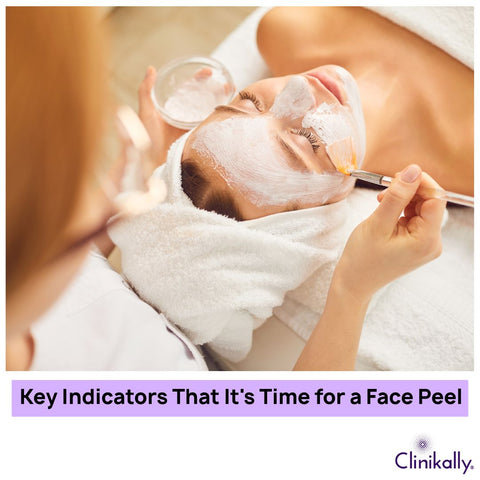
The top indicators that your skin is prepared for a face peel are:
-
Skin appears dull or tired: If your complexion has lost its radiance and appears flat or grayish, dead skin buildup could be the cause. A face peel eliminates the top layer of dead cells, rapidly restoring shine and brightness.
-
Treating persistent acne or blocked pores: Persistent breakouts, blackheads, or congested skin are common indicators of clogged pores and excess oil. Chemical peels containing salicylic or mandelic acid scrape deep within the pore lining, alleviate irritation, and regulate sebum production.
-
Uneven skin tone or dark patches are persistent: Discoloration, whether caused by sun exposure, acne scars, or hormonal fluctuations, can be difficult to treat using creams alone. Peels extract pigment from deeper skin layers, making them suitable for treating melasma, post-inflammatory hyperpigmentation, and sun spots.
-
Notice fine lines or early symptoms of aging: If you've noticed fine wrinkles, crepiness, or loss of firmness, a medium-strength peel can stimulate collagen formation and smooth out early symptoms of aging, particularly around the eyes, mouth, and forehead.
-
Texture feels rough or uneven: Dry patches, bumpy skin, or uneven foundation application may indicate that your skin is not regenerating properly. A chemical peel softly resurfaces the skin, revealing a silkier, smoother texture.
-
Products aren't performing as well as they used to: If your serums and creams appear less effective, it could be because of a buildup that prevents appropriate absorption. A peel removes surface impurities, allowing active substances to enter deeper and perform more effectively.
-
Refresh skin before a big event: Peels can offer your skin a renewed, polished appearance, making them a popular choice for weddings, parties, or picture sessions (just book it 7-10 days in advance, depending on peel strength).
-
Hit a skincare plateau: Even the best routine might benefit from a reset. If your skin hasn't improved or worsened despite continuous care, a chemical peel can help restart your progress.
-
Prepare for a seasonal skin refresh: Weather, humidity, and sun exposure all influence your skin's demands. A mild peel can help your skin transition between seasons by removing buildup and restoring balance.
Persistent Dullness and Lack of Radiance
If your skin appears dull despite your best efforts, it might be time to look beyond the surface. A chemical peel can act as a reset button for your skin, delivering a brighter, smoother, and more radiant complexion in only a few days. Consult a skincare specialist to establish the optimal type and frequency for your skin's needs, and be ready to glow from the inside out.
Visible Fine Lines or Wrinkles That Won’t Fade
If visible fine lines and wrinkles do not fade despite your best efforts, it may be time to consider more advanced solutions. A chemical peel does more than just treat the skin's surface; it promotes internal restoration, rebuilding, and rejuvenation. Peels, when done under the direction of a specialist, can help you achieve smoother, firmer skin and reduce the affects of aging.
Uneven Skin Tone or Hyperpigmentation
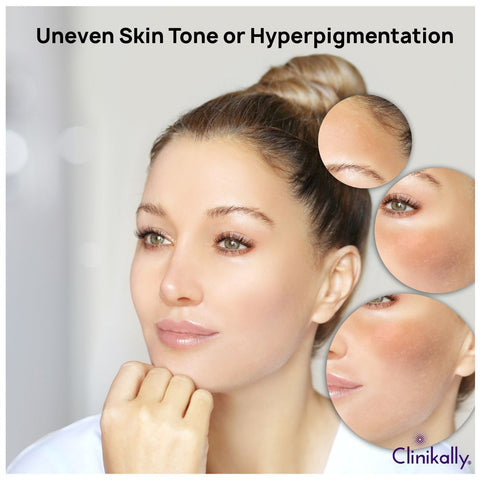
Hyperpigmentation is a disorder in which skin regions look darker than the surrounding areas due to increased melanin production. It can affect any skin type and is caused by a variety of factors, including sun damage (sunspots or age spots), post-acne markings (PIH), melasma (hormonal pigmentation), skin injuries or inflammation, and a reaction to harsh chemicals or burns. Even with a rigorous skincare regimen, color can remain in deeper skin layers, making it difficult to fade with topical treatments alone.
Chemical peels reduce pigmentation by removing the outer layers of skin that contain excess melanin. They also prevent the production of new dark spots and assist your skin in regenerating fresh, equally toned cells. Key benefits:
-
Lift the surface pigment to reduce discoloration.
-
Stimulate cell turnover to accelerate the fading of dark spots.
-
Improve product absorption, allowing brightening agents like vitamin C and niacinamide to work more effectively.
-
Smooth skin texture, resulting in a more uniform appearance.
Breakout Scars and Stubborn Blemishes
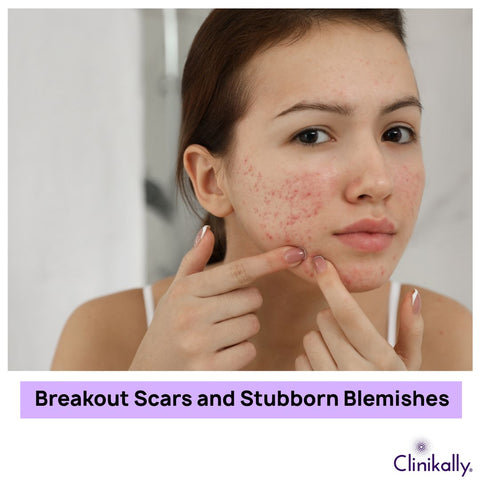
Even after your breakouts have faded, the marks they leave might last for months, if not years. Whether you have post-acne discolouration, textural inconsistencies, or red markings, these tenacious blemishes can make your skin look uneven and lifeless. If topical treatments aren't producing results, consider chemical peels, a science-backed alternative for smoother, clearer skin. There are two primary forms of post-acne marks:
-
Post-inflammatory hyperpigmentation (PIH): Flat brown or dark areas remaining after a pimple heals; more common in medium to darker skin tones; caused by inflammation generating extra melanin.
-
Post-inflammatory erythema (PIE): Pink or red markings (common in fair skin). Caused by damaged capillaries and persistent inflammation. Deeper acne can also cause textural scars such as icepick, boxcar, or rolling scars, which require more intense resurfacing treatments.
-
Scars linger: Scars linger because inflammation harms pigment cells and collagen. As we age, skin renewal decreases, causing markings to erase more slowly. Improper extraction or picking increases pigmentation or scarring. Overuse of harsh products can aggravate discomfort and delay recovery. Even with excellent skincare, these markings may take 3-12 months to vanish, unless you intentionally speed up the process.
Flaky Patches or Rough Skin Texture
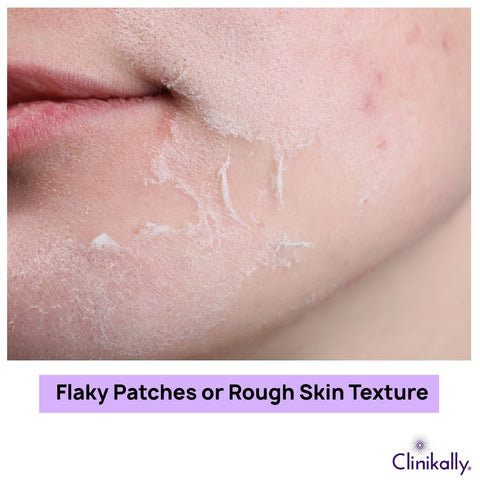
Is your skin feeling dry, rough, or uneven, regardless of how much you moisturize? Flaky spots and rough texture indicate that your skin's natural exfoliation process is not operating properly, resulting in buildup, clogged pores, and a dull, uneven finish. If creams and washes aren't working, it might be time to try a chemical peel, a professional-grade treatment that promotes deeper skin renewal and reveals the soft skin beneath. Several factors can contribute to dry, textured skin:
-
The accumulation of dead skin cells that have not shed properly.
-
Dehydration, causes surface dryness and tightness.
-
Climate change, particularly cold or dry weather.
-
Over-cleansing or harsh products can harm the skin barrier.
-
Aging slows down cell turnover and natural exfoliation.
-
Chronic skin conditions such as eczema, keratosis pilaris, or mild psoriasis.
Decreased Product Absorption
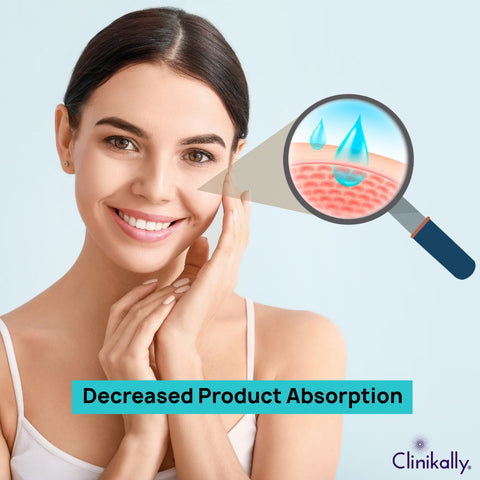
Desquamation is the natural process by which the skin loses dead cells; however, with age, stress, environmental damage, and inappropriate washing, this cycle decreases. As a result:
-
Dead cells accumulate and thicken the outer layer (stratum corneum).
-
Skin looks dull, dry, or textured.
-
Active ingredients cannot penetrate through the buildup.
-
Serums and moisturizers sit on top of the skin, rather than sinking in.
This leads to wasted product and disappointing outcomes, regardless of how expensive your skincare is. Chemical peels exfoliate the skin chemically rather than physically, breaking down the connections between dead cells and removing the topmost layer. This:
-
Clears surface buildup. Removes the barrier that is preventing your skincare from working
-
Improves the skin barrier: Creates a smoother surface for even, efficient absorption.
-
Prepares the skin for the active substances. Enables vitamin C, retinoids, peptides, and hyaluronic acid to penetrate deeper layers.
-
Improves treatment outcomes: Peeling your skin can improve the outcomes of facials, microneedling, or at-home actives.
Tailoring Your Face Peel Journey: At-Home or Professional?

Chemical peels for home use are designed to be gentler and safer for repeated use. They're ideal for keeping your glow in between professional sessions or if you're new to exfoliation.
Pros include ease of use and low cost, little to no downtime, excellent skin maintenance, and suitability for minor issues, including dullness, mild congestion, and surface discoloration.
Best for beginners or those with sensitive skin, it manages oiliness and breakouts while also lightening dull, uneven skin and providing weekly or biweekly glow boosts.
The most common ingredients for homemade peels:
-
Lactic acid is gentle, hydrating, and ideal for dry skin.
-
Mandelic acid is mild, anti-inflammatory, and safe for deeper skin tones.
-
Glycolic acid (5-10%) brightens and smoothes.
-
Salicylic acid (BHA) treats clogged pores and blemishes.
Professional Peels:
Licensed dermatologists, aestheticians, or cosmetic physicians use higher-concentration solutions to perform chemical peels in their offices. These peels are more successful at targeting deeper skin layers and addressing complex issues.
-
Pros are personalized to your skin type and issue, provide stronger, faster results, can address deeper pigmentation, scars, fine wrinkles, and texture, and are professionally supervised for safety and efficacy.
-
Best for stubborn hyperpigmentation or melasma, acne scars and enlarged pores, aging problems (fine lines, sagging, rough texture), and professional skin prep before laser, microneedling, or major events.
-
Common professional peel types are jessner's. Peel is effective in treating acne, scarring, and discolouration. TCA peel (10-35%) is a deeper treatment for texture, pigmentation, and aging. Medium to deep glycolic peels provide significant exfoliation and collagen increase. Customized peels for layered problems
When to Choose a Professional Peel Over DIY Options

At-home peels are handy and effective for maintenance, but some skin issues necessitate more than an over-the-counter exfoliation can offer. If you're not seeing results or your problems extend beyond the surface, it may be time to upgrade to a professional chemical peel. The primary indicators that it is time to delegate authority to an expert.
-
Dealing with severe hyperpigmentation or melasma: Over-the-counter peels might help reduce minor discolouration, but if you have stubborn sun spots, melasma patches, or old post-inflammatory hyperpigmentation. You require a more potent, carefully managed composition. A dermatologist can adjust the acid strength, layering, and depth to safely lift pigment without hurting the skin—especially for darker skin tones, which are more prone to post-peel pigmentation disorders.
-
Acne scars and uneven texture: Textural acne scars (such as rolling or boxcar varieties) penetrate deeper into the dermis and frequently require medium to deep peels – considerably stronger than any at-home acid. A professional peel can stimulate collagen synthesis and improve surface imperfections. It can be combined with microneedling, lasers, or other in-office treatments.
-
You're not getting results with your present routine: If you've used glycolic toners, weekly AHA masks, and brightening serums. If your skin still appears dull, congested, or uneven, a professional peel may help you break through the plateau. In-office treatments penetrate deeper layers and restart your skin's renewal cycle, allowing your products to perform better afterward.
-
Preparing for a big event: Want a photo-ready glow for a wedding, photoshoot, or major event? A series of expertly timed mild or medium peels can brighten your skin, even out the tone, smooth the texture, and make makeup adhere smoothly. Professionals can also schedule treatments so that peeling is minimized or eliminated before your big day.
-
Bad reactions to at-home peels: Bad reactions to at-home peels include redness, rawness, sensitization, uncontrollable peeling, dehydration, or patchiness. It's time to give up on DIY therapies and seek expert help. They can analyze your skin barrier health, prescribe repair-focused treatments, and resume exfoliation in safer, gradual steps.
-
Unsure what your skin needs: Chemical exfoliation does not have a universal application. If you're not sure which acid to use, how often to use it, or if your skin can handle it. A professional consultation can help you save time and money and reduce skin stress. Licensed providers assess your skin and adapt treatments to your specific tone, type, and tolerance.
Pre-Peel and Post-Peel Care: What Your Skin Needs

Preparing your skin creates a clean, calm foundation, allowing the peel to penetrate evenly and reducing the risk of adverse reactions.
1-2 Weeks Prior to Peel:
-
Eliminate retinoids or strong exfoliants: Avoid using retinol, tretinoin, glycolic acid, and salicylic acid. These can oversensitize the skin, increasing the likelihood of post-peel irritation.
-
Hydrate: To strengthen your barrier, use moisturizers containing hyaluronic acid, ceramides, and panthenol.
-
Use sunscreen religiously: SPF 30+ is required every day. Skin damaged by the sun is more sensitive to peels and may become more pigmented after treatment.
-
Steer clear of laser, waxing, and hair removal procedures: To avoid skin trauma, avoid doing these on the face at least five to seven days prior to your peel.
-
No open wounds or active breakouts: Peeling over broken or irritated skin can exacerbate irritation and cause scarring.
-
Think about a prep regimen (for deeper peels): To prime the skin and lower the risks of pigmentation after a peel, some providers may recommend a pre-treatment regimen, such as hydroquinone or low-dose acids, particularly for darker skin tones.
Post-peel Care
After your peel, your skin will be more vulnerable and delicate. Think about repairing, protecting, and hydrating.
Immediately after (in the first 24-48 hours):
-
Avoid Touching or Picking: Peeling is natural, but never peel or pick the skin manually.
-
Use a Gentle Cleanser: Choose fragrance-free, non-foaming cleanser that won't disrupt the skin's barrier.
-
Apply a Soothing Moisturizer: Look for products containing aloe, squalane, panthenol, or ceramides. Reapply as needed to avoid tightness and cracking.
-
Skip makeup (if possible): Let your skin breathe and recover for at least 24-72 hours.
-
No exfoliation: Use no acids, scrubs, or active serums; instead, allow the skin to shed naturally.
In the following days (Days 3-7):
-
Expect peeling or flaking: This is normal and varies with the depth of the peel. It can last for 2-7 days.
-
Continue gentle care: Stick to a simple routine of cleansing, hydrating, and protecting.
-
Use a broad-spectrum SPF (daily and diligently): Post-peel skin is photosensitive, and even brief sun exposure can cause hyperpigmentation.
-
Avoid Hot Water, Saunas, or Excessive Sweating: Avoid hot water, saunas, and excessive sweating, as these can irritate the skin and impede the healing process.
Ingredients to Look For: Glycolic, Lactic, and Salicylic Acid
When it comes to chemical exfoliation, a few superstar acids rule the skincare world—and for good reason. Glycolic, lactic, and salicylic acid are three of the most effective and commonly utilized exfoliants in both at-home and professional peels. Here's what distinguishes them—and how to determine which one is best for your skin.
-
Glycolic acid (AHA): It is ideal for treating dullness, fine wrinkles, uneven texture, and sun damage. Glycolic acid, derived from sugarcane, is the smallest and most potent alpha hydroxy acid (AHA) and may penetrate deep into the skin. It removes dead skin cells, improves skin rejuvenation, and increases collagen formation. Skin advantages include smoothing rough, uneven texture, reducing sunspots and hyperpigmentation, minimizing the appearance of small wrinkles and enlarged pores, and increasing shine and luminosity.
-
Lactic acid (AHA): It is ideal for dry, dull, sensitive, or aged skin. Lactic acid is a softer AHA with bigger molecules than glycolic acid, making it less irritating while remaining very efficient. It exfoliates and draws moisture into the skin. Skin benefits include gentle brightening and smoothing without harshness, increased skin hydration and plumpness, reduced appearance of discoloration and rough areas, and suitability for those with dry, sensitive, or rosacea-prone skin.
-
Salicylic acid (BHA): It is ideal for oily, acne-prone, and congested skin. Salicylic acid is a beta hydroxy acid (BHA) generated from willow bark that is oil-soluble, allowing it to penetrate deep into pores and remove excess oil and debris. It also has anti-inflammatory and antibacterial effects. Skin benefits include clearing blackheads and whiteheads, preventing and treating breakouts, reducing pore size and congestion, and calming redness and inflammation.
Your Personalized Peel Plan: When, Why, and What to Expect

A chemical peel is more than simply a one-time treatment; it's a strategic element in your skincare regimen. Whether you're looking to reduce acne scars, dullness, or aging, the appropriate strategy will help you time your treatments, select the ideal peel type, and understand what outcomes to expect. Chemical peels are not a "one size fits all" treatment. A thoughtful, individualized plan offers you:
-
The most appropriate peel for your skin type.
-
Improvements are both predictable and visible.
-
Minimal irritation with safe results.
Whether you begin with gentle at-home exfoliation or commit to a professional peel series, aligning your goals, skin needs, and lifestyle is essential for achieving radiant, long-lasting results.