Best Creams for Hyperpigmentation: Dermatologist Picks
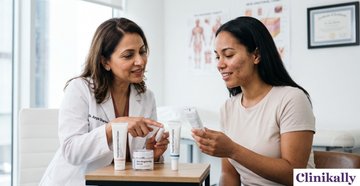
Hyperpigmentation can cause dark spots, patches, and uneven skin tone, often following acne, sun exposure, hormonal changes, or skin inflammation. While some pigmentation gradually fades, persistent discoloration may need targeted treatment.
The best cream for hyperpigmentation depends on its underlying cause. Ingredients such as retinoids, hydroquinone, azelaic acid, glycolic acid, kojic acid, and niacinamide may help improve pigmentation through different mechanisms. However, stronger treatment is not always better, as skin irritation can worsen post inflammatory hyperpigmentation.
In this blog, we discuss commonly used creams for hyperpigmentation, their key ingredients, how to choose a suitable treatment, how to use pigmentation creams safely, and why sun protection is essential for better results..
What Is Hyperpigmentation?
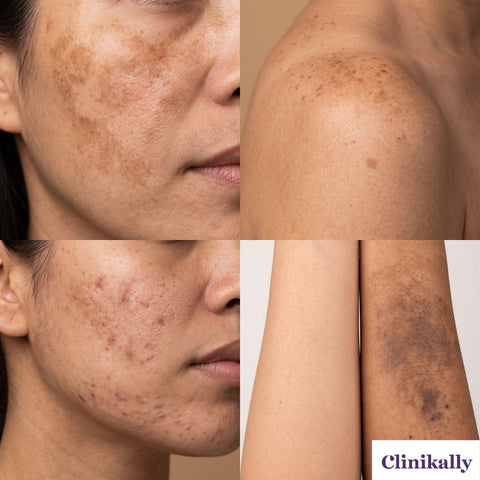
Hyperpigmentation is a common skin concern in which certain areas of the skin become darker than the surrounding skin. Melanin is the natural pigment that gives your skin, hair, and eyes their color. Hyperpigmentation can occur when melanocytes, the cells that produce melanin, produce excess melanin or when more melanin accumulates in certain areas of the skin. It can appear as small dark spots or larger patches. It is usually harmless but can be a noticeable cosmetic concern, particularly when it affects the face.
Hyperpigmentation is a descriptive term rather than a single skin condition. Melasma, post inflammatory hyperpigmentation, and sun induced pigmentation can look different and may require different treatment approaches.
Common Causes of Hyperpigmentation
Hyperpigmentation can develop when the skin produces or retains more melanin in response to different triggers. Some of the most common causes of hyperpigmentation include:
-
Sun Exposure: UV radiation increases melanin production and can worsen dark spots and uneven pigmentation.
-
Post-Inflammatory Hyperpigmentation (PIH): Acne, eczema, burns, and other skin injuries can leave dark spots after healing, especially in darker skin tones.
-
Hormonal Factors: Hormonal influences can contribute to melasma, particularly during pregnancy and in some people using hormonal contraceptives.
-
Skin Irritation or Injury: Picking, harsh products, burns, and some skin procedures can trigger inflammation and pigmentation.
-
Genetic and Skin Type Factors: Genetic susceptibility and darker skin tones can increase the likelihood and persistence of certain forms of hyperpigmentation, particularly post inflammatory hyperpigmentation.
What Type of Hyperpigmentation Do You Have?
Hyperpigmentation can develop from inflammation, hormonal changes, sun exposure, or a combination of factors. Since different types may respond differently to treatment, identifying the type of pigmentation can help you choose appropriate skincare and know when to consult a dermatologist. The most common types include:
-
Post Inflammatory Hyperpigmentation (PIH): Dark marks that develop after acne, inflammation, or skin injury and may be more persistent in darker skin types.
-
Melasma: Symmetrical brown to grayish brown patches, usually on sun exposed areas of the face, influenced by hormonal factors and exposure to ultraviolet and visible light.
-
Sun Related Pigmentation: Dark spots and uneven skin tone that can develop or become more noticeable with cumulative sun exposure. Daily sunscreen helps prevent worsening.
How Do Hyperpigmentation Creams Work?
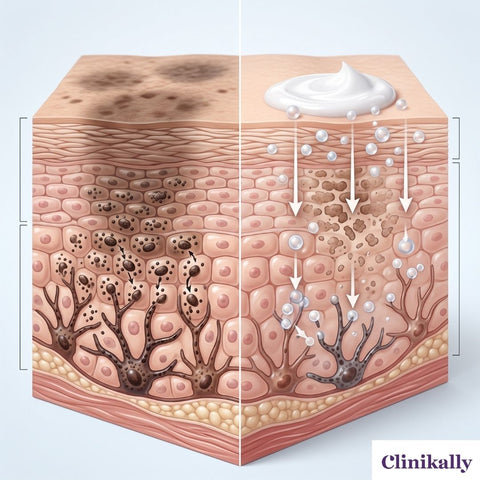
A depigmentation cream can target different processes involved in excess pigmentation. Depending on its ingredients, it may reduce melanin production, limit pigment transfer, increase skin cell turnover, or reduce inflammation. Some of the main ways these creams work include:
-
Reducing Melanin Production: Ingredients such as hydroquinone and some tyrosinase inhibiting agents can reduce melanin synthesis.
-
Reducing Melanin Transfer: Niacinamide may help reduce the transfer of melanin from melanocytes to surrounding skin cells.
-
Promoting Epidermal Turnover: Retinoids can influence epidermal turnover and help improve the appearance of pigmentation over time.
-
Exfoliating the Skin: Alpha hydroxy acids such as glycolic acid promote exfoliation of the outer layers of the skin and can help improve the appearance of uneven pigmentation and skin texture.
-
Reducing Inflammation: Some ingredients may help reduce inflammation associated with post inflammatory pigmentation.
What Ingredients Should You Look for in a Cream for Hyperpigmentation?
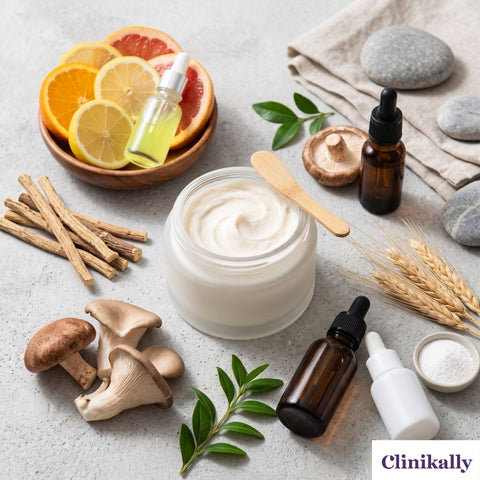
When choosing the best cream for pigmentation, it is important to look for active ingredients that can target excess pigmentation while being suitable for your skin. Since different ingredients work through different pathways, the right choice may depend on the type of pigmentation and your skin's tolerance. Some commonly used ingredients include:
-
Hydroquinone: This is a potent depigmenting agent that reduces melanin production and should be used under medical guidance.
-
Retinoids (Retinol, Tretinoin): These promote skin cell turnover and can help improve hyperpigmentation.
-
Azelaic Acid: It has anti-inflammatory and antimelanogenic properties and may help improve hyperpigmentation. It may be particularly useful when pigmentation occurs alongside acne.
-
Kojic Acid: This inhibits tyrosinase, an enzyme involved in melanin production.
-
Alpha Arbutin: It may inhibit tyrosinase activity and help reduce excess pigmentation.
-
Glycolic Acid: It promotes exfoliation and may help improve the appearance of dark spots and uneven skin tone.
-
Niacinamide (Vitamin B3): It may reduce melanin transfer while supporting the skin barrier.
-
Licorice Root Extract: Some licorice-derived compounds may help reduce melanogenesis and inflammation and are used in cosmetic formulations for pigmentation concerns.
Best Creams for Hyperpigmentation
Finding the best cream for hyperpigmentation can be overwhelming, especially with so many products available on the market. The right choice depends on the type of pigmentation, the active ingredients, and how well the product suits your skin. To make the choice easier, we have listed some commonly used creams for hyperpigmentation recommended by dermatologists:
|
Product |
Key Ingredients |
Benefits |
|
Kojic Acid Dipalmitate, Glycerin |
Helps improve the appearance of dark spots, uneven skin tone, and pigmentation. |
|
|
Glycolic Acid, Kojic Acid Dipalmitate |
Helps exfoliate the skin and improve the appearance of pigmentation and uneven skin tone. |
|
|
Retinol, Kojic Acid |
Helps improve dark spots and uneven skin tone while supporting skin renewal and hydration. |
|
|
Glycolic Acid |
Provides exfoliation that can help improve post-acne marks, dark spots, and uneven skin texture. |
|
|
Hydroquinone, Tretinoin, Fluocinolone Acetonide |
A prescription triple-combination treatment used for melasma under medical supervision. |
|
|
Kojic Acid Dipalmitate, Licorice Extract |
Helps improve the appearance of dark spots and uneven skin tone. |
1. Clinikally Pigment Corrector Cream
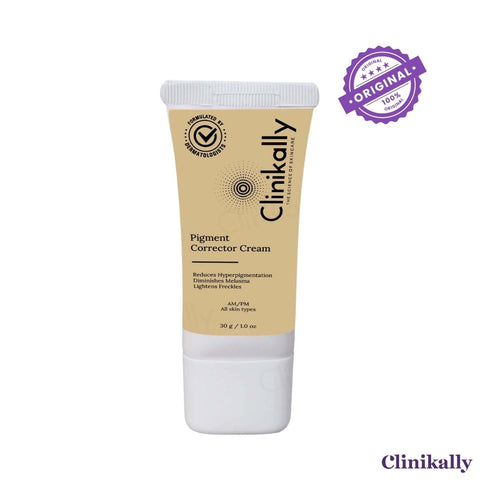
Clinikally Pigment Corrector Cream is designed to help manage visible pigmentation concerns such as dark spots, uneven skin tone, and discoloration. It can be used as part of a targeted skincare routine for improving the appearance of excess pigmentation. Some of its key benefits include:
-
Targets Dark Spots: Helps reduce the appearance of stubborn areas of pigmentation.
-
Evens Skin Tone: Supports a more uniform-looking complexion by addressing uneven pigmentation.
-
Supports a More Even Looking Complexion: Helps improve the appearance of unevenly pigmented areas.
2. Demelan Plus Cream
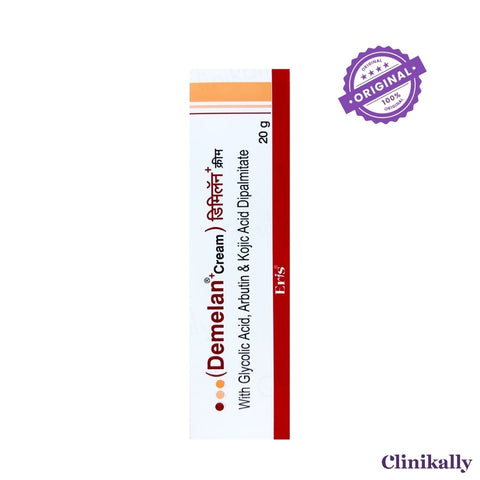
Demelan Plus Cream is formulated for pigmentation concerns such as dark spots, post-acne marks, and uneven skin tone. It combines exfoliating and pigment-targeting actions to support a more even-looking complexion. Here are some of its key benefits:
-
Helps Fade Dark Marks: Supports improvement in the appearance of pigmentation and discoloration.
-
Promotes Skin Renewal: Its exfoliating action helps remove accumulated dead skin cells.
-
Improves Skin Texture: Regular use can help skin feel smoother and more refined.
3. Dermatica Retibright Night Cream
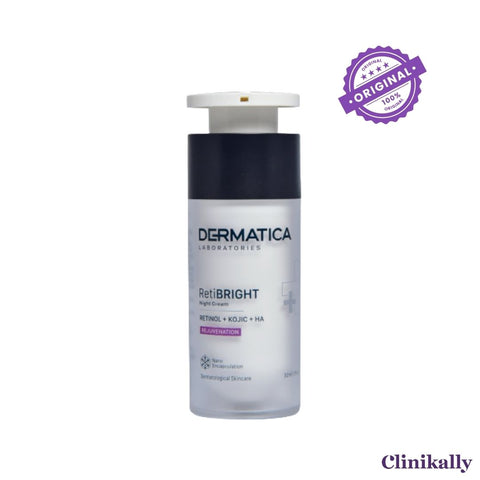
Dermatica Retibright Night Cream is a nighttime treatment designed to address uneven skin tone and visible pigmentation. Its formulation combines pigmentation care with ingredients that support skin renewal and hydration. Some of its key benefits include:
-
Helps Improve Pigmentation: Supports a more even appearance of dark spots and discoloration.
-
Supports Skin Renewal: Helps improve the look and texture of skin through increased cell turnover.
-
Provides Hydration: Helps maintain skin moisture while supporting an active nighttime routine.
4. Glyco-6 Cream
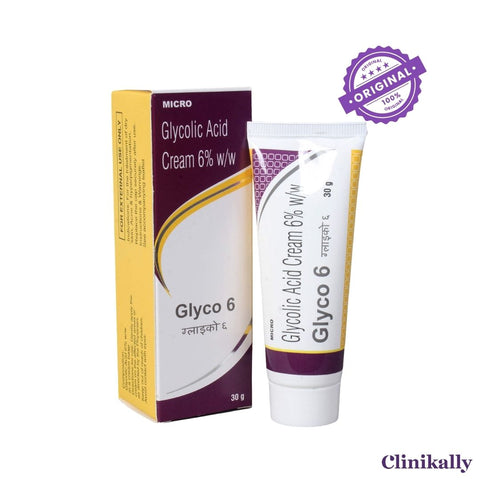
Glyco-6 Cream is an exfoliating treatment formulated for concerns such as dark spots, post-acne marks, and uneven skin texture. It can help improve the appearance of surface pigmentation when used appropriately. Here are some of its key benefits:
-
Exfoliates the Skin: Glycolic acid promotes exfoliation and can help improve uneven skin texture and the appearance of dark marks.
-
Improves Dark Marks: Can help reduce the appearance of post-acne marks and uneven pigmentation.
-
Smooths Skin Texture: Regular exfoliation can make rough or uneven skin feel smoother.
5. Triluma Cream
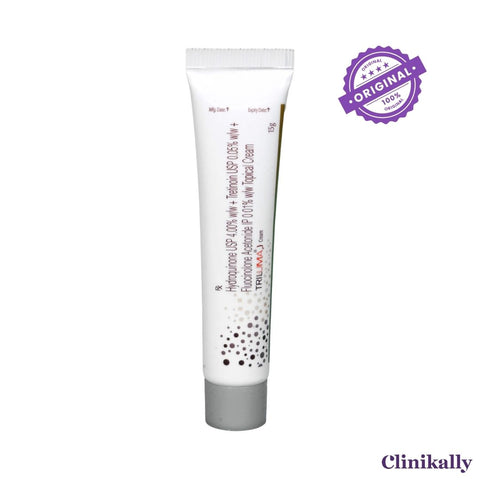
TriLuma Cream is a prescription triple combination containing hydroquinone, tretinoin, and fluocinolone acetonide. It is used for the short term treatment of moderate to severe facial melasma and should be used under the guidance of a dermatologist. Let’s understand what makes it stand out:
-
Targets Facial Melasma: Used specifically for moderate to severe facial melasma.
-
Works Through Multiple Pathways: Its combination addresses melanin production, epidermal turnover, and inflammation.
-
Requires Medical Supervision: Appropriate duration and use should be determined by a dermatologist because the combination can cause local adverse effects.
6. Melaglow Rich Depigmentation & Glow Restoration Cream
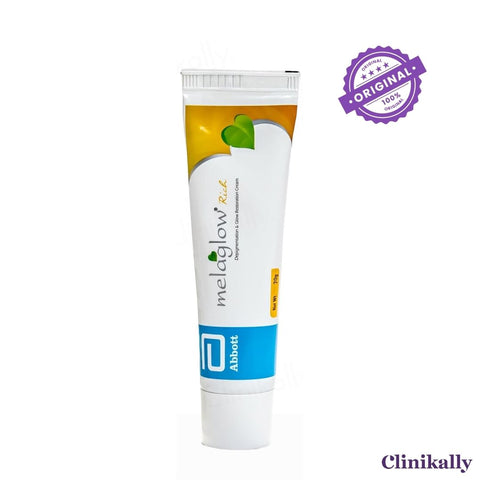
Melaglow Rich Depigmentation & Glow Restoration Cream is designed to address dark spots, hyperpigmentation, and uneven skin tone. It can be included in a targeted routine for improving the overall appearance of pigmented areas. Some of its key benefits include:
-
Helps Reduce Dark Spots: Supports improvement in the appearance of visible pigmentation.
-
Promotes Even Skin Tone: Helps reduce the appearance of unevenly pigmented areas.
-
Supports an Even Looking Complexion: Helps improve the appearance of unevenly pigmented areas.
How to Choose the Best Cream for Hyperpigmentation
Choosing the best anti pigmentation cream depends on the type of pigmentation, your skin type, and how sensitive your skin is. Before adding a treatment to your routine, consider the active ingredients, how often the product should be used, and whether the pigmentation may require professional treatment.
-
Identify the Type of Pigmentation: Melasma, PIH, and sun related pigmentation may require different approaches.
-
Check the Active Ingredients: Choose ingredients with evidence for your specific pigmentation concern.
-
Consider Your Skin Type: Sensitive or easily irritated skin may need a gentler formulation.
-
Avoid Too Many Actives: Combining multiple irritating ingredients can increase inflammation and potentially worsen PIH.
-
Know When to Seek Medical Care: Persistent or severe pigmentation may require prescription treatment or professional evaluation.
How to Use a Hyperpigmentation Cream
Using cream for pigmentation correctly can help you get the intended benefits while reducing the risk of dryness and irritation. Since different products contain different active ingredients and strengths, always follow the directions provided with the product. Here are simple steps to keep in mind:
-
Patch Test First: Test a small amount on a limited area before regular use. Stop if significant redness, burning, itching, or swelling occurs.
-
Cleanse Gently: Wash with a mild cleanser and pat the skin dry. Avoid scrubbing.
-
Apply as Directed: Use the recommended amount and avoid the eyes, lips, and irritated or broken skin.
-
Moisturize: Apply a gentle moisturizer to support the skin barrier and reduce irritation.
-
Use Sunscreen: Apply broad-spectrum SPF 30 or higher every morning to help prevent pigmentation from worsening.
-
Start Gradually: Introduce active treatments slowly if recommended, increasing frequency as your skin tolerates them.
Why Sunscreen Is Essential for Hyperpigmentation
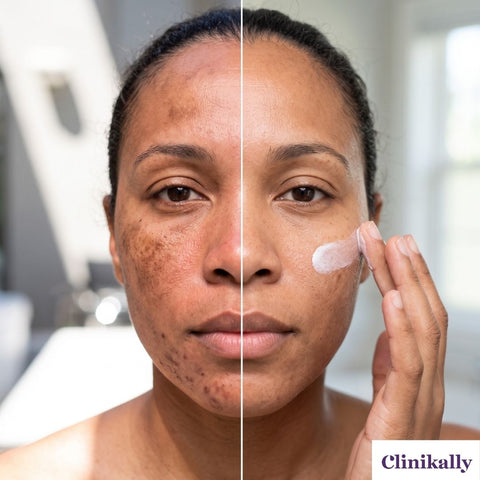
Using the best cream for pigmentation without adequate sun protection can make hyperpigmentation harder to manage. UV exposure can stimulate melanin production and worsen existing pigmentation, making daily sunscreen an important part of any pigmentation treatment routine. To protect your skin and support your treatment, you should:
-
Choose Broad-Spectrum SPF 30 or Higher: Use sunscreen that protects against both UVA and UVB radiation.
-
Consider Tinted Sunscreen for Melasma: Tinted sunscreens containing iron oxides can provide additional protection against visible light, which may worsen melasma.
-
Reapply When Needed: Reapply approximately every two hours during prolonged outdoor exposure and after swimming, heavy sweating, or towel drying.
Mistakes to Avoid When Treating Hyperpigmentation
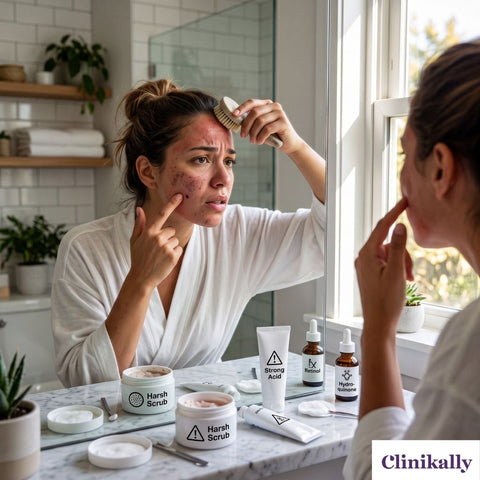
Treating hyperpigmentation requires consistency and patience, as irritation and improper skincare practices can make pigmentation harder to manage. To support better results and avoid common setbacks, keep these mistakes in mind:
-
Over-Exfoliating: Excessive use of acids or retinoids can irritate the skin and potentially worsen PIH.
-
Using Too Many Active Ingredients: Combining multiple acids, retinoids, and other potentially irritating products can increase skin irritation and inflammation, which may worsen PIH.
-
Expecting Immediate Results: Hyperpigmentation can take weeks to months to improve, so consistency is key.
-
Picking at Blemishes: Picking or popping pimples can cause inflammation and increase the risk of PIH.
-
Skipping Sunscreen on Cloudy Days: UV exposure can occur on cloudy days, making daily broad-spectrum sunscreen important.
When Should You See a Dermatologist for Hyperpigmentation?
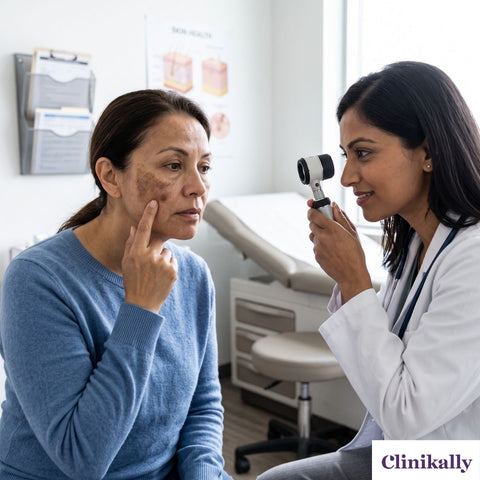
Many cases of hyperpigmentation can be managed with appropriate skincare, but some types may need professional assessment and treatment. Consult a dermatologist if the pigmentation persists, worsens, or shows unusual changes, as they can identify the underlying cause and recommend the most appropriate treatment. Consider seeking medical advice if:
-
Pigmentation Persists: Dark spots do not improve despite consistent treatment.
-
Pigmentation Spreads: Discoloration worsens, spreads quickly, or develops with other skin changes.
-
A Spot Changes: A spot changes in color, shape, size, or starts bleeding, crusting, or itching.
-
You Need Stronger Treatment: A dermatologist can recommend prescription treatments or suitable procedures.
-
Pigmentation Develops Suddenly: New or rapidly developing pigmentation without an obvious cause should be evaluated by a dermatologist.
Final Thoughts
There is no single best cream for hyperpigmentation because the right treatment depends on the cause of pigmentation, the active ingredients, and your skin's tolerance. Ingredients such as hydroquinone, retinoids, azelaic acid, glycolic acid, kojic acid, and niacinamide may help with different pigmentation concerns, but their suitability varies.
For better results, use pigmentation treatments consistently, avoid unnecessary irritation, and apply broad spectrum sunscreen every day. If pigmentation is persistent, recurrent, rapidly changing, or not responding to skincare, a dermatologist can help identify the cause and recommend an appropriate treatment plan.