How Glass Skin Masks Can Boost Skin Hydration
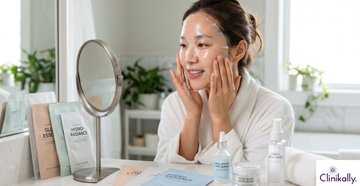
Chasing that glass skin glow has totally changed how people think about skincare. You know the look- skin that’s so smooth, fresh, and dewy you swear it’s lit from within. One of the best ways to get there? Glass skin masks. These aren’t your average face masks; they’re loaded with hydrating heavy-hitters like hyaluronic acid, collagen, niacinamide, and plant extracts. They flood your skin with moisture, help it bounce back, and give you that real, healthy shine. Use them once a week or make them a regular part of your K-beauty lineup- either way, they tackle dryness, rough patches, and dullness fast. By strengthening your skin barrier and delivering a hit of hydration, these masks help your complexion look plump, clear, and straight-up radiant.
What is Glass Skin?
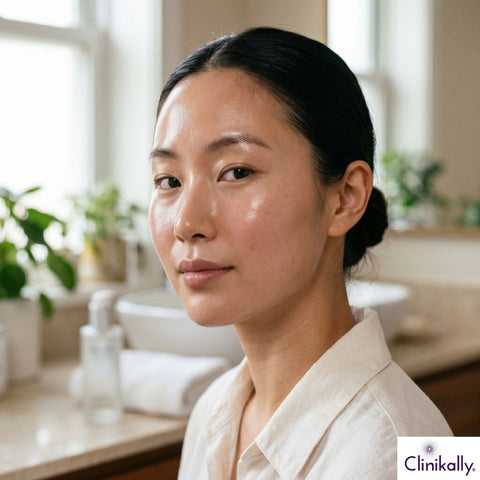
Glass skin isn’t just about chasing a fleeting Instagram trend or piling on foundation. It’s about real, healthy skin that glows naturally- smooth, clear, and so hydrated it almost looks reflective. Getting there takes some consistency. The secret? Don’t skip the basics: keep your skin barrier strong, boost your moisture levels, and stick with gentle ingredients like hyaluronic acid, niacinamide, ceramides, and soft exfoliants. When your skin’s well-fed and balanced, it looks fuller and brighter- there’s just no faking that. The whole approach comes straight from K-beauty: lightweight layers, hydration on hydration, and long-term skin health over quick fixes. Once you get what glass skin really means, you stop worrying about looking overly polished or fake. Instead, you focus on that naturally glowy, smooth, healthy look.
Benefits of Glass Skin
The Korean glass skin look is defined by a deep-down hydration and plumpness- skin that looks juicy, not greasy. To get there, you need to pile on moisture, smooth out texture, and lock in that natural shine. That means layering up with things like hyaluronic acid serums, featherweight moisturizers, and essence formulas that really sink in. When your skin barrier’s in good shape, it holds onto hydration better, which makes your face look fuller and more luminous- no heavy makeup needed.
But there’s more to it than just hydration. An even skin tone and a smooth surface are key. Gentle exfoliation (think mild acids, not harsh scrubs), brighteners like niacinamide and vitamin C, and barrier boosters like ceramides all help fade dullness and rough spots. This combo lets light bounce evenly off your skin, giving you that famous lit-from-within glow. Sticking with a skincare routine focused on moisture and renewal keeps your skin soft, clear, and radiant- like you just woke up from the world’s best nap.
The Science Behind Glass Skin
The secret sauce for that dewy glow? It starts with a healthy skin barrier- the layer that keeps all the good stuff in and the bad stuff out. When your barrier’s solid, it stops water from escaping and keeps your skin hydrated. Ingredients like ceramides, hyaluronic acid, glycerin, and panthenol are absolute game-changers here; they draw moisture in and help your skin hang onto it. The result? Skin that’s plump, smooth, and yes, radiant.
Exfoliation matters, too, if you want your skin to really glow. Gently sweeping away dead skin with AHAs, BHAs, or PHAs lets fresher, brighter skin shine through. It also makes your skin’s surface smoother, so light reflects better- no more dull, rough patches. When you combine gentle exfoliation with hydrating and barrier-strengthening products, you end up with skin that looks clearer, healthier, and basically impossible to ignore.
Glass Skin vs. Oily Shine
Here’s the thing about glass skin- don’t confuse it with just looking shiny. That fresh, dewy finish isn’t about oil or grease; it’s about perfect balance. Glass skin means your face is hydrated, your barrier’s happy, and your texture’s smooth, while oily shine is usually just excess sebum and clogged pores. Stick with lightweight hydration, gentle exfoliation, and the right routine, and you’ll get that bright, healthy glow- never greasy, always fresh.
Key Differences Between Glass Skin Glow and Oily Shine are:
-
Glass skin relies on deep skin hydration from ingredients like hyaluronic acid, glycerin, and ceramides, which attract and retain moisture. Oily shine, on the other hand, results from overactive sebaceous glands producing excess oil, often leaving the skin looking greasy rather than radiant.
-
A true glass skin effect comes from refined skin texture and consistent gentle exfoliation using AHAs, BHAs, or PHAs. These ingredients remove dead skin cells and promote skin renewal, while oily shine is frequently linked to buildup, clogged pores, and uneven texture.
-
Lightweight hydrating skincare products- such as essences, gel moisturizers, and hydrating serums- help maintain a healthy glow without heaviness. Thick creams or overly occlusive formulas can trap oil and lead to unwanted shine, especially for combination or oily skin types.
-
Maintaining a strong skin barrier with ingredients like niacinamide, ceramides, and panthenol helps regulate moisture and oil production. Ironically, dehydrated skin can produce more oil, which leads to shine rather than the balanced dewy glow associated with glass skin.
-
Instead of relying only on oil-absorbing products, a balanced skincare routine for glowing skin focuses on hydration, mild exfoliation, and barrier repair. This approach supports clear, radiant skin while preventing excess sebum buildup.
In essence, the difference between glass skin and oily shine lies in balance. A glowing complexion is created through proper hydration, skin barrier care, and consistent exfoliation, not excess oil. By choosing the right hydrating skincare ingredients and maintaining a balanced routine, you can achieve a luminous, healthy glow that looks fresh, smooth, and naturally radiant- never greasy.
Best Ingredients for Glass Skin Masks
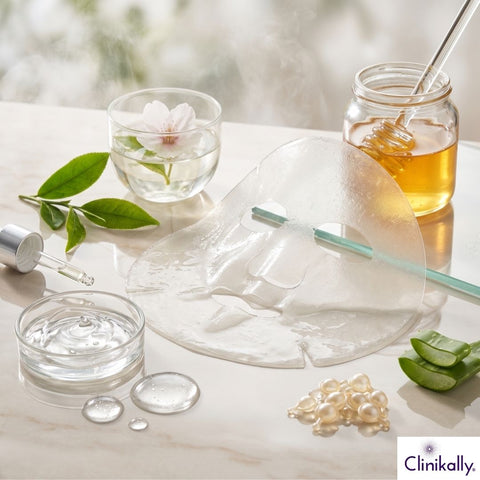
If you want that glass skin glow, you have to start with deep hydration. It’s really the secret behind smooth, radiant skin. Glass skin masks pack a punch with ingredients like hyaluronic acid, niacinamide, ceramides, collagen, and plant extracts. These aren’t just fancy names- they flood your skin with moisture, strengthen your skin’s barrier, and bring out a natural, dewy shine. You’ll notice your skin feels plumper, looks more refreshed, and has that healthy, luminous finish. Especially if you deal with dryness, dullness, or uneven texture, these masks make a real difference. When you use them regularly, they keep your skin hydrated for the long haul, giving you that smooth, light-catching look everyone wants.
Hydration Ingredients
The key players in long-lasting hydration are ingredients like hyaluronic acid, glycerin, and panthenol. They draw moisture in, lock it down, and keep your skin feeling soft and bouncy. These ingredients strengthen your skin barrier and smooth out rough patches, so your skin glows. Whether you find them in serums, moisturizers, or masks, they work together to keep your skin fresh, smooth, and luminous all day.
-
Hyaluronic acid is a powerful humectant that can hold up to 1,000 times its weight in water. It draws moisture into the skin, improving skin plumping, reducing the appearance of fine lines, and promoting a visibly smooth, hydrated complexion.
-
Glycerin attracts water from the environment and deeper skin layers, helping maintain consistent skin hydration levels. It supports a healthy skin barrier, prevents dryness, and enhances overall skin softness and elasticity.
-
Panthenol is known for its soothing and skin-repairing properties. It strengthens the moisture barrier, reduces irritation, and improves skin smoothness, making it ideal for sensitive or dehydrated skin.
Together, these ingredients help boost moisture retention, giving the skin a fuller, healthier appearance. Consistent use supports plump, glowing skin with improved texture and natural luminosity. These ingredients provide non-greasy hydration, making them suitable for dry, oily, and combination skin while helping maintain a balanced, refreshed complexion. Incorporating hyaluronic acid, glycerin, and panthenol into your daily hydrating skincare routine can significantly improve moisture balance and skin resilience. By strengthening the skin barrier and supporting long-term hydration, these ingredients help maintain a naturally plump, smooth, and radiant complexion that reflects healthy, well-nourished skin. Peltos Hyaluronic Acid Sleep Mask and Cosderma Hyaluronic Acid Jelly Mask are excellent recommendations in hyaluronic acid masks. Apart from that, hyaluronic acid serums and hyaluronic rich moisturizers can also be used.
Barrier Repair Ingredients
But hydration isn’t enough if your skin barrier isn’t strong. That’s where ceramides, squalane, and oat extract come in. They help rebuild your barrier, lock in moisture, and calm your skin at the same time. The result? Softer, healthier skin that stays hydrated and looks naturally radiant. Add them to your daily routine- whether in a moisturizer, serum, or mask- and you’ll notice less dryness and more of that supple, dewy glow.
-
Ceramides are essential lipids naturally found in the skin that help maintain a strong moisture barrier. They prevent transepidermal water loss (TEWL), improve skin hydration, and restore smooth, resilient skin.
-
Squalane is a non-comedogenic skin-conditioning oil that mimics the skin’s natural lipids. It provides deep moisture retention, enhances skin softness, and supports a balanced, healthy glow without clogging pores.
-
Colloidal oat and oat-derived extracts contain antioxidants and anti-inflammatory compounds that calm irritation, reduce redness, and strengthen the skin barrier, making them ideal for sensitive and dry skin.
Together, these ingredients help repair dryness, refine skin texture, and create a smoother surface that reflects light more evenly, contributing to a naturally radiant complexion. By reinforcing the protective layer of the skin, these barrier-building ingredients help lock in moisture, keeping the skin soft, hydrated, and healthy-looking throughout the day. Incorporating ceramides, squalane, and oat-based skincare ingredients into a consistent hydrating skincare routine helps maintain a resilient skin barrier while promoting long-term comfort and smoothness. Their combined benefits support stronger, well-moisturized skin that looks calm, balanced, and naturally luminous. Hydracoat Moisturizing Cream For Normal To Dry Skin and Biosilk Moisturizing Lotion contain the goodness of these 3 ingredients.
Soothing Ingredients
Sometimes, skin just needs a little extra help calming down and clearing up. Ingredients like centella asiatica, niacinamide, and snail mucin do the trick. They soothe irritation, reduce redness, and make your skin stronger, so you get that clear, luminous look. These ingredients help repair your skin and even out its texture. Use them regularly in serums, essences, or masks, and your skin will look healthier- smooth, hydrated, and naturally glowing.
-
Known for its calming properties, Centella asiatica helps reduce redness, support skin healing, and strengthen the skin barrier, making it beneficial for sensitive or irritated skin.
-
Niacinamide (Vitamin B3) helps improve uneven skin tone, minimize the look of pores, and regulate excess oil while boosting overall skin brightness.
-
Snail mucin delivers intense skin hydration, supports skin regeneration, and improves skin elasticity, helping the complexion appear plump and smooth.
When you bring together ingredients like centella asiatica, niacinamide, and snail mucin, you get smoother skin texture, less dullness, and a brighter, clearer complexion. They help reinforce your skin’s natural barrier, so hydration lasts longer and your skin stays strong. Adding these into your routine keeps things calm, boosts clarity, and gives your skin that healthy, natural glow.
Gentle Exfoliants
To really get smooth, glassy skin, you can’t skip gentle exfoliation. Something like PHA (polyhydroxy acids) is perfect- it sweeps away dead skin cells but is gentle enough to keep your skin hydrated. PHAs work gradually, so you don’t have to worry about irritation or dryness. Use them as part of your routine, and your skin will look brighter and more even- plus, you’ll get that smooth surface that reflects light beautifully.
-
Polyhydroxy acids (PHAs) exfoliate the skin’s surface while attracting moisture, helping improve skin smoothness and maintain healthy hydration levels.
-
PHAs work slowly due to their larger molecular size, making them suitable for sensitive skin and helping reduce roughness, dullness, and uneven skin texture.
-
Gentle exfoliating acids help remove buildup while preserving the moisture barrier, preventing excessive dryness or irritation.
-
Regular use encourages skin cell turnover, revealing fresher skin and improving the appearance of uneven tone and dull complexion.
-
By clearing dead skin cells, mild acids allow hydrating serums and moisturizers to penetrate more effectively.
Incorporating PHA-based exfoliants such as Minimalist 3% Polyhydroxy Acid (PHA) Face Toner and mild acids into your skincare routine helps refine the skin’s surface while maintaining hydration and barrier balance. This gentle approach supports smoother skin texture, improved brightness, and a healthy radiant glow without the risk of over-stripping the skin.
How to Use Glass Skin Masks
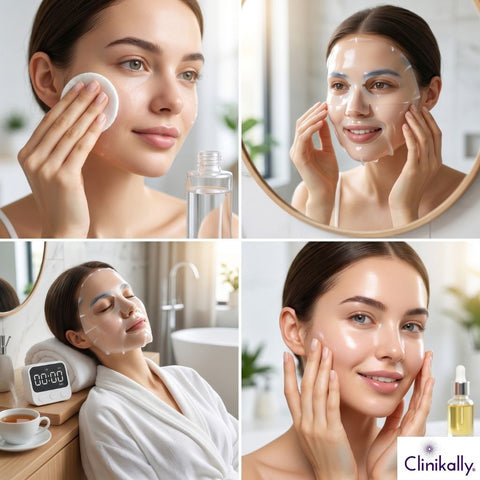
Getting the most out of glass skin masks really comes down to how you use them. These masks are loaded with hydrating ingredients that strengthen your skin and boost its glow. Stick to a consistent routine, and you’ll see better moisture retention and a clearer, plumper look. Just follow a simple step-by-step process and your skin will soak up all the benefits, staying balanced and healthy-looking.
-
Cleanse your face with a mild facial cleanser like Needly Mild Cleansing Gel to remove dirt, excess oil, and makeup, creating a clean base for better skincare absorption.
-
Use a hydrating toner or essence such as Klairs Supple Preparation Facial Toner or Mixsoon Soondy Centella Asiatica Essence to balance the skin’s pH and prep the skin for deeper moisture penetration.
-
Apply a hydrating face mask or sheet mask infused with ingredients like hyaluronic acid, niacinamide, or ceramides to boost skin hydration and improve texture. Rovectin Dr. Mask Aqua Hydrating Sheet Mask is an excellent recommendation.
-
Leave the mask on for the recommended time so the skin can fully absorb the nourishing skincare ingredients.
-
After removing the mask, gently massage any remaining serum into the skin to enhance skin plumping and moisture retention.
-
Finish with a lightweight moisturizer such as Pilgrim Korean Rice Water Hydra Glow Light Gel Cream Moisturizer to lock in hydration and support the skin barrier for long-lasting glow.
Incorporating glass skin masks into your weekly hydrating skincare routine helps maintain smooth texture, balanced moisture, and visible radiance. With consistent use and proper application, these masks support healthier glowing skin that looks fresh, plump, and naturally luminous. Lets understand the importance of these steps below.
Preparing the Skin
Start things off right with a gentle cleanse. You want to clear away dirt, oil, and whatever else your skin picked up during the day, but without stripping away moisture. Go for a mild, sulfate-free cleanser- it gets the job done while keeping your skin barrier happy. Clean skin means fewer clogged pores and better absorption of the good stuff in your next steps. This sets the stage so your hydrating masks and treatments can really deliver that glow.
After cleansing, don’t skip a light layer of hydration. A toner, essence, or lightweight serum with ingredients like hyaluronic acid, glycerin, or panthenol softens your skin and starts replenishing moisture right away. That way, your skin’s primed and ready to soak up every last drop from your hydrating mask. This step improves moisture retention, supports the skin barrier, and enhances the absorption of nourishing mask formulas. When the skin is lightly hydrated beforehand, it becomes more receptive to treatment products, helping promote plump, smooth, and glowing skin with better hydration and long-lasting luminosity.
Post-Mask Routine
Once you take off a hydrating face mask, layering on a few lightweight products really helps lock in all that moisture and keeps your skin barrier happy. Start with a hydrating toner or essence- this step gives your skin a fresh boost of hydration and helps the next products sink in better. If you can, reach for formulas with hyaluronic acid, glycerin, or niacinamide. They’re great for plumping up the skin, smoothing out texture, and giving you that dewy, healthy look.
Next, go for a light moisturizer to seal in everything and make sure your skin stays soft and balanced. If your skin needs a bit more love, add a thin layer of something occlusive, like squalane or a barrier-repair cream. This extra step keeps water from escaping and helps your skin stay hydrated and smooth, with a natural glow that lasts.
How Often to Use Masks
If you’ve got dry or dehydrated skin, using a glass skin mask two or three times a week really boosts hydration, strengthens your barrier, and smooths out your skin. If your skin’s more on the normal or combination side, once or twice a week is enough to keep that moisture balanced and promote glow.
Seasonal changes also influence how often you should use hydrating skincare treatments. In winter, when everything feels drier, you’ll want to mask a bit more often to fight off dullness and keep your skin hydrated. In the warmer months, one lighter mask a week is usually plenty- your skin stays smooth and fresh, but never heavy or greasy.
Common Mistakes to Avoid
Getting healthy, glowing skin is all about balance. But it’s easy to mess things up with common mistakes.
-
Overexfoliation or overdoing it with strong exfoliants like AHAs and BHAs can break down your skin’s natural barrier, leaving you dry, sensitive, and uneven.
-
Using too many heavily fragranced products can also lead to redness and irritation, especially if you have sensitive skin.
-
Mixing the wrong products or layering them in the wrong order, can make things less effective or even cause breakouts.
Gentle exfoliation, fragrance-light formulas, and picking products that work well together all help you keep your skin hydrated and glowing for the long haul.
Best Masks by Skin Type
Dry Skin: Choose masks with ingredients that deeply hydrate and strengthen the skin barrier, such as hyaluronic acid, ceramides, glycerin, and squalane. Cream-based or gel hydrating masks are especially effective at replenishing moisture, improving skin texture, and reducing tightness or flakiness. Regular use helps maintain a plump, glowing complexion while protecting against environmental dryness and moisture loss.
Sensitive or Acne-Prone Skin: Look for gentle, non-comedogenic formulas to keep skin clear and balanced. Ingredients like niacinamide, centella asiatica, tea tree extract, and snail mucin help calm irritation, reduce redness, and support skin repair. Lightweight soothing masks can control excess oil, improve skin clarity, and refine texture without clogging pores. Used consistently, they help maintain hydration while promoting a clearer, healthier-looking complexion.
Final Thoughts: How to Maintain Glass Skin
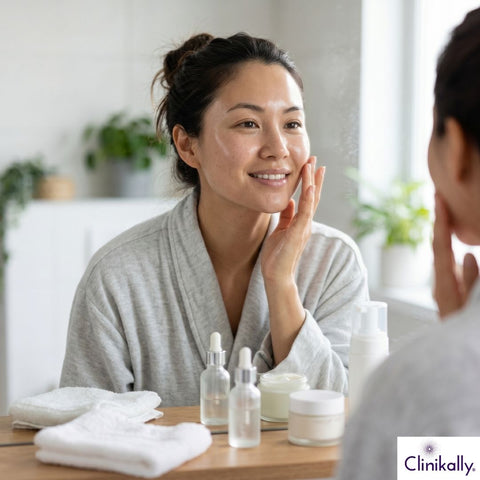
Getting that glass skin look isn’t about shortcuts- it’s really about sticking to a steady routine that puts your skin’s health first. Focus on deep hydration, gentle exfoliation, and keeping your skin barrier strong. Ingredients like hyaluronic acid, ceramides, niacinamide, and botanical extracts all team up to smooth texture, balance moisture, and give you a clear, glowing finish. Using hydrating masks, light moisturizers, and barrier-repair formulas regularly means you’re building real results, not just getting a temporary shine. When you put balanced care and smart ingredients first, glass skin becomes something you can actually maintain- healthy, hydrated, and naturally radiant, day after day.