Is It Glow or Just Oil? Skincare Tips for a Healthy Radiance
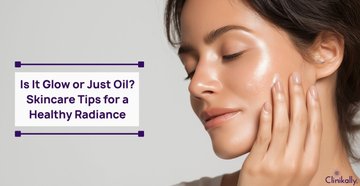
There is a narrow line between looking dewy and oily. While both sparkle, only one accurately indicates skin health. In this article, we'll look at how to discern the difference—and how to get that lit-from-within shine without the slick.
What Is Dewy Skin and Why Is It Trending in Skincare?
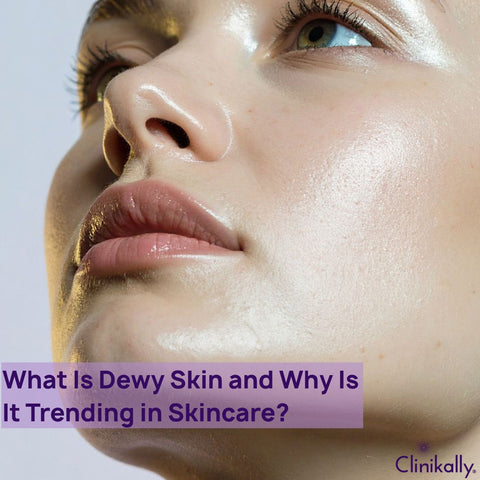
The beauty world is currently obsessed with dewy skin, and for good reason. It's that fresh, radiant look after a facial that shouts "healthy" without saying anything. Dewy skin is a complexion that seems hydrated, luminous (but not oily), smooth, plump, and naturally radiant, similar to skin after a good night's sleep or a hydrating facial. It's not matte or oily, simply a delicate, healthy glow that reflects light properly.
-
Shift toward skin health over coverage: More consumers are emphasizing skin-first beauty, preferring serums over concealers. What's the goal? Skin that looks fantastic with or without makeup.
-
Glow is a visual indicator of wellness: Dewy skin indicates moisture, youth, and energy, which are culturally associated with health and attractiveness.
-
Minimalism and "no-makeup" cosmetics: Dewy skin is ideal for the less-is-more beauty trend, which favors BB creams, skin tints, and glowy SPFs over thick foundations.
-
K-Beauty influence: The Korean beauty industry developed the "glass skin" and "honey skin" fads, which both emphasize a bright, ultra-hydrated appearance.
The Science Behind a Dewy Complexion: Hydration and Light Reflection

A dewy complexion is more than simply beautiful lighting and makeup techniques; it's based on skin science. That radiant, lit-from-within appearance is a visual indicator of proper hydration, a healthy skin barrier, and how your skin responds to light. Let us break it down.
-
Hydration: Your skin's outermost layer (the stratum corneum) requires water to stay smooth, plump, and flexible. When skin is well-hydrated, the cells are fuller, decreasing the appearance of fine wrinkles; the surface is smoother, allowing light to reflect more evenly; and the skin seems more translucent, enhancing the natural shine. The amount of water in the skin has a direct impact on how light interacts with its surface. Dry, flaky skin scatters light, whereas hydrated skin reflects it evenly.
-
Light reflection: Healthy skin acts as a semi-transparent, light-reflecting surface. This is how it works. Smooth texture = improved light reflection; plump cells = light bounces evenly; and a thin oil layer (your skin's natural sebum) = modest sheen. The mix of hydration and light, balanced oil provides the ideal foundation for a dewy finish.
Ingredients That Help You Achieve a Dewy Look

To achieve a dewy complexion, include moisturizing and brightening components in your skincare and makeup regimes. Hyaluronic acid, glycerin, vitamin C, and niacinamide are all key constituents. Exfoliation and enough moisturization are also essential for a healthy, radiant foundation. Skincare ingredients for a dewy base:
-
Humectants: Hyaluronic acid, glycerin, polyglutamic acid, betaine, and panthenol (Pro-Vitamin B5) are examples of humectants, which draw moisture from the air or deeper skin layers to plump and hydrate the skin.
-
Emollients: It include squalane, jojoba oil, shea butter, and esters, fill in tiny fissures in the skin's surface, making it feel silky and allowing light to reflect evenly for a beautiful glow.
-
Occlusives: It include dimethicone, lanolin, and petrolatum, seal hydration into the skin, helping to preserve plumpness and radiance. They are best used at the end of your regimen or at bedtime.
-
Barrier-boosters: Ceramides, cholesterol and fatty acids, centella asiatica, madecassoside, and niacinamide are barrier-boosting ingredients that help healthy skin retain moisture and reflect light more evenly.
-
Radiance-boosters: These compounds brighten tone, remove dullness, and even out texture, allowing light to shine off your skin like satin. They include vitamin C (L-Ascorbic Acid or Derivatives), alpha arbutin, azelaic acid, PHA (such as Gluconolactone), and licorice root extract.
Hydrated vs. Oily: How to Spot the Subtle Differences
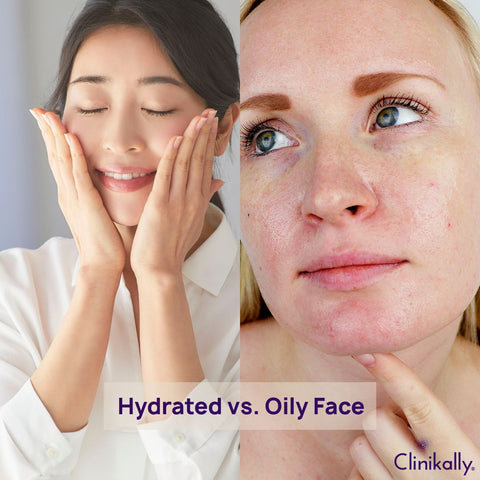
Hydrated skin is plump, smooth, and bright with a healthy glow, whereas oily skin has excess shine, particularly in the T-zone (forehead, nose, and chin), enlarged pores, and is prone to breakouts. Essentially, hydrated skin contains enough moisture, but oily skin produces an excessive amount of sebum, or natural oil. Here's a thorough breakdown:
Hydrated skin:
-
Appearance: Firm, plump, and smooth, usually with a healthy sheen.
-
Texture: It feels balanced, supple, and durable.
-
Pores: Pores are usually small and barely apparent.
-
Other indicators: It includes being less prone to fine lines and wrinkles.
-
How to tell: If your skin bounces back rapidly after pinching, it is probably well-hydrated.
Oily Skin:
-
Appearance: Looks shiny and greasy, particularly in the T-zone.
-
Texture: It feels oily or greasy to the touch.
-
Pores: They are generally larger and more apparent.
-
Other indicators: It include regular breakouts, blackheads, and whiteheads.
-
How to tell: If a blotting sheet absorbs a lot of oil, then your skin is probably oily.
Understanding Oily Skin: Causes, Characteristics, and Challenges
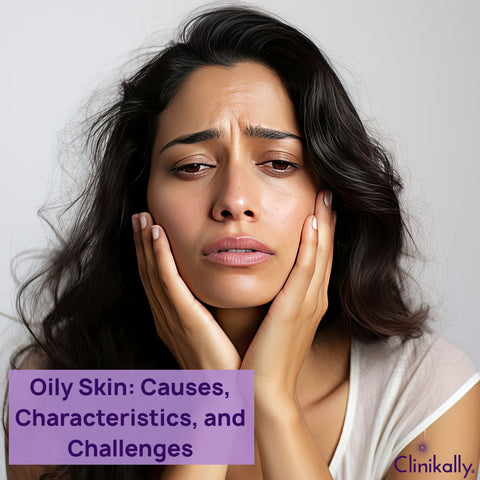
Excess sebum (oil) production causes a glossy complexion, larger pores, and an increased risk of acne and other blemishes. While some oil is essential for skin nourishment and protection, excessive production can result in clogged pores, makeup slippage, and a dull appearance.
Causes of oily skin:
-
Genetics: Oily skin can be inherited, with some people having hyperactive sebaceous glands.
-
Hormonal fluctuations: Changes in hormone levels, particularly androgens, can boost sebum production, which occurs frequently throughout puberty, menstruation, pregnancy, and menopause.
-
Environmental factors: Humidity, heat, and pollution can all lead to increased oil production.
-
Diet: A high glycemic index diet may influence sebum production, thereby increasing oiliness.
-
Lifestyle: Stress, lack of sleep, dehydration, and certain drugs can all contribute to the condition.
Characteristics of oily skin:
-
Shiny or greasy appearance: It is most visible in the T-zone (forehead, nose, and chin).
-
Enlarged pores: Excess oil and probable blockage cause pores to seem larger.
-
Increased susceptibility to acne and blemishes: Clogged pores can cause blackheads, whiteheads, and pimples.
-
Makeup breakdown: Oily skin can cause makeup to slide off or appear patchy.
-
Dull complexion: Excess oil can trap dirt and debris, resulting in a dull, lackluster appearance.
Challenges of oily skin:
-
Acne and breakouts: Clogged pores and excess oil promote acne growth.
-
Makeup issues: Oily skin can make it difficult to apply and maintain makeup because it tends to slide off or break down quickly.
-
Shiny and oily appearance: Can cause self-consciousness and influence how one feels about their appearance.
-
Enlarged pores: It can be a source of concern for some people, even if they do not cause breakouts.
Sebum Production: How Oil Is Regulated by the Skin
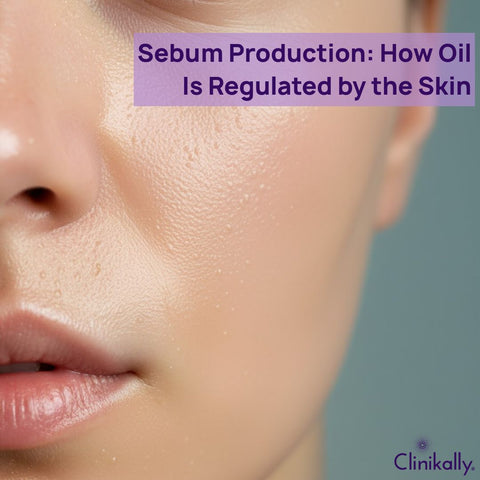
Sebum is your skin's natural oil, a waxy, lipid-rich material that is essential for maintaining skin health. However, when production is off balance, it might result in clogged pores, breakouts, or dry, flaky skin. Understanding how sebum works can help you care for your skin better. Sebum is produced by sebaceous glands in your hair follicles. Triglycerides and fatty acids account for approximately 57% of its composition, followed by wax esters (26%), squalene (12%), cholesterol esters, and cholesterol (5%). The acid mantle is a protective, moisturizing film that forms on the surface of your skin.
Sebum production is a closely controlled biological process that is impacted by both internal and external variables.
-
Hormonal control: Androgens (such as testosterone) increase sebaceous gland activity. This is why oiliness tends to rise with puberty, menstruation, pregnancy, and hormonal abnormalities (such as PMOS, formerly known as PCOS).
-
Genetics: Your baseline sebum output is heavily influenced by genetics; some people inherently create more oil.
-
Environmental factors: Heat and humidity promote sebum production. Cold, dry weather can limit output while also dehydrating the skin.
-
Skin barrier function: When your skin's barrier is broken, it may produce compensating oiliness as a way of protecting itself. Over-cleansing or stripping skincare typically exacerbates the problem.
-
Diet and lifestyle: High-glycemic meals and dairy products may cause oiliness in some persons. Stress causes cortisol to be released, which has an indirect effect on oil production.
Common Triggers: Hormones, Climate, and Skincare Mistakes

Common skincare problems such as acne, dryness, or sensitivity can be caused by a multitude of factors, including hormonal swings, environment, and skincare blunders. Understanding these triggers is critical to keeping healthy skin.
-
Hormonal changes: Hormone levels fluctuate throughout life, especially during puberty, menstruation, pregnancy, and menopause. These adjustments can boost oil output, resulting in breakouts. Stress can also cause hormonal imbalances, exacerbating acne and other skin issues.
-
Climate: Temperature and humidity variations can have an effect on skin. For example, cold, dry weather can produce dryness and flakiness, but hot, humid weather can cause excessive oil production and plugged pores. Sun exposure plays a significant role in skin aging and damage, including wrinkles, hyperpigmentation, and an increased risk of skin cancer.
-
Skincare mistakes: Washing your face too often can strip away natural oils, causing dryness and irritation. Even oily skin requires hydration. Skipping moisturizer might cause the skin to overcompensate and create excess oil. Over-exfoliation can damage the skin's barrier, producing irritation and sensitivity, whereas insufficient exfoliation can result in a buildup of dead skin cells. Sleeping with makeup can clog pores and cause breakouts. Sunscreen is necessary to protect the skin from UV damage, regardless of the weather or time of year. Using products that are not appropriate for your skin type might result in irritation, dryness, and breakouts. Touching your face repeatedly can spread bacteria and grime, causing discomfort and breakouts. Many people concentrate primarily on their face, ignoring the neck and hands, which are also exposed to the weather and prone to aging. Expired products may be useless or even hazardous to your skin. Popping pimples can cause scarring, infection, and increased inflammation.
How Oily Skin Appears Different from Dewy Skin
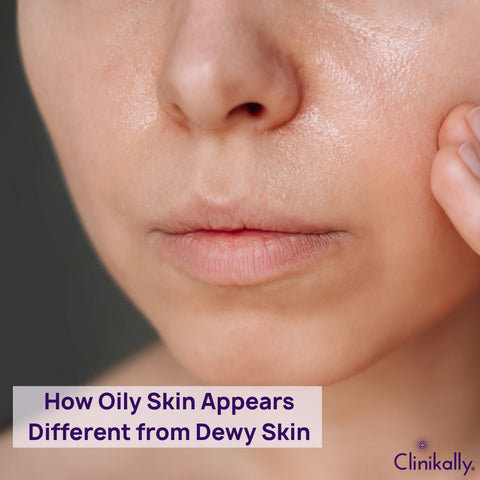
While both oily and dewy skin can shine, the type of shine and the message it conveys are very different. Dewy skin represents moisture and wellness, but oily skin frequently indicates excess sebum and imbalance. Here's how to distinguish them visually and physically.
-
Dewy skin: Appearance of a gentle, light-catching sheen on high points (cheeks, bridge of nose, forehead), even texture and tone, and subtle radiance that resembles healthy skin after a facial. Feels soft, bouncy, fresh, smooth but not slick, lightweight, and breathable. Key signs include hydrated, non-greasy skin, a continuous radiance throughout the day, no clogging or congestion, and makeup that sets smoothly and stays fresh.
-
Oily skin: It seems to be all-over shine, particularly in the T-zone, with enlarged or visible pores, a greasy, often blotchy appearance, and makeup that slips, oxidizes, or fades quickly. Feels slippery or greasy to the touch, heavier, congested, and may feel warm or sticky by midday. Key signs include excessive shine throughout the day, recurrent blackheads or pimples, texture that feels bumpy or uneven, and severely wet blotting papers.
How to Manage and Differentiate Dewy vs Oily Skin in Your Routine
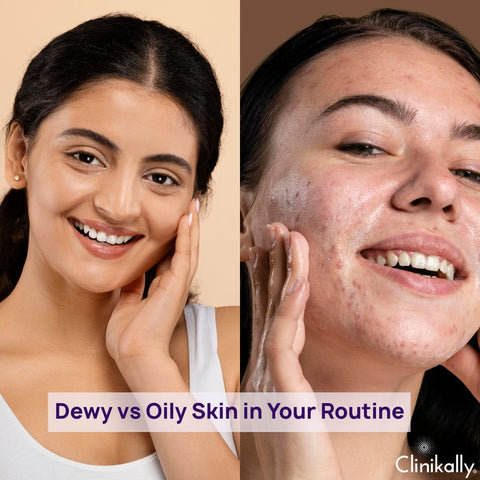
Dewy skin has a healthy, hydrated appearance with a gentle, natural sheen, whereas oily skin has excessive shine and a visible film of oil, which is sometimes accompanied by plugged pores. Understanding their distinctions and establishing appropriate routines are required for effective management of both. Hydration and gentle exfoliation are recommended for dewy skin, while oily skin should be treated with oil control and gentle cleaning to avoid breakouts.
-
Dewy skin appears hydrated and plump, with a smooth, natural shine. The shine is delicate and uniformly spread, highlighting the skin's natural beauty.
-
Oily skin has an excessive shine, particularly in the T-zone (forehead, nose, and chin), and can feel slippery or greasy to the touch. Oily skin frequently develops clogged pores, blackheads, and outbreaks.
Managing dewy skin:
-
Hydration is key: Use lightweight, moisturizing moisturizer and serum containing hyaluronic acid.
-
Gentle exfoliation: Use a gentle scrub or chemical exfoliator once or twice a week to remove dead skin cells and reveal a brighter, smoother face.
-
Sunscreen: Use a broad-spectrum sunscreen to protect your skin from sun damage, which can eventually cause a dull, lifeless complexion.
-
Healthy diet: A well-balanced diet rich in fruits and vegetables can help improve skin health.
Managing oily skin:
-
Gentle cleansing: Use a moderate, sulfate-free cleanser twice a day to remove excess oil and pollutants without stripping your skin.
-
Exfoliate regularly: Exfoliate once or twice a week to prevent clogged pores and breakouts. Salicylic acid based cleansers can be beneficial to acne-prone skin.
-
Lightweight moisturizer: To avoid blocking pores, use a lightweight, oil-free moisturizer.
-
Niacinamide: Niacinamide can help decrease oil production, reduce pore size, and relieve inflammation.
-
Blotting papers: Keep blotting papers nearby to absorb excess oil throughout the day.
-
Hydrating toner: A hydrating toner can help balance the pH of the skin and eliminate any cleanser residue.
Cleansers and Moisturizers: What to Use Based on Skin Type
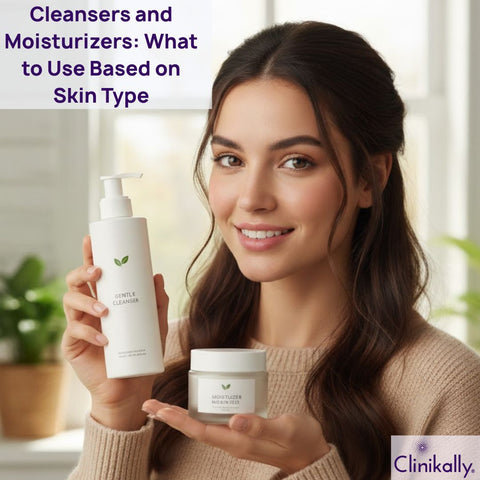
Choosing the appropriate cleansers and moisturizers is critical for healthy skin, and the best options depend on your skin type. For dry skin, use moisturizing cleansers and thick moisturizers. Gel or foam cleansers work well for oily skin, as do lightweight, oil-free moisturizers. Combination skin may require various products for each area, whilst sensitive skin demands fragrance-free, mild solutions.
Cleansers:
-
Dry skin: Look for cream based or moisturizing cleansers containing hyaluronic acid, glycerin, or ceramides.
-
Oily skin: Use gel or foamy cleansers that remove excess oil and may contain salicylic acid or niacinamide.
-
Mixture skin: Use a gentle foamy cleanser that may thoroughly wash the T-zone without overdrying the rest of the face, or look into a cleanser created specifically for mixture skin.
-
Sensitive skin: Look for fragrance-free, mild solutions with soothing substances such as aloe.
Moisturizers:
-
Dry skin: Apply rich, emollient moisturizers including hyaluronic acid, ceramides, and shea butter.
-
Oily skin: Use lightweight, oil-free, or gel-based moisturizers that will not clog pores.
-
Combination skin: It can benefit from using a lightweight moisturizer on oily regions and a somewhat heavier moisturizer on dry areas.
-
Sensitive skin: For sensitive skin, choose fragrance-free, hypoallergenic moisturizers that contain calming ingredients.
Makeup Application Tips: Avoiding the Unwanted Shine
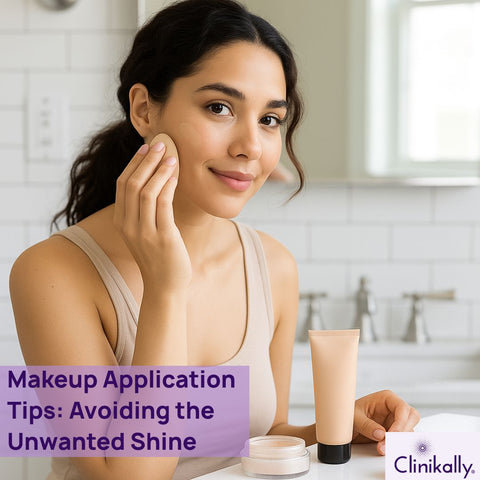
Here's a useful and skin-friendly guide to:
-
Begin with skin preparation: Cleanse properly to eliminate any excess oil or skincare residue. Apply a lightweight, oil-free moisturizer; moisturized skin holds makeup better and avoids oil production. Optional: Use a mattifying primer just on oily areas (usually the T-zone) to smooth texture and control shine.
-
Choose the appropriate cosmetics formulas: The product line includes foundation (oil-free, matte or satin-finish, long-wear), concealer (long-lasting, semi-matte finish), powder (translucent setting powder or blotting powder), and highlighter.
-
Application techniques: Press product into the skin with a damp sponge or stippling brush to absorb oil and create long-lasting layers. Apply powder solely to the T-zone or other areas prone to shine, not the entire face. Thin, buildable layers provide greater control and longevity.
-
Throughout the day: Throughout the day, use blotting papers before applying powder touch-ups. Blot to absorb oil, then reapply powder as needed. Mattifying setting sprays will renew your makeup without caking or drying it out.
-
To avoid if you don't want to appear greasy: Applying too much face oil right before makeup. Dewy SPF under heavy makeup (instead, use matte or gel SPF). Skipping moisturizer—dehydrated skin frequently creates more oil. Over-powdering the entire face can backfire and cause patchiness.
Key Signs Your Glow Might Actually Be Excess Oil
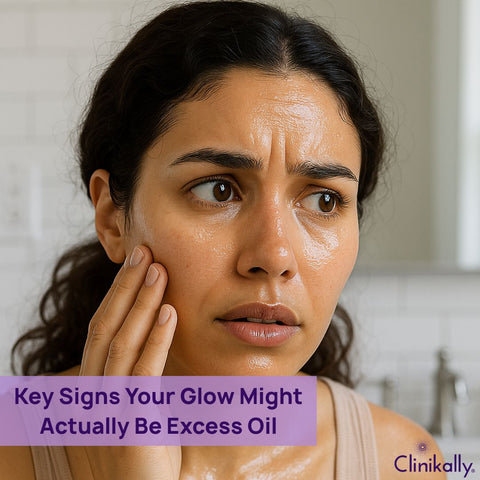
It's easy to confuse a healthy glow with oil overload, especially while wearing makeup or in humid weather. However, understanding the signs of excess sebum can help you adapt your skincare and makeup routine to stay beautiful without the shine.
-
Shine appears rapidly after cleansing: If your skin appears fresh after washing but gets shiny within 30-60 minutes (particularly in the T-zone), it is most likely due to excess oil rather than a natural glow.
-
Feel the desire to blot frequently: Frequent blotting (more than 2-3 times per day) or the use of powder to decrease shine is a clear indication that your skin is overproducing oil.
-
Nose and forehead appear sleek, not sheeny: A healthy dewy finish has a gentle, light-reflective sheen, particularly on high areas (such as cheeks). Excess oil creates an all-over, mirror-like shine, particularly on the forehead, nose, and chin.
-
Your makeup slips off: Oily skin degrades makeup faster. If your foundation separates, feels slick, gets patchy or cakey, and becomes orange (oxidizes).
-
Pores appear larger or congested: Excess oil stretches pores, trapping dirt. If your glow includes visible or "textured" pores, blackheads, or pimples.
-
Skin feels oily to the touch: Tap your skin. Dewy skin feels smooth, bouncy, and fresh, while oily skin feels slippery, heated, or sticky.
-
Avoid using moisturizer because you believe you are "too oily": Many people with oily skin are actually dehydrated, which causes their skin to generate even more oil. If your skin appears greasy and tight below, it indicates imbalance rather than moisture.
Tailoring Your Skincare Approach: Embrace the Glow, Control the Shine
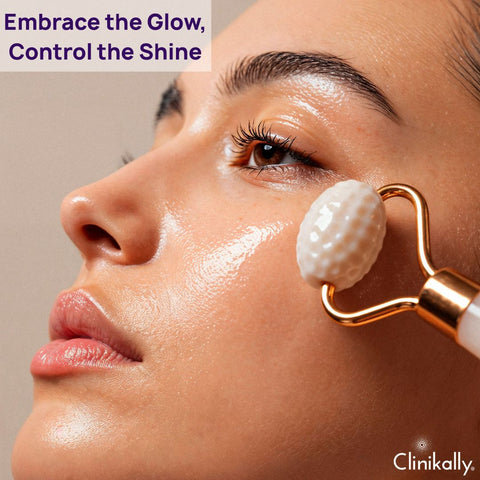
The ultimate goal of skincare is frequently a beautiful, healthy complexion, but getting that shine without becoming oily requires balance and individuality. The trick is to grasp the difference between dewy skin and excess oil, and then modify your routine to improve hydration while managing sebum. Dewy skin reflects light softly and evenly, indicating hydration and a healthy skin barrier. It feels fresh, plump, and smooth, never sticky or slick. In contrast, oily skin shines unevenly (particularly in the T-zone), feels greasy to the touch, and frequently has plugged pores or makeup breakdown by lunchtime.
To get a natural glow, use moisturizing substances such as hyaluronic acid, glycerin, and squalane. These attract and keep water in the skin, giving it a glowing appearance without feeling heavy. Ceramides and moderate moisturizers that preserve skin health without overdoing the oils can help to strengthen your barrier. If oiliness is an issue, consider oil-balancing and pore-clearing actives such as niacinamide, salicylic acid, or clay masks. Avoid over-washing or skipping moisturizers, as these can cause rebound oil production. Instead, use light, non-comedogenic hydrators and mattifying primers or powders as needed.