Retinoid vs Retinol Explained: Benefits, Differences & What’s Best for You
Doctor's Desk
Author
13 Nov, 2025
In the beauty industry, the terms retinoid and retinol are often used interchangeably. They sound identical, but what's the difference? Are they doing the same thing? Is one superior than another? We'll look at the differences between retinoids and retinol, and which is best for you.
Understanding the Basics: What Are Retinoids and Retinol?
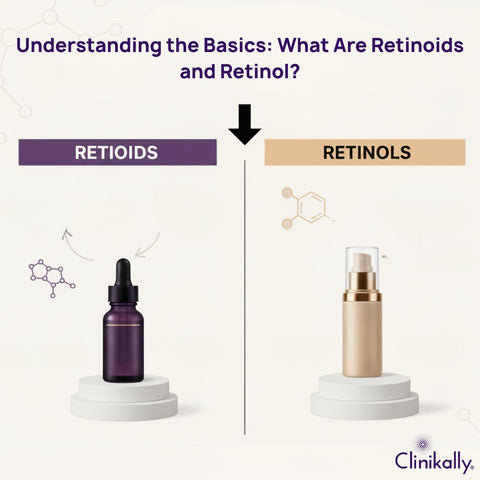
Retinoids and retinol are both members of the vitamin A family, which has been widely studied for its skin-transforming properties. These compounds are vital for skincare, from smoothing fine wrinkles to eliminating acne and brightening dull complexions—but they are sometimes misinterpreted. Here is a brief explanation of what they are and how they work.
Retinoids
Retinoids is a broad word for a group of vitamin A compounds used in both skincare and medicine. They affect skin health at the cellular level by binding to retinoic acid receptors in skin cells and activating processes that include faster cell turnover, higher collagen formation, reduction in hyperpigmentation, and improved skin texture and tone.
Retinol
Retinol is a nonprescription retinoid. It is less potent than prescription retinoids but still very useful, particularly for long-term use. Retinol undergoes two transformations in the skin: retinol → retinaldehyde and retinaldehyde → retinoic acid. This two-step conversion slows down the action, reduces irritation, and making it suitable for beginners or those with sensitive skin. Despite being softer, retinol produces obvious benefits in fine wrinkles, skin clarity, and texture with time.
The Chemistry of Vitamin A Derivatives
Vitamin A (also known as retinol) comes in several forms, each with a similar core structure but subtle differences in chemical side groups, oxidation state, and effectiveness. These derivatives are generically categorized as:
-
Natural derivatives include retinol (alcohol form of vitamin A), retinal (retinaldehyde) (aldehyde form), retinoic acid (tretinoin) (carboxylic acid form), and retinyl esters (storage forms, such as retinyl palmitate).
-
The synthetic retinoids are adapalene, tazarotene, and isotretinoin (13-cis retinoic acid). These synthetic retinoids are intended to be more receptor specific, stable, and, in some cases, less irritating.
Where Retinol Fits on the Retinoid Spectrum
Retinoids are a class of chemicals derived from vitamin A that differ in potency, bioavailability, and intended use. Retinol is among the most common and widely used forms, but it represents just one level in the broader retinoid hierarchy. To understand retinol’s place, it helps to compare how all vitamin A derivatives differ in potency, activation pathway, and skin effects.
-
Potency Level: Falls in the middle of the spectrum — stronger than gentle esters like retinyl palmitate but much weaker than prescription retinoic acid.
-
Activation Process: Requires enzymatic conversion in the skin, making it slower to act but generally more tolerable, especially for sensitive or first-time users.
-
Effectiveness Factors: Depends on formulation, concentration (typically 0.25–1%), and delivery method (encapsulated retinol is more stable and less irritating).
Prescription vs. OTC: A Structural Comparison
The distinction between prescription and over-the-counter (OTC) retinoids is not only in their potency and therapeutic use, but also in their chemical structure and bioactivation mechanisms. These structural changes determine how quickly and effectively each molecule interacts with skin cells, as well as how acceptable they are to different skin types. All retinoids have the same backbone structure: a beta-ionone ring (aromatic ring), a polyene side chain (conjugated double bonds), and a terminal functional group, which determines the molecule's class and activity level. The terminal group is important for potency, stability, and conversion.
OTC Retinoids (Weaker, Require Conversion)
-
Retinyl Esters (e.g., retinyl palmitate): They are esters of retinol and a fatty acid. It takes three enzymatic reactions to become retinoic acid. Least potent, extremely steady, and well-tolerated.
-
Retinol's: The structure includes an alcohol group (-OH) at the terminal end. It requires two-step conversion: Retinol converts to retinal (aldehyde) and then to retinoic acid. Moderate potency may cause moderate irritation.
-
Retinal (Retinaldehyde): Structure is an aldehyde group (=O). It only takes one step to become active. Stronger than retinol and more physiologically available
Prescription retinoids (Stronger, Directly Active)
-
Retinoic Acid (Tretinoin / All-Trans Retinoic Acid): It has a carboxylic acid (-COOH) at its terminal end. Does not require conversion; it is currently active. Binds directly to RARs (retinoic acid receptors). Very strong, yet frequently causes irritation and peeling.
-
Adapalene: Synthetic retinoid having a naphthoic acid backbone. High receptor selectivity (RAR-β and RAR-γ). More chemically stable, and less irritating. Approved OTC: 0.1%; prescription: 0.3%
-
Tazarotene: A prodrug containing an ethynyl benzothiazole group. Converts to tazarotenic acid, a powerful RAR agonist. One of the most potent topical retinoids—used to treat severe acne, psoriasis, and photodamage.
How Each Impacts Your Skin: Mechanism and Results
Retinoids, whether prescription-strength or over-the-counter (such as retinol), exert their transformational effects at the cellular level, changing how your skin regenerates, heals, and age. While their end aims appear to be identical (fewer wrinkles, cleaner skin, and a brighter tone), their mechanisms of action, potency, and speed of results differ dramatically.
-
Retinoids and retinol work: Whatever form you use—retinyl palmitate, retinol, or tretinoin—it must all be transformed into retinoic acid, the active form that binds to nuclear receptors in skin cells (mostly RARs). Regulates gene expression, notably those related to cell turnover, collagen synthesis, and melanin formation.
-
Occurs in the Skin: After reaching its target receptors, retinoic acid increases cell turnover by inducing faster exfoliation of dead skin cells, clearing clogged pores, and revealing fresher, smoother skin underneath. Increases collagen and elastin production, lowers matrix metalloproteinases (MMPs), which break down collagen, improves skin firmness, and reduces wrinkles and sagging. Regulates pigment development by inhibiting tyrosinase, the enzyme responsible for melanin production, which aids in the fading of dark patches, sun damage, and melasma. Refines pores and sebum control by normalizing keratinocyte shedding, minimizing buildup that causes blackheads and acne, and lowering sebum (oil) production, which is especially effective in oily or acne-prone skin.
-
Visible skin results over time: Timeframe includes 1-4 weeks (mild dryness, flaking, sensitivity), 4-8 weeks (reduction in active acne, smoother texture, subtle glow), 8-12 weeks (improvement in fine lines, hyperpigmentation begins to fade), 3-6 months (firmer skin, brighter tone, reduction in deep wrinkles), and 6-12+ months (significant improvement in aging signs and acne scarring).
Cell Turnover and Collagen Synthesis
Retinoids, especially retinol, are generally recognized for their skin-transforming properties, which arise primarily from their ability to accelerate cell turnover and collagen formation. These two biological processes are essential for improving skin tone, texture, firmness, and clarity. Let's look at how they work, why they're important, and how retinoids affect them.
-
Cell turnover: Cell turnover is the process by which new skin cells are formed in the epidermis' basal (deepest) layer and progressively migrate to the surface, where they shed as dead skin cells (corneocytes). This procedure takes approximately 28 days in young, healthy skin. It slows to 40-60+ days as people age or suffer from skin damage. The result is dull skin, blocked pores, rough texture, and uneven tone. Retinoids (once converted to retinoic acid) bind to RAR receptors in skin cells, causing faster keratinocyte proliferation in the basal layer, improved desquamation (dead cell shedding), and a reduction in dead skin cell buildup on the surface.
-
Collagen synthesis: Collagen is the primary structural protein in the dermis, which gives skin its firmness, flexibility, and strength. Type I and III are most common in younger skin. Collagen production diminishes by ~1% each year after age 25, with UV exposure, pollution, and stress accelerating degradation through matrix metalloproteinases (MMPs). Retinoic acid encourages fibroblasts to create new collagen (types I and III), inhibits MMPs, the enzymes that break down collagen, and promotes the formation of glycosaminoglycans (GAGs) and elastin, enhancing hydration and flexibility.
Targeting Acne, Wrinkles, and Hyperpigmentation
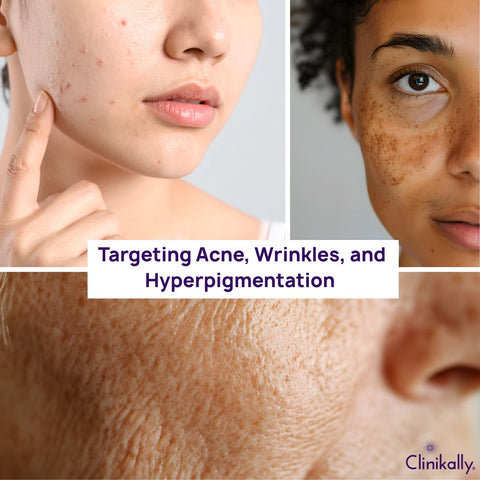
Retinoids are among the most effective dermatological treatments for acne, aging, and pigmentation issues. Whether you use prescription-strength tretinoin or over-the-counter retinol, these vitamin A derivatives provide multi-layered benefits by acting on both the epidermal (surface) and dermal (deep skin) layers. The retinoids are tailored to each primary concern—acne, wrinkles, and hyperpigmentation—and which varieties are best for each.
-
Acne: Retinoids work on acne by normalizing cell turnover to prevent clogged pores, clearing comedones (blackheads and whiteheads), reducing inflammatory lesions (papules and pustules), decreasing sebum production (particularly with adapalene or tretinoin), and increasing the penetration of other acne treatments (such as benzoyl peroxide). The timeline includes 2-4 weeks (initial purging may occur), 6-8 weeks (reduced clogged pores, fewer breakouts), and 12+ weeks (significant improvement in acne and texture).
-
Wrinkles and fine lines: Retinoids battle wrinkles by stimulating fibroblasts to create collagen and elastin, thickening the dermis, reducing skin laxity, and decreasing the activity of MMPs (enzymes that destroy collagen). They also smooth fine lines, particularly around the eyes and lips. Timeline: 4-8 weeks (smoother texture, modest plumpness), 12+ weeks (firmer skin, less fine wrinkles), and 6 months+ (deeper wrinkle softening, improved elasticity).
-
Hyperpigmentation: Retinoids help fade dark spots by increasing cell turnover, pushing pigmented cells to the surface, inhibiting tyrosinase, the enzyme that produces melanin, dispersing melanin granules more evenly throughout the skin, and enhancing the action of brightening agents such as vitamin C or azelaic acid. The timeline includes 4-6 weeks (improved skin tone and radiance), 8-12 weeks (fading of sun spots, PIH, mild melasma), and 4-6 months (substantial reduction in obstinate pigmentation).
Irritation Potential and Skin Adjustment Period
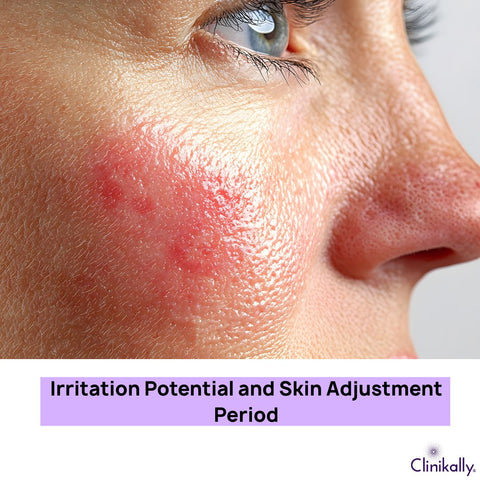
While retinoids provide revolutionary skin advantages such as improved acne, wrinkles, and pigmentation, they also require a lengthy adjustment period known as retinization. This is a phase of transient discomfort as your skin adjusts to higher cell turnover and deeper cellular activity. Understanding how and why this occurs, as well as how to control it, is essential for developing a safe and productive habit.
-
Irritation potential: Retinoids function by increasing cell turnover, promoting collagen formation, and decreasing oil and inflammation. However, quick stimulation can disturb the skin barrier, particularly early on, resulting in dryness, redness, peeling or flaking, tingling or burning, and purging (temporary breakouts). This is more frequent with prescription-strength retinoids such as tretinoin or tazarotene, but retinol can also cause it if administered incorrectly.
-
Skin adjustment period (retinization phase): Weeks 1-2 (skin barrier responds to rapid turnover), weeks 3-4 (inflammatory reaction may peak), weeks 5-8 (skin begins to gain tolerance), and weeks 8+ (barrier strengthens, benefits manifest).
Choosing the Right Fit: Retinoids or Retinol for You?
Retinoids and retinol are both vitamin A compounds that can benefit skin health, but their effectiveness and associated negative effects vary. Retinoids, particularly prescription dosage, are often more potent and efficient for treating more serious skin conditions such as acne and wrinkles, whilst retinol, which is commonly found in over-the-counter medications, is a softer choice appropriate for beginners and those with sensitive skin. Here's a thorough breakdown:
Retinoids:
-
Potency: Prescription-strength retinoids, like as tretinoin, are more potent and provide faster results.
-
Effectiveness: They effectively heal acne, wrinkles, UV damage, and hyperpigmentation.
-
Side effects: Because of their potency, retinoids can cause increased irritation, redness, dryness and peeling.
-
Best for: People with severe skin problems who want faster results and can handle tougher treatments.
Retinol:
-
Potency: Over-the-counter retinol is a softer type of retinoid.
-
Effectiveness: It is still effective for improving skin texture, decreasing fine lines and wrinkles, and treating UV damage, however results may take longer to show.
-
Side effects: Retinol is less irritating than prescription-strength retinoids, making it an excellent choice for beginners and individuals with sensitive skin.
-
Best for: People with mild to moderate skin issues, those with sensitive skin, and those who are new to retinoid treatments.
Assessing Skin Sensitivity and Concerns
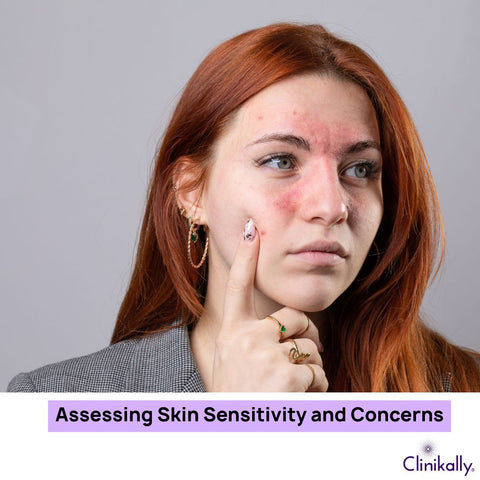
Before adding a retinoid or retinol to your routine, you should first evaluate your skin's baseline sensitivity and prioritize your concerns (acne, wrinkles, pigmentation, etc.). Choosing the appropriate strength and formulation is strongly influenced by how reactive your skin is and what you want to enhance. Assessing skin sensitivity and concerns entails recognizing your skin sensitivity, identifying your key skin concerns, matching sensitivity level to retinoid strength, considering your routine and lifestyle, and developing a barrier-friendly plan.
Strength vs. Tolerance: Matching Potency to Skin Type
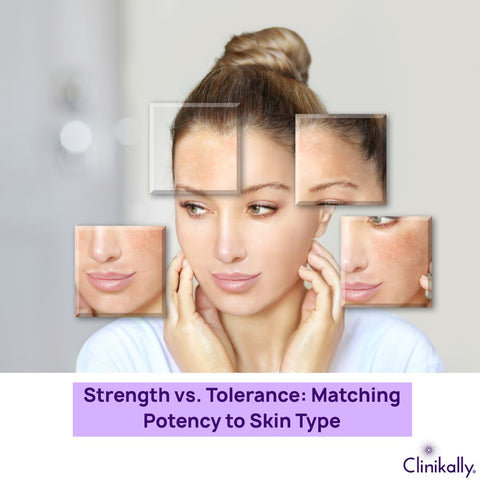
Retinoids are available in a variety of strengths, ranging from ultra-gentle to clinically strong, and not all are suitable for all skin types. Selecting the appropriate potency requires a precise balance between achieving benefits and limiting aggravation, particularly during the adjustment period. Here's how to adjust retinoid strength to your skin's tolerance, condition, and goals. A retinoid's potency is governed by its type (retinol, retinaldehyde, or tretinoin), concentration (e.g., 0.25%, 0.5%, 1%), and the number of conversions required to become active (retinoic acid).
-
Low tolerance (sensitive skin): Reacts easily to actives, feels tight, dry, or red after using new products, is prone to flaking and stinging, and has an easily disrupted barrier.
-
Moderate tolerance (balanced or dry skin): It can tolerate moderate-strength actives, but may experience occasional irritation from acids or retinoids, necessitating the use of a buffer and moisturizer.
-
High tolerance (oily or resilient skin): Rarely irritates, can layer numerous actives, and tolerates greater strengths or nightly application.
How to Layer Retinoids Safely in Your Routine
To safely stack retinol, cleanse your face before applying a small coating to dry skin at night. After a few minutes (2-3 is ideal), apply your moisturizer. If you have sensitive skin, you can also use the "moisturizer sandwich" method, which involves applying a layer of moisturizer before and after the retinol. Due to heightened sun sensitivity, always apply sunscreen in the morning after using retinol. Here's a thorough breakdown:
-
Cleansing: First, carefully cleanse your face to remove any dirt, oil, or makeup.
-
Applying retinol: Dry skin is essential; ensuring your skin is totally dry before applying retinol, since moist skin will boost absorption and potentially cause irritation. Apply a pea-sized amount of retinol to your face, avoiding the delicate eye and lip areas. Allow retinol to penetrate your skin for a few minutes before applying moisturizer.
-
Moisturizing: Choose a moisturizer that is appropriate for your skin type and hydrates you well. After using the retinol, apply a moisturizer to help hydrate the skin and decrease inflammation. If your skin is sensitive or irritated, consider using the "moisturizer sandwich" method. Apply a layer of moisturizer, followed by retinol and another layer of moisturizer.
-
Sunscreen: Retinol can make your skin more sensitive to the sun, so use a broad-spectrum sunscreen with an SPF of 30 or higher in the morning, even on cloudy days.
-
Be patient and consistent: Begin by using retinol once or twice a week, gradually increasing as your skin tolerates it.
Skincare Personalization: Creating a Routine That Works for You
Personalizing your retinoid practice is essential for achieving optimal results with little irritation. The optimum routine should take into account your skin type, sensitivity, concerns (such as acne or aging), lifestyle, and prior experience with active ingredients. Whether you're just getting started or building up your strength, here's how to create a retinoid plan that works for you—not just the average user. Skincare personalization includes understanding your skin profile, defining your skin goals, creating a personalized routine, and adjusting frequency based on tolerance.