The Ultimate Guide to Acne Treatment: Quick Fixes, Overnight Solutions, and Long-Term Strategies
Acne is a common skin condition that affects individuals of all ages. It often causes frustration and a search for effective solutions. This ultimate guide to acne treatment curated by Clinikally offers a comprehensive approach to manage and treat acne. It includes overnight solutions for visible improvements by morning, quick fixes for immediate relief, and long-term plans. This article focuses on understanding the different aspects of acne and incorporating tailored treatments and lifestyle changes. Achieve lasting results and boost your confidence with Clinikally. Whether you're dealing with occasional breakouts or persistent acne, this guide provides the essential tools and knowledge to help you on your journey to clearer skin.
Understanding Acne: Causes, Types, and Triggers
Understanding the causes, types, and triggers for Acne is extremely important for formulating an effective management strategy and treatment plan. The importance and significance of this basic understanding is:
1. Effective Treatment:
Knowing about the specific type of acne allows formulating targeted solutions
2. Preventive Measures:
Understanding and identification of triggers like certain dietary elements, chronic stress, hormonal changes, or certain skin products, helps in avoiding them. Thus breakouts are prevented.
3. Customized Skincare Routine:
Different skin types like oily, dry, combination and different acne types require different approaches to the skincare routines. Understanding your individual skin type and acne can help you choose the right skincare products.
4. Holistic Approach:
Since acne can occur due to stress and dietary reasons as well, among others, adopting a holistic approach to treatment is necessary. Holistic approach includes incorporating healthy eating, regular exercise, proper sound sleep and stress management practices.
5. Minimizing Scarring:
Proper treatment at an appropriate time can prevent severe acne causing scarring. Hence seeking professional help from a dermatologist is essential.
6. Psychological Well-being:
Acne negatively influences mental health and confidence. Hence, understanding the causes and treatment plan can aid in reducing anxiety.
7. Informed Choices:
Product Selection: Awareness of acne causes and types helps in making informed choices about over-the-counter products, reducing the trial-and-error period and avoiding products that might worsen the condition.
The Science Behind Acne: How It Develops and Progresses
Acne forms, develops and progresses through various stages. It is often influenced by various factors like genetics, hormones and lifestyle.
-
Hormones, especially androgens are secreted in huge amounts during puberty. This causes the sebaceous/ oil glands in the skin to get enlarged. As a result, there is an increased secretion of sebum (oil). Hormonal changes that usually happen during pregnancy, menstrual cycles, puberty, or due to oral contraception usage, can also trigger acne breakout.
-
The overactivity of the sebaceous glands lead to an excess of sebum/ oil, which then mixes with dead skin cells. It forms a sticky mixture that leads to clogging of hair follicles (pores) by creating a plug.
-
When the clogged pore remains open, it forms an open comedo, also known as blackhead. If the pore is closed, it forms a closed comedo, also known as whitehead.
-
An anaerobic environment is created in the clogged pore. Such an environment is ideal for the growth of acne causing bacteria- Propionibacterium acnes (P. acnes).
-
P. acnes bacteria then multiplies, thereby causing inflammation.
-
The body's immune system responds to the bacterial infection, leading to the development of inflammation and formation of various inflammatory acne lesions such as pustules (red bumps with white pus), papules (small red bumps), cysts (deep, pus-filled lumps) and nodules (large, painful lumps under the skin).
-
Without availing management and treatment plan, acne can often progress from mild forms like whiteheads and blackheads, to more severe forms such as nodules and cysts.
-
Factors such as stress, diet, certain medications, and use of oily or greasy skincare products can exacerbate acne.
-
With healing of acne lesions, hyperpigmentation or scars are often left behind, especially if the lesions were severe or picked at.
Acne Types: Identifying Your Acne for Effective Treatment
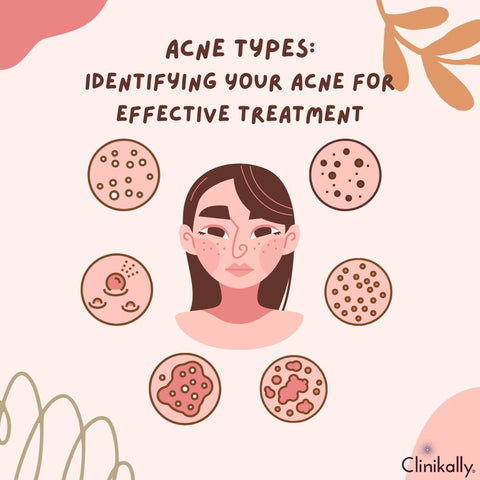
Different types of acne are listed below:
-
Comedonal Acne: It occurs due to-
-
Increased production of sebum.
-
Accumulation of dead skin cells.
-
Hormonal changes that stimulate sebaceous glands.
It is of following types:
-
Closed Comedones/ Whiteheads
-
Open Comedones/ Blackheads
-
Nodulocystic Acne: It occurs due to-
-
Genetic predisposition to severe inflammatory responses.
-
Severe bacterial infection and inflammation.
-
Blockage and rupture of hair follicles deep within the skin.
It is of following types:
-
Cysts
-
Nodules
-
Inflammatory Acne: It occurs due to-
-
Bacterial infection especially by Propionibacterium acnes
-
Immune response to bacterial overgrowth in clogged pores.
-
Hormonal fluctuations that exacerbate inflammation.
It is of various types:
-
Pustules
-
Papules
-
Acne Mechanica: It occurs due to-
-
Mechanical irritation of the skin.
-
Increased sweating and occlusion of pores.
-
Exacerbation by wearing non-breathable fabrics and tight gear.
It is commonly seen in athletes and those wearing tight clothing or helmets.
-
Acne Fulminans: It occurs due to-
-
Genetic factors.
-
Possible autoimmune reaction.
-
Hormonal alteration during adolescence and puberty.
It is a rare and severe form of acne that suddenly develops in young males, and is characterized by painful, ulcerating nodules, along with onset of systemic symptoms like fever and joint pain.
-
Acne Conglobata: It is caused due to-
-
Genetic predisposition.
-
Imbalance of hormones.
-
In association with steroid use (maybe).
It is a severe form of acne that usually involves deep abscesses, significant inflammation, and interconnected lesions, and causes extensive scarring and marks.
-
Acne Rosacea: It is caused due to-
-
Genetic factors
-
Environmental triggers
-
Abnormalities in facial blood vessels.
-
Immune system reactions.
It is a Chronic skin condition characterized by facial redness, visible blood vessels, and sometimes acne-like breakouts.
-
Acne Excoriee: It is caused due to-
-
Psychological factors like anxiety and obsessive-compulsive tendencies.
-
Underlying mild acne exacerbated by manual irritation.
Since it is caused by compulsive picking or scratching at acne lesions, it often leads to scarring and changes in skin pigmentation.
Understanding the type of acne and its aetiology is crucial for determining the most effective treatment and management strategies. Dermatologists can provide tailored treatments based on the specific characteristics and underlying causes of each acne type.
Common Acne Triggers: Factors That Worsen Your Skin Condition
Acne can be triggered and worsened by various factors. Enlisting some key factors that can trigger and worsen acne below:
-
Puberty
-
Menstrual Cycle
-
Pregnancy
-
Hormonal Disorders like Polyendocrine Metabolic Ovarian Syndrome (PMOS), formerly known as polycystic ovary syndrome (PCOS).
-
Diet containing high-glycemic index
-
Stress
-
Poor Skincare Habits
-
Friction from tight clothing, helmets, or backpacks
-
High humidity and sweating
-
Cold, dry weather
-
Pollution
-
Certain medications including corticosteroids, lithium, and some anticonvulsants
-
Cosmetic Products
-
Family History
-
Frequently touching the face
-
Picking or squeezing pimples
-
An overactive immune response to the P. acnes bacteria
-
Excessive sweating
-
Hair products containing oils, silicones, and other comedogenic ingredients
Quick Fixes: Acne Treatments in 5 Minutes
Quick fixes for acne that can be applied in just five minutes play a crucial role in skincare routines, offering immediate relief and visible results. These treatments often involve targeted solutions such as spot treatments or quick-acting masks formulated with acne-fighting ingredients like salicylic acid or benzoyl peroxide. They help reduce inflammation, shrink pimples, and alleviate redness swiftly, making them ideal for managing sudden breakouts or maintaining skin clarity on short notice. Incorporating these quick fixes ensures effective acne management without disrupting daily schedules, promoting confidence and healthy skin appearance effortlessly.
On-the-Go Solutions: Quick Acne Remedies That Work
Enumerating some quick and portable acne treatments and preventive measures below:
A. Portable Acne Treatments
-
Hydrocolloid Patches:
-
Usage: Apply a small patch directly onto the pimple. These patches absorb pus and reduce inflammation while protecting the area from further irritation.
-
Portability: Easy to carry in your bag or wallet and discreet to wear throughout the day.
-
Derma Angel Acne Patch is a great recommendation.
-
Salicylic Acid Wipes:
-
Usage: Use wipes containing salicylic acid to cleanse the affected area. They help exfoliate the skin and unclog pores.
-
Portability: Individually packaged wipes are convenient for use on-the-go.
-
Tea Tree Oil Roll-Ons:
-
Usage: Roll-on applicators with diluted tea tree oil can be used directly on blemishes to reduce bacteria and inflammation.
-
Portability: Small and travel-friendly, perfect for quick application.
-
The Face Shop Tea Tree Toner Pads is a great option.
-
Spot Treatment Pens:
-
Usage: Apply directly to the pimple using a pen applicator containing benzoyl peroxide or salicylic acid.
-
Portability: Compact and easy to carry in a pocket or purse.
-
Compact Face Mists:
-
Usage: Hydrating face mists with anti-acne ingredients like tea tree oil or salicylic acid can be sprayed on the face to refresh and treat acne.
-
Portability: Small spray bottles fit easily into bags and can be used anytime.
B. Preventive Measures
-
Hand Sanitizer:
-
Usage: Clean your hands before touching your face to reduce the transfer of bacteria.
-
Portability: Small bottles that fit easily in pockets or bags.
-
Oil-Absorbing Sheets:
-
Usage: Blotting papers can be used to absorb excess oil throughout the day, reducing the likelihood of clogged pores.
-
Portability: Slim packs that fit easily into pockets or purses.
-
Mini Face Cleanser:
-
Usage: Travel-sized facial cleansers can be used to wash the face when you're out and about, especially after sweating.
-
Portability: Small bottles or tubes are easy to carry and use in public restrooms.
-
Water Bottle:
-
Usage: Staying hydrated helps keep skin healthy and reduces the risk of breakouts.
-
Portability: Carry a reusable water bottle to ensure you drink enough water throughout the day.
C. Emergency Solutions
-
Ice Pack or Cooling Gel Packs:
-
Usage: Use a small, portable ice pack or gel pack to reduce inflammation and swelling.
-
Portability: Compact gel packs can be stored in a cooler bag.
-
Aloe Vera Gel:
-
Usage: Small tubes of aloe vera gel can soothe and reduce redness and inflammation of acne.
-
Portability: Travel-sized tubes are easy to carry.
C. General Tips
-
Sunscreen:
-
Usage: Apply a non-comedogenic sunscreen to protect the skin from UV damage, which can worsen acne.
-
Portability: Small, travel-sized sunscreen tubes are ideal for on-the-go use.
-
Face Masks:
-
Usage: Use a non-comedogenic face mask to prevent environmental pollutants from clogging pores.
-
Portability: Carry extra disposable masks for cleanliness.
Combining these on-the-go solutions with a regular skincare routine can help manage acne effectively while you’re outdoors.
Emergency Acne Care: Fast-Acting Products for Immediate Relief
Several ingredients are known for their fast-acting properties in treating acne. Here are some of the most effective ones:
-
Benzoyl Peroxide:
-
Action: Kills acne-causing bacteria (P. acnes) and reduces inflammation.
-
Products: Benzac AC 5% Gel Wash, Paknet Creamy Wash
-
Use: Available in various concentrations (2.5%, 5%, 10%) in gels, creams, and cleansers.
-
Retinoids (Tretinoin, Adapalene, Retinol):
-
Action: Promote cell turnover, prevent clogged pores, and reduce inflammation.
-
Products: Dermaceutic Activ Retinol 1.0, Peltos Retinol Sleep Mask, Au.ric Retinol Serum
-
Use: Available in prescription and over-the-counter formulations. Adapalene (Differin) is a popular OTC option.
-
Salicylic Acid:
-
Action: Exfoliates the skin, unclogs pores, and reduces inflammation.
-
Products: Achigun Face Wash, Acorop Anti Acne Gel
-
Use: Commonly found in cleansers, toners, and spot treatments at concentrations of 0.5% to 2%.
-
Tea Tree Oil:
-
Action: Has antibacterial and anti-inflammatory properties.
-
Products: Vegetal Tea Tree Acne Prevention Gel Face Wash, The Face Shop Tea Tree Pore Clarifying Gel Cleanser
-
Use: Found in various concentrations in spot treatments, cleansers, and serums.
-
Sulfur:
-
Action: Dries out surface oil and unclogs pores while killing bacteria.
-
Use: Available in masks, cleansers, and spot treatments.
-
Azelaic Acid:
-
Action: Reduces inflammation, kills bacteria, and exfoliates the skin.
-
Products: Sesderma Azelac Lotion, Fruzo Gel, Azobril 15% Cream
-
Use: Found in creams and gels, often at concentrations of 10% to 20%.
-
Glycolic Acid:
-
Action: Exfoliates the skin, promoting cell turnover and preventing clogged pores.
-
Products: Cosderma Glycolic 50% Glow Peel Chemical Peeling Facial Kit, Glyco-6 Cream, FCL AHA Lotion 15
-
Use: Commonly used in peels, cleansers, and serums.
-
Lactic Acid:
-
Action: Exfoliates the skin, helps with cell turnover, and retains moisture.
-
Products: The FormulaRx Air Brush Facial Lactic Acid Exfoliating Serum
-
Use: Found in cleansers, masks, and serums.
-
Niacinamide (Vitamin B3):
-
Action: Reduces inflammation, controls oil production, and improves skin barrier function.
-
Products: Clinikally The Ultimate NIA (10% Niacinamide) Serum, Verso Body Lotion With Niacinamide
-
Use: Available in serums, creams, and lotions.
-
Zinc:
-
Action: Reduces inflammation and bacterial growth.
-
Products: Sebonia Niacinamide Zinc Serum
-
Use: Often included in creams and spot treatments, sometimes combined with other ingredients like niacinamide.
-
Alpha Hydroxy Acids (AHAs):
-
Action: Exfoliate the skin and promote cell turnover.
-
Products: COSRX AHA/BHA Clarifying Treatment Toner, FCL AHA Lightening Gel
-
Use: Includes glycolic acid and lactic acid, found in cleansers, masks, and serums.
-
Beta Hydroxy Acids (BHAs):
-
Action: Exfoliate the skin and penetrate deep into pores to unclog them.
-
Products: COSRX BHA Blackhead Power Liquid, Yuderma Acnelex Pore-Refining Cream
-
Use: Salicylic acid is the most common BHA used in acne treatments.
-
Clindamycin:
-
Action: An antibiotic that reduces bacteria and inflammation.
-
Products: Clindac A 1% Solution, Clindac A 1% Mist Spray
-
Use: Available in topical formulations, often combined with benzoyl peroxide.
-
Erythromycin:
-
Action: An antibiotic that reduces bacteria and inflammation.
-
Use: Available in topical formulations, sometimes combined with other acne-fighting ingredients.
-
Adapalene:
-
Action: A type of retinoid that reduces inflammation and promotes cell turnover.
-
Products: Adaferin Gel
-
Use: Available over-the-counter and in prescription forms, commonly found in Differin gel.
5-Minute Acne Fixes: Simple Steps to Clearer Skin
Achieving clearer skin in just five minutes is possible with a few simple steps. Start by cleansing with a gentle face wash to remove impurities. Follow with a spot treatment containing salicylic acid to target breakouts directly. Finish by applying a lightweight moisturizer to hydrate without clogging pores. These quick actions help maintain clear, healthy-looking skin effortlessly.
Overnight Solutions: Treating Acne While You Sleep
Overnight solutions are crucial for treating acne effectively because they utilize the body's natural healing processes during sleep. These treatments work continuously through the night, targeting breakouts, reducing inflammation, and promoting skin repair. By applying targeted treatments and hydrating products before bed, you maximize absorption and efficacy, leading to clearer, healthier skin. This approach allows for uninterrupted, intensive care, helping to prevent new breakouts and diminish existing ones while you rest.
Overnight Acne Treatments: Products and Techniques for Overnight Relief
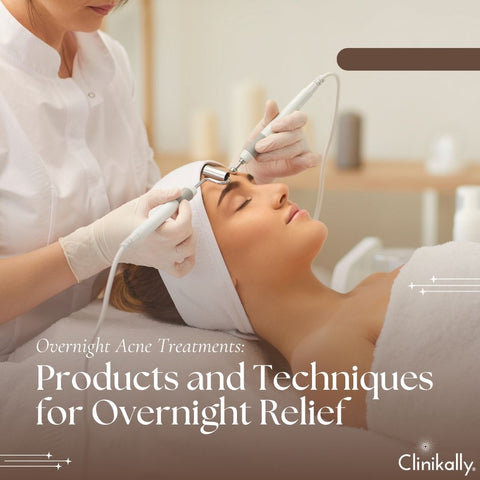
While there isn't a magic cure that will completely eliminate a pimple overnight, there are effective products and techniques that can significantly reduce its appearance by morning. Here's a breakdown of some options:
-
Over-the-Counter Products:
-
Salicylic Acid:
-
Neolayr Pro Acne Control Face Serum
-
Cellula Sleep and Peel Facial Serum
-
Benzoyl Peroxide:
-
Tea Tree Oil (diluted):
Techniques:
-
Spot Treatment: It involves application of a thin layer of chosen product directly to the pimple before bed.
-
Hydrocolloid Bandages: It absorbs pus and fluid. This in turn, reduces inflammation and accelerates healing.
-
Ice: Wrap the ice in a clean cloth and hold against the pimple for 5-10 minutes. This significantly reduces inflammation characterized by swelling and redness.
Certain important tips and tricks for acne management are:
-
Avoid picking or popping pimples (increases scarring).
-
Cleanse your skin before applying any product.
-
Moisturize even with oily skin (prevents dryness and irritation).
-
Patience is key (overnight improvement, complete clearing takes time).
-
See a dermatologist for severe or unresponsive acne.
Sleep Habits for Clear Skin: How Rest Impacts Your Acne

Adequate rest and sleep are crucial for maintaining healthy skin and can significantly impact acne in several ways:
1. Hormonal Balance:
-
Proper sleep helps lower cortisol levels, a stress hormone that can increase oil production in the skin and exacerbate acne.
-
Sleep helps balance androgen levels, which, when elevated, can lead to increased sebum production and clogged pores.
2. Immune System Function:
-
Adequate sleep supports a healthy immune system, enabling it to fight off bacteria and infections more effectively, which is crucial for acne-prone skin.
3. Inflammation Reduction:
-
Lack of sleep can increase inflammation in the body, which can worsen acne. Proper rest helps reduce systemic inflammation.
4. Skin Barrier Repair:
-
During sleep, the skin undergoes repair and regeneration. Adequate sleep allows for better healing of acne lesions and overall skin repair.
-
Restorative sleep helps maintain the skin's barrier function, preventing irritation and moisture loss.
5. Reduced Oxidative Stress:
-
Sleep supports the body’s production of antioxidants, which combat free radicals that can damage skin cells and contribute to acne.
6. Sebum Production:
-
Proper sleep helps regulate the production of sebum, reducing the likelihood of pores becoming clogged and forming acne.
7. Mental Health Benefits:
-
Adequate sleep contributes to overall mental well-being, reducing stress and anxiety, which can otherwise trigger or worsen acne.
Tips for Improving Sleep for Better Skin Health:
-
Establish a Sleep Routine. Make a habit to go to bed and wake up at the same time every day.
-
Create a Relaxing Environment. Always ensure your sleeping area is dark, cool and comfortable, so as to have a sound sleep.
-
Avoid screens at least an hour before bed to reduce blue light exposure, which can interfere with sleep.
-
Engage in calming activities like meditation, reading, or light yoga before going to sleep.
By prioritizing rest and sleep, you can help manage acne and promote healthier, clearer skin
Wake Up to Clear Skin: Overnight Skincare Routines for Acne Prone Skin
An effective overnight skincare routine can significantly improve acne-prone skin by targeting breakouts, reducing inflammation, and promoting healing. Here’s a step-by-step guide to an overnight skincare routine for acne-prone skin:
1. Double Cleanse:
First Cleanse: Use an oil-based cleanser like Klairs Gentle Black Fresh Cleansing Oil or micellar water like ISDIN Micellar 4 in 1 Solution to remove makeup, sunscreen, and excess oil.
Second Cleanse: Follow with a gentle, water-based cleanser like Novology Sensitive Skin Cleanser to thoroughly clean the skin without stripping its natural moisture.
2. Exfoliate (2-3 times a week):
Use a chemical exfoliant containing salicylic acid (BHA) or glycolic acid (AHA) to remove dead skin cells and unclog pores. Saslic DS Foaming Face Wash is a great recommendation.
3. Toner:
Apply a toner with soothing and hydrating ingredients like witch hazel, rose water, or niacinamide. The Face Shop Chia Seed Advanced Hydro Toner is a great choice.
4. Acne Treatment:
Apply a targeted treatment containing benzoyl peroxide, salicylic acid, or sulfur directly to acne spots. Salidox-A Gel is a great recommendation. This helps to reduce inflammation and bacteria.
5. Serum:
Use a serum with active ingredients like niacinamide, hyaluronic acid, or a light retinol. These ingredients help reduce inflammation, control oil production, and promote skin renewal. Few recommended products are:
-
Clinikally The Ultimate NIA (10% Niacinamide) Serum
6. Moisturizer:
Choose a non-comedogenic, oil-free moisturizer like Clinikally HydraSoothe Moisturizer that won’t clog pores. Look for ingredients like hyaluronic acid, glycerin, or aloe vera to hydrate without adding excess oil.
7. Eye Cream (Optional):
If needed, apply an eye cream like Clinikally UltraHeal Under Eye Cream to address any puffiness or dark circles, being careful to avoid areas with active acne.
8. Spot Treatment (Optional):
For persistent breakouts, apply a spot treatment like Acnefar Spot Treatment with a higher concentration of active ingredients. Use sparingly to avoid irritation.
9. Overnight Mask (1-2 times a week):
Consider using an overnight mask like Klairs Freshly Juiced Vitamin E Mask with soothing ingredients like tea tree oil, green tea extract, or honey. These masks can provide additional hydration and anti-inflammatory benefits.
Additional Tips for Acne-Prone Skin for a happy night’s sleep:
-
Be consistent and stick to your routine every night.
-
Change your pillowcases regularly to avoid bacteria and oil buildup.
-
Use cotton or silk pillowcase.
-
Use an air purifier to keep the dust particles away.
-
If sleeping with an air conditioner, use a humidifier also.
By following this routine and incorporating these tips, you can help manage and reduce acne, promoting healthier, clearer skin over time.
Holistic Acne Care: Treating Acne Inside and Out
Holistic acne care is essential for effectively treating acne by addressing both internal and external factors. This approach combines proper skincare routines with lifestyle changes, such as a balanced diet, regular exercise, and stress management, to target the root causes of acne. Internally, a healthy diet rich in vitamins and antioxidants supports skin health, while managing stress reduces hormone fluctuations that can trigger breakouts. Externally, using gentle, effective skincare products helps to clear pores, reduce inflammation, and promote healing. By treating acne both inside and out, holistic care promotes clearer, healthier skin and overall well-being.
Holistic Acne Treatment: Natural Remedies and Lifestyle Changes
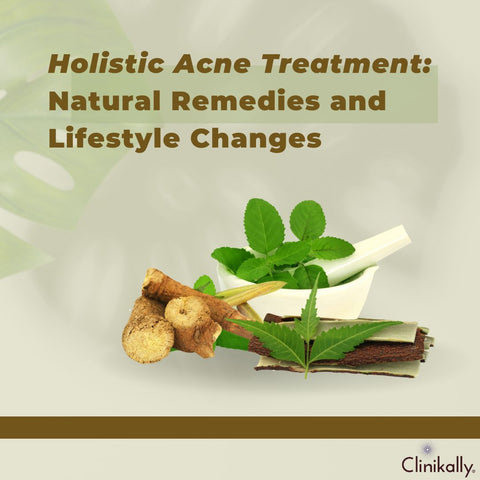
Acne can be frustrating, but a holistic approach that addresses the root cause can be very effective. Here's a breakdown of natural and Ayurvedic remedies and lifestyle changes that may help:
A. Natural Remedies:
-
Tea Tree Oil (diluted): As mentioned before, tea tree oil has antibacterial properties that can fight acne-causing bacteria. However, it's crucial to dilute it with a carrier oil like jojoba oil to avoid irritation. Apply a small amount directly to pimples.
-
Apple Cider Vinegar (diluted): While research is limited, some find diluted apple cider vinegar (ACV) helpful due to its mild acidity. Mix 1 part ACV with 3 parts water and use it as a toner after cleansing. Patch test first and avoid irritated skin.
-
Honey: Honey has antibacterial and anti-inflammatory properties. Raw honey can be applied directly to pimples, but patch test first.
B. Ayurvedic Remedies:
-
Neem: This herb has powerful antibacterial and blood-purifying properties, making it beneficial for acne. You can use neem paste (made from crushed leaves) or neem oil (diluted) topically.
-
Turmeric: Curcumin, a compound in turmeric, has anti-inflammatory properties that can help soothe acne. You can consume turmeric in moderation (consult a doctor with any concerns) or make a paste with turmeric powder and water for topical application.
-
Triphala: This herbal blend promotes detoxification and helps balance the digestive system, which can be beneficial for acne. Take Triphala powder in capsule form or as a tea (consult an Ayurvedic practitioner for proper dosage).
C. Lifestyle Changes:
-
Diet: Processed foods, sugar, and dairy can all worsen acne for some people. Focus on a whole-foods diet rich in fruits, vegetables, and healthy fats. Stay hydrated by drinking plenty of water.
-
Stress Management: Stress can trigger acne flare-ups. Practice relaxation techniques like yoga, meditation, or deep breathing.
-
Sleep: Aim for 7-8 hours of sleep per night. While sleep won't directly cure acne, it allows your body to heal and repair itself.
-
Skincare Routine: Wash your face twice daily with a gentle cleanser and lukewarm water. Avoid harsh scrubs and over-washing, which can irritate the skin. Moisturize even if your skin is oily.
-
Patch test any new product on a small area of your skin before applying it to your entire face.
-
Wash your makeup brushes regularly: Dirty brushes can harbor bacteria and contribute to breakouts.
-
Consult a doctor before using any herbs or supplements, especially if you have any pre-existing health conditions or are taking medications.
-
Be patient: Natural remedies and lifestyle changes often take time to show results. Consistency is key.
Acne Diet: Foods That Help or Harm Your Skin

There isn't a one-size-fits-all acne diet, but research suggests certain foods can influence breakouts. Here's a breakdown of foods that may help or harm your skin:
A. Foods that May Help Fight Acne
-
Fruits and Vegetables
-
Whole Grains
-
Lean Protein
-
Healthy Fats
B. Foods that May Worsen Acne
-
Refined Carbohydrates and Sugary Foods
-
Dairy Products
-
Processed Foods
C. Additional Tips
-
Stay Hydrated: Drinking plenty of water helps flush toxins and keeps skin hydrated.
-
Read Food Labels: Pay attention to added sugars and unhealthy fats.
-
Listen to Your Body: Notice how your skin reacts to certain foods and avoid potential triggers.
Remember, a balanced diet is crucial for overall well-being and can positively impact your skin. Consult a dermatologist or healthcare professional for personalized guidance on your acne.
Mind-Body Connection: Managing Stress and Emotions for Clearer Skin

The mind-body connection plays a significant role in skin health, particularly for those prone to acne. Managing stress and emotions effectively can lead to clearer, healthier skin. Here’s how:
1.Stress triggers the release of cortisol, a hormone that increases oil production in the skin, leading to clogged pores and acne breakouts.
2. Stress can also elevate androgen levels, which are linked to increased sebum production, further exacerbating acne.
3. Persistent stress causes chronic inflammation in the body, which can manifest in the skin as acne and other inflammatory conditions.
4. High stress levels weaken the immune system, reducing its ability to fight off acne-causing bacteria and heal existing breakouts.
5. Stress often leads to poor habits such as picking at the skin, which can introduce bacteria and worsen acne.
6. High stress can result in neglecting skincare routines, leading to build-up of dirt, oil, and makeup on the skin.
7. Stress and emotional turmoil can disrupt sleep patterns, reducing the time your body has to repair and regenerate skin cells.
8. Lack of sleep can compromise the skin’s barrier function, making it more susceptible to acne and irritation.
Tips on Managing Stress for Clearer Skin:
1. Practice meditation.
2. Do deep breathing exercises.
3. Do regular physical exercises
4. Indulge in yoga.
5. Eat a balanced diet.
6. Stay hydrated.
7. Take adequate sleep.
8. Engage with friends and family to have emotional support.
9. Seek professional help in case of any psychological problem.
By addressing the mind-body connection through stress management and emotional regulation, you can significantly improve your skin health and reduce the frequency and severity of acne breakouts. This holistic approach not only benefits your skin but also enhances overall well-being.
Acne for Life: Long-Term Strategies for Healthy Skin
Implementing long-term strategies for healthy skin is crucial in managing acne effectively. Consistent skincare routines, a balanced diet, regular exercise, and stress management help maintain clear skin over time. Long-term strategies prevent future breakouts, reduce the risk of scarring, and promote overall skin health. Commitment to these practices ensures sustained results, leading to healthier, more resilient skin and improved confidence.
Acne Prevention: Daily Habits for Clear Skin
Here are some daily habits you can incorporate into your routine to help prevent acne breakouts and promote clear skin:
-
Wash your face twice a day- In the morning and before bed.
-
Cleanse after sweating, such as during exercise or throughout the day.
-
Moisturize daily.
-
Exfoliate 1-2 times per week.
-
Don't touch your face throughout the day.
-
Change your pillowcase regularly.
-
Manage stress and practice relaxation techniques like yoga, meditation, or deep breathing to manage stress levels.
-
Get enough sleep of about 7-8 hours per night.
-
Wash makeup brushes and sponges regularly.
-
Apply a non-comedogenic sunscreen with SPF 30 or higher every day, even on cloudy days.
-
Take a balanced healthy diet. Avoid processed and refined foods.
-
Pay attention to how your skin reacts to certain products and practices.
By incorporating these daily habits into your routine, you can significantly improve your skin's health and prevent the development of acne. Remember, consistency is key!
Lifelong Skincare: Building a Routine That Works for You
Lifelong skincare is vital for maintaining healthy, radiant skin as it adapts to your changing needs over time. Building a personalized routine ensures consistent care, addressing specific concerns like acne, ageing, and sensitivity. A well-established regimen helps prevent skin issues, promotes overall health, and enhances confidence. By investing in a routine that evolves with your skin, you achieve lasting benefits, including improved texture, tone, and resilience, ultimately leading to a more youthful and vibrant appearance throughout your life.
Dermatologist's Advice: How to Manage Acne at Every Age
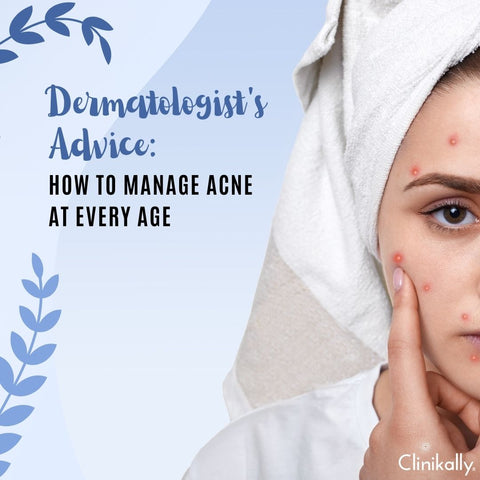
Managing acne effectively requires different strategies at various life stages. Here’s a detailed guide on how to manage acne at every age, incorporating advice from dermatologists:
-
Teen Years (13-19)
Common Issues:
-
Hormonal Changes: Puberty triggers increased production of androgens, leading to higher sebum production and clogged pores.
-
Diet and Lifestyle: Poor diet and hygiene practices can exacerbate acne.
Management Tips:
-
Gentle Cleansing: Use a gentle, non-comedogenic cleanser twice a day to remove excess oil and impurities.
-
Topical Treatments: Apply over-the-counter treatments containing benzoyl peroxide or salicylic acid to target breakouts.
-
Avoid Picking: Refrain from picking or squeezing pimples to prevent scarring and infection.
-
Healthy Diet: Consume a balanced diet rich in fruits, vegetables, and whole grains while limiting sugary and greasy foods.
-
Young Adulthood (20-30)
Common Issues:
-
Persistent Acne: Some individuals may continue to experience acne beyond their teenage years due to hormonal fluctuations.
-
Stress and Lifestyle: Stress from school, work, or relationships can contribute to acne.
Management Tips:
-
Consistent Skincare Routine: Maintain a regular routine with gentle cleansers, moisturizers, and targeted treatments.
-
Professional Treatments: Consider professional treatments like chemical peels, light therapy, or prescription medications for persistent acne.
-
Stress Management: Practice stress-reducing activities such as yoga, meditation, or exercise.
-
Avoid Heavy Makeup: Use non-comedogenic makeup and remove it thoroughly before bed.
-
Adulthood (30-40)
Common Issues:
-
Hormonal Acne: Hormonal changes related to menstruation, pregnancy, or birth control can cause flare-ups.
-
Ageing Skin: The skin starts to lose elasticity and moisture, which can affect its texture and resilience.
Management Tips:
-
Hydration: Use hydrating, non-comedogenic moisturizers to maintain skin moisture.
-
Antioxidants: Incorporate products with antioxidants like vitamin C to promote skin health and reduce inflammation.
-
Hormonal Treatments: Consult a dermatologist for hormonal treatments if necessary, such as oral contraceptives or spironolactone.
-
Avoid Harsh Products: Steer clear of harsh products that can dry out the skin and worsen acne.
-
Midlife and Beyond (40+)
Common Issues:
-
Adult-Onset Acne: Some individuals may experience acne for the first time in their 40s or later due to hormonal changes during menopause.
-
Skin Sensitivity: Skin becomes more sensitive and prone to dryness and irritation.
Management Tips:
-
Gentle Products: Use gentle, hydrating cleansers and moisturizers suitable for sensitive skin.
-
Retinoids: Incorporate retinoids to promote cell turnover and reduce acne and signs of ageing.
-
Hormone Replacement Therapy: Discuss hormone replacement therapy with your doctor if menopause-related acne is a concern.
-
Regular Check-Ups: Regularly visit a dermatologist to monitor skin health and adjust treatments as needed.
-
General Tips for All Ages
-
Always use a broad-spectrum sunscreen with at least SPF 30 to protect against UV damage, which can exacerbate acne and cause hyperpigmentation.
-
Maintain a balanced diet with plenty of water to keep your skin hydrated and healthy.
-
Regular exercise improves blood circulation and helps manage stress, both of which benefit skin health.
-
Regular consultations with a dermatologist can help tailor treatments to your specific needs and monitor progress.
By following age-appropriate skincare practices and seeking professional advice, you can manage acne effectively at any stage of life, maintaining healthy and clear skin.
Conclusion: A Comprehensive Approach to Acne Care
A comprehensive approach to acne care involves consistent skincare routines, a balanced diet, stress management, and professional guidance tailored to each life stage. By addressing both internal and external factors, you can effectively manage and prevent acne, promoting long-term skin health and confidence.