How to Repair Severely Chemically Damaged Hair
Severely chemically damaged hair is often brittle, dry, and fragmented at the end; it's frustrating. Using the proper approach and regular care can revive severely chemically damaged hair, making it healthy and full of vitality once again. Understanding the underlying causes of the damage and implementing a specific hair care routine may help restore locks to their former glory.
Understanding Chemical Hair Damage: Causes and Effects
Chemically damaged hair represents a common problem that usually appears in people after some treatments applied to hair, like coloring, bleaching, and heat treatment. These treatments, although making a great impact at first glance, cause hair harm over a long period of time. Knowing the causes and effects of chemically damaged hair will help prevent such damage and maintain strong hair. Causes of Chemically Damaged Hair:
- Overusing Hair Treatments: Over-bleaching or coloring or over-perming weakens the inner structure of the hair.
- Excessive Heat Styling: Constantly heating your tresses with straighteners, curling irons, and blow dryers strip hair bonds and moisture from hair.
- Poor Use of Chemicals: Harsh relaxers, keratin treatments, or using other chemical solutions without proper care or timing.
- Shampooing too much with harsh products: Over-washing the hair causes dryness and damage; using sulfates based shampoos as it would cause hair to get very dry.
- Environmental Factor: Exposure to pollutants, UV rays, and hard water increases the damage due to chemicals.
- Lack of Aftercare: Failure to use moisturizing treatments like masks or oils after chemical treatment causes further damage.
The Consequences of Chemically Damaged Hair are:
- Dryness and Fragility: Hair loses its original moisture and becomes brittle.
- Breakage and Splitting at the Ends: The shaft of the hair breaks down, causing it to snap frequently and split at the ends.
- Loss of Elasticity: Hair becomes prone to breaking when stretched out because the flexibility has lost its chemistry.
- Frizz and Flyaways: Damaged hair cuticles can't hold moisture; therefore, they frizz and are always irritatingly unmanageable.
- Dullness and Lack of Shine: This becomes another challenge because it reflects lesser light, giving hair a dull look.
- Hair Thinning: Cumulative damage can lead to thinning or even hair loss.
Chemically damaged hair should be attended to with mindful practices and the right care routine. Avoidance of multiple chemical treatments, use of nourishing products, and protection of hair from further damage will restore your hair's strength and shine. Healthy hair is attainable through continuous care and love towards one's hair.
Common Causes of Hair Damage: Heat, Chemicals, and More
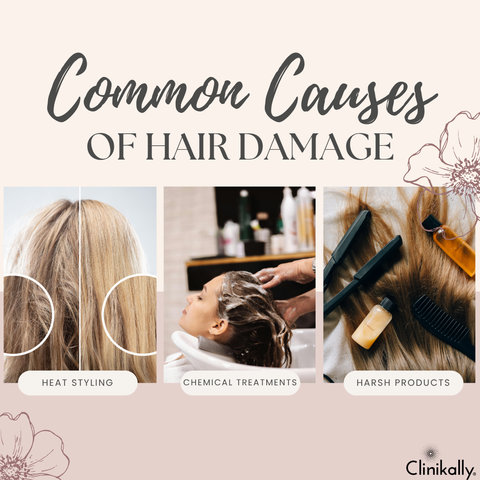
Hair is a fragile asset that demands proper care in maintaining it shiny and healthy. Most factors, however, cause hair damage leading to dryness, breakage, and a dull appearance. In order to prevent such occurrences, understanding these causes will set up a platform for necessary preventive measures and hair care practices. Common factors that might lead to causing hair damage include the following:
- Heat Styling: Using excessive hot tools such as hair dryers, curling irons, and straighteners strips the hair of its original moisture. This causes hair to become weak and brittle, breaking easily.
- Chemical Treatment: Hair coloring, perming, and relaxing is a chemical process that changes the structure of the hair as well as some breakdowns of those bonds in the hair.
- Harsh hair products: Shampoos, conditioners, and hairstyle treatment chemicals strip the hair of its natural oils and cause irritation and dryness.
- Hairstyles: Hairstyles that are too tight on the hair, including ponytails, braids, or buns, stress hair follicles, causing hair loss and breakage
- Environmental factors: Exposure to polluted air, sun, wind, and chlorine can damage hair, making it dry, brittle, and dull.
- Over-Washing: Washing the hair too often washes away its natural oils and can cause dryness and damage.
- Poor Diet: Lack of essential vitamins and minerals in the diet affects hair health and, hence causes hair loss and breakage.
By understanding some of these general causes of hair damage, people can take prevention measures for their hair. Some of the common damage causing steps are reducing the use of hot combing and hair-drying tools, using gentler hair products, and making sure that deep conditioning is done regularly. Protective hairstyles, as well as guarding hair against environmental stressors, can then minimize hair damage and enhance growth.
How Chemical Treatments Weaken Hair Structure
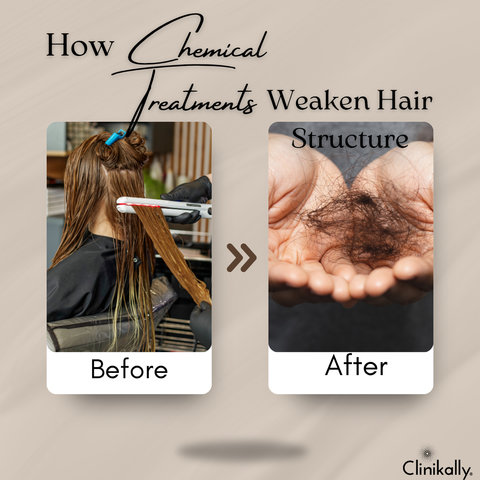
Chemical treatments, like hair coloring, perming, and relaxing, drastically weaken the hair structure. Here's how they work:
1. Breaking of Disulfide Bonds:
- Hair strength relies on the links between protein chains within the hair shaft due to the presence of disulfide bonds.
- Chemical treatments, especially perming and relaxing, break these cross-links in order to reconfigure the hair.
- Even though the bonds can be redone, the entire structure of the hair is weakened.
2. Cuticle Damage:
- The hair cuticle represents the outmost covering that protects the inner structural layers from damage and further damage caused by moisture and chemicals. It can become roughened, thus making it more porous, prone to increased dryness, loss, or breakage.
3. Depletion of Natural Moisture:
- Chemical processes can remove the natural oils and moisture of hair. Hair becomes dry, brittle, and breaks easily.
4. Protein Damage:
- Chemical treatments can damage the protein structure of hair, making it weak and unable to be elastic.
5. Irritation to Scalp:
- Salts, dyes, and other chemicals may irritate the scalp and cause inflammation and dryness, which can lead to hair loss.
To minimize damage, it's essential to:
- Consult a Professional Hair Stylist: They can assess your hair's condition and recommend appropriate treatments.
- Limit Chemical Treatments: Reduce the frequency of chemical processes and opt for gentler alternatives when possible.
- Use High-Quality Products: Choose products specifically designed for chemically treated hair to help repair and protect it.
- Deep Conditioning Regularly: Deep conditioning treatments can help restore moisture and strengthen the hair.
- Avoid excessive use of hot tools and use heat protectant products.
By understanding how chemical treatments affect the hair's structure, you can take steps to minimize damage and maintain healthy, beautiful hair.
Signs and Symptoms of Chemically Damaged Hair
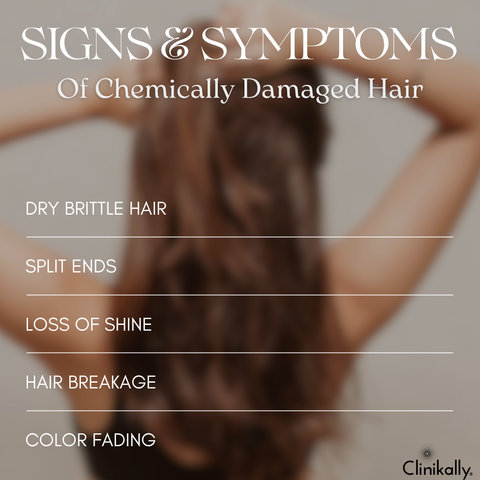
The signs and symptoms of chemically damaged hair vary. Here are some common ones:
- Dry, Brittle Hair: Since the hair has become rough, straw-like, and prone to breakage.
- Split Ends: Constant chemical treatments weaken the hair shaft to such an extent that it begins to split at the ends.
- Loss of Shine: Treated hair loses its natural luster and dully shines.
- Increased Frizz: When cuticles of the hair get raised, this causes more hassle and frizz.
- Hair Breakage: Chemically damaged hair breaks easily, especially when wet or styled hot.
- Color Fading: Colored hair from chemical treatment fades faster than color treated hair.
- Scalp Irritation: Chemical treatments can cause an irritation effect on the scalp resulting in dryness, itchiness, or even hair loss.
- Loss of Elasticity: The elasticity of hair may become low due to chemical treatments. Hair turns out to be less flexible and more susceptible to breakage.
These symptoms have to be addressed with some form of treatment and care for hair. Go ahead and consult a hair professional to discuss further treatments and home care regimes.
Restoring Health to Chemically Damaged Hair: Step-by-Step Solutions
Damaged hair through chemicals can be very frustrating, but the good news is that with proper care and patience, you can revitalize its health and shine. Here's a step-by-step guide to help you on this journey:
1. Minimize Further Damage
- Limit Heat Styling: Reduce the usage of hot tools such as hair dryers, curling irons, and straighteners. Apply a heat protectant spray whenever you do use them.
- Gentle Hair Washing: Wash your hair less frequently and use sulfate-free shampoos to avoid stripping away natural oils. Densita Everyday Clarifying Shampoo is a great recommendation.
- Cold Water Rinse: Finish your shower with a cold water rinse to seal the hair cuticle and lock in moisture.
2. Deep Conditioning Treatments
- Weekly Deep Conditioning: Invest in a high-quality deep conditioner like Root Deep Conditioner and use it weekly to replenish moisture and repair damage.
- Hot Oil Treatments: Pour warm natural oils, such as coconut, olive or argan oil, and apply on hair; concentrate on the ends. Put the shower cap and keep it overnight for 30 minutes before rinsing.
3. Protein Treatments
- Strengthening Treatments: Protein treatment helps rebuild broken ends and strengthens the hair shaft.
- See a Professional Hair stylist: They will suggest the right protein treatment for your hair's specific requirements.
4. Regular Trims
- Trim Away Damage: Get regular trims to eliminate split ends and prevent further harm.
5. Healthy Diet and Lifestyle
- Nutrient-Filled Foods: Have a good balanced diet full of vitamins, minerals, and protein to feed the hair follicles from the inside.
- Hydrate: Drink water to keep the entire body hydrated and also your hair.
- Stress Control: Engage in stress-reducing activities such as yoga, meditation, or deep breathing to ensure overall well-being.
6. Gentle Hair Care Habits:
- Avoid Tight Hairstyles: Loose hairstyles make for fewer stressors on hair follicles.
- Use Wide-Tooth Combs: These combs gently detangle wet hair with wide spaces.
- Protect Hair from Environmental Factors: Wear a hat or scarf to protect your hair from the sun, wind, and pollutants.
By following these steps and being patient, you can gradually restore the health and beauty of your chemically damaged hair. Remember, consistency is key, so stick to your hair care routine and enjoy the results.
Moisturizing and Hydrating Dry, Brittle Hair
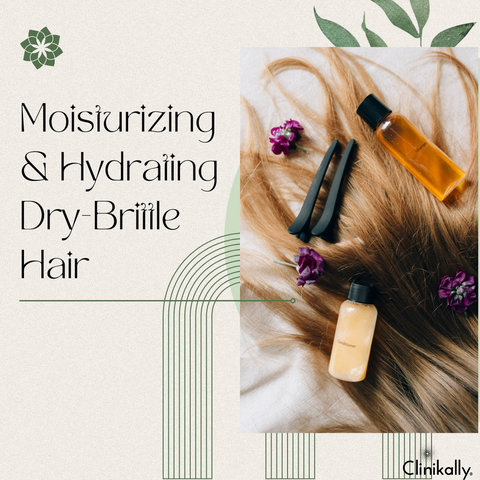
Dry, brittle hair is a result of several reasons such as heat styling, chemical treatments, and environmental stressors. Hydration and deep conditioning are the focuses to treat this. Shampoos and conditioners have to be sulfate-free to avoid removing natural oils from hair. Hair masks or coconut/argan oil should have weekly deep conditioning treatment. Limit use of the heat styling tools and always apply a heat protectant spray. Moreover, leave-in conditioners and hair serums can be added to keep your hair hydrated throughout the day. Adhering to these practices can revitalize dry, brittle hair to become healthy and shinny.
Protein Treatments: Rebuilding Hair Strength and Elasticity
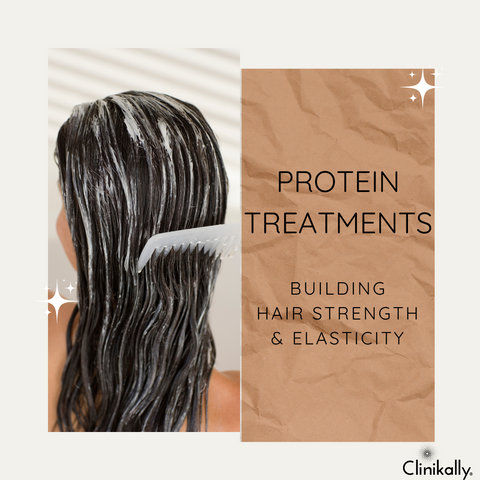
Protein treatments are crucial for restorations of strength and elasticity in damaged hair. They replenish the protein structure of the hair which is destroyed by chemical processes, hot styling, and environmental factors. Key Benefits of Protein Treatment Includes:
- Strengthening Hair: It fills the protein lost from hair restoring strength to hair and reducing breakage.
- Improving Elasticity: It improves elasticity of hair to minimize breakages due to snapping
- Reduced Frizz: The hair cuticle is smoothened and frizz, and flyaway is reduced.
- Adds shine: Gives it a healthy, lustrous look.
Ideal Candidates for Protein Treatment
- Chemically treated hair - colored, permed, or relaxed
- Those who use heat-styling tools regularly
- Damaged and brittle hair
The treatment interval again depends on the requirements of your hair. Most people find protein treatment useful as a treatment every 4-6 weeks.
Deep Conditioning: Replenishing Lost Nutrients
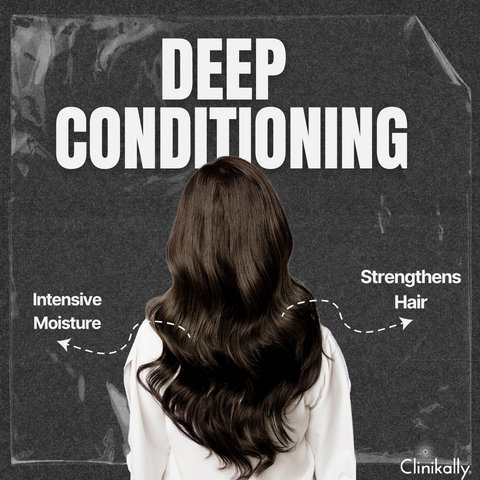
Deep conditioning is one of the most important steps in any hair care process, especially for dry damaged or chemically treated hair. This process involves the application of a concentrated conditioner directly to the hair shaft, providing deep penetration and replenishing lost nutrients. Major Benefits of Deep Conditioning
- Intensive Moisture: Replenishes moisture to leave hair soft and supple.
- Strengthens Hair: Repairs damage and strengthens the hair structure.
- Reduces Frizz: Smooths hair cuticle, thereby ensuring as much frizz and flyways as possible are reduced.
- Improves Shine: Gives the hair a healthy, rich look.
Deep conditioning depends largely on your hair type and damage profile. Generally speaking, most hair types require deep conditioning once in a week. In the case of very damaged hair, you might need even more frequent treatments.
Preventive Measures: Avoiding Further Hair Damage
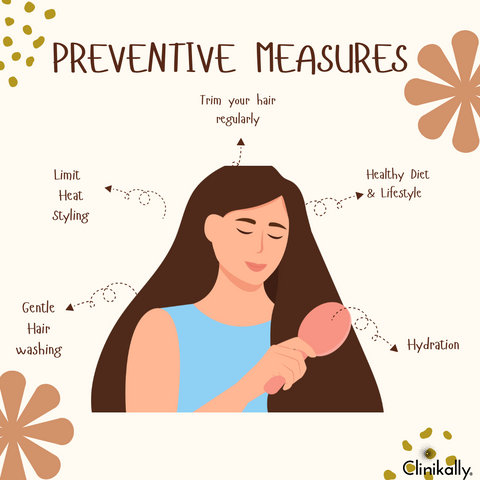
A nice, healthy head of hair often results from careful care and attention. Knowing the common causes of hair breakage can help in preventing it or at least minimize its impact, thus avoiding hair breakage, dryness, and other hair maladies. Preventive measures to avoid further hair damage:
- Limit Heat Styling: Reduce the frequency of using hot tools like hair dryers, curling irons, and straighteners. If you must use hot tools, then use a heat protectant spray on your hair.
- Gentle Hair Washing: Wash your hair less frequently and use sulfate-free shampoos to avoid stripping away natural oils.
- Cold Water Rinse: End your shower with a cold water rinse to seal the cuticle of the hair and retain moisture.
- Avoid Tightly Held Hairstyles: Loosen up hairstyles to minimize the stress on the hair follicles.
- Protect Hair from Natural Agents: Wearing a hat or scarf would protect the hair from sun, wind, and pollution.
- Use Wide Combs: Detangle the wet hair using wide-tooth combs.
- Trim Your Hair Regularly: Get trims in due time to cut off split ends before they cause more harm.
- Healthy Diet and Lifestyle: Use high contents of vitamins and minerals and protein in your diet to feed your hair from within.
- Hydration: Healthy hydration is crucial to keeping your body hydrated. Hydration encourages healthy hair growth.
- Stress Management: Reduced stress through yoga, meditation, or deep breathing will influence your overall lifestyle.
- Right Hair Brush: Always use a brush that has soft bristles, which helps avoid pulling and breaking the hair.
- Try to Avoid Over-Brushing: This is because excessive brushing may break your hair.
- Hair Ties: Use soft hair ties, and not those that pull at the roots of your hair.
- Protection from Chlorine: If you swim on a daily basis, put on a swimming cap or use chlorine-resistant hair products.
- Try a Silk Pillowcase: Minimize breakage with a silk pillowcase.
- Regularly Deep Condition: Deep conditioning treatments help to replenish moisture and repair damage.
- Use Hair Serums: Hair serums like Capeli-Pro 8 Multi Peptide Serum and Bontress Pro Plus Scalp Serum can help to protect hair from environmental damage and add shine
- Avoid Over-Styling: Excessive styling products can weigh down the hair and lead to damage.
- Consult a Hair Professional: A hair stylist can provide personalized advice on hair care and recommend products that are right for your hair type.
Choosing the Right Hair Care Products for Damaged Hair
Proper hair care products can help solve that damage and restore the health and vitality of your hair. The wrong hair care products exacerbate the condition by stripping away all the essential moisture and further weakening the hair shaft. Gentle, sulfate-free shampoos and conditioners are recommended since these clean up without removing natural oils from the hair shaft. Deep conditioning treatments are also vital to replenish lost moisture and repair damage. Hydrating ingredients, such as hyaluronic acid, glycerin, and panthenol, create products that supply the needed moisture to the hair. Protein treatments fortify the hair, with the positive impact on hair development without breakage. Styling products include heat protectant sprays to guard hair from heat damage. Little is many. Too many products weigh down your hair, leading to buildup. To help your hair recover if it is damaged, select the right products and apply them at consistent levels.
Protecting Hair from Future Chemical Damage
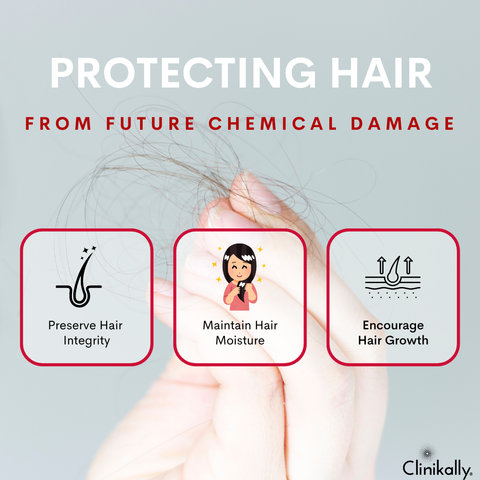
Protecting your hair from future chemical damage is important to maintain health and vitality. More frequent chemical treatments will weaken the hair shaft, cause breakage, and even induce permanent damage in some cases. Here is why you should not:
1. Preserve your hair integrity: Chemical treatments alter your hair structure, making it more susceptible to damage. The less the exposure, the less the change to the hair structure, and the less weakening there is.
2. Maintain Hair Moisture: Chemical processes can strip off the natural oils present in hair, causing them to become dry and brittle with breakage and split ends. Protection of the hair from additional treatments ensures its moisture remains intact and keeps it hydrated.
3. Minimize Hair Breakage: Weakening of hair often leads to breakage. Avoiding excessive chemical treatments can help minimize breakage and promote hair growth.
4. Adds Shine and Texture to Hair: Healthy, undamaged hair shines in its own right and feels smooth. Protecting your hair from any possible future chemical damages keeps it shiny and manageable.
5. Encourages Hair Growth: Healthy hair grows better in length as well as strength. It helps decrease the damage and allow hair growth under ideal conditions.
Taking these precautions to protect your hair from future chemical damage will help you indulge in healthier hair that is more lovely for years to come.
Developing a Gentle Hair Care Routine
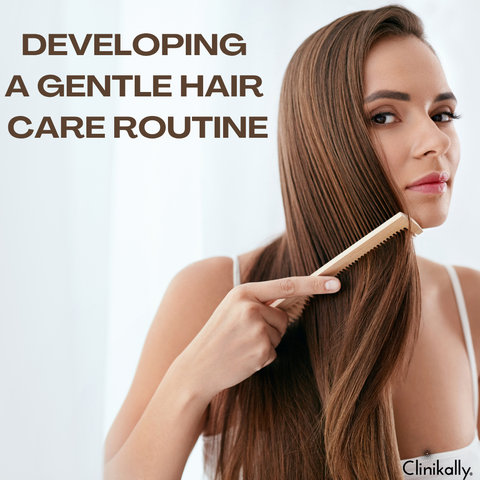
Gentle hair care develops the need for healthy and beautiful hair. Here is why:
1. Prevents Hair Damage
Reduces Breakage: Gentle handling and products reduce stress on the hair shaft, thus preventing breakage and split ends. Protects Cuticle: Gentle practices help preserve the hair's protective cuticle layer, preventing moisture loss and frizz.
2. Promotes Hair Growth
Healthy Scalp: Mild shampooing and scalp massaging enhance blood flow, keep the hair follicles healthy, and encourage hair growth.
Nutrient Uptake: A healthy scalp ecosystem enables hair follicles to take up all the nutrients, which results in thicker, stronger hair.
3. Hair Hydration
Moisture: Gentle formulations trap natural moisture, preventing dryness and brittleness.
Softness: Hydrated hair becomes soft, manageable, and shiny.
4. Improves Hair Texture
Silky: Low manipulation causes lesser friction, which leads to hair that is silky smooth and frizz-free.
Shape/Definition: Gentle handling does not crush the shape and definition of the natural curl or wave.
5. Raises Self-Esteem
Strong Hair: Strong, healthy-looking hair gives a person the feeling of a positive self-image, which in turn, increases self-esteem.
Following gentle hair care helps you develop and maintain lovely, healthy hair that you'll enjoy.
Long-Term Strategies for Maintaining Healthy, Repaired Hair
It will take consistent and thoughtful care with the regular evolution of your hair's needs. Maintaining healthy, repaired hair in the long run requires proper care and adaptation to your hair's ever-changing needs. Regular hydration, cleansing, and nourishing treatments build a strong foundation for your hair, while an appropriate diet rich in vitamins, minerals, and proteins ensures that your hair receives all the nutrients it needs for strength and vitality. Regular trims to remove split ends, minimizing heat styling, and choosing gentle, sulfate-free products reduce damage while preserving the hair’s natural integrity. Additionally, protecting your hair from environmental stressors such as UV rays and pollution with leave-in conditioners or protective sprays can prevent external wear and tear. Emphasizing scalp care, such as gentle exfoliation and moisturizing, fosters a healthy environment for hair growth. The path to sustainable hair health is individualistic because one learns about their specific hair type and tests out routines, making suitable adjustments. These strategies will help a person experience having soft, vibrant, and manageable hair for years to come, celebrating the confidence that comes along with knowing that this person feels their best every day.