5 Best Protein Treatments for Hair Fall and Breakage
If your hair is weak, looks dull, breaks easily, or struggles to grow beyond a certain length, it may lack the strength needed to withstand everyday damage. Frequent heat styling, hair coloring, chemical treatments, and environmental stressors can gradually weaken the hair shaft, making strands more prone to breakage, split ends, and dryness.
One effective way to address these concerns is with a protein treatment for hair. These treatments help reinforce weakened hair fibers, improve elasticity, reduce breakage, and make hair look smoother and healthier. Whether you choose a salon treatment or a protein treatment for hair at home, selecting the right option can make a noticeable difference in your hair care routine.
In this blog, we will explore some of the best protein treatments for hair, their benefits, how they work, and how to choose the right treatment for your hair type and concerns.
What Is a Protein Treatment for Hair?
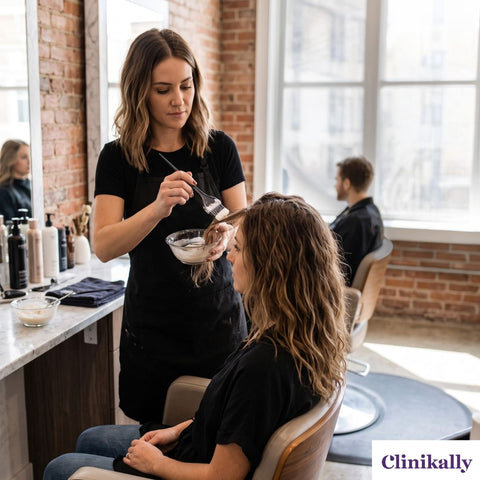
A protein treatment for hair, also known as protein therapy for hair, is a specialized treatment that helps reinforce the hair fiber by depositing proteins onto areas weakened by styling, chemical processing, or daily wear and tear. These treatments help support the hair's structure and improve its overall condition.
Protein treatments are available in various forms, including professional salon services, deep conditioning masks, leave-in products, and at home treatments.
How Protein Treatments Work
Human hair is primarily made up of keratin, a structural protein that provides strength, elasticity, and resilience. The hair shaft consists of three primary layers:
-
Cuticle: The outer protective layer that shields the inner structure from external damage.
-
Cortex: The middle layer that contains most of the hair's keratin and contributes to its strength, texture, and elasticity.
-
Medulla: The innermost core, which may be absent in some hair types, particularly finer strands.
Most protein treatments work on the cuticle and cortex, where signs of damage are most likely to occur. A protein treatment contains ingredients such as keratin, collagen, wheat protein or rice protein that help reinforce weakened areas of the hair. Many formulations use hydrolyzed proteins, which are broken down into smaller particles that can adhere more effectively to the hair surface.
By supporting the hair's outer structure, these proteins can help improve elasticity, smooth the cuticle, reduce breakage and enhance overall manageability. While a protein treatment cannot permanently reverse damage, it can help hair look and feel healthier when incorporated into a balanced hair care routine.
Benefits of Protein Treatments for Hair
A hair protein treatment can help improve the strength, appearance, and manageability of damaged hair. By reinforcing weakened areas of the hair shaft, protein treatments help reduce breakage and support healthier looking strands. Some of the key benefits of protein treatments for hair include:
-
Strengthens Hair Strands: It helps reinforce weak and damaged areas of the hair shaft.
-
Improves Elasticity: It makes hair more flexible and less likely to snap under tension.
-
Adds Volume: It can temporarily make fine hair appear thicker and fuller.
-
Reduces Frizz: It smooths the hair cuticle for better manageability and shine.
-
Supports Damage Protection: It helps strengthen hair against daily styling and environmental stressors.
Signs Your Hair Needs a Protein Treatment
Damaged hair often shows visible signs that its structure has been weakened. If your hair is exposed to frequent heat styling, coloring, bleaching, or chemical treatments, it may benefit from a protein treatment. Here are some common signs to look for:
-
Frequent Breakage: Hair snaps easily during brushing, styling, or washing.
-
Poor Elasticity: Hair stretches excessively when wet and breaks instead of returning to its original shape.
-
Limp or Mushy Texture: Wet hair feels unusually soft, weak, or fragile.
-
Excessive Split Ends: Frequent split ends may indicate structural damage to the hair fiber.
-
Loss of Curl Pattern: Curls or waves appear looser, stretched out, or less defined than usual.
-
High Porosity: Hair absorbs water quickly but struggles to retain moisture.
What Causes Protein Loss and Damage in Hair?
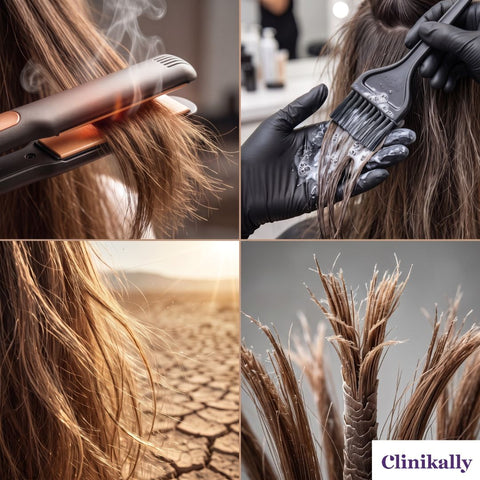
Hair is made up primarily of keratin, a structural protein that helps keep it strong and resilient. However, daily exposure to heat, chemicals, environmental stressors, and harsh hair care practices can gradually weaken the hair shaft and contribute to protein loss. Since hair cannot repair itself once it grows out of the scalp, damage tends to accumulate over time. Some common factors that can weaken the hair's protein structure include:
-
Heat Styling and Chemical Processing: Frequent heat styling and chemical treatments can weaken hair by drying it out and damaging the cuticle, making strands more prone to breakage.
-
Environmental Damage: Sun exposure, pollution, hard water, chlorine, and saltwater can all weaken hair over time, leaving it dry, rough, and brittle.
-
Overwashing and Product Buildup: Washing too often with harsh shampoos can strip natural oils, while product buildup can weigh hair down and make it look dull.
5 Best Protein Treatments for Hair
Different protein treatments use different types of proteins to address specific hair concerns, and each one works a little differently depending on the condition of your hair. Choosing the best protein treatment for hair or the best hair protein treatment depends on your hair type, level of damage, styling habits, and how much strength or softness your strands need. Let’s explore some of the best protein treatments for hair and the concerns they are best suited to address:
1. Keratin Treatments for Smoother, Stronger Hair
A keratin treatment is a salon procedure that uses a keratin-enriched formula to help control frizz, seal the cuticle and improve the appearance of damaged strands. The formula coats weakened areas of the hair fiber, helping create a smoother and more polished look. Heat from a flat iron is then used to seal the treatment, leaving hair shinier, softer, and easier to manage.
This treatment is particularly beneficial for strands affected by frequent heat styling, coloring, bleaching or chemical processing. It may also help improve manageability in humid conditions or when hair feels rough after washing. Here's how a keratin treatment is typically performed:
-
Application: The keratin formula is applied section by section to ensure even coverage.
-
Absorption: The formula remains on the strands for 20 to 30 minutes to allow proper adherence.
-
Heat Activation: A flat iron is used to lock the formula onto the hair surface.
-
Rinse and Style: Once the process is complete, the hair is rinsed and styled as desired.
2. Hydrolyzed Protein Treatments for Damaged Hair
Hydrolyzed proteins are proteins that have been broken down into smaller pieces, which makes them easier to apply to damaged hair. These smaller protein molecules can help support weakened strands, improve the feel of the hair, and make overprocessed hair look and feel stronger. Common examples include hydrolyzed keratin, wheat protein, silk protein, and soy protein.
These treatments are often a good choice when hair feels weak, overly soft, stretchy, or damaged from coloring, bleaching, or heat styling. They can help restore a healthier feel to the hair by improving strength, reducing breakage, and adding a smoother finish.
Most hydrolyzed protein treatments are applied to clean, damp hair and left on for the time recommended by the manufacturer before rinsing. Following the instructions on the product label helps ensure the best results.
3. Collagen Protein Treatments for Thinning Hair
Collagen-based treatments are often chosen for hair that looks fine, flat, or lacking in body. While collagen does not permanently change the structure of the hair, it can help improve the appearance of strands by creating a lightweight coating around the hair fiber. This can make hair look fuller, smoother, and more flexible without feeling heavy.
Collagen treatments may be especially helpful if your hair feels fragile, looks limp, or has lost volume over time. They can also be a good option for mature hair that needs extra softness and support. Because collagen treatments focus more on surface improvement than deep repair, they work best as part of a regular hair care routine.
A collagen treatment usually follows this process:
-
Application: The treatment is applied to clean hair to coat the strands.
-
Coating: It forms a lightweight film around the strands.
-
Volume Boost: Hair appears more voluminous and flexible.
-
Rinse and Style: The hair is rinsed and styled for a softer finish.
Collagen treatments may be beneficial for fine hair, mature hair, hair lacking volume, hair that feels weak or fragile and hair that needs a fuller appearance.
4. Rice Protein Treatments for Volume and Strength
Rice protein is a lightweight protein that helps support hair strength without making it feel heavy or stiff. It is often used in products designed to add volume, improve body, and make fine hair appear fuller. Because it is lighter than some other protein types, rice protein is a popular choice for people who want strength and lift at the same time.
Rice protein treatments can be especially useful for hair that falls flat easily or feels too soft and limp after conditioning. They help strengthen the hair fiber while improving body, lift, and manageability. For people with fine or thin hair, this can make a noticeable difference in how the hair looks and behaves throughout the day.
Here's how rice protein supports the hair:
-
Application: The formula is applied evenly through damp hair.
-
Coating: It helps smooth the cuticle and add a lightweight layer of support.
-
Volume Boost: Hair gains more body and movement.
-
Rinse and Style: The hair is rinsed and styled for a softer, more voluminous finish.
Rice protein treatments are particularly suitable for fine, thin, or flat hair, as well as hair prone to breakage or hair that needs volume without heaviness.
5. DIY Protein Masks for Mild Hair Damage
A protein treatment for hair at home, also known as a hair protein treatment at home, can be an affordable option for mild dryness or surface-level damage. Homemade masks often use ingredients such as eggs, yogurt, or coconut milk, which may help temporarily improve softness, smoothness, and the overall appearance of the hair. While these masks are not as targeted as professionally formulated treatments, they can still be useful for occasional maintenance.
One easy DIY recipe can be made by mixing 1 egg, 2 tablespoons of plain yogurt, and 1 tablespoon of olive oil.
To use a DIY protein mask effectively:
-
Mixing: Combine the ingredients until smooth and well blended.
-
Application: Apply the mask to damp hair, focusing on the mid lengths and ends.
-
Waiting Time: Leave it on for about 20 minutes so the hair can benefit from the treatment.
-
Rinse and Style: Rinse thoroughly with cool water and style as usual.
DIY protein masks are best used occasionally rather than too often, since overuse can sometimes leave hair feeling stiff or dry. While these treatments may help improve texture and manageability, professionally formulated protein treatments generally provide more targeted strengthening benefits for damaged hair.
Can Protein Treatments Help with Hair Growth?
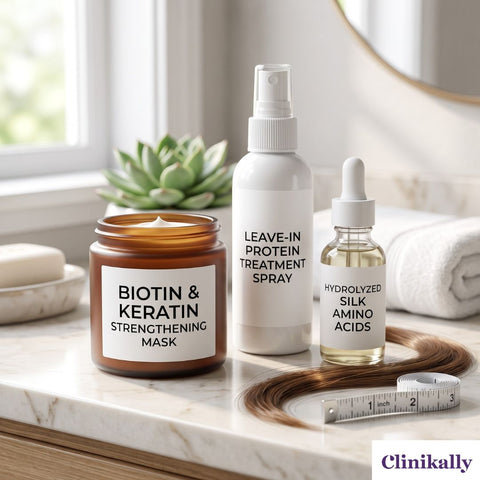
Protein treatments do not directly stimulate hair growth from the scalp. Healthy hair growth is influenced by factors such as genetics, nutrition, hormonal balance, overall health, and scalp condition. However, protein treatments can play an important role in maintaining stronger, healthier hair.
When hair becomes weak or damaged, it is more likely to break before it reaches its full length. By strengthening the hair shaft and improving elasticity, a protein treatment for hair can help reduce breakage and support better length retention. As a result, hair may appear longer, fuller, and healthier over time.
While protein for hair growth is often discussed in hair care, protein treatments primarily work by reinforcing damaged strands rather than increasing the rate of hair growth. For individuals experiencing hair breakage or hair fall caused by fragile, damaged hair, a protein hair treatment may help improve overall hair strength and support healthier-looking growth.
Which Protein Treatment Is Best for Your Hair Type?
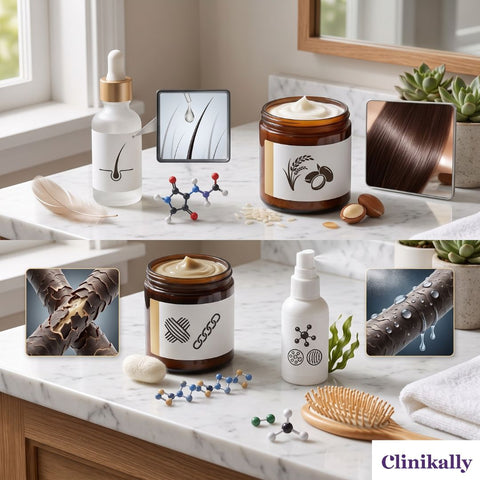
Not all protein treatments work the same way. The right protein treatment for hair depends on your hair type, texture, and level of damage. Using a treatment that is too strong can leave hair feeling stiff, while a treatment that is too lightweight may not provide enough support for damaged strands.
Matching the treatment to your hair type can improve results while helping avoid protein overload or insufficient support. The table below provides a quick guide to matching different hair types with the most appropriate protein sources.
|
Hair Type |
Primary Need |
Recommended Protein Type |
|
Curly and Coily Hair |
Strength and moisture balance |
Hydrolyzed wheat or quinoa protein with moisturizing ingredients |
|
Fine or Thin Hair |
Lightweight strength and volume |
Rice protein or collagen |
|
Color-Treated Hair |
Support for chemically processed hair |
Keratin or silk protein |
|
Dry and Damaged Hair |
Intensive repair and strengthening |
Deep-conditioning treatments with hydrolyzed proteins |
Curly and Coily Hair
This type of hair is naturally more prone to dryness and breakage because natural oils have difficulty traveling evenly along the hair fiber. Protein treatments that combine strengthening ingredients with moisturizing oils and butters can help improve elasticity, reduce breakage, and maintain curl definition.
Look for treatments containing hydrolyzed wheat protein, hydrolyzed quinoa protein, shea butter, or argan oil to support both strength and moisture.
Fine or Thin Hair
This hair type can easily become weighed down by heavy products. Lightweight proteins such as rice protein and collagen can provide structural support without compromising volume or movement.
These treatments can help make hair appear fuller, improve resilience, and maintain a lightweight feel.
Color-Treated Hair
Hair coloring and bleaching can weaken the hair fiber and make it more susceptible to damage. Protein treatments containing keratin or silk protein can help reinforce affected areas, improve smoothness, and support healthier-looking hair after chemical processing.
Pairing protein treatments with regular conditioning can help maintain smoothness and hydration.
Dry and Damaged Hair
Dry and damaged hair often requires a combination of strengthening and hydration. Deep-conditioning protein treatments containing hydrolyzed proteins can help improve hair resilience, while moisturizing ingredients enhance softness and flexibility.
This combination can improve texture and make damaged hair easier to manage over time.
How Often Should You Use a Protein Treatment?
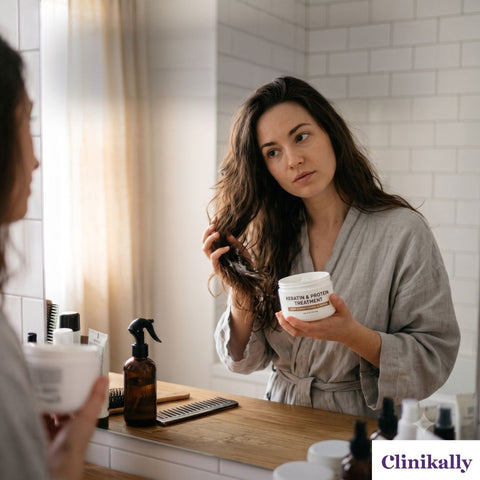
The ideal frequency of a protein treatment depends on your hair type, condition, and level of damage. While protein treatments can strengthen weak strands and reduce breakage, using them too often may leave hair feeling stiff, dry, or brittle. On the other hand, hair that lacks sufficient protein may appear limp, weak, and more prone to damage.
In general, mildly damaged hair may benefit from a protein treatment once every four to six weeks, while severely damaged or chemically treated hair may require more frequent treatments as recommended by the product instructions. Monitor how your hair responds and adjust your routine accordingly.
Healthy hair needs a balance of both protein and moisture. Protein provides strength and structure, while moisture helps maintain softness and elasticity. Combining protein treatments with regular conditioning and hydrating hair masks can help keep your hair strong, smooth, and manageable.
Tips to Maintain Strong and Healthy Hair After a Protein Treatment
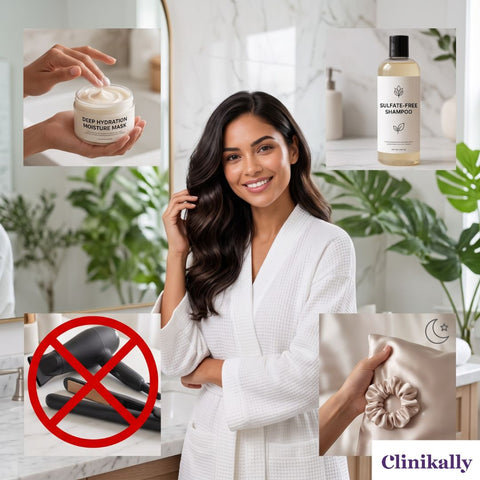
Once you complete a protein treatment, the next step is to help your hair retain the benefits for as long as possible. A consistent routine can protect the hair shaft, reduce breakage, and keep strands feeling soft and manageable between treatments.
-
Use gentle cleansers: Choose sulfate-free shampoos to clean hair without stripping protein or natural oils.
-
Follow up with moisturizing products: Use a leave-in conditioner or hair oil to keep hair soft and prevent stiffness.
-
Protect hair from heat damage: Always apply a heat protectant before using hot tools to help preserve treatment benefits.
Final Thoughts: Healthier Hair with Protein Treatments
Healthy hair depends on the right balance of protein, moisture, and gentle care. If your hair is prone to breakage, dryness, or damage, choosing the right protein treatment for hair can help strengthen weakened strands, improve manageability, and support healthier-looking hair over time.
Whether you choose a professional treatment or a hair protein treatment at home, selecting the best hair protein treatment for your hair type and concerns can make a noticeable difference. Pair protein treatments with a consistent hair care routine, adequate moisture, and heat protection to maintain stronger, smoother, and more resilient strands.