Oleanolic Acid For Hair: Botanical Strength For Hair Growth
Many people find it difficult to cope with severe hair shedding. Hair loss affects both men and women for a variety of causes, such as heredity, an unhealthy lifestyle, and so on. Avoiding adequate hair care will not result in healthy growth. Individuals with pattern baldness are more likely to experience a drop in self-esteem and confidence. Before the age of 50, around 30-50% of males get male androgenetic alopecia. Hair loss has become a global problem because it affects millions of people. Except for modern hair transplant techniques such as FUE and FUT, there are no better remedies for hair loss. Researchers discovered that oleanolic acid for hair development is a viable and dependable choice. In this blog, we will discuss oleanolic acid for hair.
Why Oleanolic Acid Matters in Modern Hair Routines
Hair care is no longer simply about gloss and scent; modern routines prioritize long-term scalp health and hair density. Oleanolic acid, a plant-derived substance found in olive leaves, rosemary, and other botanicals, is important to this transition. It is quickly becoming a popular element in sophisticated hair formulas, thanks to both traditional use and modern research. One of oleanolic acid's most important roles is to block 5-alpha reductase, the enzyme that creates DHT, a major cause of pattern hair loss. It prevents follicles from shrinking by gradually diminishing DHT activity without causing any negative side effects. This makes it an appealing natural option for individuals looking to reduce thinning.
Oleanolic acid not only regulates hormones, but it also benefits the scalp. Its anti-inflammatory and antibacterial properties soothe inflammation, decrease accumulation, and promote healthy hair follicle growth. At the follicular level, it enhances the anchoring mechanism, allowing hair to stay rooted for longer and giving the illusion of larger, denser strands. Formulators frequently combine it with complementary actives, such as apigenin and biotinyl-GHK peptide in the well-known Procapil complex, to improve circulation and nutritional delivery. It is currently found in shampoos, serums, tonics, and botanical oils, providing versatile options for daily use.
Increase Hair Thickness
Thick, dense hair is a worldwide sign of life, but numerous causes, including hormone changes, stress, poor diet, and age, can cause hair loss over time. Modern research indicates that certain plant-based substances can help strengthen follicles, improve scalp health, and promote fuller hair growth.
-
DHT blockers: Excess dihydrotestosterone (DHT) decreases hair follicles, resulting in thinning. Botanical components such as oleanolic acid (olive leaves, rosemary), saw palmetto, and pumpkin seed oil naturally suppress DHT, preventing follicular shrinking.
-
Circulation and nutrient delivery: Healthy follicles require adequate blood flow. Caffeine, ginseng, and rosemary extract promote microcirculation, ensuring that hair roots receive the oxygen and nutrients required for thicker, denser strands.
-
Antioxidant and anti-inflammatory protection: Both oxidative stress and scalp inflammation can weaken follicles. Plant antioxidants like green tea catechins, grape polyphenols, and curcumin protect against free radicals while soothing inflammation and maintaining a healthy scalp environment.
-
Strengthening follicle anchoring: Compounds such as biotinyl - Ghk peptide (frequently coupled with oleanolic acid in Procapil) strengthen follicle adhesion to the scalp, lowering shedding and enhancing strand retention.
-
Nutrient-rich oils and extracts: Oils such as argan, amla, and bhringraj provide vitamins, vital fatty acids, and phytonutrients to the scalp and hair shaft, increasing volume and shine.
Antioxidants & Scalp Care
Strong, colorful hair begins with a healthy scalp. However, common stresses like pollution, UV radiation, product buildup, and even internal imbalances cause oxidative stress and low-grade inflammation. Over time, this damages the follicles, disturbs the hair cycle, and adds to hair loss. Using antioxidants and anti-inflammatory chemicals is one of the most effective strategies to restore balance and support long-term scalp health.
-
Antioxidant protection: Free radicals harm follicular cells and hasten scalp aging. Natural antioxidants such as vitamin E, green tea polyphenols, grape seed extract, and rosemary oil help to neutralize these unstable compounds. This protection keeps follicles functioning, avoids premature graying, and promotes a healthier scalp environment.
-
Anti-inflammatory soothing: Chronic scalp inflammation can manifest as redness, itching, dandruff, or even excessive shedding. Plant-derived ingredients, including aloe vera, chamomile, turmeric, and oleanolic acid, relieve irritation, minimize micro-inflammation, and allow follicles to function normally.
-
Increasing follicle resilience: These bioactive substances enhance blood circulation and nutrient delivery to follicles by lowering oxidative stress and easing inflammation. This strengthens the hair base while also improving the scalp's ability to maintain bigger, denser strands.
-
Integrating into hair care: Antioxidant and anti-inflammatory properties are now included in scalp serums, botanical oils, and antioxidant-rich shampoos. Regular usage promotes long-term scalp health, giving the ideal circumstances for consistent, healthy hair development.
Strengthen Follicles & Reduce Shedding
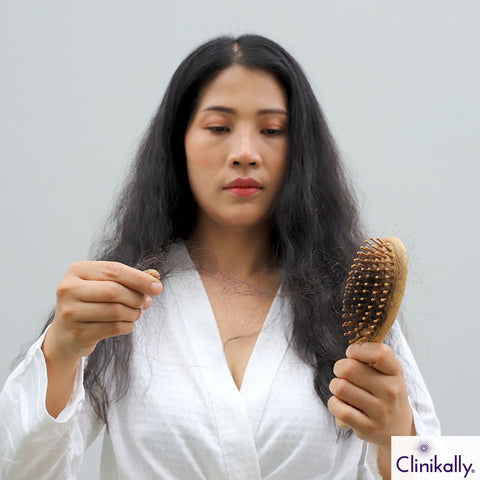
It is typical to lose 50-100 strands of hair per day, but excessive shedding may indicate damaged follicles. The strength of each hair begins at the root, where the follicle ties the strand to the scalp. When follicles are damaged due to stress, hormonal changes, inadequate nutrition, or scalp inflammation, shedding accelerates. Supporting follicle health is essential for preventing daily hair loss and maintaining fuller density.
-
Reinforcing follicle anchoring: Oleanolic acid, biotinyl-GHK peptide, and apigenin (frequently combined in the complex Procapil) enhance the follicle's anchoring system, allowing strands to remain rooted for extended periods of time.
-
Increasing nutrient supply: Ingredients that increase microcirculation, such as caffeine, ginseng, and rosemary, provide oxygen and nutrients to follicles, keeping them active and robust.
-
Protecting against stress and inflammation: Antioxidants such as vitamin E, green tea extract, and grapeseed polyphenols protect follicles from oxidative damage, while anti-inflammatory compounds such as aloe vera, turmeric, and chamomile reduce irritation that can impair follicle stability.
-
Lifestyle and care habits: A well-balanced diet high in protein, iron, zinc, and omega-3 fatty acids, combined with mild scalp massage, can help strengthen follicles. Avoiding rigorous styling, chemical treatments, and tight hairstyles relieves stress on the roots.
How To Use Oleanolic Acid
Oleanolic acid, a plant-derived triterpenoid found in olive leaves, rosemary, and ginseng, is a popular hair-care component. It is known for its ability to regulate DHT, calm inflammation, and enhance follicle anchoring, which helps to minimize shedding and increase hair density over time. The manner in which you use it is critical to achieving genuine outcomes.
-
Choose the right format: Serums and tonics deliver concentrated oleanolic acid directly to the follicles. Apply to the scalp every day, preferably at night, for 3-4 months. Shampoos and conditioners provide supportive benefits when used consistently, though the results may be slower than serums. Olive leaf or rosemary oils containing oleanolic acid can be applied to the scalp two to three times a week.
-
Apply correctly: Part the hair into parts and apply the drops directly to the scalp. Massage lightly for 2-3 minutes to increase microcirculation and enhance absorption. Leave-in products work best; if using oils, wait at least 30-60 minutes before washing out.
-
Combine with synergistic actives: Look for products that include oleanolic acid, apigenin, and biotinyl-GHK peptide to improve follicle strength and visible density.
-
Maintain consistency: Hair cycle are slow, with most users noticing less shedding and thicker-looking hair after 12-16 weeks of constant use.
Ideal Product Concentrations
The concentration of active ingredients in hair care products, such as oleanolic acid, makes all the difference. Too little may not yield obvious results, whilst too much can cause scalp irritation or product instability. Understanding the ideal balance allows you to choose formulas that actually work.
-
Typical concentrations in formulations: Shampoos and conditioners typically have 0.1–0.5% oleanolic acid, which is sufficient for long-term, supportive use but not for intensive therapy. More potent, typically ranging from 0.5 to 2% for direct follicular stimulation. Advanced Complexes (e.g., Procapil®) contain oleanolic acid (~1-2%), apigenin, and biotinyl-GHK peptide for clinically proven anti-shedding effects.
-
Concentration is important: Too little effect on DHT inhibition or follicle anchoring. The ideal range strengthens roots, decreases shedding, and promotes density over time. Too high levels can cause scalp dryness, irritation, and imbalance.
-
Choose safely: Look for items that have transparent labeling or are supported by clinical trials. For sensitive scalps, begin with shampoo or conditioner concentrations before progressing to serums. Patch test serums with a greater strength (≥1%) before everyday use.
-
Consistency over potency: Even with the correct concentration, results require frequent use for 3-4 months, since hair cycles take time to respond.
Best Ingredient Combinations
Oleanolic acid is a known botanical active that strengthens follicles, reduces DHT activity, and reduces hair loss. However, its actual potential comes when paired with other scientifically proven substances that target complementary pathways. Strategic matching not only improves results, but it also promotes a healthier scalp ecosystem and long-term growth.
-
Apigenin: This plant flavonoid improves microcirculation in the scalp, allowing follicles to get more oxygen and nutrients. When combined with oleanolic acid, it boosts follicular vitality and extends the development cycle.
-
Biotinyl-GHK Peptide: A bioactive peptide that improves the follicle's anchoring system and reduces strand separation. When combined with oleanolic acid, it promotes dramatically denser, fuller hair.
-
Caffeine: It enters follicles, stimulating hair shaft elongation while moderately inhibiting DHT activity. When combined with oleanolic acid, it provides a dual-action resistance against thinning.
-
Niacinamide: It is a vitamin B3 derivative that improves scalp barrier function, lowers inflammation, and boosts circulation. It works well with oleanolic acid to create a healthy, resilient scalp environment.
-
Rosemary and green tea extract: They are high in polyphenols and help to neutralize oxidative stress, which is a hidden cause of hair loss. They promote long-term scalp health by working in tandem with the anti-inflammatory properties of oleanolic acid.
Daily Hair Care Routine
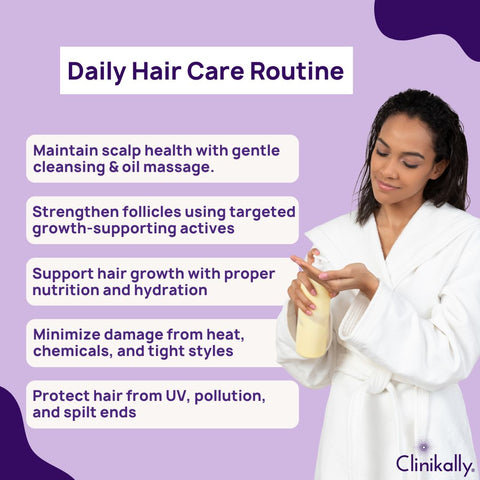
Strong, vivid hair is the consequence of diligent care, wise product selection, and healthy daily habits. By developing the correct regimen, you may enhance scalp health, strengthen follicles, and promote thicker, shinier strands over time.
-
Prioritize scalp health: A healthy scalp is the foundation of thick hair. Use a moderate, pH-balanced shampoo 2-3 times per week to remove buildup without depleting natural oils. Massage your scalp with botanical oils (such as rosemary, bhringraj, or argan) to improve circulation and nutrient delivery.
-
Strengthen follicles: Look for products containing oleanolic acid, peptides, caffeine, or niacinamide to reduce shedding and strengthen follicle attachment. Over the course of 3-4 months, consistent usage of a leave-in serum or tonic can cause hair to become significantly denser.
-
Nourish from within: A well-balanced diet high in protein, iron, zinc, omega-3 fatty acids, and vitamins A, D, and biotin is required for healthy hair development. Hydration is also important for maintaining the resilience of the scalp and strands.
-
Minimize damage: To reduce damage, avoid regular heat styling, harsh chemical treatments, and tight hairstyles that put stress on follicles. Choose microfiber towels, silk pillows, and wide-tooth combs to avoid breakage.
-
Protect and maintain: Use antioxidant-rich serums or oils to protect your hair from UV rays and pollutants. Trims every 6-8 weeks to prevent broken ends and preserve volume.
Results and Safety
Oleanolic acid, a plant-based triterpenoid found in olive leaves, rosemary, and ginseng, is gaining popularity in modern hair care due to its ability to address numerous reasons for thinning and shedding.
-
Results you can expect: With constant use, oleanolic acid helps reduce daily hair loss, enhances follicle anchoring, and promotes denser, thicker hair growth. Most users see a reduction in shedding within a few weeks, followed by noticeable changes in volume and texture around 12-16 weeks. Its scalp-soothing properties also assist in minimizing irritation, flaking, and buildup, resulting in a better foundation for hair development.
-
Safety profile: Topical administration in shampoos, serums, and oils is generally well tolerated, even on sensitive scalps. Serum concentrations of 0.5-2% are considered effective and safe, although shampoos employ lower quantities. High doses or fragranced formulations may occasionally produce minor irritation; thus, patch testing is recommended. Topical applications, rather than pills, are the most effective way to gain hair benefits.
Fuller Hair Appearance
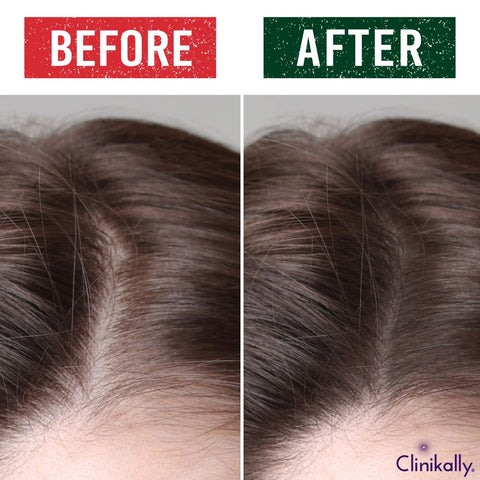
One of the most evident benefits of advanced hair care actives such as oleanolic acid is an increase in hair covering and overall fullness. While minimizing shedding is the initial stage, the true confidence boost occurs when hair begins to appear thicker and denser across the scalp.
-
Oleanolic acid strengthens follicle anchoring, ensuring that each strand remains firmly rooted. Over time, this reduces daily hair loss and helps to maintain healthier scalp coverage.
-
Clinical trials, particularly with Procapil formulations (oleanolic acid with apigenin and biotinyl-GHK peptide), have revealed an increase in the proportion of hairs in the anagen, or growth, phase. More active follicles result in a denser look.
-
In trials and consumer comments, people frequently report that their hair feels fuller, healthier, and more resilient after 3-4 months of regular use. The feeling of improved coverage is associated with both lower shedding and increased individual strand thickness.
-
Improved coverage is most visible along thinning hairlines, crowns, and partings. Consistent use of serums, oils, or tonics containing oleanolic acid maximizes the visible results.
Safety & Precautions
Oleanolic acid is regarded as safe and well-tolerated in current hair formulations. Clinical investigations, especially those with Procapil complexes, have yielded positive outcomes with minor side effects. It is typically found in shampoos, conditioners, and serums in concentrations ranging from 0.5 to 2%, which promotes hair health while avoiding irritation in the majority of users. Its antioxidant and anti-inflammatory characteristics make it pleasant on the scalp when applied regularly.
-
Topical safety: Most people have no problems, but moderate redness, dryness, or tingling may occur, particularly with greater concentrations or fragranced mixtures.
-
Internal use: Oleanolic acid can be found in herbal supplements (such as olive leaf or ginseng), but the clearest evidence for hair benefits comes from applying it directly to the scalp.
Should be use with caution:
-
People with sensitive or allergy-prone skin should do a patch test before use.
-
Those with eczema, psoriasis, or dermatitis should visit a specialist before incorporating it into their routine.
-
Pregnant or breastfeeding women should seek medical counsel because safety information is limited.
-
Individuals with known allergies to olive, rosemary, or related herbs should avoid products that contain these extracts.
Lifestyle Tips for Hair Health
Herbal actives such as oleanolic acid, rosemary, ginseng, and saw palmetto help strengthen follicles and reduce shedding, but their efficacy is highly dependent on lifestyle. Combining these botanicals with a healthy daily routine maximizes results and promotes long-term hair health.
-
Prioritize scalp care: Using a light shampoo 2-3 times a week will help keep the scalp clean and balanced. Regular scalp massages with herbal oils (rosemary, amla, and bhringraj) enhance blood flow and active ingredient absorption.
-
Nourish within: A diet high in lean protein, iron, zinc, vitamin D, and omega-3 fatty acids provides the foundation for stronger hair. Hydration is equally crucial for scalp circulation and follicle strength.
-
Manage stress: Chronic stress increases cortisol levels, which can cause shedding. Incorporating yoga, meditation, or deep breathing promotes hormonal balance and enhances the effectiveness of herbal hair actives.
-
Protect against damage: Avoid heat styling, chemical treatments, and tight hairstyles that strain follicles. Using silk pillows and microfiber towels reduces damage, making herbal therapies more effective.
-
Stay consistent: Herbal substances such as oleanolic acid often produce obvious results in 12-16 weeks. The key to long-term results is consistency, not just high strength.
Personalized Hair Wellness
Hair health is never one-size-fits-all. Your hair's true demands are influenced by genetics, lifestyle, environment, and scalp condition. A personalized botanical method combines nature's most effective plant-derived substances with habits and routines designed to meet your specific hair goals.
-
Identify your main concern: DHT-blocking botanicals, including oleanolic acid, saw palmetto, and pumpkin seed extract, can aid in shedding and thinning. Circulation enhancers like ginseng, rosemary, and caffeine can help follicles become more active. Anti-inflammatory herbs such as turmeric, chamomile, and aloe vera can help soothe and regulate scalp discomfort. Oils like argan, amla, and bhringraj can restore shine and resilience to dull or damaged hair.
-
Build a layered routine: Create a layered routine by using a mild shampoo that contains antioxidant-rich ingredients to keep your scalp balanced. Use a leave-in serum or tonic with specific actives (for density, combine oleanolic acid and apigenin). Massage botanical oils into the scalp once a week for deeper stimulation. Consume a nutrient-dense diet high in protein, zinc, and omega-3 fatty acids to supplement topical therapy.
-
Adjust for your lifestyle: A stressed individual may gain the most from adaptogenic herbs (ashwagandha, holy basil), whereas someone who has been exposed to UV light may require antioxidant-rich botanicals (green tea, grape seed).