Best Serums for Pigmentation: Dermatologist Recommended Picks
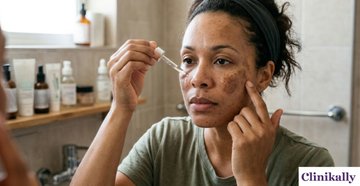
Dark spots, uneven patches, and stubborn marks can make skin look dull. Hyperpigmentation occurs when certain areas of the skin have increased melanin production or accumulation, making them appear darker than the surrounding skin. Sun exposure, acne related inflammation, hormonal changes, and cumulative skin changes associated with aging can all contribute to unwanted pigmentation.
A targeted face serum for pigmentation can help improve the appearance of dark spots and uneven skin tone. Depending on its formulation, a serum may contain active ingredients that target different processes involved in pigmentation, such as melanin production, pigment transfer, or oxidative stress.
In this guide, you will learn how anti-pigmentation serums work, which ingredients have clinical evidence for improving pigmentation, and how to choose the best serum for dark spots on the face based on your specific skin type and pigmentation concern.
Can Serums Help Reduce Pigmentation?
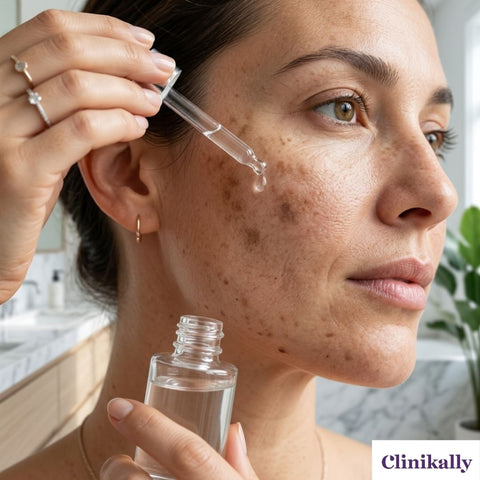
Yes, a well-formulated serum for pigmentation on the face can help reduce the appearance of dark spots, acne marks, and uneven skin tone. The results depend on the active ingredients, formulation, type of pigmentation, and how consistently the serum is used.
Serums are often formulated to deliver targeted active ingredients for specific skin concerns. Depending on the formulation, ingredients may help reduce melanin production, limit pigment transfer, reduce inflammation, or provide antioxidant protection. Ingredients such as niacinamide, vitamin C, tranexamic acid, and azelaic acid have been studied for their potential to improve pigmentation.
However, a serum to reduce pigmentation cannot prevent all new dark spots from developing. Sun exposure, acne, inflammation, and hormonal factors can contribute to recurring pigmentation. Using a serum consistently along with daily sun protection can provide a more effective approach to managing uneven skin tone.
What Makes a Serum Effective for Pigmentation?
Not all pigmentation serums work in the same way. The best serum for pigmentation typically contains well studied active ingredients that target one or more processes involved in increased pigmentation:
-
Tyrosinase Inhibition: Some ingredients can reduce tyrosinase activity, which may help limit melanin production.
-
Reduced Pigment Transfer: Ingredients such as niacinamide may reduce the transfer of melanin containing melanosomes to surrounding skin cells.
-
Skin Renewal: Retinoids and exfoliating acids can influence epidermal renewal and help improve the appearance of existing dark spots over time.
-
Antioxidant Protection: Antioxidants such as vitamin C can help protect skin from oxidative stress that can contribute to pigmentation.
Which Ingredients Are Best for Pigmentation and Dark Spots?
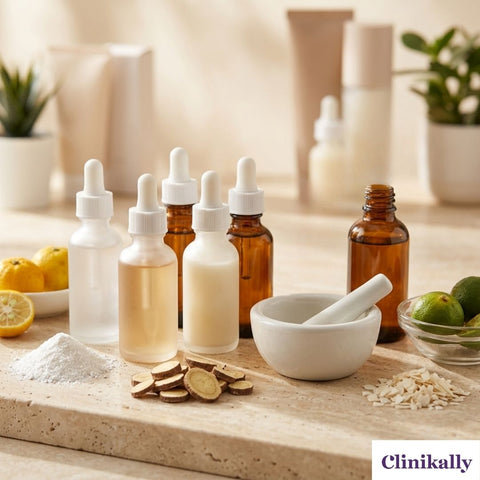
When choosing the best serum for pigmentation and dark spots, look for active ingredients with evidence for improving pigmentation. Different ingredients work through different pathways, so the right choice depends on your pigmentation concern, skin type, and tolerance. Some of the key ingredients to look for:
-
Vitamin C (L-Ascorbic Acid): An antioxidant that can reduce oxidative stress and may help limit melanin production, supporting more even looking skin.
-
Alpha Arbutin: A tyrosinase inhibiting ingredient that may help reduce the appearance of dark spots.
-
Niacinamide (Vitamin B3): It may reduce melanin transfer while supporting the skin barrier.
-
Tranexamic Acid: It may help improve pigmentation, particularly melasma, by influencing pigment related pathways.
-
Kojic Acid: A tyrosinase inhibitor that can help reduce melanin production and pigmentation.
-
Azelaic Acid: It has anti-inflammatory and pigment reducing properties and may help with acne related pigmentation.
-
Glycolic Acid and Lactic Acid (AHAs): These exfoliate the outer layers of the skin and can help improve the appearance of dark spots, uneven tone, and rough texture.
How to Choose the Best Serum for Pigmentation Concern
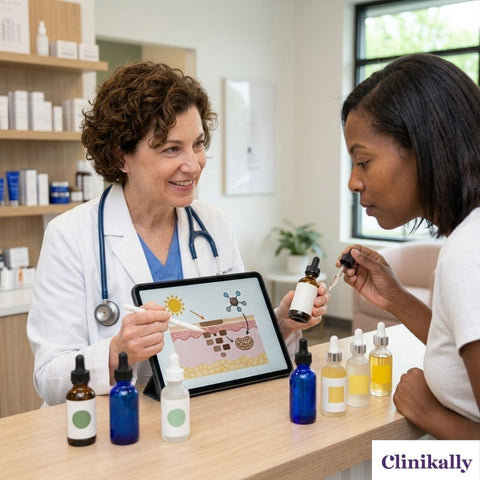
The right serum for pigmentation depends on what is causing the discoloration and how your skin responds to active ingredients. Consider your specific pigmentation concern and skin type when choosing a formula, as some ingredients may be better suited to certain concerns.
-
For Post Acne Marks (PIH): Look for niacinamide, azelaic acid, or alpha arbutin to help improve post inflammatory pigmentation.
-
For Melasma: Consider formulas containing tranexamic acid, kojic acid, or vitamin C, which may help improve persistent, patchy pigmentation.
-
For Sun Related Pigmentation: Look for antioxidant or pigment targeting ingredients such as vitamin C, along with consistent sun protection.
-
For Sensitive Skin: Choose gentler formulas with ingredients such as niacinamide or alpha arbutin, and introduce active ingredients gradually to reduce the risk of irritation.
Best Serums for Pigmentation and Dark Spots
Finding a serum for hyperpigmentation can be overwhelming, especially with so many options available. Different formulations use different combinations of brightening, pigment targeting, exfoliating, and skin supporting ingredients. Here are some anti-pigmentation serums that can help you compare products based on their formulation and intended use:
|
Product |
Key Ingredients |
Benefits |
|
Vitamin C, Alpha Arbutin |
Helps improve dark spots and uneven skin tone |
|
|
Tranexamic Acid, Niacinamide |
Helps target pigmentation and uneven tone |
|
|
Eternal Bright Tranexamic Acid Complex TA+ Fadeout Pigment Correcting Serum |
Tranexamic Acid, Azelaic Acid |
Helps improve pigmentation and visible dark spots |
|
Vitamin C, Niacinamide |
Helps brighten skin and improve uneven pigmentation |
|
|
Novology Pigmentation Reduction Serum For Combination To Oily Skin |
Niacinamide, Glycerine |
Helps target pigmentation and dark spots in combination to oily skin |
1. Yuderma Melarid De-Pigmentation Serum
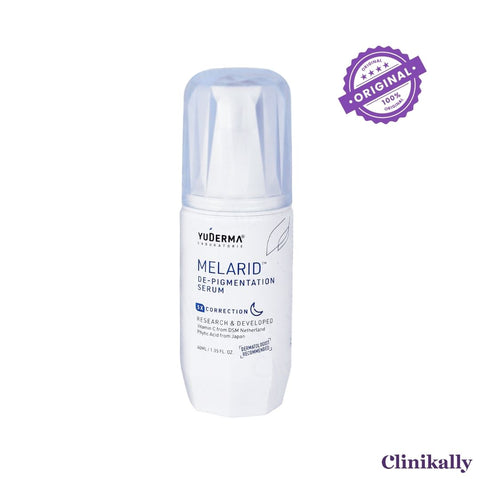
Yuderma Melarid De-Pigmentation Serum is designed for visible discoloration and dull looking skin. It can be used as part of a targeted routine to support a brighter and more balanced complexion.
-
Helps Improve Dark Spots: Supports gradual reduction in the appearance of visible marks.
-
Brightens the Skin: Helps improve the appearance of dull, uneven looking skin.
-
Supports Hydration: Helps maintain moisture while using active skincare ingredients.
2. Mel-G Brightening & De-Pigmentation Face Serum
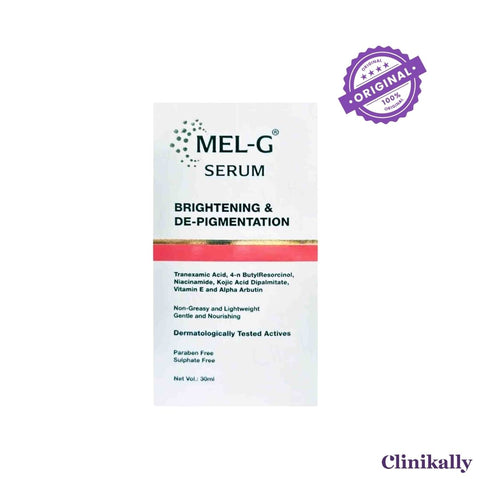
Mel-G Brightening & De-Pigmentation Face Serum is intended for skin affected by pigmentation and loss of radiance. Its combination of brightening actives makes it suitable for targeted discoloration care.
-
Targets Discoloration: Helps improve the appearance of persistent pigmented areas.
-
Restores Radiance: Supports a brighter and clearer looking complexion.
-
Lightweight Formula: Can be easily incorporated into a daily skincare routine.
3. Eternal Bright Tranexamic Acid Complex TA+ Fadeout Pigment Correcting Serum
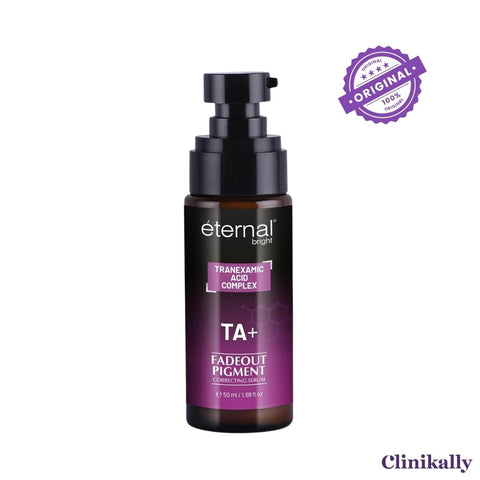
Eternal Bright Tranexamic Acid Complex TA+ Fadeout Pigment Correcting Serum is formulated for concerns such as melasma, post acne marks, and persistent discoloration. It offers targeted care for pigmentation that may be difficult to manage with basic skincare.
-
Targets Persistent Pigmentation: Helps improve the appearance of stubborn discoloration.
-
Helps With Post Acne Marks: Supports fading of pigmentation that remains after breakouts.
-
Supports Smoother Skin: Its exfoliating components can help improve the appearance of uneven texture.
4. Biomelin De-Pigmentation Serum
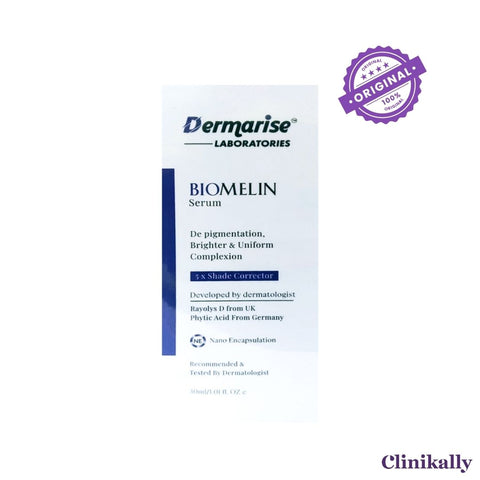
Biomelin De-Pigmentation Serum is designed for people looking to address pigmentation while maintaining skin hydration and comfort. It can complement a routine focused on improving overall skin radiance.
-
Helps Reduce Visible Marks: Supports improvement in the appearance of pigmented areas.
-
Boosts Radiance: Helps skin look brighter and more refreshed.
-
Soothes and Hydrates: Supporting ingredients help maintain moisture and skin comfort.
5. Novology Pigmentation Reduction Serum For Combination to Oily Skin
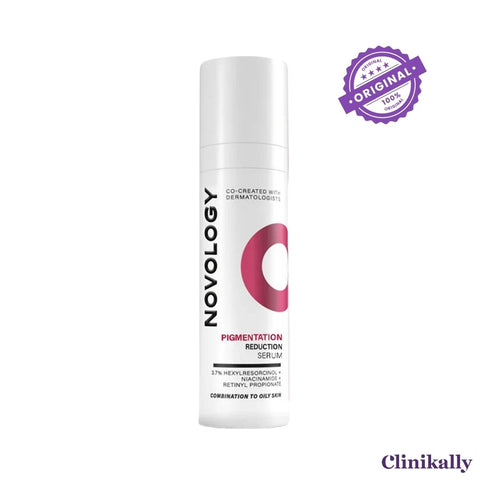
Novology Pigmentation Reduction Serum is formulated specifically for combination to oily skin with pigmentation concerns. Its lightweight, non comedogenic texture makes it a practical option for people who prefer lighter skincare formulations.
-
Targets Dark Spots: Helps improve the appearance of pigmentation and discoloration.
-
Supports Skin Renewal: Helps improve the appearance of uneven tone over time.
-
Suitable for Oily Skin: Its lightweight, non comedogenic formulation is designed for combination to oily skin.
How to Use a Serum for Pigmentation
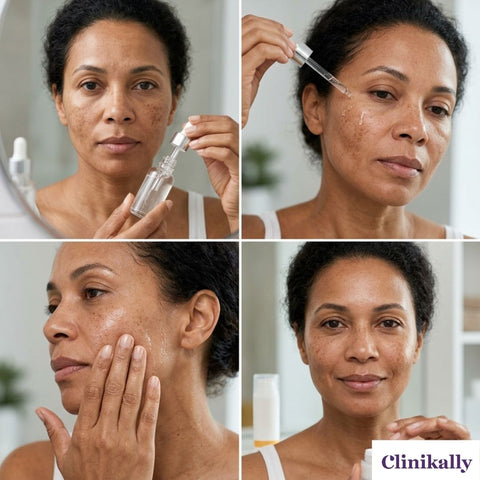
Using a serum for pigmentation correctly can help you get consistent results while reducing the risk of irritation. Apply it to clean skin and follow it with a moisturizer and sunscreen. Since pigmentation serums can contain different active ingredients, always follow the product's recommended frequency and application instructions.
-
Cleanse: Wash your face with a gentle, non drying cleanser and pat the skin dry.
-
Tone (Optional): If you use a toner, choose a gentle, alcohol free formula and apply it before the serum.
-
Apply Serum: Apply the recommended amount of your pigmentation serum to the face and neck. Gently spread or press it into the skin without vigorous rubbing.
-
Moisturize: Follow with a suitable moisturizer to support the skin barrier and reduce dryness or irritation.
-
Apply Sunscreen: Finish your morning routine with a broad spectrum sunscreen of SPF 30 or higher. Reapply during prolonged outdoor exposure.
Why Do You Need Sunscreen With a Pigmentation Serum?
Using an anti-pigmentation serum without adequate sun protection can make pigmentation harder to manage. UV exposure can stimulate melanin production and worsen existing dark spots, while visible light may also contribute to melasma. Daily sun protection therefore plays an important role alongside pigmentation treatments.
A broad spectrum sunscreen with SPF 30 or higher helps protect the skin from UV radiation and helps reduce the risk of existing pigmentation becoming darker and may help reduce recurrence. If your serum contains an alpha hydroxy acid such as glycolic acid, consistent sun protection is particularly important because AHAs can increase the skin's sensitivity to sunlight.
For people with melasma or pigmentation that worsens with sunlight, a tinted sunscreen containing iron oxides may offer additional protection against visible light. Reapply sunscreen during prolonged outdoor exposure, particularly after sweating, swimming, or towel drying.
Mistakes to Avoid When Using a Pigmentation Serum
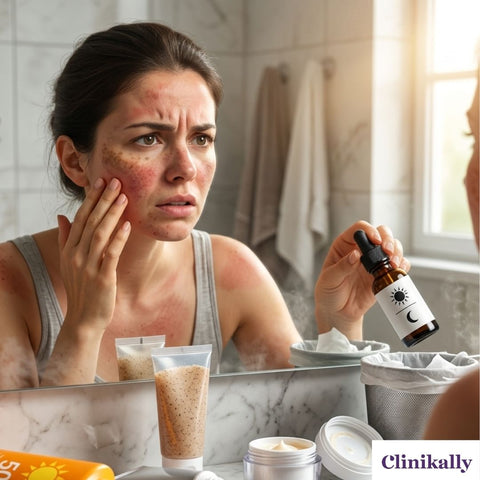
Using a pigmentation serum consistently is important, but using too many actives or applying them incorrectly can cause irritation and make pigmentation harder to manage. Give your skin time to adjust and avoid practices that can trigger inflammation or worsen existing discoloration. Keep these common mistakes in mind:
-
Over Exfoliating: Using multiple strong exfoliating products can irritate the skin and may worsen post inflammatory pigmentation.
-
Expecting Instant Results: Pigmentation often takes several weeks to months to improve, depending on its cause and severity.
-
Skipping Sunscreen: UV exposure can darken existing pigmentation and contribute to new discoloration. Apply broad spectrum sunscreen every morning.
-
Skipping a Patch Test: Test a new serum on a small area of skin first, following the product's instructions, especially if you have sensitive skin.
-
Picking at Pimples: Popping or squeezing breakouts can increase inflammation and raise the risk of post inflammatory pigmentation.
Final Thoughts
Finding the best serum for dark spots requires choosing suitable active ingredients, using the product consistently, and giving your skin enough time to respond. A suitable serum for pigmentation can help improve the appearance of dark spots and uneven skin tone, but results vary depending on the cause and severity of pigmentation.
For better results, combine your serum with a gentle moisturizer and daily broad spectrum sunscreen. Avoid overusing active ingredients, as irritation can worsen pigmentation. With consistent care and appropriate sun protection, a suitable serum can support a more even and brighter looking complexion.