How Does Shale Oil Help Treat Acne and Rosacea?
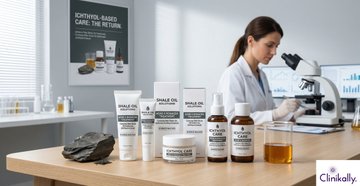
Shale oil products are quickly becoming a popular science-backed way to deal with acne and rosacea. This means people are starting to look at skincare that uses ichthyol again. Ichthyol is often found in skincare products that dermatologists suggest for sensitive or acne-prone skin. That's because it's good at fighting inflammation and bacteria, and it also helps calm the skin. More and more people are looking for natural ways to treat acne, help with rosacea, and find skincare that won't clog pores. Because of this, ingredients that come from shale are showing up more in today's beauty products. These solutions are good for making your skin less red and irritated. They also help fix your skin's protective layer, which is really helpful if you have ongoing skin problems. People are really interested in clean beauty, skin treatments that work, and ingredients that are proven by science. Because of this, ichthyol-based care is becoming a gentle yet effective option for skin treatment.
Understanding Shale Oil in Skincare
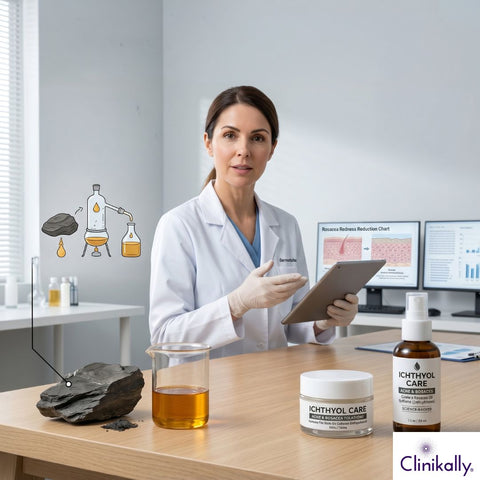
Shale oil, which often gets turned into ichthyol, is an ingredient full of minerals that comes from oil shale. It's used a lot in skin care because it helps with inflammation and fights bacteria. Doctors now use it a lot to help with skin problems like acne, rosacea, eczema, and seborrheic dermatitis. Shale oil is showing up more and more in medical-grade skincare and products for sensitive skin. It's really good at soothing irritated skin and helping to calm down redness. This won't clog your pores, so it's good for skin that tends to break out, helping it look clearer and healthier.
Dermatologists like to use creams with ichthyol in them. They've seen that these creams really help calm down red, irritated skin, keep oily skin in check, and help the skin get better. People are getting more interested in natural skincare ingredients and things that have been proven to work. So, shale oil is becoming more popular in creams, ointments, and other special treatments that are meant to help your skin. This stuff is a good option if strong acne treatments irritate your skin. It's much gentler and helps your skin heal without causing more problems. So, shale oil is really important for skin care products that aim to keep your skin healthy in the long run.
What Is Ichthyol?
Ichthyol is often called sulfonated shale oil in skincare. It's an ingredient used in dermatology that comes from oil shale rich in fossils and is turned into ammonium bituminosulfonate. Ichthyol is a really good ingredient because it helps with all sorts of skin problems. It can calm down inflammation, fight off bacteria, and even help shed dead skin. That's why you often see it in products for acne, rosacea, and eczema. This medicine helps with oily, acne-prone skin by making redness go down, soothing skin that's bothered, and lowering how much oil your skin makes. People are really looking for skincare ingredients that are proven to work, and treatments that won't clog pores. Because of this demand, ichthyol is becoming popular again. It's a strong ingredient for today's skin doctors and medical skincare products, especially for skin that's sensitive or inflamed.
Ichthyol belongs to a larger group of chemicals called bituminosulfonates. These are organic compounds that have a lot of sulfur in them, and they're good for calming skin and fighting germs. They make these compounds by treating shale oil with a special process. What you get from this is something that helps fix your skin's protective layer and calms down inflammation in your cells. You often find bituminosulfonates in things like medicated ointments, healing creams, and special spot treatments. They're good for helping with skin problems such as acne, rosacea breakouts, and seborrheic dermatitis. You can see them more and more in clean beauty products and skincare recommended by doctors. This shows they work well, they’re gentle but still strong, especially when compared to those tougher chemical treatments.
How Ichthyol Works
Ichthyol-based skincare works because it's really good at fighting swelling and germs. That's why it's so helpful for skin problems like acne, rosacea, and generally touchy skin. Sulfonated shale oil helps calm down red, swollen, and irritated skin by lowering inflammation. It also kills the bacteria that cause acne, helping to make your skin clearer and stop new pimples from forming. This is why ichthyol is often found in skincare products that dermatologists suggest, especially those designed to help your skin stay balanced and heal over time.
Ichthyol helps fix your skin's protective layer. It also keeps your skin from getting too oily, which is great if you have oily, acne-prone, or sensitive skin. It helps remove dead skin, which keeps pores clear and makes your skin feel smoother. With more people looking for skincare that won't clog pores and gentle ways to treat acne, ichthyol is a great option. It's an ingredient that's been shown to work, giving you clear results without being too harsh on your skin. It's in treatment creams, ointments, and special treatments because it helps calm inflammation and get skin working normally again.
Rosacea vs Acne: Key Skincare Differences
Rosacea and acne might look alike, but you need to treat them very differently because they come from different root problems. Acne usually happens because of too much oil, clogged pores, and bacteria. Rosacea, on the other hand, is a long-lasting skin problem that causes constant redness, makes your skin sensitive, and weakens its protective layer. To keep your rosacea under control and your skin healthy in the long run, it's really important to pick the right treatment and skin care products for sensitive skin.
Key Differences and Skincare Needs:
-
Rosacea is primarily an inflammatory condition, while acne involves clogged pores and acne-causing bacteria.
-
Rosacea-prone skin reacts easily to harsh ingredients, requiring gentle skincare products and fragrance-free formulations.
-
Effective rosacea care prioritizes anti-inflammatory ingredients like niacinamide, azelaic acid, and ichthyol to calm visible redness.
-
Strengthening the skin barrier with ceramides and hydrating ingredients helps reduce irritation and prevent flare-ups.
-
Unlike acne treatments, rosacea skincare avoids aggressive exfoliants that can worsen sensitivity and inflammation.
-
Trigger Management: Common triggers like heat, spicy foods, and environmental stressors must be minimized for consistent rosacea control.
-
Dermatologist-Recommended Care: Medical-grade skincare and clinically proven treatments are often necessary for managing moderate to severe rosacea.
Understanding these differences helps in selecting targeted skincare solutions that address redness, irritation, and sensitivity without compromising the skin barrier. A tailored approach using soothing, non-comedogenic, and anti-inflammatory ingredients ensures effective rosacea management while supporting overall skin health.
Benefits of Using Shale Oil and Safety Precautions
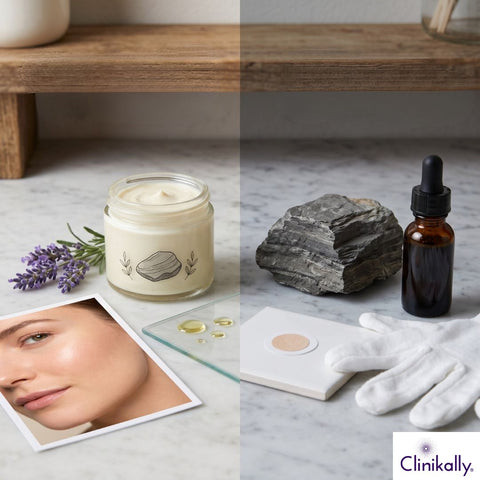
Shale oil skincare, especially products with ichthyol, is increasingly seen as a good option for people dealing with acne, rosacea, and other skin problems that involve inflammation. There's real science behind why it works. Sulfonated shale oil has some pretty neat qualities, it can help with inflammation, fight off bacteria, and even manage oily skin. That's why you often find it in skin treatments that dermatologists suggest, and in good quality skincare products. But knowing when to use these things, and when to be careful, is really important if you want to get good, safe results.
Benefits and Best Uses of Shale Oil Products are:
-
Acne Treatment Support: Helps reduce acne-causing bacteria, control excess oil, and prevent clogged pores in acne-prone skin.
-
Rosacea Relief: Calms redness, inflammation, and irritation, making it suitable for sensitive and reactive skin types.
-
Anti-Inflammatory Action: Soothes conditions like eczema, seborrheic dermatitis, and inflamed breakouts.
-
Non-Comedogenic Care: Does not clog pores, making it ideal for oily skin and combination skin routines.
-
Skin Barrier Repair: Supports healing and strengthens the skin’s natural protective barrier.
-
Targeted Spot Treatments: Effective in ointments and creams for localized skin concerns and flare-ups.
- Shale Oil for Ageing Skin: Helps improve skin texture, reduce dryness, and support the skin barrier, which can soften the appearance of fine lines and wrinkles while keeping mature skin calm and hydrated.
However, it is recommended to be careful in following situations
-
Sensitive Skin Reactions: Some individuals may experience irritation; patch testing is recommended before full use.
-
Strong Odor Profile: Ichthyol has a distinct smell, which may not suit all users despite its therapeutic benefits.
-
Not for Open Wounds: Avoid use on broken or severely damaged skin unless advised by a dermatologist.
-
Layering with Actives: Use cautiously with strong exfoliants like retinoids or AHAs to prevent over-irritation.
-
Pregnancy and Medical Conditions: Consult a healthcare professional before incorporating medicated skincare products.
Shale oil products can be highly effective when used correctly within a targeted skincare routine focused on inflammation control and skin barrier support. By balancing benefits with mindful usage, ichthyol-based treatments offer a powerful yet gentle option for managing chronic skin concerns while promoting long-term skin health.
For Acne-Prone Skin
Shale oil for acne-prone skin, particularly in the form of ichthyol (sulfonated shale oil), offers a clinically supported solution for managing congestion, clogged pores, and persistent breakouts without compromising skin hydration. Ichthyol is good for you because it fights off the bacteria that cause acne. It also calms down irritated skin and helps control how much oil your skin makes. It's different from those strong acne treatments that can be harsh on your skin. This one is gentle; it helps soothe any irritation and redness. So, it's good for skin that's sensitive or tends to be oily. Shale oil often shows up in skincare that won't clog your pores and in treatments for spots. It helps clear up your skin without messing with its natural barrier.
On top of just helping with breakouts, shale oil also gently encourages your skin to renew itself. It helps get rid of dead skin cells, which then stops your pores from getting clogged. It works well on blackheads, whiteheads, and even inflamed acne, and it won't make your skin dry or flaky. Ichthyol works even better for your skin when it's mixed with other good things that hydrate and fix your skin's protective layer. Things like hyaluronic acid, ceramides, and niacinamide are good examples. Together, they make your skin stronger and feel smoother. More and more dermatologists are suggesting this for skincare, which really shows it's a good choice for dealing with acne. It's gentle but it works, fitting right into today's routines that aim for clear skin and overall healthier skin for the long run.
For Rosacea-Prone Skin
Dermatologists are increasingly suggesting shale oil, especially ichthyol, for skin prone to rosacea. It seems to help calm down redness and irritation during flare-ups. Ichthyol has a lot of sulfur compounds, which means it's really good at calming down inflammation and redness. It can help with things like the stinging and irritation you get from rosacea. It's pretty gentle, unlike harsher treatments. It basically helps your skin's protective barrier and keeps it hydrated, which is really good if your skin is on the sensitive side or tends to react a lot. Shale oil is often found in good skincare products and special creams because it helps make your skin look more even, feel calmer, and become stronger.
Ichthyol doesn't just calm your skin right away; it also helps with rosacea over time by making your skin barrier stronger and cutting down on things that make it sensitive. It's gentle enough that it won't mess with your skin's natural balance, which is really important when you have rosacea. Shale oil works even better when mixed with things like ceramides, niacinamide, and hyaluronic acid. Together, they help your skin hold onto moisture, become stronger, and have fewer breakouts. People are looking for skincare that's gentle and doesn't irritate. Ichthyol-based products are starting to be a popular choice because they can help with ongoing redness and make skin feel and look better.
Pale vs Dark Ichthyol: Which One to Choose?
If you're picking out skincare with ichthyol, it helps to know the difference between "pale" and "dark" shale oil. This way, you can get the best texture, make sure your skin tolerates it, and see good results. These different kinds vary in how strong they are, how pure they are, and what they feel and smell like. This can change how well they work for skin that gets acne, rosacea, or is just sensitive. To get the best anti-inflammatory and antibacterial effects without bothering your skin too much, you need to pick the right strength and mix.
Key Differences and Considerations:
-
Pale Ichthyol Formulas: More refined, lighter in color and texture, with a milder odor- ideal for sensitive skin, rosacea care, and daily skincare routines.
-
Dark Ichthyol Formulas: Higher concentration and stronger potency, often used in targeted acne treatments and therapeutic ointments for stubborn breakouts.
-
Strength Levels Matter: Lower concentrations (1–5%) suit sensitive or reactive skin, while higher strengths (10–20%) are used for severe acne or localized inflammation.
-
Texture and Absorption: Pale formulas absorb more easily and layer well in non-comedogenic skincare, while dark variants are thicker and better for spot treatments.
-
Tolerance and Sensitivity: Beginners and those with compromised skin barriers should start with lower-strength, pale formulations to reduce irritation risk.
-
Odor and Cosmetic Acceptability: Pale ichthyol is more suitable for leave-on products due to its reduced scent, improving user experience.
-
Dermatologist-Guided Use: Stronger, dark formulations are often recommended under professional guidance for chronic skin conditions.
Choosing between pale and dark shale oil formulations depends on your skin type, concern severity, and tolerance level. A tailored approach using the right concentration and texture helps maximize results while maintaining skin comfort, making ichthyol-based skincare a versatile option in modern dermatology routines.
Safety Tips: Patch Test and Proper Use
When you're using skincare products with ichthyol or shale oil, it's really important to use them safely. That way, you can avoid any skin irritation and get the best results from them. Even though skin doctors suggest these ingredients because they can calm redness and fight bacteria, using them the wrong way can make your skin sensitive, dry, or mess up its protective layer. This is especially true if you tend to get acne or rosacea.
-
Always perform a patch test before first use to check for allergic reactions, irritation, or sensitivity, especially with active skincare ingredients.
-
Start with lower concentrations of ichthyol or sulfonated shale oil to allow the skin to build tolerance gradually.
-
Avoid overuse, as excessive application can lead to dryness, peeling, or increased skin irritation.
-
Do not combine with strong actives like retinoids, benzoyl peroxide, or AHAs without guidance to prevent over-exfoliation.
-
Apply only to affected areas when using high-strength or targeted spot treatments.
-
Monitor for signs of redness, burning, or worsening inflammation, which may indicate intolerance.
-
Avoid use on broken, damaged, or highly compromised skin unless advised by a skincare professional.
-
Consult a dermatologist or clinician for persistent acne, severe rosacea, or if using alongside prescription treatments.
Using shale oil and ichthyol-based formulations safely ensures effective results while protecting the skin barrier. A mindful, balanced approach combined with professional guidance when needed helps maintain healthy, clear, and resilient skin over time.
Final Thoughts: Building a Gentle Shale Oil Routine
Ichthyol, which comes from shale oil, can help make your skin clearer and calmer without irritating it. Because they've been shown to help with inflammation, fight bacteria, and control oil, these ingredients are now often found in skincare products that dermatologists suggest for people with acne, rosacea, or sensitive skin. To help keep your skin hydrated and cut down on redness, irritation, and breakouts, try using products that won't clog your pores, gentle washes, and ingredients that fix your skin's barrier, like ceramides, hyaluronic acid, and ichthyol. If you want your skin to get better over time, it's really important to stick with a routine that calms it down and keeps it balanced.
Tailoring a gentle skincare plan with shale oil-based treatments requires understanding your skin type, tolerance level, and specific concerns. Starting with low-strength formulations and gradually increasing use can help minimize sensitivity while maximizing benefits. Combining ichthyol with calming actives such as niacinamide and avoiding harsh exfoliants ensures optimal results for inflamed or reactive skin. As demand grows for clean beauty, clinically proven ingredients, and therapeutic skincare, shale oil continues to stand out as a versatile solution. With mindful application and consistency, it supports healthier, more resilient skin and visible improvement in overall skin clarity and comfort.